Accessible Packaging Design
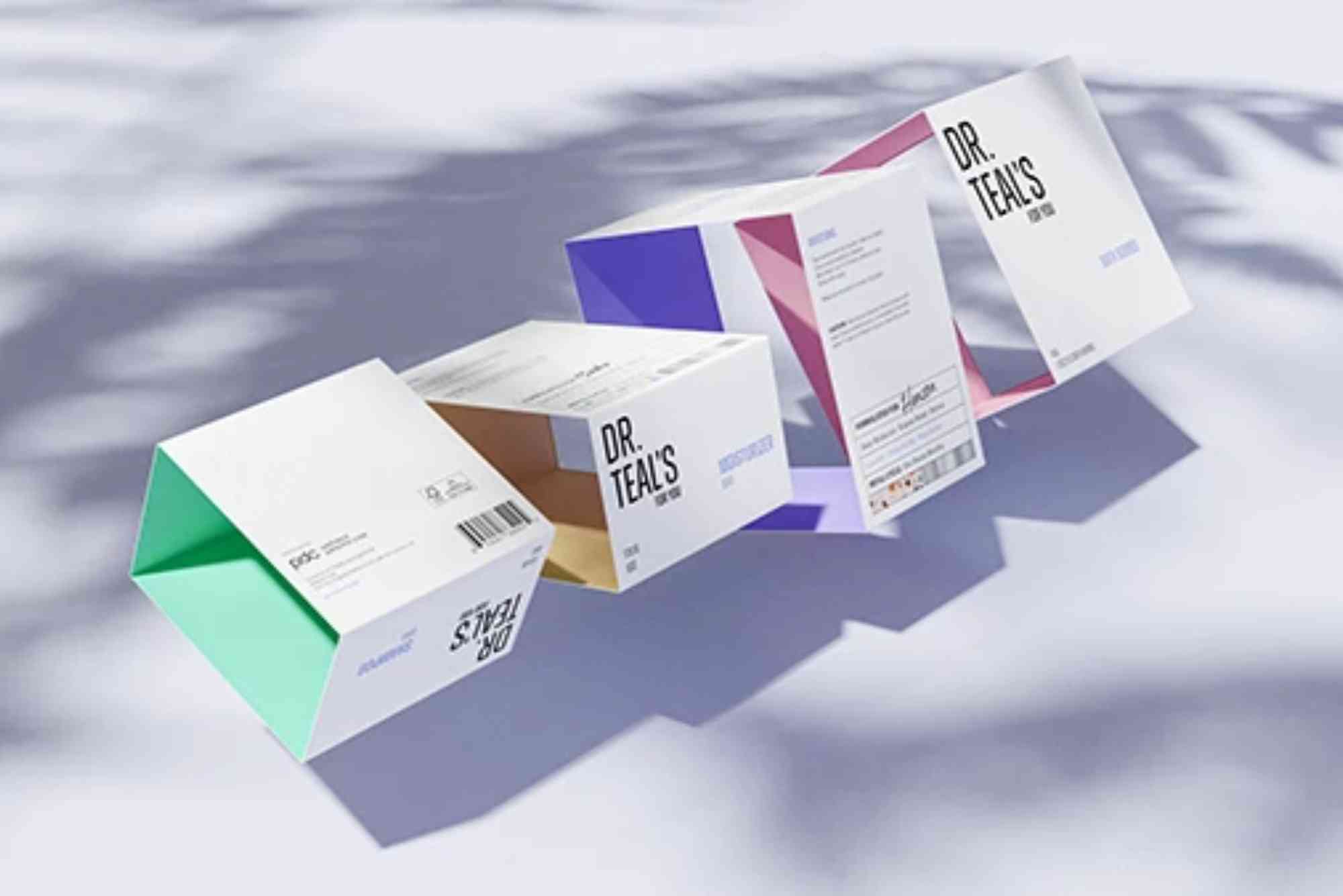
Accessible packaging design is no longer a niche consideration; it has become a fundamental aspect of modern product development. As consumers become more diverse, brands must ensure their packaging is usable by people of all abilities. Whether it’s someone with limited vision, reduced dexterity, or cognitive challenges, inclusive design can significantly improve everyday experiences.
Interestingly, even businesses outside traditional packaging industries—like Orangetheory Fitness Mountain View—are embracing accessibility principles in their branding and customer interactions. This shift reflects a broader cultural movement toward inclusivity and usability.
Accessible packaging design is not just about compliance. It is about empathy, innovation, and creating a better connection between brands and users. In this comprehensive guide, you will discover how to design packaging that works for everyone while improving brand value and SEO performance.
Understanding Accessible Packaging Design
Accessible packaging design focuses on making packaging easy to open, read, and understand for all users. It considers physical, sensory, and cognitive needs.
Why Accessibility Matters in Packaging
Accessibility is essential because it directly impacts user experience. Many consumers struggle with traditional packaging due to tight seals, small fonts, or confusing instructions. By addressing these issues, brands can remove barriers and create a more inclusive experience.
Moreover, accessible packaging design aligns with ethical business practices. It demonstrates that a brand values all customers equally. This approach builds trust and long-term loyalty.

The Growing Demand for Inclusive Design
Consumer expectations are evolving. People now expect brands to consider accessibility as a standard feature, not an optional add-on. Governments and regulatory bodies are also introducing stricter guidelines, making accessibility a legal necessity in many regions.
As a result, companies that adopt accessible packaging design early gain a competitive advantage. They stand out as forward-thinking and socially responsible.
Key Principles of Accessible Packaging Design
Accessible packaging design is built on a few core principles that ensure usability for everyone.
Clarity and Readability
Clear communication is essential. Packaging should use large, legible fonts and high-contrast colours. This helps individuals with visual impairments read product information easily.
Simple language also improves comprehension. Avoid technical jargon and keep instructions straightforward.
Ease of Use
Packaging should be easy to open and handle. Features like tear strips, ergonomic shapes, and resealable closures can make a big difference.
This is particularly important for older adults and people with limited hand strength.
Sensory Considerations
Accessible packaging design should engage multiple senses. For example, tactile markers or braille can help visually impaired users identify products.
Audible cues, such as click closures, can also enhance usability.
Sustainability and Accessibility
Sustainability and accessibility should go hand in hand. Eco-friendly materials should still be easy to use and dispose of.
Brands must balance environmental responsibility with user convenience.
Benefits of Accessible Packaging Design
Accessible packaging design offers numerous advantages beyond inclusivity.
Improved Customer Experience
When packaging is easy to use, customers feel more satisfied. This positive experience encourages repeat purchases.
Enhanced Brand Reputation
Brands that prioritise accessibility are seen as caring and responsible. This perception strengthens brand image and trust.
Increased Market Reach
Accessible packaging design allows brands to reach a wider audience, including people with disabilities and older consumers.
Compliance with Regulations
Many countries have accessibility laws that apply to packaging. Following these guidelines helps avoid legal issues.
Practical Strategies for Implementing Accessible Packaging Design
Creating accessible packaging requires thoughtful planning and testing.
User-Centred Design Approach
Involve real users in the design process. Gather feedback from people with different abilities to understand their needs.
Prototyping and Testing
Test packaging prototypes with diverse user groups. This helps identify potential barriers before mass production.
Leveraging Technology
Innovations such as QR codes and smart packaging can enhance accessibility. For example, QR codes can provide audio instructions or detailed product information.
Collaboration with Experts
Work with accessibility consultants and designers who specialise in inclusive design. Their expertise can significantly improve outcomes.
For more insights, explore expert resources like packaging design tips.
Real-World Applications of Accessible Packaging Design
Accessible packaging design is being adopted across various industries.
Food and Beverage Industry
Brands are introducing easy-open lids, clear labelling, and tactile features to improve usability.
Healthcare Products
Accessible packaging is crucial for medications. Clear instructions and easy-to-open containers can prevent serious errors.
Retail and E-commerce
Online brands are focusing on packaging that is easy to unbox and return. This enhances customer satisfaction.
For businesses looking to improve their packaging solutions, exploring Custom Packaging options can provide tailored accessibility features.
The Role of Branding in Accessible Packaging Design
Accessibility should be integrated into brand identity.
Consistency Across Products
Ensure that all packaging follows the same accessibility standards. This creates a cohesive brand experience.
Emotional Connection
Accessible packaging design shows empathy. It helps customers feel valued and understood.
Visual Identity and Accessibility
Design elements should be both attractive and functional. High contrast and clear typography can enhance both aesthetics and usability.
Challenges in Accessible Packaging Design
Despite its benefits, accessible packaging design comes with challenges.
Cost Considerations
Implementing accessibility features can increase production costs. However, the long-term benefits often outweigh the initial investment.
Balancing Design and Functionality
Designers must balance visual appeal with usability. Overly complex designs can hinder accessibility.
Lack of Awareness
Some brands still underestimate the importance of accessibility. Education and advocacy are key to driving change.
Future Trends in Accessible Packaging Design
The future of accessible packaging design looks promising.
Smart Packaging Solutions
Technology will play a bigger role in accessibility. Smart labels and digital interfaces will provide enhanced user experiences.
Personalised Packaging
Brands may offer customized packaging based on individual needs. This level of personalisation will redefine user experience.
Greater Regulatory Focus
Governments will continue to introduce stricter accessibility standards. Brands must stay updated to remain compliant.
Why Accessible Packaging Design Matters
Accessible packaging design is not just a trend; it is a necessity. It improves usability, expands market reach, and strengthens brand reputation.
By prioritising accessibility, brands can create meaningful connections with their customers. This approach leads to long-term success and sustainability.
If you want to elevate your packaging strategy, consider exploring innovative solutions and expert guidance. You can also check out the Buddy Packaging Location to discover practical applications of accessible packaging design.
Now is the time to take action. Start integrating accessible packaging design into your products and make a positive impact on your customers’ lives.
Frequently Asked Questions (FAQs)
What is accessible packaging design?
Accessible packaging design ensures that packaging is easy to use, read, and understand for people of all abilities.
Why is accessible packaging important?
It improves user experience, increases inclusivity, and helps brands comply with legal requirements.
How can packaging be made more accessible?
Use clear fonts, high contrast colours, easy-open features, and simple instructions.
Does accessible packaging increase costs?
It may involve higher initial costs, but it often leads to greater customer satisfaction and loyalty.
What industries benefit most from accessible packaging design?
Healthcare, food, retail, and e-commerce industries benefit significantly from accessible packaging solutions.
Related Reading: Chanel Packaging Design
Related Reading: Aldi Packaging Design
Related Reading: 99Designs Packaging Design — full guide
Related Reading: Barbie Packaging Design — full guide
Related Reading: Packaging Design Requirements — full guide
Related Reading: Clever Packaging Design — full guide
Related Reading: 90s Packaging Design — full guide
Related Reading: Bakery Packaging Design — full guide
Related Reading: Dove Packaging Design — full guide
Related Reading: Consumer Electronics Packaging Design — full guide
Related Reading: Donut Packaging Design — full guide
Related Reading: Cigarette Packaging Design — full guide
Related Reading: Beautiful Packaging Design — full guide
Related Reading: Christmas Packaging Designs — full guide
Related Reading: Card Packaging Design — full guide
Related Reading: Basics Of Packaging Design — full guide
