chocolate packaging design ideas
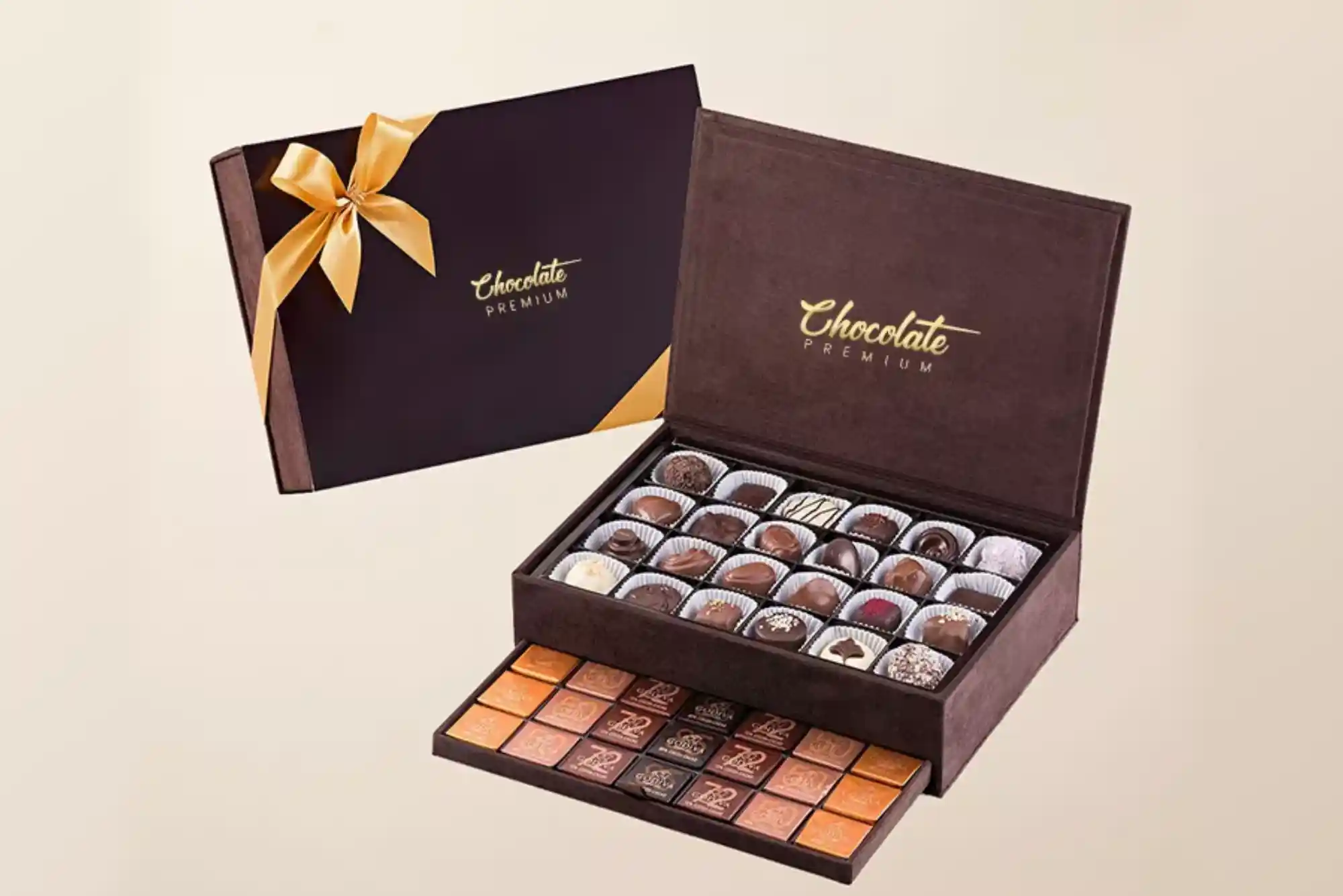
Chocolate Packaging Design Ideas for Memorable Chocolate Brands
Chocolate is more than a sweet treat. It is often bought as a gift, a reward, or a small luxury. Therefore, its packaging plays an important role in the buying decision. Strong chocolate packaging design ideas can help a product look distinctive while communicating quality and personality.
Good packaging should attract attention within seconds. It should also protect the chocolate during storage and transport. Most importantly, it should make the brand easy to remember.
Whether you sell handmade truffles, premium bars, seasonal chocolates, or everyday treats, thoughtful packaging can make a significant difference. The right colours, materials, typography, structure, and finishing details can turn simple chocolate into a desirable product.
Why Chocolate Packaging Design Matters
Chocolate packaging is often the first physical interaction customers have with a product. Before tasting the chocolate, shoppers judge its appearance, presentation, and perceived quality.
This makes packaging an important part of the overall brand experience. A carefully designed box can suggest luxury, while playful colours can make a product feel youthful and approachable.
The packaging also provides useful information. It can communicate the flavour, ingredients, product story, weight, brand identity, and other important details.
The strongest chocolate packaging design ideas balance beauty with practical requirements. Attractive packaging is valuable, but it must also be functional and suitable for the product.
Minimalist Chocolate Packaging Design Ideas
Minimalism continues to influence modern packaging. It focuses on simplicity rather than excessive decoration.
A clean layout can make premium chocolate appear sophisticated. A limited colour palette can also create a stronger visual identity.
For example, a chocolate brand could use an off-white background with one strong accent colour. Simple typography can then make the brand name the central visual element.
Minimal packaging can also communicate confidence. Instead of covering every available space with graphics, designers allow important elements to breathe.
However, minimalism should not mean boring. Texture, typography, embossing, or an unusual structural shape can add personality without creating visual clutter.
Luxury Chocolate Packaging Design Ideas
Premium chocolate often benefits from packaging that creates a sense of exclusivity. Luxury design can be achieved through materials, finishing techniques, and careful composition.
A rigid box can provide a substantial feel when customers open the product. Foil details can highlight a logo or important design element. Embossing can add tactile interest.
Deep colours such as burgundy, forest green, navy, and chocolate brown can support a sophisticated appearance. Metallic details can provide additional visual contrast.
However, luxury packaging does not always require expensive materials. Strong typography and thoughtful proportions can create a premium impression when the design is carefully executed.
Eco-Friendly Chocolate Packaging Design Ideas
Sustainability has become an important consideration for many packaging brands. Consumers increasingly pay attention to the materials used around food products.
Chocolate packaging can incorporate recyclable paperboard, responsibly sourced paper, or reduced-material structures. Brands can also reduce unnecessary layers where product protection allows.
The visual design can reinforce this message. Natural textures, restrained printing, earthy colours, and straightforward messaging can create an authentic sustainable appearance.
Nevertheless, sustainability claims should be accurate. Packaging should communicate environmental benefits clearly without making unsupported claims.
This approach helps build trust while making the product visually relevant to environmentally conscious shoppers.
Creative Chocolate Box Designs
The shape of packaging can be just as important as its graphics. An unusual box can make a chocolate product more memorable.
A sliding drawer box, for instance, can create an enjoyable opening experience. A magnetic closure can make premium chocolates feel more like a gift.
Window packaging can also be useful when the chocolates have attractive shapes or decorations. Customers can see the product before purchasing it.
For smaller products, sleeve packaging can provide a simple yet flexible solution. The sleeve can carry branding while the inner structure protects the chocolate.
The key is to make creativity serve a purpose. Packaging should remain easy to store, transport, open, and close.
Colour Choices for Chocolate Packaging
Colour strongly influences how customers perceive a chocolate product. Therefore, colour selection should reflect the brand’s positioning.
Dark brown is naturally associated with cocoa and chocolate. Gold can suggest premium quality, while pastel colours can create a softer and more contemporary appearance.
Bright colours may work well for children’s products or playful flavours. Meanwhile, muted tones can support an artisanal or sophisticated brand.
Colour combinations should also provide enough contrast for important information. The product name and flavour should remain easy to identify.
A consistent colour system can help customers recognise different products within the same range.
Typography and Branding
Typography is another important element in effective chocolate packaging. The typeface should match the personality of the product.
Elegant serif fonts can create a traditional or premium impression. Modern sans-serif fonts can feel clean and contemporary.
Handwritten typography may work well for artisan brands. However, decorative fonts should be used carefully because readability remains essential.
The brand name should have enough visual prominence. Customers should understand what they are looking at without studying the package for too long.
Strong branding also makes packaging more recognisable across shops, websites, social media, and promotional materials.
Personalised Chocolate Packaging
Personalisation can make chocolate packaging especially effective for gifts, celebrations, and special events.
Names, messages, dates, or customised illustrations can transform standard packaging into something more personal. This approach is particularly useful for weddings, corporate events, birthdays, and seasonal campaigns.
Personalised packaging can also encourage customers to share photographs online. A distinctive unboxing experience may generate organic attention for a brand.
For businesses, Custom Packaging can provide greater flexibility when developing packaging around a specific product, audience, or campaign.
The important consideration is consistency. Personalisation should complement the existing brand rather than making the packaging appear disconnected.
Using Texture and Finishing Effects
Packaging is not only a visual experience. It can also engage the sense of touch.
Matte finishes can create a soft and sophisticated feel. Gloss finishes can make colours appear brighter and more energetic.
Embossing can give selected elements a raised texture. Debossing creates an impression into the material. Foil details can highlight logos, borders, or decorative elements.
These techniques should be applied selectively. Too many finishing effects can make a package feel crowded and increase production complexity.
A thoughtful combination of materials and finishing can make even a relatively simple design feel distinctive.
Storytelling Through Chocolate Packaging
Great packaging can tell customers something about the product before they open it.
A chocolate company might communicate its origins, production method, cocoa sourcing, or artisan approach. Short storytelling elements can create an emotional connection with customers.
For example, a brand selling handmade chocolate could explain its small-batch process. A single-origin chocolate producer could highlight the cocoa’s geographical background.
Visual storytelling can also support this message. Illustrations, patterns, photography, and typography can work together to establish the product’s character.
Packaging should not become overloaded with information. Instead, the most meaningful details should receive the strongest visual emphasis.
How to Combine Different Design Elements
Successful chocolate packaging design ideas usually combine several elements rather than relying on one feature.
| Design Element | Main Purpose | Suitable Approach |
|---|---|---|
| Colour | Creates visual recognition | Match colours to brand personality |
| Typography | Communicates brand character | Prioritise clarity and hierarchy |
| Material | Influences perceived quality | Choose according to product needs |
| Structure | Improves usability | Make opening and storage convenient |
| Texture | Adds sensory interest | Use subtle tactile finishes |
| Graphics | Supports storytelling | Keep imagery relevant to the product |
| Branding | Builds recognition | Make the brand easy to identify |
The best result comes from treating these elements as a complete system. Colours should support typography. Materials should support the brand position. Structure should support the customer experience.
Packaging Design Inspiration for Modern Brands
Finding packaging design inspiration is useful before starting a new project. Designers can study different industries to understand how colour, structure, typography, and materials work together.
However, inspiration should not mean copying another brand. Instead, identify what makes an existing design successful and consider how that principle could work for your product.
For example, you might notice that a competitor uses very little text. The useful lesson could be the value of visual simplicity rather than the exact design.
Market research can also reveal gaps. If competing chocolate products all use dark packaging, a carefully chosen lighter design may create stronger shelf contrast.
Designing Packaging for Different Chocolate Products
Different chocolate products require different packaging solutions.
Chocolate bars often need slim structures that provide protection while remaining easy to display. Truffles may benefit from compartments that prevent movement and preserve presentation.
Gift collections can use larger rigid boxes with internal sections. Chocolate-covered products may require packaging that protects their surface and maintains freshness.
Seasonal products can use temporary graphics while retaining the core brand identity. This makes it easier to create limited editions without rebuilding the entire visual system.
Packaging should therefore begin with the product itself. Its size, shape, weight, shelf life, distribution method, and customer expectations all influence the final design.
Common Chocolate Packaging Design Mistakes
Even attractive packaging can underperform when practical details are overlooked.
One common mistake is using too many visual elements. Customers may struggle to understand the product when everything competes for attention.
Another problem is poor information hierarchy. Important details should be easy to find and read.
Weak structural design can also damage the customer experience. Packaging that is difficult to open or does not protect the chocolate can undermine an otherwise excellent design.
Finally, brands sometimes focus heavily on appearance while overlooking consistency. Packaging should work alongside the website, logo, product photography, and wider marketing materials.
Frequently Asked Questions About Chocolate Packaging
What makes good chocolate packaging?
Good chocolate packaging combines attractive design, product protection, clear information, and strong branding. It should reflect the product’s quality and make the customer experience enjoyable.
How do you design chocolate packaging?
Start by understanding the product, target audience, brand personality, and packaging requirements. Then develop the structure, colour palette, typography, graphics, materials, and finishing details.
What packaging is best for chocolate?
The best packaging depends on the chocolate type, distribution conditions, shelf life, and brand positioning. Paperboard boxes, sleeves, wrappers, and rigid boxes can all be suitable options.
How can I make my chocolate packaging attractive?
Use a clear visual hierarchy, suitable colours, distinctive typography, and appropriate materials. A memorable structure or tactile finishing can also increase visual and sensory appeal.
What colour is best for chocolate packaging?
There is no single best colour. Brown communicates a clear connection with chocolate, while gold, cream, black, bright colours, and pastels can create different brand impressions.
Why is packaging important for chocolate?
Packaging protects the product and communicates information. It also creates the first visual impression and can influence how customers perceive the chocolate’s quality.
buddypackaging.co.uk provides practical packaging solutions for businesses across the UK. From sturdy cardboard boxes to custom packaging options, its products help protect goods while creating a professional presentation. With flexible choices for different products, sizes and business needs, Buddy Packaging makes it easier to find reliable packaging that suits both everyday shipping and specialist requirements.
Conclusion: Create Packaging Customers Remember
The most effective chocolate packaging design ideas combine creativity with practical thinking. Attractive graphics alone cannot create successful packaging.
A strong design should protect the product, communicate the brand, support easy recognition, and create a satisfying customer experience. Materials, colours, typography, structure, and finishing should work together.
Brands should also consider sustainability and changing consumer expectations. Thoughtful packaging can strengthen differentiation while creating a stronger connection with customers.
If you are developing a new chocolate range, start by defining your brand personality and audience. Then explore suitable structures, materials, and visual directions before finalising the design.
For businesses looking to improve their packaging strategy, exploring reliable packaging solutions and a suitable Buddy Packaging Location can help turn creative concepts into practical products.