90s Packaging Design
Introduction
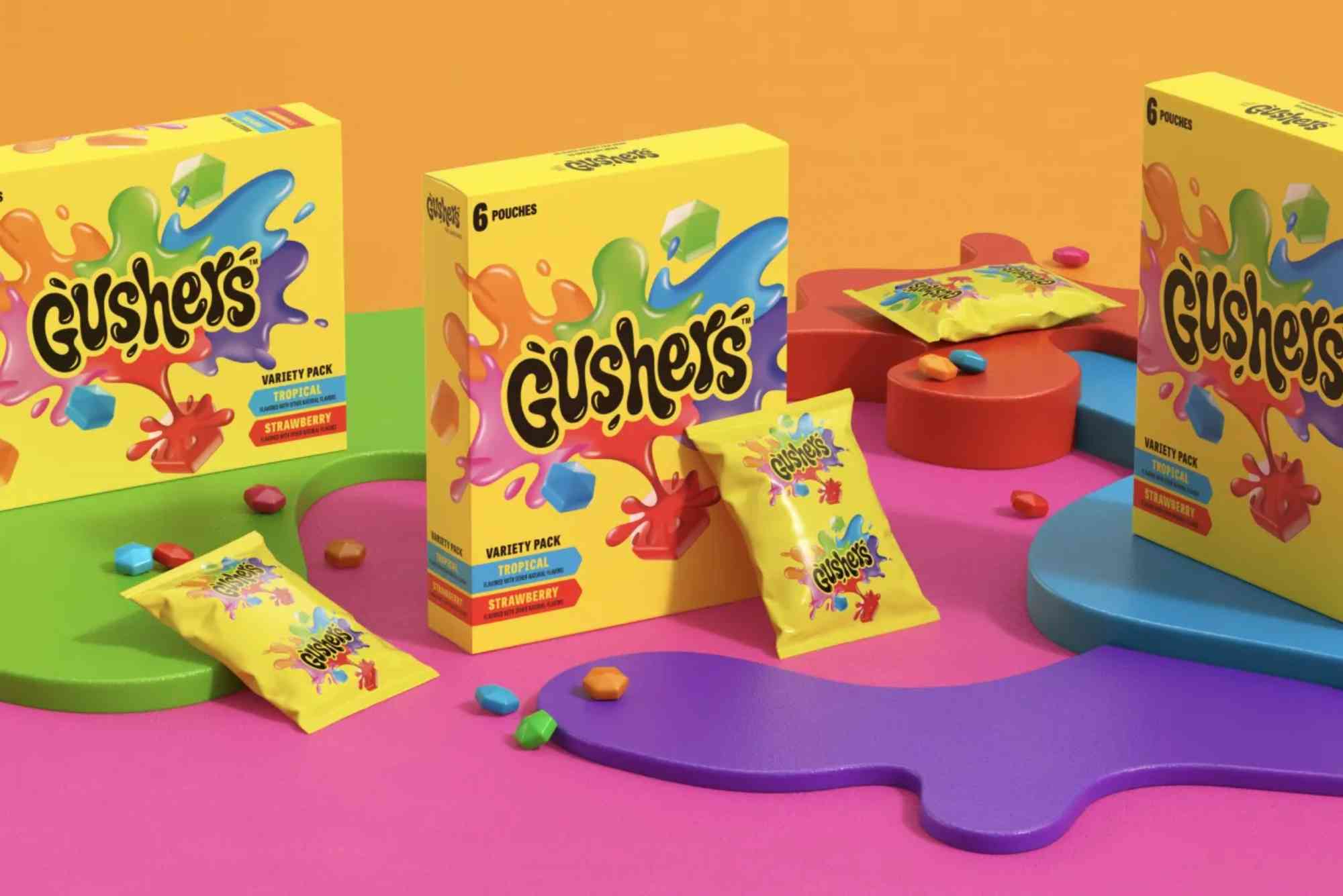
The comeback of 90s packaging design is impossible to ignore. From vibrant snack wrappers to funky cosmetic boxes, brands are embracing retro-inspired visuals to capture attention and create emotional connections with customers. What once filled supermarket shelves during the 1990s has now become a major influence in modern branding and packaging strategy.
Today’s consumers are drawn to nostalgia. Millennials remember the bright graphics and playful typography of their childhood, while Gen Z appreciates the authentic, unconventional aesthetic that defines the era. As a result, companies across food, fashion, beauty, and tech industries are reintroducing elements of 90s packaging design into contemporary products.
Packaging is no longer just about protecting a product. It has become a storytelling tool that communicates personality, identity, and cultural relevance. Businesses looking to stand out in crowded markets are rediscovering how retro packaging styles can spark curiosity and improve brand recognition.
Brands investing in nostalgic packaging often combine vintage-inspired aesthetics with modern printing technology and sustainable materials. Companies offering Custom Packaging solutions are helping businesses recreate iconic retro looks while maintaining modern functionality and eco-friendly standards.
Why 90S Packaging Design Is Popular Again
The popularity of 90s packaging design is largely driven by nostalgia marketing. People naturally connect emotions with visual memories, and the 1990s produced some of the most recognizable packaging styles in retail history.
During the 90s, packaging was energetic, loud, and experimental. Designers were not afraid to use neon colours, oversized typography, unusual shapes, and chaotic patterns. Unlike the minimalist trends of the 2010s, the 90s celebrated visual abundance.

Modern consumers spend only a few seconds noticing products on shelves or scrolling through online stores. Retro packaging instantly captures attention because it feels different from the clean, neutral branding dominating many industries today.
Social media has also accelerated the revival. Bright and nostalgic packaging performs well on platforms like Instagram, Pinterest, and TikTok because it creates visual excitement. Limited-edition retro collections often go viral simply because consumers love sharing nostalgic aesthetics online.
The Core Elements of 90S Packaging Design
Bold and Vibrant Colour Palettes
One of the defining traits of 90s packaging design is its fearless use of colour. Neon greens, electric blues, hot pinks, bright oranges, and saturated yellows were commonly used together.
Designers intentionally created visual contrast to make products impossible to overlook on retail shelves. These colour combinations generated energy and excitement while giving brands a youthful personality.
Modern brands adopting retro packaging often use updated versions of these palettes to maintain readability while still delivering the nostalgic effect consumers expect.
Experimental Typography
Typography in the 1990s was expressive and playful. Fonts were oversized, layered, distorted, or hand-drawn. Instead of relying on clean and uniform layouts, designers embraced asymmetry and creative lettering styles.
Today’s brands use retro-inspired typography to create authenticity and emotional familiarity. Whether it is bubble fonts, graffiti-inspired text, or chunky block letters, typography remains a major feature of successful 90s packaging design.
Geometric Patterns and Abstract Shapes
Patterns were everywhere during the 90s. Zigzags, squiggles, grids, checkerboards, and abstract geometric elements gave packaging a fun and rebellious appearance.
These visual elements communicated movement and personality, especially in products targeting younger audiences. Contemporary designers often modernize these patterns with cleaner layouts while keeping the nostalgic spirit intact.
Cartoon and Pop Culture Influence
Many iconic packaging designs from the 1990s borrowed inspiration from cartoons, arcade games, comic books, and pop culture trends. Mascots and animated graphics were commonly used to create memorable brand identities.
Today’s retro-inspired packaging frequently incorporates illustrated characters and nostalgic graphics to reconnect consumers with childhood memories.
How Brands Use 90S Packaging Design Today
Modern companies are not simply copying old packaging styles. Instead, they blend retro inspiration with contemporary branding strategies.
Food and beverage companies frequently release limited-edition packaging inspired by 90s snack designs. Beauty brands use holographic finishes and neon labels to create a playful retro vibe. Fashion labels incorporate old-school graphics and VHS-inspired visuals into product packaging.
The strategy works because retro design feels authentic and emotionally engaging. Consumers are more likely to remember products that create a personal connection.
Many packaging experts also study historical printing methods and material finishes to recreate the genuine appearance of vintage products. Businesses seeking professional print & finishing insights often analyze how retro textures, coatings, and specialty printing techniques influence consumer perception.
The Psychology Behind Nostalgic Packaging
Nostalgia is a powerful emotional trigger. Research consistently shows that nostalgic experiences can increase happiness, trust, and emotional attachment.
When consumers see retro-inspired packaging, they often associate it with positive childhood memories, entertainment, or simpler times. This emotional response can influence purchasing decisions more strongly than traditional advertising.
The success of 90s packaging design also reflects a desire for individuality. Modern retail environments are saturated with minimalist aesthetics, making colourful retro packaging feel refreshing and unique.
Brands benefit because nostalgic packaging encourages repeat engagement. Consumers may buy products not only for functionality but also for the emotional experience attached to the design.
Industries Leading the 90S Packaging Design Revival
Food and Beverage
Snack brands were among the first to revive retro packaging trends. Bright cereal boxes, candy wrappers, and soda cans inspired by the 1990s have become increasingly common.
These designs work particularly well because food packaging is deeply tied to childhood memories and emotional comfort.
Cosmetics and Skincare
Beauty brands now use holographic finishes, playful typography, and bright gradients to recreate 90s-inspired visuals. The aesthetic feels energetic and expressive, appealing to younger consumers seeking personality-driven products.
Fashion and Streetwear
Streetwear culture naturally aligns with retro design influences. Many clothing brands use nostalgic packaging to reinforce authenticity and urban identity.
Vintage-inspired graphics, cassette tape visuals, and arcade references are commonly integrated into fashion packaging strategies.
Technology and Gaming
Gaming culture has played a major role in reviving 90s aesthetics. Pixel art, neon graphics, and retro-futuristic packaging styles are widely used in gaming accessories and tech products.
Minimalism vs 90S Packaging Design
Minimalist packaging dominated branding trends for years because it communicated luxury, simplicity, and sophistication. However, as more companies adopted the same visual language, many products started looking identical.
This shift created space for retro-inspired packaging to stand out.
Unlike minimalist design, 90s packaging design prioritizes energy, personality, and visual storytelling. Instead of reducing visual elements, it embraces complexity and creativity.
Modern consumers increasingly appreciate brands that feel expressive and emotionally engaging rather than overly polished or corporate.
How Small Businesses Can Use 90S Packaging Design
Small businesses can successfully incorporate retro aesthetics without overwhelming their brand identity.
The key is balance. Instead of recreating every 90s trend at once, brands should focus on a few signature elements such as typography, colour palettes, or graphic patterns.
Packaging should still reflect the company’s values and target audience. A modern skincare brand, for example, may combine soft pastel neon tones with clean layouts to achieve a refined nostalgic appearance.
Professional packaging manufacturers can help businesses create retro-inspired designs while ensuring structural quality and print accuracy. Businesses looking for creative packaging support often explore Buddy Packaging Location for tailored packaging services and design consultation.
Sustainable Packaging Meets Retro Design
One challenge for brands adopting retro aesthetics is balancing nostalgia with sustainability.
Original 90s packaging frequently relied on plastic-heavy materials and glossy coatings that are no longer environmentally responsible. Today’s businesses must recreate vintage visuals using recyclable and eco-friendly materials.
Fortunately, advances in printing technology allow companies to achieve vibrant retro effects while reducing environmental impact. Soy-based inks, recycled cardboard, biodegradable laminates, and water-based coatings now make sustainable retro packaging possible.
Consumers increasingly appreciate brands that combine nostalgic creativity with ethical production practices.
The Future of 90S Packaging Design
The revival of retro branding is likely to continue evolving rather than disappearing. Designers are now blending 90s aesthetics with futuristic digital trends to create entirely new packaging experiences.
Augmented reality packaging, QR code interactions, holographic effects, and immersive storytelling are giving nostalgic designs modern functionality.
The future of 90s packaging design lies in reinterpretation rather than imitation. Successful brands will continue borrowing emotional and visual cues from the 1990s while adapting them for modern audiences and technologies.
Consumers are not simply buying products anymore. They are buying memories, emotions, and experiences. Retro-inspired packaging delivers all three.
The resurgence of 90s packaging design reflects a broader cultural movement toward nostalgia, creativity, and emotional branding. From bold colours and playful typography to abstract patterns and pop culture influences, retro packaging offers brands a powerful way to stand out in competitive markets.
FAQs
Why is 90s packaging design popular again?
The return of 90s packaging design is driven by nostalgia marketing, social media trends, and consumer demand for bold, emotionally engaging visuals that stand out from minimalist branding.
What colours are commonly used in 90s packaging design?
Bright neon colors such as electric blue, hot pink, lime green, yellow, and orange are commonly associated with retro 90s packaging aesthetics.
Can 90s packaging design work for luxury brands?
Yes. Many luxury and premium brands now combine retro-inspired typography and colours with modern minimalist layouts to create unique packaging identities.
Is retro packaging effective for marketing?
Retro packaging can be highly effective because it creates emotional connections, improves brand recognition, and increases social media engagement.
How can small businesses use 90s packaging design?
Small businesses can incorporate retro elements such as bold typography, geometric patterns, and nostalgic colour palettes while maintaining modern brand consistency.
Can sustainable materials be used for retro packaging?
Yes. Modern printing and packaging technologies allow brands to create vintage-inspired designs using recyclable cardboard, eco-friendly inks, and biodegradable materials.
Related Reading: 3D Packaging Design
Related Reading: Different Types Of Packaging Design
Related Reading: Amazing Packaging Design — full guide
Related Reading: Dove Packaging Design — full guide
Related Reading: Bedding Packaging Design — full guide
Related Reading: canva packaging design — full guide
Related Reading: Custom Packaging Design Companies — full guide
Related Reading: Bakery Packaging Design
Related Reading: Abstract Packaging Design
Related Reading: How Much Do Packaging Designers Make
Related Reading: Diptyque Packaging Design
Related Reading: Drug Packaging Design
Related Reading: blog packaging design — full guide
Related Reading: 7 packaging design trends — full guide
Related Reading: about packaging design — full guide
Related Reading: bad packaging design — full guide
Related Reading: 2d packaging design — full guide
Related Reading: beauty packaging design — full guide
Related Reading: automotive parts packaging design — full guide
Related Reading: asos packaging design — full guide
Shop the boxes from this guide
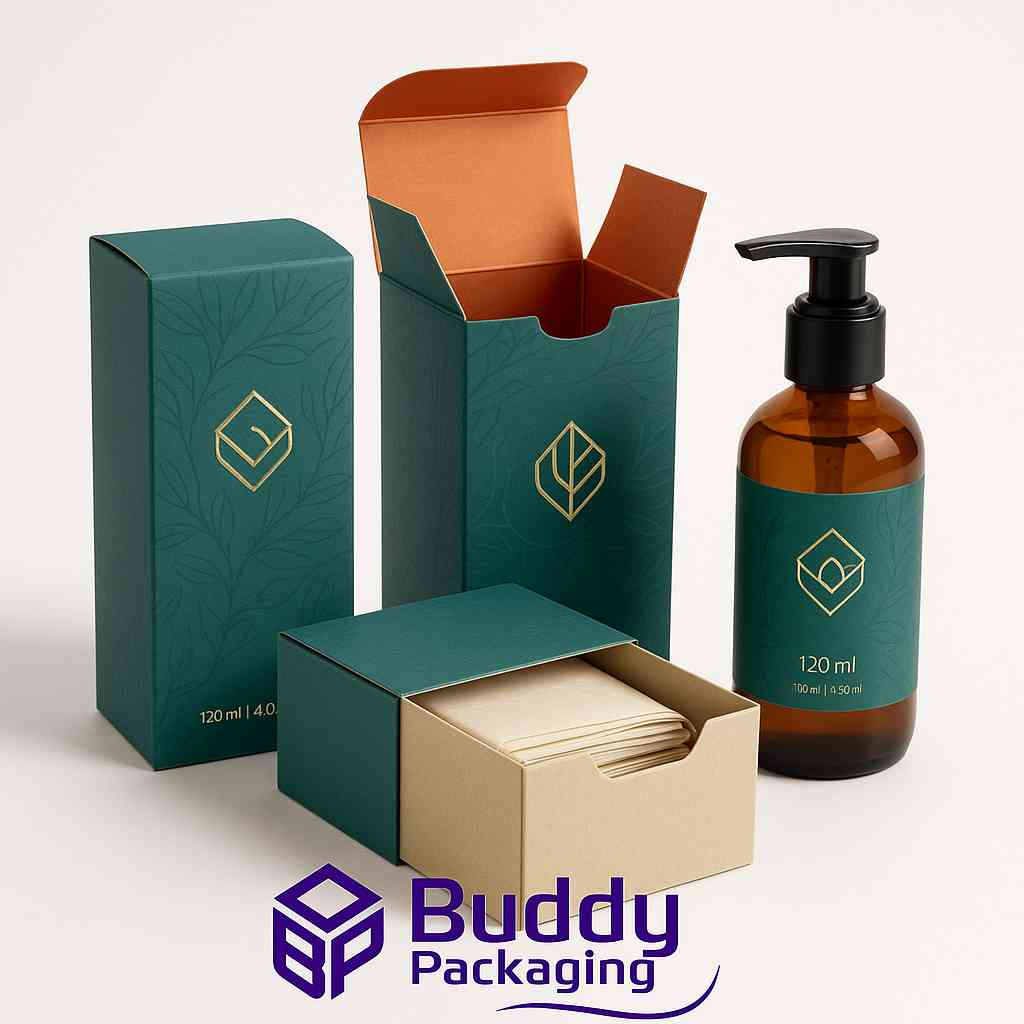
120ml Bottle Boxes
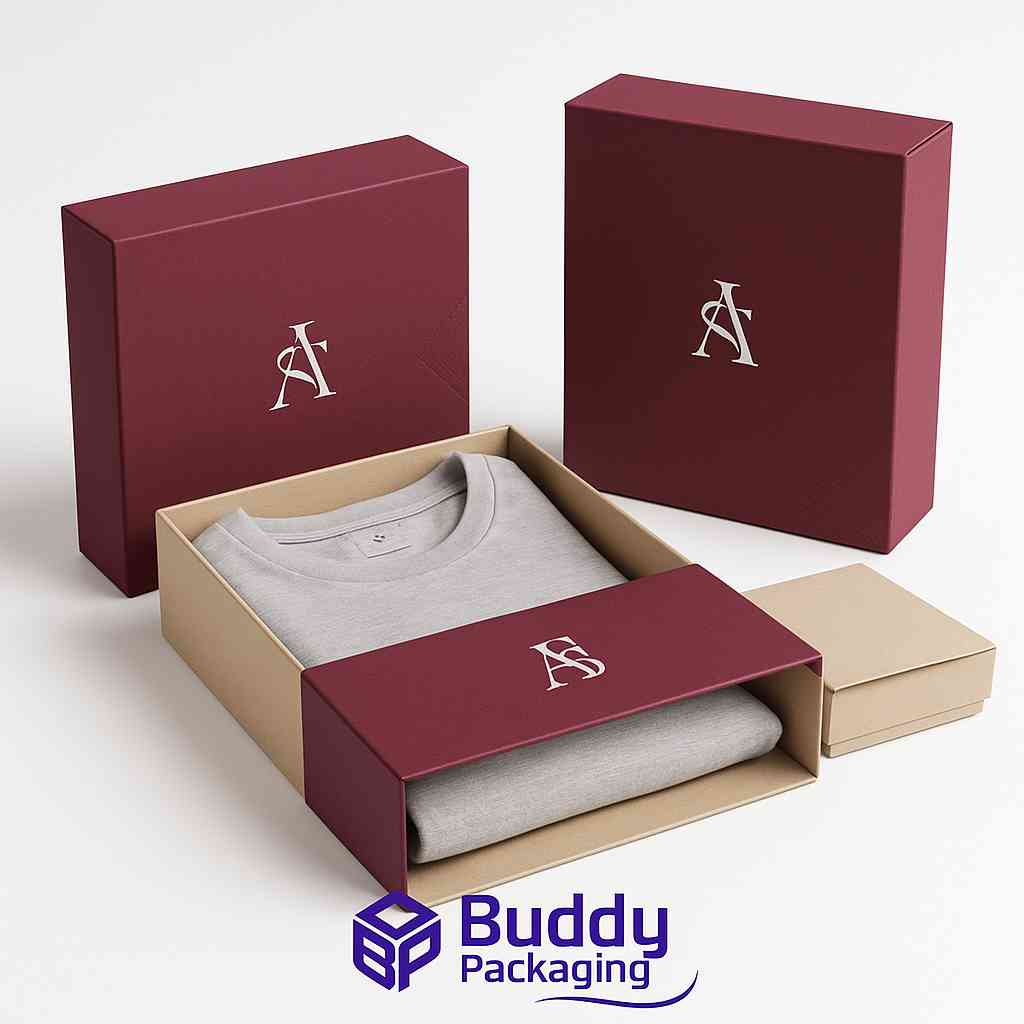
Apparel Sleeve Boxes
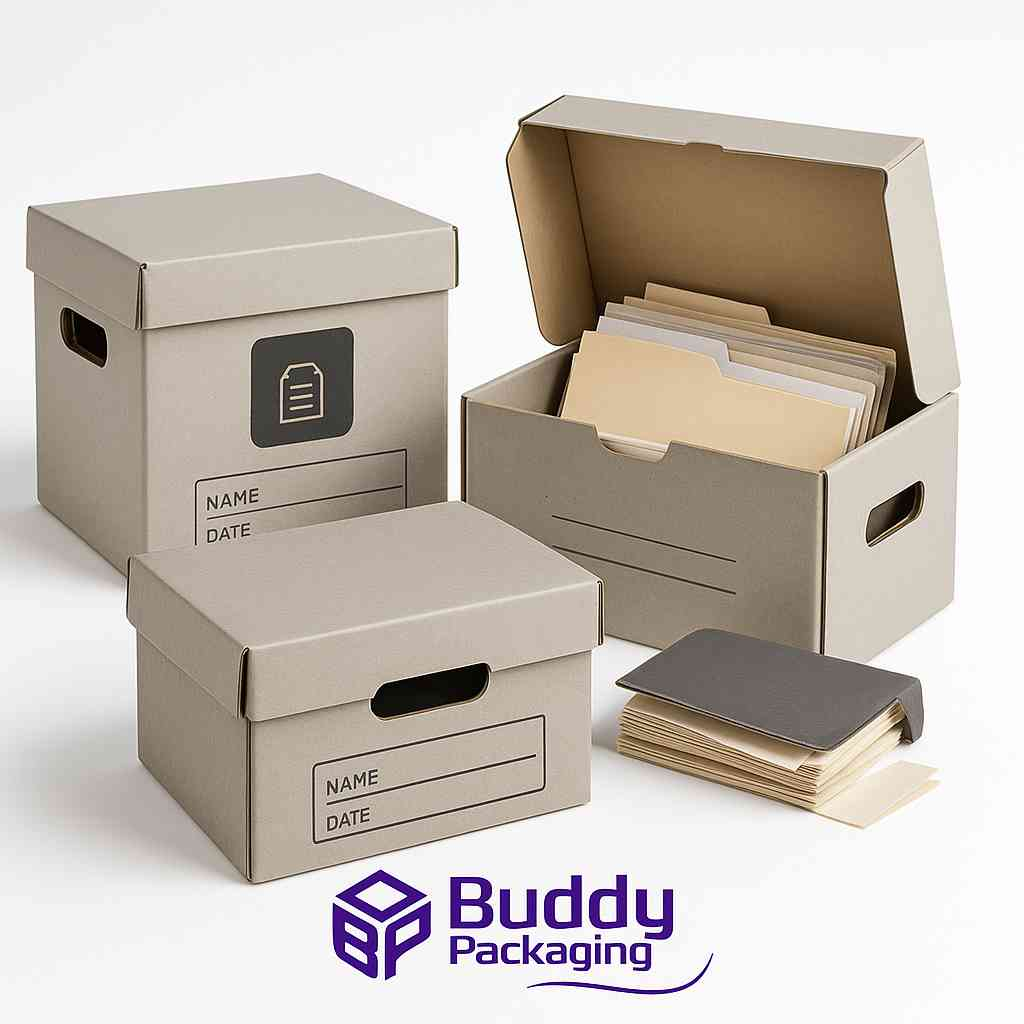
Archive Boxes

buddypackaginguk
Packaging & Print SpecialistTechnical packaging specialist at Buddy Packaging UK, sharing insights on corrugated board packaging, custom dielines, and print production.
View all packaging articles by buddypackaginguk →