Card Packaging Design
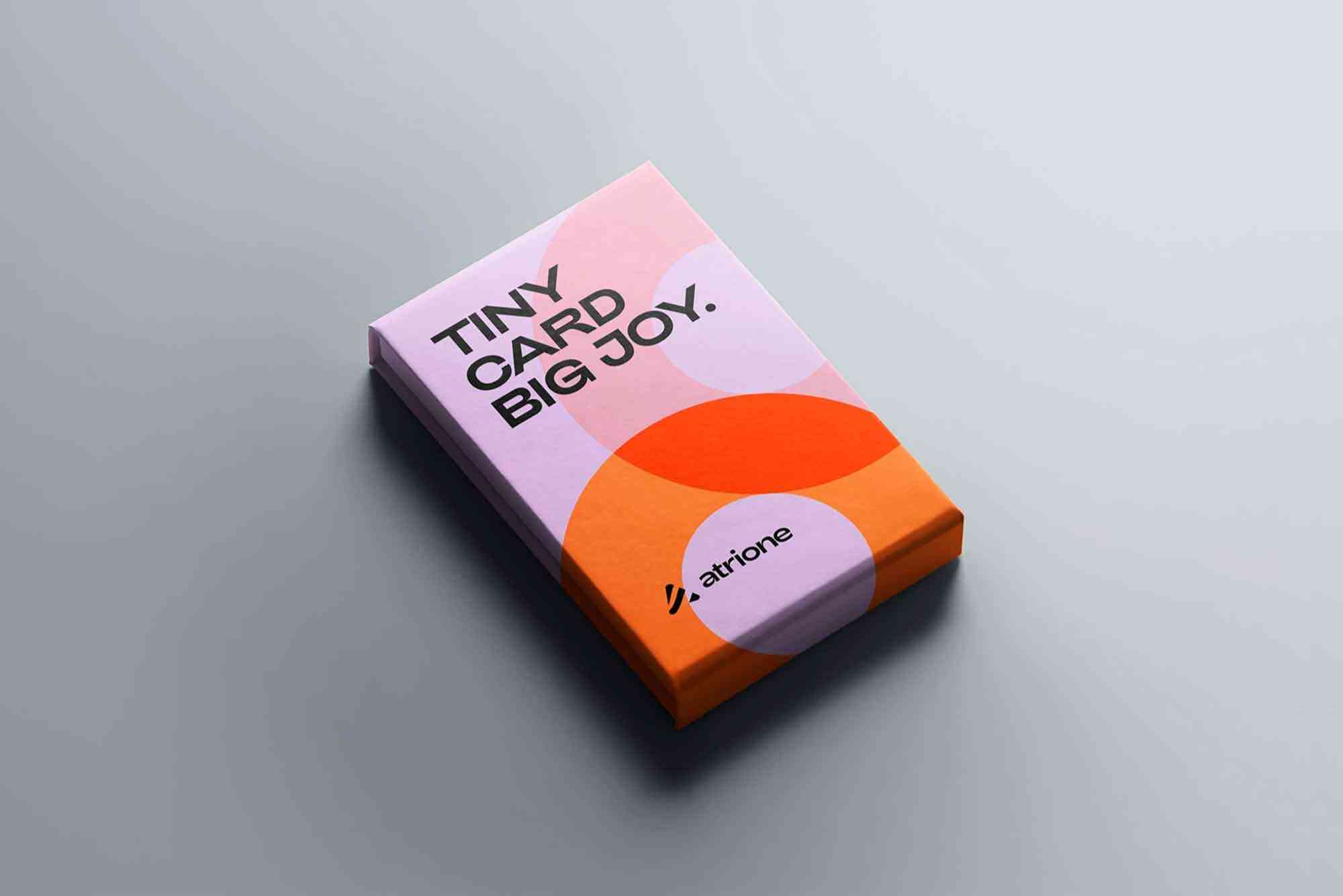
Card Packaging Design: The Ultimate Guide to Creating Memorable Brand Experiences
In today’s highly competitive retail and eCommerce landscape, card packaging design plays a critical role in how customers perceive a product and the brand behind it. Packaging is often the first physical interaction a consumer has with a product, making it a powerful marketing tool that influences purchasing decisions and brand loyalty.
A well-executed card packaging design does much more than protect a product. It communicates brand values, attracts attention on crowded shelves, enhances the customer experience, and creates a lasting impression. Whether you are launching a new product or refreshing your existing packaging, understanding the principles of effective card packaging design can help your business stand out.
Why Card Packaging Design Matters
The importance of card packaging design extends beyond aesthetics. Consumers often form opinions about a product within seconds of seeing its packaging. Attractive, professional, and functional packaging can significantly improve product perception and increase sales.
A thoughtfully designed package helps establish trust and credibility. It conveys quality, professionalism, and attention to detail. When customers receive a product packaged beautifully, they are more likely to associate those positive feelings with the brand itself.
Modern brands increasingly recognize packaging as an extension of their marketing strategy. Every colour, texture, typography choice, and structural element contributes to the overall brand experience.
The Evolution of Card Packaging Design
Card packaging design has evolved dramatically over the years. Traditional cardboard packaging focused primarily on protection and transportation. Today, packaging has become a sophisticated branding medium that combines visual appeal, sustainability, and functionality.

Digital printing technologies have enabled brands to create highly customised packaging solutions. Companies can now personalise packaging for specific customer segments, seasonal campaigns, and limited-edition releases. This flexibility allows businesses to build stronger emotional connections with their audiences.
Sustainability has also become a major driver of innovation in card packaging design. Consumers increasingly prefer environmentally responsible packaging solutions, encouraging brands to adopt recyclable and biodegradable materials.
Key Elements of Effective Card Packaging Design
Visual Identity and Branding
Successful card packaging design begins with a strong visual identity. The packaging should immediately communicate the brand’s personality and values. Consistent use of logos, colours, typography, and imagery helps create brand recognition.
Luxury brands often utilize minimalist designs, premium finishes, and sophisticated colour palettes. In contrast, playful consumer brands may use bold colours and vibrant graphics to attract attention.
The goal is to create packaging that aligns perfectly with the target audience’s expectations while remaining distinctive in the marketplace.
Material Selection
The choice of materials significantly influences both the appearance and functionality of card packaging design. Different types of cardstock and cardboard offer varying levels of durability, texture, and print quality.
Premium materials can enhance perceived product value, while lightweight options may reduce shipping costs. Brands must balance aesthetics, protection, sustainability, and budget when selecting packaging materials.
Structural Design
The structure of the package is just as important as its graphics. Innovative structural elements can create memorable unboxing experiences while ensuring product safety.
Modern card packaging design often incorporates custom folds, inserts, compartments, and display features. These design elements improve usability and create opportunities for storytelling through packaging.
Typography and Messaging
Typography serves both functional and aesthetic purposes in card packaging design. Clear, readable text ensures customers can easily understand product information, while carefully selected fonts reinforce brand identity.
Product descriptions, usage instructions, and marketing messages should be concise and engaging. Every word printed on the packaging should provide value to the consumer.
The Role of Sustainability in Card Packaging Design
Sustainability is no longer optional for many brands. Consumers increasingly evaluate companies based on their environmental practices, making eco-friendly card packaging design a competitive advantage.
Recyclable cardboard, responsibly sourced paper materials, soy-based inks, and reduced packaging waste are becoming industry standards. Brands that communicate their sustainability efforts through packaging often strengthen customer trust and loyalty.
Sustainable packaging can also reduce operational costs by minimizing material usage and improving supply chain efficiency.
How Card Packaging Design Influences Consumer Behavior
Research consistently demonstrates that packaging impacts purchasing decisions. Attractive card packaging design can capture attention, evoke emotions, and encourage impulse purchases.
Colour psychology plays a significant role in consumer perception. Different colours communicate different emotions and brand characteristics. For example, blue often conveys trust and reliability, while green is associated with sustainability and health.
The tactile experience also matters. Premium textures, embossing, and specialty finishes create a sense of quality that enhances the customer’s perception of the product inside.
Custom Packaging Solutions for Modern Brands
As competition increases, businesses are investing in customised packaging solutions to differentiate themselves. Tailored card packaging design allows brands to create unique customer experiences that generic packaging cannot achieve.
Businesses looking for high-quality Custom Packaging solutions can benefit from personalised designs that reflect their brand identity while meeting practical requirements. Customized packaging helps businesses establish a stronger market presence and improve customer retention.
Custom solutions also provide opportunities for storytelling, enabling brands to communicate their mission, values, and product benefits directly through packaging.
Current Trends in Card Packaging Design
Minimalist Design
Minimalism continues to dominate modern card packaging design. Clean layouts, ample white space, and simplified branding create a premium and sophisticated appearance.
Consumers often perceive minimalist packaging as more authentic and trustworthy. This design approach allows products to stand out without overwhelming customers with excessive visual information.
Interactive Packaging
Interactive packaging creates deeper engagement between brands and consumers. QR codes, augmented reality experiences, and personalised messages are increasingly integrated into packaging designs.
These features transform packaging into a digital touchpoint, extending the customer journey beyond the initial purchase.
Premium Finishes
Special finishes such as foil stamping, spot UV coating, embossing, and debossing remain popular in high-end card packaging design. These enhancements add visual interest and tactile appeal, making products feel more luxurious.
Brands seeking advanced production techniques can explore industry resources and professional print & finishing insights to stay updated on emerging technologies and best practices.
Designing for the Unboxing Experience
The rise of social media has elevated the importance of the unboxing experience. Consumers frequently share product packaging online, creating valuable organic marketing opportunities.
A memorable card packaging design encourages customers to engage with the brand and share their experiences with others. Strategic use of inserts, personalised notes, and thoughtful presentation can significantly enhance customer satisfaction.
The unboxing experience should feel intentional, reflecting the brand’s attention to detail and commitment to quality.
Common Mistakes to Avoid in Card Packaging Design
Many businesses focus exclusively on visual appeal while overlooking functionality. Packaging must be practical, durable, and user-friendly.
Overcomplicated designs can confuse consumers and dilute brand messaging. Similarly, inconsistent branding across packaging elements can weaken brand recognition.
Ignoring sustainability concerns may also negatively impact customer perception. Modern consumers expect brands to demonstrate environmental responsibility whenever possible.
Another common mistake is failing to test packaging before production. Real-world testing helps identify structural weaknesses, usability issues, and printing inconsistencies before products reach customers.
Measuring the Success of Card Packaging Design
Effective card packaging design should support measurable business objectives. Brands can evaluate packaging performance through customer feedback, sales data, repeat purchase rates, and social media engagement.
Monitoring these metrics provides valuable insights into how packaging influences consumer behavior. Continuous improvement ensures packaging remains relevant and effective as market conditions evolve.
Companies that regularly review and refine their packaging strategies often achieve stronger customer loyalty and improved brand perception.
Finding the Right Packaging Partner
Choosing the right packaging supplier is crucial for achieving high-quality results. Experienced packaging professionals can provide valuable guidance on materials, printing techniques, structural engineering, and sustainability initiatives.
Businesses seeking professional packaging expertise can explore the Buddy Packaging Location to connect with packaging specialists and discuss customised solutions tailored to their specific requirements.
Card packaging design has evolved into a powerful strategic asset that influences customer perceptions, purchasing decisions, and long-term brand loyalty. By combining strong visual branding, functional structures, sustainable materials, and memorable customer experiences, businesses can create packaging that stands out in an increasingly crowded marketplace.
FAQs
What is card packaging design?
Card packaging design refers to the process of creating packaging made from cardboard or cardstock materials that protects products while enhancing brand identity, functionality, and customer experience.
Why is card packaging design important for branding?
Card packaging design helps create strong first impressions, improves brand recognition, communicates product value, and influences purchasing decisions.
What materials are commonly used in card packaging design?
Common materials include corrugated cardboard, folding cartons, kraft paperboard, coated paperboard, and recyclable cardstock options.
How can sustainable card packaging design benefit businesses?
Sustainable packaging can improve brand reputation, attract environmentally conscious consumers, reduce waste, and support corporate social responsibility goals.
What are the latest trends in card packaging design?
Current trends include minimalist aesthetics, eco-friendly materials, premium finishing techniques, interactive packaging experiences, and personalised packaging solutions.
How much does custom card packaging design cost?
The cost varies depending on materials, printing methods, structural complexity, finishes, and production quantities. Custom solutions can be tailored to fit different budgets.
How can I improve my existing card packaging design?
Evaluate your branding consistency, material quality, functionality, sustainability practices, and customer feedback. Working with experienced packaging professionals can also help identify improvement opportunities.
Related Reading: Cleaning Product Packaging Design — full guide
Related Reading: Caviar Packaging Design — full guide
Related Reading: Art Deco Packaging Design — full guide
Related Reading: Cigarette Packaging Design — full guide
Related Reading: Clever Packaging Design — full guide
Related Reading: Drug Packaging Design — full guide
Related Reading: Abstract Packaging Design — full guide
Related Reading: Dove Packaging Design — full guide
Related Reading: How Much Do Packaging Designers Make — full guide
Shop the boxes from this guide
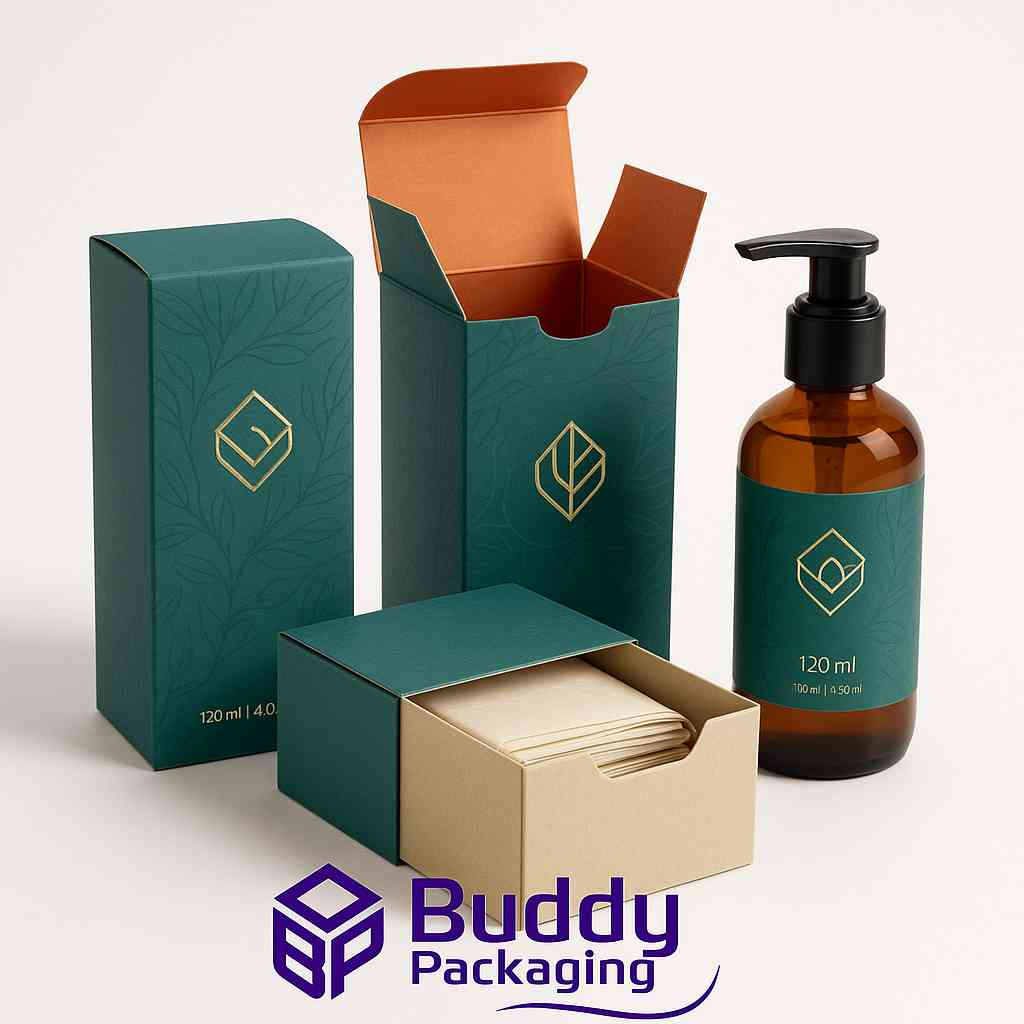
120ml Bottle Boxes
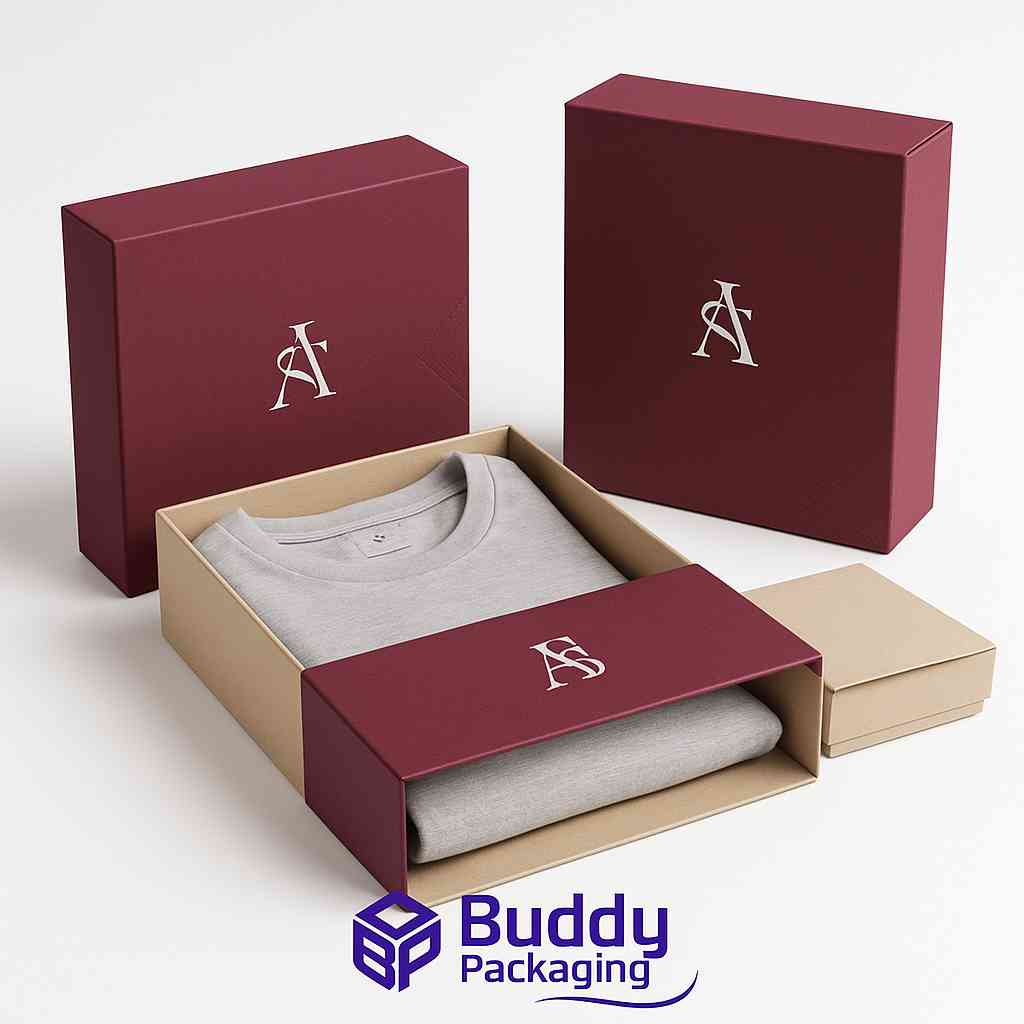
Apparel Sleeve Boxes
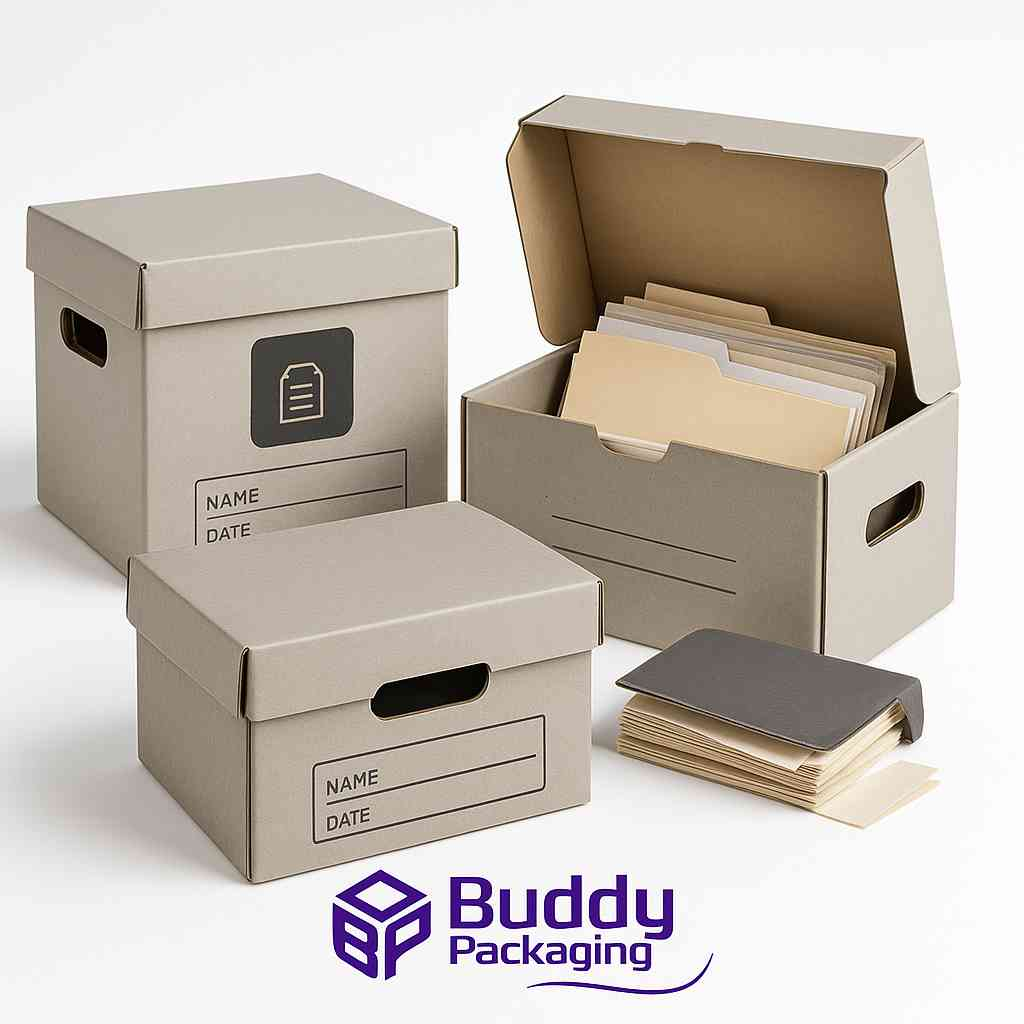
Archive Boxes

buddypackaginguk
Packaging & Print SpecialistTechnical packaging specialist at Buddy Packaging UK, sharing insights on corrugated board packaging, custom dielines, and print production.
View all packaging articles by buddypackaginguk →