dry fruits packaging design
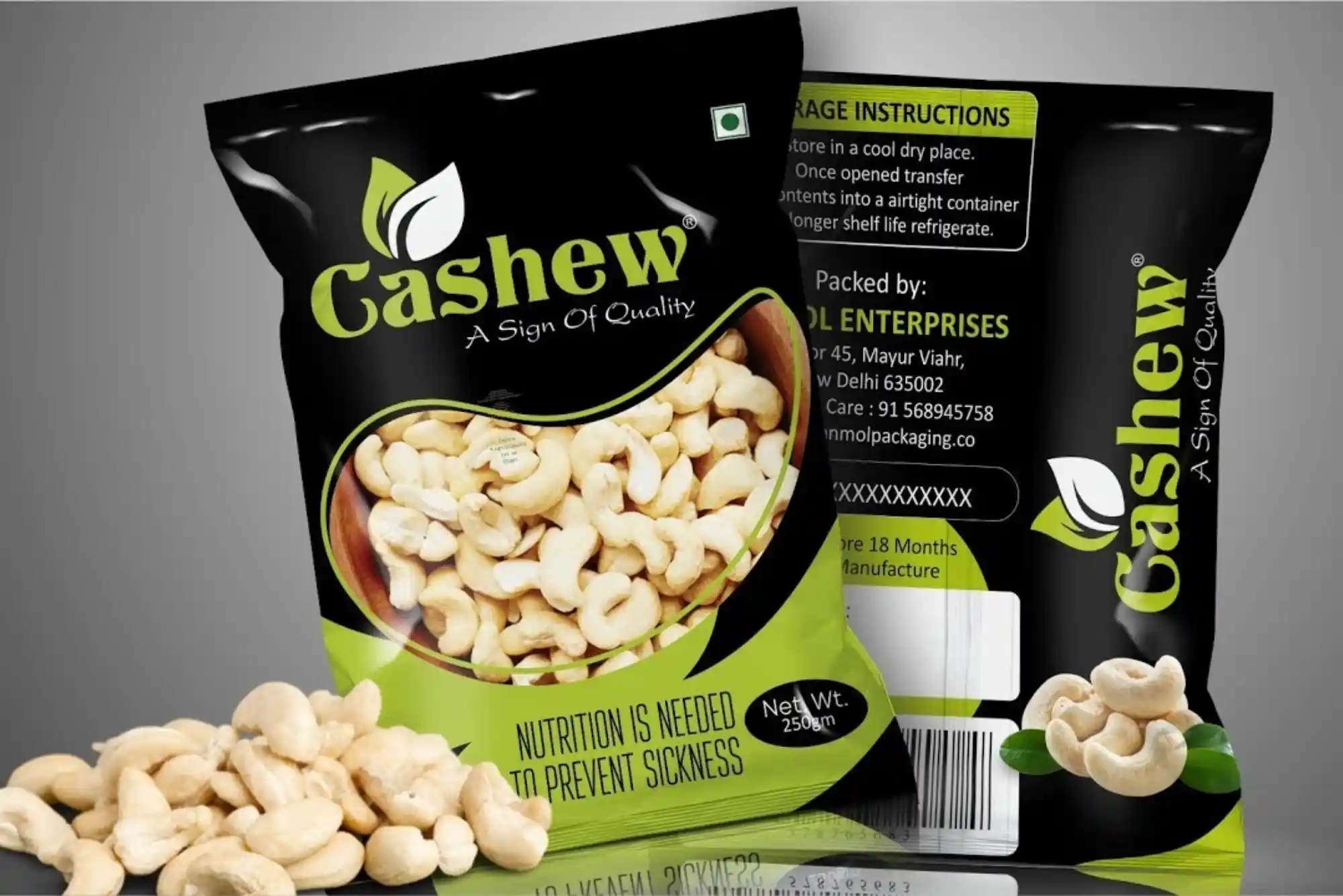
Dry Fruits Packaging Design: A Complete Guide
Dry fruits are often associated with quality, health, gifting, and premium living. Therefore, their packaging needs to communicate these qualities immediately. Good dry fruits packaging design protects the product while creating a strong visual impression.
The right packaging can make almonds, cashews, pistachios, dates, walnuts, and mixed nuts look more appealing. It can also help customers understand the product before they open the pack. For brands, packaging provides an opportunity to build recognition and encourage repeat purchases.
However, attractive packaging alone is not enough. A successful design must balance appearance, protection, convenience, sustainability, and printing quality. It should also suit the product, target audience, and selling environment.
This guide explains the important elements of effective dry fruits packaging. It also explores materials, colours, finishes, formats, branding, and practical design considerations.
Why Dry Fruits Packaging Design Matters
Packaging is often the first physical interaction customers have with a food brand. Before tasting the product, customers notice its container, colours, typography, and overall presentation.
A professional dry fruits packaging design can make a product appear more trustworthy. It can also communicate whether the product is affordable, premium, traditional, organic, or gift-focused.
Packaging also has an important functional purpose. Dry fruits can lose quality when exposed to moisture, oxygen, light, or unsuitable storage conditions. The packaging therefore needs to provide appropriate protection.
A thoughtful design brings visual and practical considerations together. It creates packaging that looks appealing while supporting product quality.
Key Elements of Dry Fruits Packaging Design
Brand Identity
Brand identity should be visible without overwhelming the product information. A consistent logo, colour palette, typography, and visual style help customers recognise the brand.
For example, a premium nut brand may use restrained colours and elegant typography. A family-oriented brand may prefer brighter colours and friendly graphics.
Consistency is especially important when a company sells several varieties. Each product can have its own colour while maintaining the same overall brand structure.
Colour Selection
Colour strongly influences packaging perception. Rich greens can suggest natural ingredients, while gold and deep brown can create a premium appearance.
However, colours should reflect the brand rather than follow trends blindly. The design should remain recognisable across different products and packaging sizes.
Contrast is also important. Product names and essential information must remain easy to read. Decorative colours should never reduce readability.
Typography
Typography gives packaging its personality. Elegant fonts can support a premium product, while simple sans-serif fonts can create a contemporary appearance.
The product name should have strong visual prominence. Supporting information should use clear type that customers can read quickly.
Avoid using too many font styles. A focused typographic system usually looks more professional and organised.
Choosing the Right Packaging Material
Material selection is a major part of dry fruits packaging design. Different materials offer different levels of protection, durability, convenience, and visual appeal.
Pouches are popular because they are lightweight and flexible. They can also provide an excellent printing surface for branding.
Rigid boxes can create a more premium presentation. They are particularly suitable for gift collections and festive products.
Jars can showcase the product while creating a reusable experience. However, they may require more storage space and can increase transportation weight.
Tins can provide a distinctive appearance and strong protection. They can also encourage customers to reuse the container after finishing the product.
The right choice depends on the product, distribution method, shelf life, budget, and target customer.
Packaging Format and Customer Convenience
Packaging should be easy to open, store, and handle. Customers increasingly expect food packaging to fit naturally into their daily routines.
Resealable pouches can help customers maintain freshness after opening. Smaller packs can support portion control and travel use.
Larger containers may suit families or regular consumers. Gift boxes can combine several varieties into one premium presentation.
Therefore, packaging format should be selected according to how customers actually use the product.
Premium Dry Fruits Packaging Design
Premium dry fruits require packaging that communicates value before the box is opened. The design should feel refined without becoming unnecessarily complicated.
Matte surfaces can create a sophisticated appearance. Foil details can highlight logos or product names. Embossing can add physical texture and make selected elements stand out.
A premium design often benefits from visual restraint. Too many decorative elements can make packaging appear crowded.
Instead, focus attention on the brand, product name, quality message, and carefully selected visual details.
Sustainable Dry Fruits Packaging Design
Sustainability has become increasingly important in packaging decisions. Customers are paying greater attention to material choices and packaging waste.
Brands can explore recyclable materials, responsibly sourced paperboard, lightweight structures, and reusable containers where appropriate.
However, sustainability claims should be accurate and specific. Packaging should not make vague environmental promises that cannot be supported.
Good sustainable design also considers the complete packaging experience. Reducing unnecessary material can improve both environmental performance and transportation efficiency.
The Role of Printing and Finishing
Printing quality can significantly influence the final appearance of packaging. Colours need to reproduce consistently across different production batches.
Finishing techniques can further improve the visual and tactile experience. Options may include matt or gloss coatings, embossing, debossing, spot finishes, and metallic effects.
The best approach depends on the packaging material and brand positioning. Not every product needs an elaborate finish.
Before production, brands should review colour accuracy, typography, artwork resolution, barcode placement, and required regulatory information.
For businesses developing packaging concepts, understanding practical production considerations is just as important as creating attractive artwork. Exploring print & finishing insights can help designers make more informed production decisions.
Information Customers Expect on Dry Fruits Packaging
Packaging must communicate useful product information clearly. Customers commonly look for the product name, ingredients, net quantity, storage guidance, dates, and relevant nutritional information.
All required food labelling information should follow the regulations applicable to the market where the product is sold.
Information hierarchy matters as well. Customers should not have to search through decorative elements to find important details.
The front panel can focus on the brand and product identity. Additional information can be arranged neatly on other panels.
Designing Packaging for Different Audiences
Different customers respond to different visual approaches. Therefore, a single packaging style may not work equally well for every market.
Everyday Consumers
Everyday products benefit from clear communication and practical formats. Customers should quickly understand what they are buying and why it suits their needs.
Premium Buyers
Premium buyers may respond to refined typography, sophisticated materials, and restrained visual design. The packaging should support the product’s perceived value.
Gift Buyers
Gift packaging needs stronger visual impact. Rigid boxes, compartments, sleeves, and coordinated product collections can create a memorable presentation.
Health-Conscious Customers
Health-focused packaging often benefits from clean layouts and transparent communication. Natural imagery can work well when it accurately represents the product.
Common Mistakes in Dry Fruits Packaging Design
A common mistake is overcrowding the front of the package. Too many messages compete for attention and weaken the main product identity.
Another issue is poor contrast. Attractive colours become ineffective when essential text is difficult to read.
Some brands also prioritise appearance over protection. A beautiful package cannot compensate for poor product preservation.
Inconsistent branding can create another problem. When every product uses a completely different visual style, customers may struggle to recognise the brand.
Finally, packaging should be tested before large-scale production. A design that looks excellent on screen may behave differently when printed or manufactured.
How to Create an Effective Packaging Concept
The process should begin with a clear understanding of the product and customer. Consider the product variety, quantity, selling channel, price positioning, and storage requirements.
Next, establish the brand direction. Decide how customers should perceive the product and develop colours, typography, imagery, and graphic elements around that idea.
Then create packaging artwork that balances branding with practical information. Review the design at actual size rather than relying only on a computer screen.
Finally, produce physical samples before committing to a large production run. Sampling can reveal problems with colour, size, readability, structure, and finishing.
Businesses can also explore Custom Packaging solutions when standard formats do not provide the required presentation or protection.
Dry Fruits Packaging Design Comparison
| Packaging Format | Visual Appeal | Protection | Best Use |
|---|---|---|---|
| Stand-up pouch | High | High | Everyday retail |
| Rigid box | Very high | High | Premium gifting |
| Glass jar | High | High | Premium retail |
| Metal tin | High | Very high | Gifting and storage |
| Paperboard carton | High | Moderate | Product collections |
The table shows why there is no universal packaging solution. Each format provides different advantages.
The final choice should consider product protection, customer expectations, transportation, storage, sustainability, and production costs.
How Packaging Can Strengthen Brand Recognition
Effective packaging creates visual consistency across a product range. Customers should recognise the brand even when the product variety changes.
For example, a company can maintain the same logo placement and typography across its range. Different colours can then distinguish almonds, cashews, pistachios, dates, and mixed nuts.
This approach creates a flexible visual system. It allows new products to be introduced without rebuilding the entire brand identity.
Packaging can therefore become a long-term branding asset rather than simply a protective container.
What Makes Good Dry Fruits Packaging Design?
Good dry fruits packaging design combines attractive branding with reliable functionality. It should protect the product and communicate useful information.
It should also match the expectations of its target market. Premium packaging needs a different visual language from economical everyday packaging.
Most importantly, the design should be practical to manufacture. Artwork, materials, dimensions, finishes, and closures all need to work together.
When these elements are considered from the beginning, packaging becomes more effective and commercially useful.
buddypackaging.co.uk provides practical packaging solutions for businesses across the UK. From sturdy cardboard boxes to custom packaging options, its products help protect goods while creating a professional presentation. With flexible choices for different products, sizes and business needs, Buddy Packaging makes it easier to find reliable packaging that suits both everyday shipping and specialist requirements.
Frequently Asked Questions
What is the best packaging for dry fruits?
The best packaging depends on the product, storage requirements, selling environment, and target customer. Resealable pouches, jars, tins, and rigid boxes can all be suitable.
The packaging should provide appropriate protection from moisture, oxygen, light, and contamination while remaining convenient for customers.
How do you design packaging for dry fruits?
Start by understanding the product and target audience. Then develop the brand identity, choose an appropriate structure, select materials, and create the artwork.
Afterwards, check readability and required product information. Physical samples should also be reviewed before mass production.
What packaging material is best for dry fruits?
There is no single material that suits every dry fruit product. Flexible pouches can provide lightweight convenience, while tins and jars can offer strong protection and premium presentation.
Material selection should consider product requirements, shelf life, transportation, sustainability, and budget.
How can dry fruits packaging look premium?
Premium packaging often uses refined typography, restrained layouts, quality materials, and carefully selected finishing effects.
Matte coatings, metallic details, embossing, and rigid structures can enhance the experience when used appropriately.
Is sustainable packaging suitable for dry fruits?
Yes, sustainable options can be suitable when they provide the required product protection. Recyclable, lightweight, responsibly sourced, and reusable solutions can all be considered.
However, environmental claims should accurately reflect the material and disposal process.
Conclusion
Effective dry fruits packaging design brings branding, protection, convenience, and presentation together. It helps customers recognise the product and understand its value before purchase.
A successful package is not simply attractive. It is functional, readable, practical, and appropriate for its target market.
Brands should therefore consider materials, structure, printing, finishing, sustainability, and customer expectations from the earliest design stage. Testing physical samples can further reduce production problems.
If you are developing a new dry fruits range or refreshing an existing product, now is the right time to review your packaging strategy. Explore the Buddy Packaging Location options available to your business and start developing packaging that gives your dry fruits a stronger shelf presence and a more memorable customer experience.