Aldi Packaging Design
Introduction
In today’s highly competitive retail environment, packaging does far more than simply protect a product. It tells a brand story, influences purchasing decisions, and builds customer trust. When discussing successful supermarket branding, aldi packaging design is often recognized as a practical and highly effective example of how strategic packaging can influence consumer behavior.
Aldi has built a reputation worldwide for offering quality products at affordable prices. While pricing and supply chain efficiency contribute to this success, another major factor often overlooked is its packaging strategy. The thoughtful execution of aldi packaging design helps communicate value, simplicity, and trust—qualities that resonate strongly with modern consumers.
Businesses looking to improve their retail packaging can learn a lot from Aldi’s approach. Whether you are launching a private label brand or upgrading your current product presentation, understanding the design philosophy behind Aldi can provide practical direction.
If you are exploring Custom Packaging, that same customer-focused design thinking can transform your product presentation and increase brand recognition.
What Makes Aldi Packaging Design So Effective?
The success of aldi packaging design lies in its ability to balance visual appeal, cost efficiency, and consumer psychology. Aldi does not rely on overly complex graphics or expensive materials. Instead, the brand focuses on clarity, functionality, and consistency.
Simplicity Creates Strong Recognition
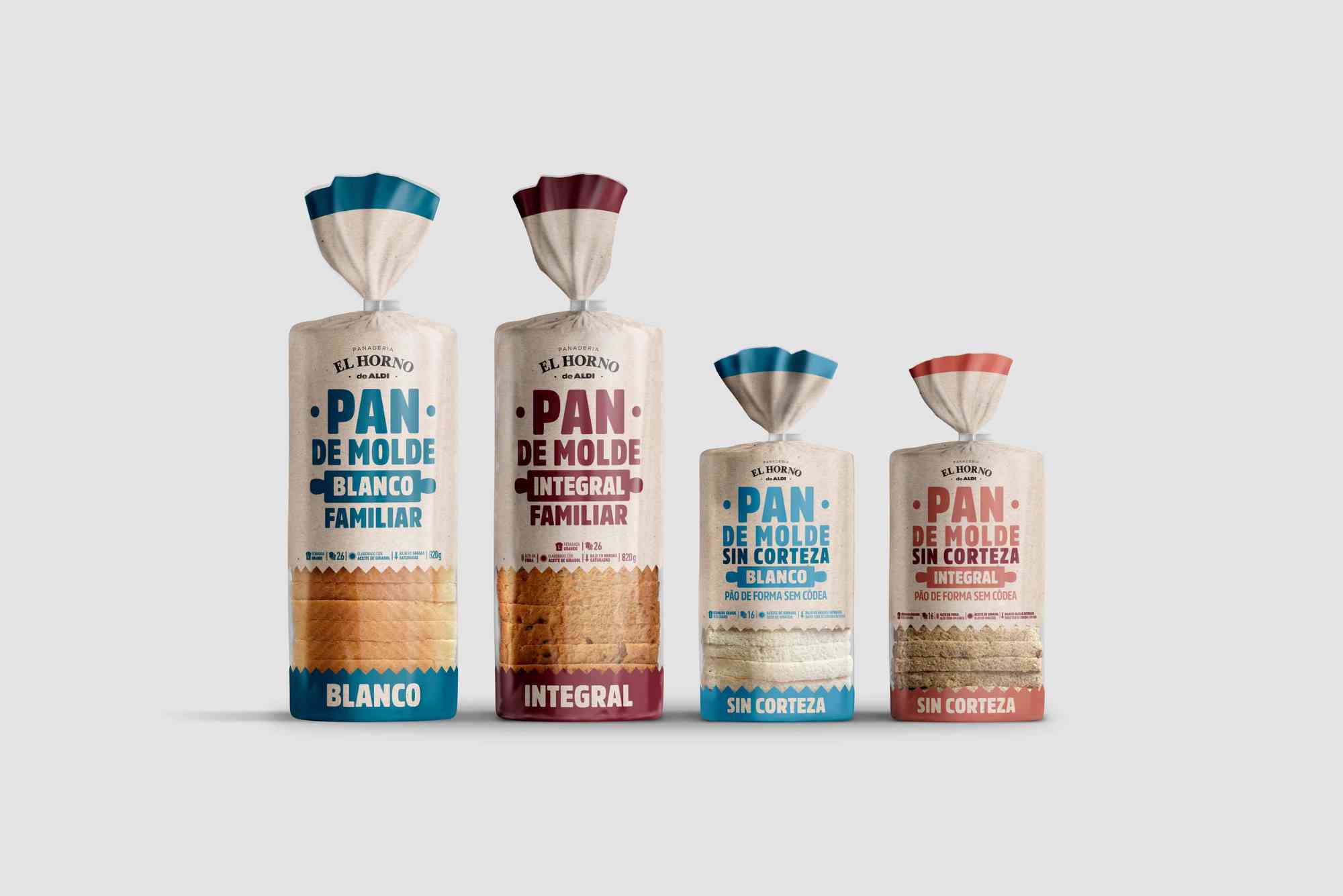
One of the most noticeable elements in aldi packaging design is simplicity. Clean typography, easy-to-read labels, and straightforward colour schemes allow shoppers to quickly identify products.

This design principle serves two important purposes:
First, it reduces visual confusion in crowded retail environments.
Second, it builds brand recognition across multiple product categories.
A customer shopping for cereal, snacks, dairy, or frozen foods can easily recognize Aldi products because the packaging maintains visual consistency.
Colour Psychology in Aldi Packaging Design
Colour plays a major role in aldi packaging design. Aldi uses strategic colours that align with product categories and emotional triggers.
For example:
Fresh and organic products often feature greens and earth tones.
Budget-friendly family products may use bright, energetic colours.
Premium product lines often incorporate darker shades with metallic accents.
This helps consumers make quick emotional and practical buying decisions.
Typography That Builds Trust
Typography is another key element in aldi packaging design. Aldi typically uses bold, clear fonts that emphasize readability.
Consumers often make split-second decisions while shopping. If product information is difficult to read, trust can decrease. Aldi avoids this problem by ensuring that essential product details remain clear and visible.
The Role of Consumer Psychology in Aldi Packaging Design
Packaging is not only visual—it’s psychological. Aldi understands that customers often associate packaging quality with product quality.
Value Perception
Aldi’s packaging communicates affordability without appearing cheap. This is one of the strongest aspects of aldi packaging design.
The packaging materials, colours, and layouts suggest smart spending rather than low quality. This positioning is essential because consumers want budget products that still feel reliable.
Decision-Making on Shelves
Retail shelves are crowded environments. Packaging has only seconds to make an impression.
Aldi packaging supports fast decision-making by offering:
Clear product names
Simple ingredient communication
Strong product imagery
Consistent brand layouts
This reduces shopping friction and improves conversion rates.
How Aldi Packaging Design Supports Private Label Success
Private label products have become a major growth area in retail, and aldi packaging design plays a huge role in this success.
Unlike traditional brands that depend heavily on advertising, Aldi often relies on packaging itself to sell products.
Building Product Identity
Each product category maintains its own identity while still fitting within Aldi’s larger branding system.
This allows:
Easy product discovery
Stronger shelf impact
Improved customer recall
When customers recognize a product’s packaging and have a positive experience, repeat purchases become more likely.
Premium Product Presentation
Aldi’s premium product ranges demonstrate how packaging can influence perceived value.
By using elegant fonts, minimalist layouts, and premium colour palettes, Aldi creates a high-end feel—even at competitive price points.
This is a powerful lesson for businesses developing private label brands.
Sustainability in Aldi Packaging Design
Modern consumers increasingly care about environmental responsibility. Aldi has adapted by integrating sustainability into its packaging strategy.
Reduced Material Usage
A key strength of aldi packaging design is efficient material use.
Aldi often reduces unnecessary packaging layers, which helps:
Lower production costs
Reduce environmental impact
Appeal to eco-conscious shoppers
Recyclable Packaging Choices
Many Aldi products now feature recyclable materials and clear disposal instructions.
This transparency builds consumer trust and aligns with global sustainability expectations.
Brands seeking inspiration can benefit from studying modern packaging design tips that combine sustainability with visual appeal.
How Aldi Packaging Design Influences Brand Loyalty
Packaging often determines whether a customer buys once or returns repeatedly.
Creating Familiarity
Consistent packaging creates familiarity. When shoppers recognize a design system they trust, they are more likely to repurchase.
Aldi maintains consistency across multiple product lines, reinforcing customer confidence.
Supporting Emotional Connection
Even budget-conscious shoppers make emotional buying decisions.
Aldi packaging often uses lifestyle imagery, quality cues, and premium finishes to create emotional engagement.
This transforms simple grocery items into trusted household choices.
Key Lessons Businesses Can Learn from Aldi Packaging Design
Businesses across industries can apply the principles behind aldi packaging design.
Focus on Function First
Good packaging must solve practical problems before becoming visually impressive.
Ask:
Can customers identify the product quickly?
Is the information easy to read?
Does the packaging protect the product effectively?
Aldi consistently prioritizes function.
Design for Real Customers
Packaging should reflect customer expectations, not just design trends.
Aldi understands its audience:
Families
Budget-conscious shoppers
Health-conscious buyers
Premium product seekers
By designing for real customer needs, Aldi strengthens market positioning.
Balance Cost and Branding
Aldi proves that strong packaging does not require excessive spending.
Smart material selection, efficient printing, and strategic visual branding can create impressive results without unnecessary costs.
Businesses exploring professional packaging solutions often benefit from visiting Buddy Packaging Location to understand how packaging production and branding come together.
Future Trends in Aldi Packaging Design
Retail packaging continues evolving, and Aldi is likely to keep adapting.
Smart Packaging
Future aldi packaging design may include:
QR codes for product information
Digital loyalty integration
Supply chain transparency tools
These features can improve customer trust and engagement.
Personalised Product Experiences
As consumer expectations rise, packaging may become more targeted toward specific lifestyle segments.
This could include:
Health-focused packaging
Family-oriented product messaging
Regional product branding
Aldi’s flexible design approach positions it well for these trends.
Why Aldi Packaging Design Matters in Modern Retail
The retail industry changes rapidly, but packaging remains one of the strongest silent sales tools.
Aldi packaging design demonstrates that successful packaging combines:
Visual clarity
Cost efficiency
Consumer psychology
Brand consistency
Sustainability
Whether you run a food business, eCommerce brand, or retail startup, studying Aldi’s packaging strategy can reveal valuable lessons for long-term growth.
The success of aldi packaging design is not accidental. It is the result of understanding customers, controlling costs, building trust, and creating strong visual consistency.
Aldi proves that packaging can influence how customers perceive quality, value, and brand credibility—all within seconds.
FAQs
Why is Aldi packaging design so recognizable?
Aldi packaging is recognizable because it uses consistent colours, typography, and product layouts that help customers identify products quickly.
Does Aldi design its own packaging?
Aldi works closely with design teams, product developers, and packaging specialists to ensure packaging aligns with brand values and customer expectations.
How does Aldi packaging affect customer buying behavior?
Effective aldi packaging design builds trust, communicates value, and makes products easier to identify, which can increase purchase decisions.
Is Aldi packaging environmentally friendly?
Aldi has been improving packaging sustainability by reducing material usage and increasing recyclable packaging options.
Can small businesses learn from Aldi packaging design?
Absolutely. Small businesses can apply Aldi’s principles of simplicity, consistency, and customer-focused branding to improve product presentation and market visibility.
Related Reading: Barbie Packaging Design
Related Reading: Dior Packaging Design — full guide
Related Reading: Basics Of Packaging Design — full guide
Related Reading: Confectionery Packaging Design — full guide
Related Reading: Accessible Packaging Design — full guide
Related Reading: Chanel Packaging Design — full guide
Related Reading: Cooking Oil Packaging Design — full guide
Related Reading: Drunk Elephant Packaging Design — full guide
