drink packaging design template
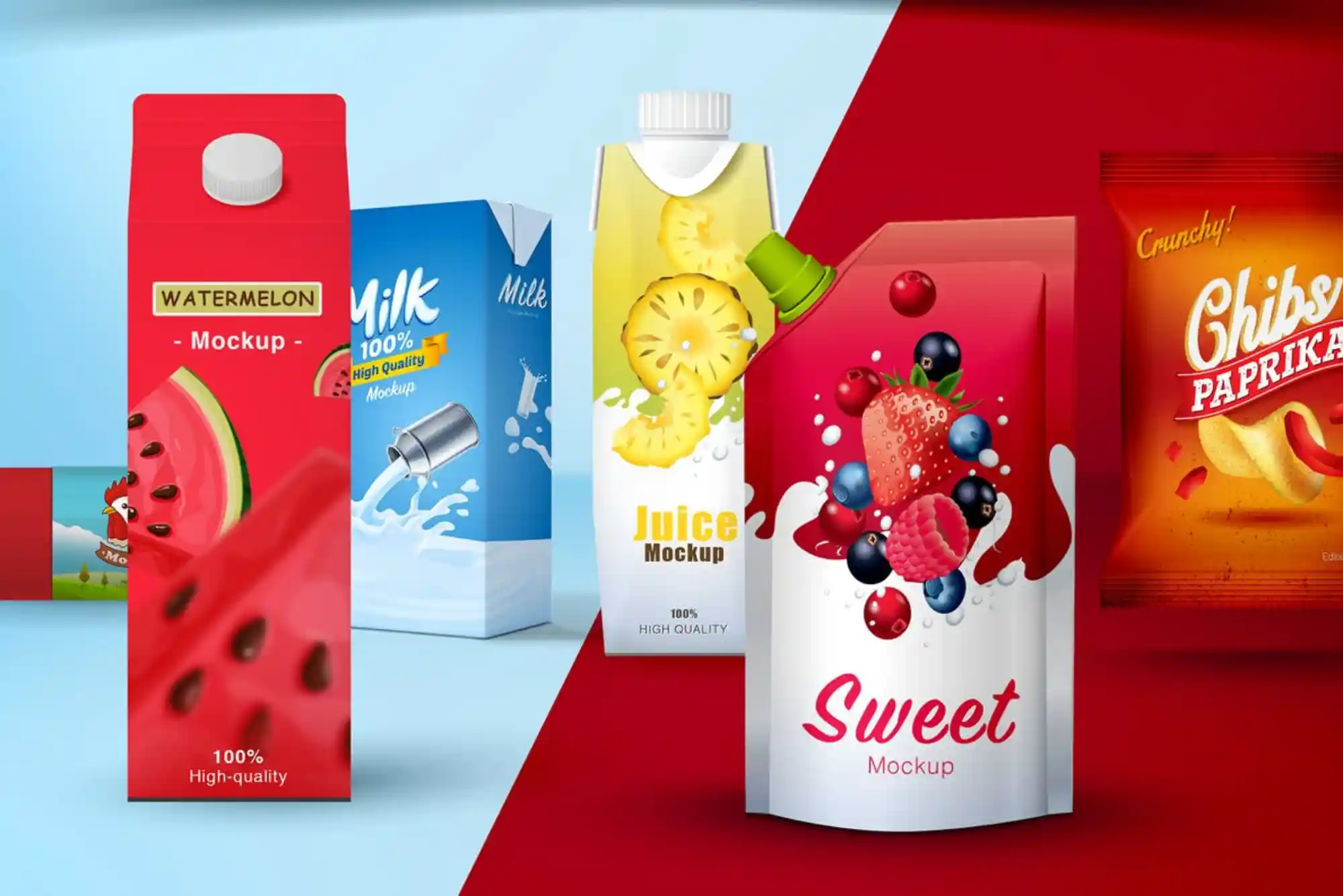
Drink Packaging Design Template: A Complete Guide to Better Packaging
A well-designed drink package does more than protect a beverage. It communicates the brand, attracts attention and influences buying decisions. A practical drink packaging design template helps designers organise these elements before production begins.
Whether you are launching bottled water, juice, energy drinks, soft drinks or premium beverages, packaging needs careful planning. The design must work across different sizes, materials and printing methods. At the same time, it should remain visually consistent with the brand.
A strong template provides a structured foundation for this process. It shows where branding, product information, colours and graphics should appear. Therefore, designers can develop packaging faster while reducing costly production mistakes.
The right approach also makes it easier to create packaging that feels professional and memorable. With thoughtful planning, a drink packaging design template can turn a simple container into an important marketing asset.
What Is a Drink Packaging Design Template?
A drink packaging design template is a prepared layout used to develop beverage packaging. It provides the correct structure for placing visual and written elements on the package.
The template can be created for bottles, cans, cartons, pouches or other beverage containers. It normally considers the package dimensions, printable areas, folds, curves, seams and finishing requirements.
For example, a bottle label template may show the front, back and side areas. A can template may account for the cylindrical surface and printing limitations.
This structure gives designers a reliable starting point. Instead of creating every package from scratch, they can work within established dimensions.
A good template should also leave enough space for essential product information. This may include the product name, ingredients, nutritional information, volume, branding and required packaging information.
Why Is a Drink Packaging Design Template Important?
Packaging design combines creativity with technical accuracy. Even an attractive concept can fail if important information is positioned incorrectly.
A professional drink packaging design template helps solve this problem. It creates a consistent framework for the visual design while supporting practical production requirements.
Consistency is particularly important when a business sells several flavours or product varieties. Each product can have its own colour or graphic treatment while retaining the same overall brand structure.
Templates can also save design time. Once the basic dimensions have been established, designers can adapt the layout for new products more efficiently.
Furthermore, a template can help reduce errors during printing. Designers can see areas that require special attention before artwork reaches production.
This is where thoughtful packaging design tips can make a significant difference. Good design considers appearance, usability and production requirements together.
Key Elements of a Drink Packaging Design Template
The structure of every beverage package will differ. However, several design elements commonly require careful attention.
Brand Identity
The brand should be immediately recognisable. This usually means giving appropriate prominence to the logo, brand name and distinctive visual elements.
Brand colours should remain consistent across packaging. Typography should also support the personality of the product.
A premium drink may use restrained typography and sophisticated visual details. A children’s beverage may use brighter colours and playful graphics.
The template should provide enough space for these elements without making the package feel crowded.
Product Name
The product name should be easy to identify at a glance. Customers often make purchasing decisions quickly, especially in busy retail environments.
Therefore, the product name should have strong visual hierarchy. It should not compete with unnecessary decorative elements.
Product Information
Important information needs a logical position within the packaging layout. This includes ingredients, volume, nutritional information and other relevant details.
The exact requirements vary according to the product and market. Consequently, packaging should be reviewed against the relevant regulations before production.
Colour Selection
Colour has a powerful role in beverage packaging. It can communicate flavour, category and brand personality.
For example, citrus drinks often use energetic colours. Premium beverages may use more restrained combinations.
However, colour should never be selected purely for visual appeal. Designers should consider printing limitations, material characteristics and consistency across different packaging formats.
How to Create an Effective Drink Packaging Design Template
Creating a useful template starts with the physical package rather than the graphics.
First, determine the exact dimensions of the bottle, can, carton or container. Measurements should account for printable areas and any sections that cannot receive artwork.
Next, establish the primary visual zones. The front area usually receives the strongest branding and product messaging.
The sides and back can provide additional information. However, the complete design should still feel like one unified package.
After establishing the structure, select typography and brand colours. These decisions should reflect the product’s audience and positioning.
Graphics can then be introduced into the layout. Images, illustrations and patterns should support the product rather than overwhelm it.
Finally, review the artwork at actual size. A design that looks impressive on a computer screen may appear very different when printed on a curved container.
Choosing the Right Packaging Material
The packaging material affects how a design appears and performs.
Glass can create a premium appearance and offers strong visual clarity. However, it can also be heavier than other options.
Plastic provides flexibility and can support many shapes and label formats. Aluminium cans offer strong printing possibilities and are widely used for soft drinks and energy beverages.
Cartons can provide large printable surfaces. They are particularly useful for products that require substantial product information.
The material should therefore be considered during the template stage. A design created for a flat carton may require significant changes when adapted to a curved bottle.
Drink Packaging Design Template and Brand Consistency
A template becomes particularly valuable when a brand has multiple products.
Suppose a beverage company sells orange, lemon and berry flavours. Each flavour may need a different colour treatment. However, the logo placement, typography and general structure should remain consistent.
This creates a recognisable product family.
Customers can identify the brand quickly because familiar design elements remain visible across the range. At the same time, individual flavours can maintain their own identity.
A consistent drink packaging design template also simplifies future product development. New flavours can follow the established visual system instead of requiring an entirely new design approach.
For businesses developing custom packaging, this approach can make production and brand management more efficient.
How Packaging Design Influences Buying Decisions
Consumers often notice packaging before they understand the product in detail. This makes visual communication especially important in competitive beverage categories.
A clear design can communicate flavour, quality and brand personality within seconds.
However, attractive packaging alone does not guarantee success. The design must also make important information easy to understand.
Hierarchy plays an important role here. The brand, product name and key message should be distinguishable without creating visual confusion.
Whitespace can also improve readability. Giving design elements enough room allows the package to feel more organised.
This is one reason a structured drink packaging design template can be useful. It provides space for creative elements while maintaining a clear information hierarchy.
Common Mistakes in Drink Packaging Design
One common mistake is overcrowding the package. Too many fonts, colours and graphics can make the design difficult to understand.
Another issue is poor contrast. Text must remain readable against the background, particularly when the package will be viewed under different lighting conditions.
Incorrect dimensions can also cause serious production problems. Artwork may shift, wrap incorrectly or extend into unsuitable areas.
Designers should also avoid treating the digital mock-up as the final product. Physical packaging can have curves, reflections, textures and material variations.
For this reason, printed proofs can be valuable before large-scale production.
Drink Packaging Design Template Comparison
| Packaging format | Main design consideration | Typical branding area | Important design challenge |
|---|---|---|---|
| Glass bottle | Label shape and transparency | Front label | Curved surface and reflections |
| Plastic bottle | Flexible label structure | Front and wraparound label | Shape and material distortion |
| Aluminium can | Cylindrical artwork | Full printed surface | Continuous artwork alignment |
| Carton | Large printable panels | Front panel | Panel positioning and folds |
| Beverage pouch | Flexible graphics | Front-facing area | Surface movement and creasing |
The table demonstrates why templates should be created specifically for each packaging format. A single layout rarely works perfectly across every container type.
buddypackaging.co.uk provides practical packaging solutions for businesses across the UK. From sturdy cardboard boxes to custom packaging options, its products help protect goods while creating a professional presentation. With flexible choices for different products, sizes and business needs, Buddy Packaging makes it easier to find reliable packaging that suits both everyday shipping and specialist requirements.
How to Make a Drink Packaging Design Template More Effective
A successful template should balance visual creativity with practical requirements.
Start with the brand’s identity and define the most important visual elements. Then establish a consistent hierarchy for the product name and supporting information.
Keep typography readable at the final package size. Small text can become difficult to read after printing, particularly on curved surfaces.
It is also useful to test different versions before finalising the design. Digital mock-ups can show how the package might look in a retail environment.
Physical samples provide another layer of confidence. They reveal details that may not be obvious on a screen.
Businesses that need professionally produced packaging can also explore Custom Packaging solutions suited to their product dimensions and branding requirements.
How Can a Drink Packaging Design Template Improve Branding?
A template creates consistency across the entire product range. This consistency helps customers recognise related products more easily.
It also gives designers clear rules for using logos, colours, typography and product information.
As a result, future packaging projects can follow the same visual direction. This reduces unnecessary redesign work while supporting a stronger brand identity.
A well-planned template can therefore become part of the company’s broader brand system.
What Makes Good Drink Packaging Design?
Good drink packaging design combines clarity, visual appeal and practical usability.
The package should communicate the product quickly. At the same time, it should represent the brand accurately.
Material, colour, typography and imagery should work together rather than compete for attention.
The design should also be suitable for its production method. Technical accuracy is just as important as creative quality.
Ultimately, successful packaging feels simple to the customer because the design decisions behind it have been carefully considered.
How Do I Choose a Packaging Design?
Choosing a packaging design starts with understanding the product, target customer and sales environment.
Consider where the beverage will be sold and how customers will encounter it. A supermarket shelf requires strong visual recognition, while premium hospitality products may need a more refined presentation.
The container itself should also influence the design. A bottle, can and carton each provide different opportunities.
A practical drink packaging design template can bring these factors together before final artwork is produced.
Final Thoughts on Drink Packaging Design Template
A drink packaging design template provides more than a convenient starting point. It creates a practical framework for developing attractive, consistent and production-ready beverage packaging.
The best templates combine accurate dimensions with thoughtful visual hierarchy. They also consider materials, printing processes, branding and customer expectations.
Whether you are developing a new drink or refreshing an existing product, planning the packaging carefully can improve the final result.
Professional packaging should look appealing while communicating essential information clearly. It should also remain consistent across different products and formats.
For businesses looking to strengthen their packaging strategy, reviewing professional packaging design tips can help refine the creative process. You can also consider the Buddy Packaging Location when exploring suitable packaging support and production options.
Start with a clear template, test the design at its actual size and refine it before production. With the right structure, your beverage packaging can become a memorable part of the customer experience.