Consumer Electronics Packaging Design
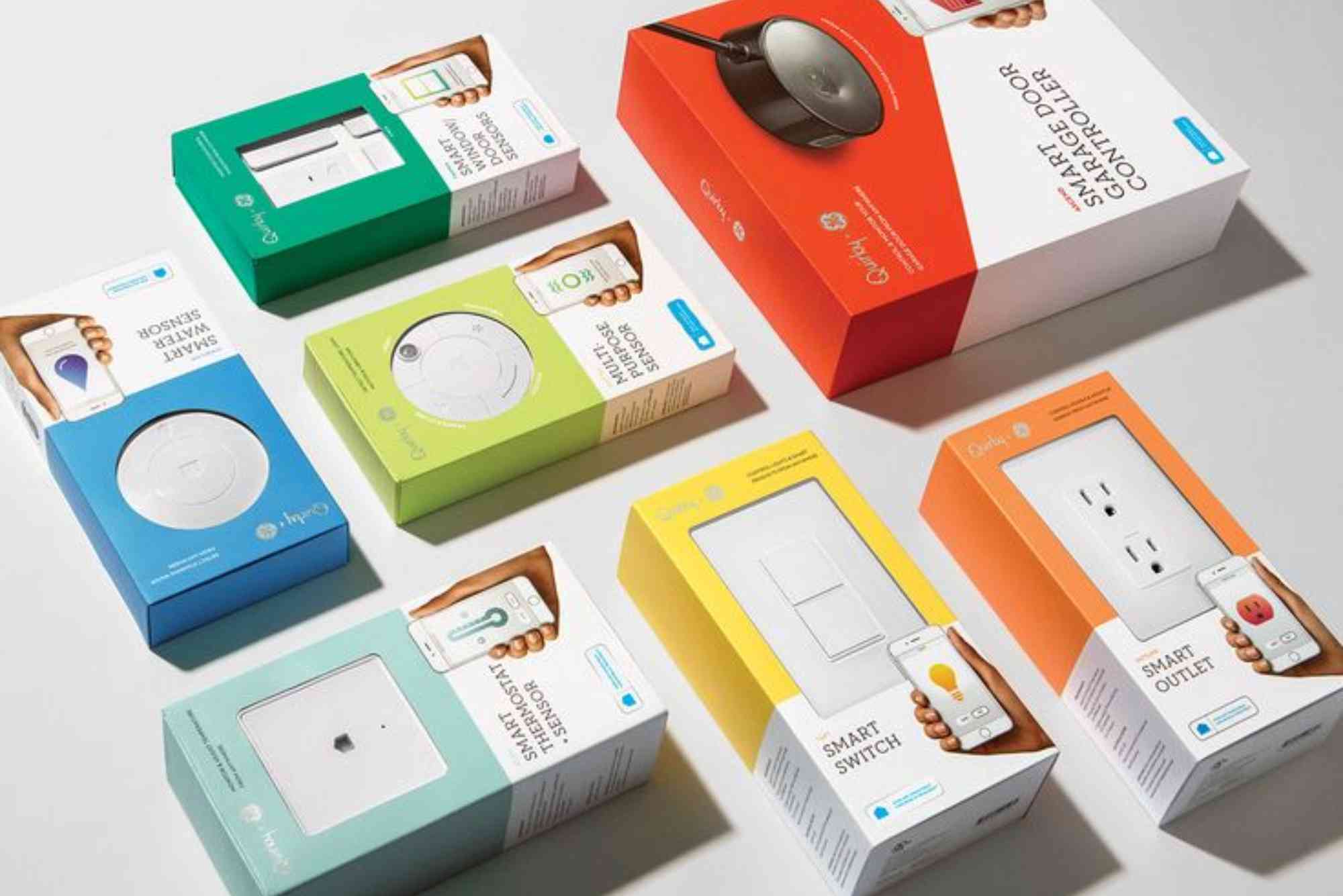
Consumer electronics packaging design has evolved far beyond basic protection. Today, it shapes customer perception, supports sustainability goals, enhances the unboxing experience, and influences purchasing decisions. Whether a brand sells headphones, gaming accessories, smartphones, smartwatches, or home automation products, packaging now acts as an extension of the product itself.
Modern consumers expect more from packaging. They want attractive presentation, secure product protection, eco-friendly materials, and intuitive opening experiences. As a result, businesses across the technology industry are investing heavily in innovative packaging strategies that strengthen brand identity and improve customer satisfaction.
In the competitive electronics market, packaging often creates the first physical interaction between a customer and a brand. A poorly designed box can damage trust instantly, while premium packaging can elevate perceived product value. Therefore, consumer electronics packaging design has become an essential part of product development and marketing.
The rapid rise of eCommerce has also transformed packaging requirements. Products now travel longer distances and face more handling during shipping. Consequently, packaging designers must balance aesthetics with durability. Brands must ensure products arrive safely while still offering a premium unboxing experience.
Businesses looking to improve packaging performance frequently explore tailored solutions through Custom Packaging because customized packaging creates stronger visual recognition and improves customer engagement.
The Growing Importance of Consumer Electronics Packaging Design
Consumer electronics packaging design directly affects customer perception. Before customers even use a product, they judge its quality through packaging appearance, structure, texture, and functionality. This psychological effect influences buying behaviour more than many businesses realise.

Technology buyers often associate premium packaging with premium engineering. Clean typography, minimalist layouts, rigid structures, and carefully selected materials communicate reliability and sophistication. Apple famously transformed the technology packaging industry by demonstrating how packaging can reinforce a luxury brand image.
However, aesthetics alone are not enough. Packaging must also provide practical value. Electronic products are fragile and expensive. Internal inserts, cushioning systems, and structural reinforcement are necessary to prevent damage during transport. Effective consumer electronics packaging design combines functionality with emotional appeal.
Packaging also supports retail marketing. On crowded shelves, visually distinctive packaging attracts attention faster than competing products. Colours psychology, typography, imagery, and structural creativity all contribute to visibility. As online shopping continues to dominate, packaging additionally plays a crucial role in social media exposure. Customers regularly share unboxing experiences online, turning packaging into a marketing asset.
Understanding the Psychology Behind Electronics Packaging
Consumer behaviour research consistently shows that packaging affects emotional response. People form opinions within seconds of seeing a product box. In consumer electronics packaging design, emotional engagement matters because technology products often involve significant financial investment.
Minimalist packaging designs frequently communicate innovation and sophistication. Clean layouts reduce visual clutter and help consumers focus on product quality. Dark colours schemes often create a premium feel, while white packaging suggests simplicity and modernity.
Texture also influences perception. Soft-touch finishes, embossed logos, magnetic closures, and rigid board materials create tactile experiences that enhance perceived value. Customers unconsciously associate heavier packaging with better quality.
The unboxing process itself has become part of the customer journey. Brands now intentionally design sequential product reveals that create anticipation and excitement. Smooth opening mechanics and organised internal layouts improve user satisfaction.
Companies seeking inspiration often explore industry-leading resources and professional packaging design tips to understand how visual communication affects purchasing behaviour.
Materials Used in Consumer Electronics Packaging Design
Material selection significantly impacts packaging quality, sustainability, and cost efficiency. Consumer electronics packaging design requires materials that provide both protection and presentation.
Rigid cardboard remains one of the most widely used materials because it offers excellent structural integrity and premium appearance. Corrugated packaging is commonly used for shipping protection, especially for larger electronic devices.
Foam inserts continue to protect delicate components such as screens, cameras, and processors. However, environmental concerns are pushing many brands towards recyclable alternatives. Moulded pulp inserts are increasingly replacing plastic foam because they provide sustainable cushioning without compromising protection.
Kraft paperboard has gained popularity among environmentally conscious brands. Its natural appearance communicates sustainability while maintaining durability. Additionally, biodegradable coatings and soy-based inks are becoming standard in eco-friendly consumer electronics packaging design.
Plastic usage is gradually declining due to changing consumer expectations and environmental regulations. Many brands now minimise unnecessary plastic trays, wraps, and windows to reduce waste and improve recyclability.
Sustainability in Consumer Electronics Packaging Design
Sustainability is no longer optional in modern packaging development. Consumers increasingly prefer brands that demonstrate environmental responsibility. Consequently, sustainable consumer electronics packaging design has become a major competitive advantage.
Reducing material waste is one of the primary objectives. Designers aim to minimise excess space while maintaining product safety. Compact packaging reduces shipping costs and lowers carbon emissions during transportation.
Recyclable materials are now prioritised across the industry. Many companies have eliminated single-use plastics and adopted paperboard. Water-based inks and biodegradable adhesives further improve environmental performance.
Some electronics companies now create reusable packaging systems. Durable boxes can serve as long-term storage solutions for accessories, cables, or devices. This approach extends packaging life while strengthening customer satisfaction.
Sustainable design also involves manufacturing efficiency. Reducing material layers, simplifying structures, and improving logistics all contribute to lower environmental impact. Businesses that adopt sustainable consumer electronics packaging design often experience improved brand loyalty and stronger market positioning.
The Role of Branding in Electronics Packaging
Brand identity plays a critical role in packaging strategy. Consumer electronics packaging design must communicate a brand’s personality instantly and consistently.
Typography selection influences perception significantly. Modern sans-serif fonts often communicate innovation and simplicity. Consistent logo placement improves recognition across product lines. Colours schemes reinforce emotional connections with target audiences.
Packaging should align with the overall customer experience. If a brand positions itself as premium, packaging must reflect luxury through materials, finishes, and presentation quality. Budget-focused brands may prioritise simplicity and efficiency while still maintaining visual appeal.
Consistency across packaging ranges strengthens trust. Customers expect similar experiences when purchasing multiple products from the same company. Therefore, cohesive branding systems are essential in successful consumer electronics packaging design.
Many successful brands also incorporate storytelling into packaging. Brief product narratives, sustainability commitments, or technical highlights help customers connect emotionally with products.
How Packaging Influences the Unboxing Experience
The unboxing experience has become a powerful marketing tool in the digital era. Social media platforms are filled with unboxing videos that generate millions of views. Consequently, consumer electronics packaging design increasingly focuses on creating memorable opening experiences.
Carefully engineered packaging sequences build anticipation. Layered reveals guide customers through the product presentation in a controlled and satisfying manner. Premium electronics brands often use precision-fit compartments and minimalist layouts to create a sense of order and sophistication.
Ease of opening also matters. Customers dislike excessive tape, difficult tabs, or confusing structures. Frustration during unboxing can negatively affect overall product perception. Smooth opening systems improve user satisfaction and strengthen emotional connection.
Sound can even influence experience. The subtle resistance and soft release of a well-designed box lid creates a premium sensation. These details may seem minor, but they significantly impact perceived quality.
Consumer electronics packaging design now extends beyond protection into sensory experience design. Texture, structure, visual presentation, and functionality all contribute to memorable customer interactions.
Protective Features in Electronics Packaging
Electronic devices are vulnerable to vibration, moisture, impact, and static electricity. Therefore, protection remains one of the most critical aspects of consumer electronics packaging design.
Shock absorption systems help protect fragile components during transportation. Foam inserts, air cushions, and moulded pulp structures distribute impact energy effectively. Packaging engineers conduct extensive drop testing to ensure safety throughout the supply chain.
Anti-static materials are particularly important for sensitive electronic components. Electrostatic discharge can damage circuits and reduce product reliability. Anti-static bags and specialised inserts minimise these risks.
Moisture resistance is another essential consideration. Humidity exposure can affect internal electronics and packaging integrity. Barrier coatings and sealed packaging structures help protect products during storage and transit.
Tamper-evident features also improve security. Sealed labels, tear strips, and authentication technologies help prevent product interference and counterfeiting.
Packaging Design for eCommerce Electronics Brands
The growth of online retail has transformed consumer electronics packaging design priorities. Unlike traditional retail packaging, eCommerce packaging must survive direct-to-consumer shipping networks.
Shipping durability is now essential. Packages may experience multiple handling stages before reaching customers. Reinforced corners, protective inserts, and secure closures reduce damage risk significantly.
Dimensional efficiency also matters. Smaller packaging lowers shipping costs and improves warehouse efficiency. However, reducing size must not compromise protection or presentation quality.
Branding remains important even in eCommerce environments. Customers still expect visually appealing packaging when products arrive at their homes. Many online-first electronics brands invest heavily in premium unboxing experiences to encourage social sharing and repeat purchases.
Returns management also influences design decisions. Reusable packaging systems simplify return processes and improve customer convenience.
Innovation Trends in Consumer Electronics Packaging Design
The packaging industry continues to evolve rapidly. Several emerging trends are shaping the future of consumer electronics packaging design.
Smart packaging technologies are becoming increasingly common. QR codes, NFC tags, and augmented reality features provide interactive customer experiences. These technologies can deliver setup instructions, warranty registration, or product authentication.
Minimalist packaging remains highly influential. Consumers increasingly prefer clean, uncluttered designs that communicate confidence and sophistication.
Sustainable innovation is accelerating. Mushroom packaging, seaweed-based materials, and biodegradable cushioning solutions are gaining attention as alternatives to plastic-based protection systems.
Personalisation is another growing trend. Brands now create customizsed packaging experiences based on customer preferences or limited-edition campaigns. Personal touches strengthen emotional engagement and improve customer loyalty.
Automation-friendly packaging structures are also becoming essential. Efficient packaging systems support high-speed production lines while maintaining quality consistency.
Challenges in Consumer Electronics Packaging Design
Despite technological advances, packaging designers still face several challenges. Balancing sustainability, protection, branding, and cost efficiency requires careful planning.
Environmental regulations continue to evolve globally. Businesses must adapt packaging systems to comply with changing recycling standards and material restrictions.
Supply chain disruptions can also affect material availability and pricing. Designers increasingly prioritise flexible packaging strategies that accommodate alternative materials without compromising performance.
Counterfeit prevention remains another major concern. Electronics brands lose significant revenue to fake products. Packaging authentication features help combat this issue but may increase production complexity.
Consumer expectations are also constantly rising. Customers now expect sustainable materials, premium presentation, and flawless protection simultaneously. Meeting these demands while controlling costs requires strategic innovation.
Why Testing Matters in Consumer Electronics Packaging Design
Packaging testing is essential before products reach the market. Consumer electronics packaging design must undergo rigorous evaluation to ensure durability and functionality.
Drop testing simulates shipping impacts and handling conditions. Compression testing evaluates stacking resistance during transportation and storage. Vibration testing examines how packaging performs during long-distance transit.
Climate testing also plays a crucial role. Temperature and humidity exposure can affect both packaging materials and electronic products. Reliable packaging systems must maintain integrity across varying environmental conditions.
User testing provides additional insights. Observing real customers during unboxing helps identify usability issues and improve overall experience design.
Testing ultimately reduces product damage, customer complaints, and return rates. Strong packaging performance directly contributes to profitability and customer satisfaction.
Consumer Electronics Packaging Design and Retail Strategy
Retail presentation remains important despite eCommerce growth. Consumer electronics packaging design still influences in-store purchasing decisions significantly.
Shelf visibility helps products stand out among competitors. Strategic colours usage, structural uniqueness, and typography hierarchy improve attention capture. Clear communication of key features also supports purchasing confidence.
Retailers often prioritise packaging efficiency as well. Stackable structures, consistent dimensions, and durable materials improve merchandising and inventory management.
Packaging also supports theft prevention. Secure structures and tamper-evident systems reduce shrinkage risks in retail environments.
Point-of-sale displays increasingly integrate with packaging design strategies. Coordinated visual systems improve brand recognition and strengthen promotional campaigns.
Future Outlook for Consumer Electronics Packaging Design
The future of consumer electronics packaging design will likely focus on sustainability, automation, and digital integration. Brands are already exploring advanced recyclable materials that provide high-level protection without environmental compromise.
Artificial intelligence may soon optimise packaging structures automatically based on product dimensions and shipping requirements. Smart manufacturing technologies will improve consistency while reducing waste.
Interactive packaging experiences are also expected to expand. Digital interfaces may provide setup tutorials, augmented reality demonstrations, or personalised customer engagement directly through packaging systems.
Circular economy principles will become increasingly important. Reusable, recyclable, and refillable packaging solutions may eventually dominate the industry.
As consumer expectations evolve, packaging will continue functioning as both a protective system and a powerful branding tool.
Frequently Asked Questions About Consumer Electronics Packaging Design
What is consumer electronics packaging design?
Consumer electronics packaging design involves creating packaging solutions for electronic devices such as smartphones, headphones, tablets, gaming accessories, and smart home products. The design focuses on protection, branding, functionality, sustainability, and customer experience.
Why is packaging important for electronics products?
Packaging protects fragile devices during transportation while also influencing customer perception. Effective consumer electronics packaging design improves product safety, enhances branding, and creates positive unboxing experiences.
What materials are commonly used in electronics packaging?
Common materials include rigid cardboard, corrugated board, moulded pulp, foam inserts, kraft paperboard, and recyclable plastics. Sustainable alternatives are becoming increasingly popular across the electronics industry.
How does sustainable packaging help electronics brands?
Sustainable packaging reduces environmental impact, improves brand reputation, lowers shipping costs, and aligns with consumer expectations. Many customers now prefer eco-conscious brands when purchasing electronics.
What makes a good unboxing experience?
A good unboxing experience combines intuitive opening, organised presentation, premium materials, and visual appeal. Smooth interactions create positive emotional responses and encourage social sharing.
How can businesses improve consumer electronics packaging design?
Businesses can improve packaging by focusing on durability, sustainability, branding consistency, and user experience. Testing and customer feedback also play important roles in packaging optimisation.
Consumer electronics packaging design has become a defining factor in product success. It influences purchasing decisions, strengthens branding, protects valuable products, and enhances customer satisfaction. As sustainability expectations continue rising, brands must create packaging systems that balance environmental responsibility with premium presentation.
Modern packaging is no longer just a protective shell. It is a communication tool, a marketing asset, and an extension of the product itself. Businesses that invest in thoughtful consumer electronics packaging design gain stronger customer loyalty, improved product perception, and greater competitive advantage.
For companies looking to elevate their packaging strategy, exploring innovative solutions through Buddy Packaging Location can provide valuable inspiration and professional guidance for future-ready packaging development.
Related Reading: Cereal Packaging Design — full guide
Related Reading: Contemporary Packaging Design — full guide
Related Reading: Contact Lens Packaging Design — full guide
Related Reading: Cooking Oil Packaging Design — full guide
Related Reading: How Much Do Packaging Designers Make — full guide
Related Reading: Confectionery Packaging Design — full guide
