Confectionery Packaging Design
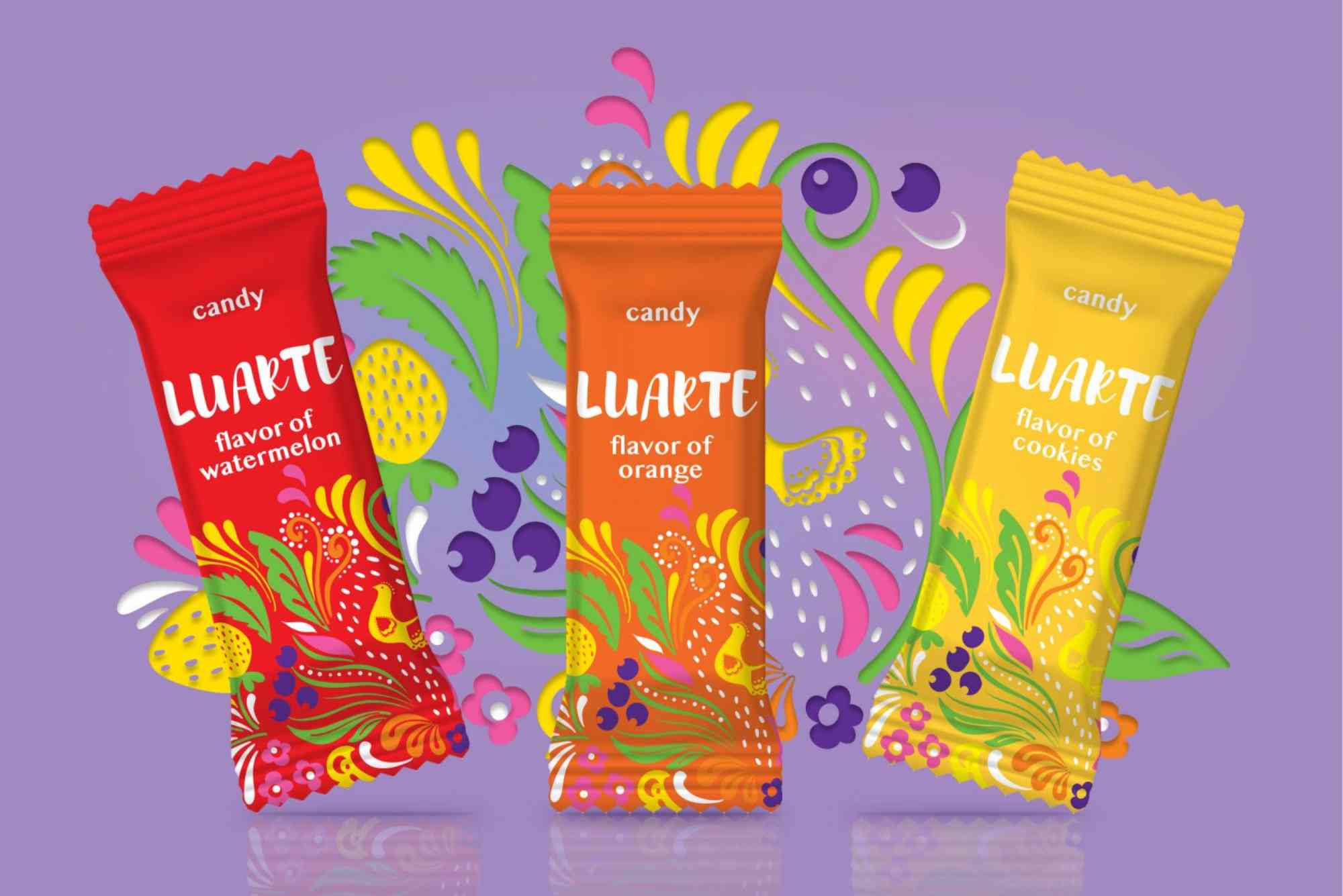
Confectionery packaging design plays a powerful role in how customers experience sweets, chocolates, candies, and bakery treats. In today’s competitive retail market, packaging is far more than a protective layer. It is a direct communication tool between the brand and the consumer. From luxurious chocolate boxes to colourful candy wrappers, the right packaging creates emotional appeal and influences buying decisions instantly.
Modern confectionery brands invest heavily in packaging because customers often judge a product before tasting it. Attractive colours, premium materials, creative typography, and smart structural design can turn a simple sweet product into a memorable experience. Whether products are displayed in supermarkets, boutique stores, or online marketplaces, packaging becomes the first point of interaction.
In the confectionery industry, presentation matters just as much as flavour. Consumers expect visually engaging packaging that reflects quality, freshness, and personality. Therefore, confectionery packaging design must combine creativity with functionality while maintaining brand consistency across every product line.
Why Confectionery Packaging Design Matters
Confectionery products are emotional purchases. People buy sweets for celebrations, gifts, rewards, and personal enjoyment. Because emotions drive these purchases, packaging must instantly create excitement and anticipation.
Effective confectionery packaging design helps brands stand out in crowded shelves. When customers face dozens of similar products, visually appealing packaging becomes the deciding factor. Bright designs attract younger audiences, while elegant minimal packaging appeals to premium buyers.
Packaging also strengthens brand recall. Consistent colours, logos, and design styles make products recognisable. Famous confectionery brands have mastered this technique through distinctive visual identities that customers remember for years.

In addition, packaging protects delicate confectionery products from moisture, temperature changes, and physical damage. Chocolates, candies, and baked sweets require carefully designed packaging structures to preserve freshness and texture during transport and storage.
The Psychology Behind Sweet Packaging
Human psychology strongly influences confectionery purchasing behaviour. Colours, shapes, textures, and finishes affect how consumers perceive flavour and quality before opening the package.
Warm colours such as red, orange, and yellow create excitement and stimulate appetite. Premium chocolate brands often use black, gold, or dark brown to communicate sophistication and luxury. Pastel colours are commonly used for handmade sweets or artisanal bakery items because they create softness and elegance.
Typography also impacts customer perception. Playful fonts suggest fun and youthful energy, while serif fonts communicate heritage and craftsmanship. Packaging designers carefully select fonts that match the personality of the confectionery product.
Texture adds another sensory dimension. Embossing, foil stamping, matte finishes, and soft-touch coatings create tactile experiences that elevate perceived product value. Customers often associate premium textures with better taste and higher quality.
Packaging Design Trends in the Confectionery Industry
The confectionery market evolves rapidly, and packaging trends continue changing alongside consumer preferences. Brands that adapt to modern design trends gain stronger visibility and engagement.
Minimalist packaging has become increasingly popular in premium confectionery markets. Clean layouts, simple typography, and limited colours palettes create elegance and sophistication. This design style communicates confidence and high quality without overwhelming the consumer.
Sustainable packaging is another major trend transforming confectionery packaging design. Consumers are becoming environmentally conscious and expect brands to reduce waste. Recyclable boxes, biodegradable wrappers, and eco-friendly inks are now essential considerations.
Vintage-inspired packaging has also gained popularity. Many confectionery brands use nostalgic illustrations and retro colours schemes to create emotional connections with customers. This approach works especially well for traditional sweets and heritage chocolate products.
Personalised packaging is growing rapidly as well. Limited-edition prints, seasonal themes, and custom gift boxes help brands create exclusivity and encourage repeat purchases.
Materials Used in Confectionery Packaging Design
Material selection directly affects packaging appearance, durability, and sustainability. Different confectionery products require different packaging materials depending on their sensitivity and shelf-life requirements.
Paperboard remains one of the most common materials in confectionery packaging design. It is lightweight, printable, recyclable, and suitable for various structural styles. Folding cartons are widely used for chocolates, biscuits, and sweet gift boxes.
Flexible plastic films are commonly used for candies and individually wrapped sweets because they provide strong moisture barriers and preserve freshness. However, many brands are now shifting towards recyclable alternatives to reduce environmental impact.
Rigid boxes are popular for luxury confectionery products. These boxes create a premium unboxing experience and are commonly used for gourmet chocolates and festive gift collections.
Glass jars and metal tins are often used for specialty sweets because they provide excellent product protection while enhancing shelf appeal. Reusable packaging also adds value for environmentally conscious consumers.
Brands looking to improve presentation and product protection often explore high-quality solutions through Custom Packaging that align with modern branding standards.
Branding Through Confectionery Packaging Design
Brand storytelling is a vital component of successful confectionery packaging design. Packaging should communicate the product’s origin, flavour profile, craftsmanship, and brand personality within seconds.
Luxury confectionery brands often emphasise heritage and artisanal quality through elegant design elements. Meanwhile, playful candy brands focus on vibrant visuals and energetic messaging.
Consistency across packaging ranges helps consumers identify products quickly. Strong branding creates trust and familiarity, which ultimately influences repeat purchases. Every element, including logo placement, colours schemes, illustrations, and messaging tone, contributes to a cohesive identity.
Packaging also allows brands to target specific demographics effectively. Children’s confectionery packaging often features cartoon characters and bold graphics, while adult-focused products use refined and sophisticated design approaches.
Structural Innovation in Sweet Packaging
Structural packaging design is just as important as visual aesthetics. A beautiful package that lacks usability can negatively affect customer experience.
Modern confectionery packaging design includes innovative structures that improve convenience and functionality. Resealable pouches help maintain freshness after opening. Magnetic closure boxes create luxurious unboxing experiences for premium chocolates. Window cut-outs allow customers to view products before purchasing.
Creative structures also improve gifting appeal. Many confectionery products are purchased as presents, so packaging must feel special and memorable. Decorative handles, layered compartments, and ribbon closures enhance the emotional experience.
Packaging engineers carefully balance protection, storage efficiency, and visual appeal when developing confectionery packaging structures.
Sustainable Confectionery Packaging Design
Sustainability is no longer optional in the packaging industry. Consumers increasingly favour brands that demonstrate environmental responsibility through eco-conscious packaging choices.
Many confectionery companies now replace plastic with recyclable paper-based alternatives. Compostable films and biodegradable coatings are also becoming more accessible.
Reducing excess packaging is another important strategy. Minimal packaging designs lower production costs while reducing environmental impact. Customers appreciate brands that avoid unnecessary waste.
Sustainable confectionery packaging design also improves brand reputation. Eco-friendly packaging communicates responsibility and transparency, which strengthens customer loyalty.
In addition, governments across many countries are introducing stricter packaging regulations. Brands investing in sustainable solutions today are better prepared for future compliance requirements.
Digital Printing and Packaging Personalisation
Digital printing technology has revolutionised confectionery packaging design. Brands can now produce shorter print runs, seasonal editions, and personalised packaging with greater flexibility.
Personalised confectionery packaging creates stronger emotional connections with customers. Custom names, holiday themes, and event-specific designs make products feel unique and memorable.
Seasonal packaging campaigns are particularly effective in the confectionery market. Valentine’s Day, Christmas, Easter, and Halloween all drive increased sales through themed packaging.
Digital printing also supports faster product launches. Brands can quickly test new designs and adapt packaging based on market trends without large production commitments.
Packaging Design for E-Commerce Confectionery Brands
The rise of online shopping has transformed confectionery packaging requirements. Products must now survive shipping while maintaining visual appeal upon arrival.
E-commerce confectionery packaging design prioritises durability and unboxing experience simultaneously. Protective inserts, insulated materials, and secure closures prevent product damage during delivery.
Unboxing experiences have become valuable marketing tools. Social media users frequently share aesthetically pleasing packaging online, providing brands with free exposure and customer-generated content.
Packaging for online confectionery sales must also communicate trust. High-quality presentation reassures customers that products are fresh, hygienic, and professionally handled.
Seasonal and Limited-Edition Packaging
Seasonal packaging campaigns create urgency and excitement among consumers. Limited-edition confectionery packaging encourages impulse purchases and increases collectability.
Festive packaging often includes special colours palettes, illustrations, and premium finishes that reflect celebrations and cultural traditions. Holiday packaging creates emotional engagement and enhances gifting appeal.
Brands frequently use seasonal packaging to introduce new flavours or product combinations. This strategy keeps the brand visually fresh while attracting returning customers.
Limited-edition packaging also performs exceptionally well on social media because visually unique products encourage sharing and online conversations.
Luxury Confectionery Packaging Design
Luxury confectionery packaging design focuses heavily on exclusivity, craftsmanship, and premium sensory experiences. High-end consumers expect packaging that feels elegant and sophisticated.
Luxury chocolate brands commonly use rigid boxes, velvet textures, metallic foils, embossed logos, and magnetic closures. These details elevate perceived value significantly.
Minimalist aesthetics are especially common in luxury confectionery packaging because simplicity often communicates confidence and refinement. High-quality materials combined with subtle branding create timeless elegance.
Premium packaging also enhances gifting experiences. Consumers purchasing expensive confectionery products expect presentation that reflects the emotional significance of the occasion.
The Role of Typography in Confectionery Packaging
Typography influences readability, mood, and brand identity. In confectionery packaging design, font selection can dramatically change how consumers perceive products.
Script fonts often create elegance and handcrafted appeal. Bold sans-serif fonts communicate energy and fun. Vintage typography styles support nostalgic branding strategies.
Good typography improves communication clarity as well. Product names, ingredients, flavour descriptions, and nutritional information must remain easy to read while maintaining visual harmony.
Designers carefully balance creativity and functionality to ensure packaging remains attractive and practical.
Colours Strategies in Confectionery Packaging Design
Colours psychology strongly affects customer behaviour in confectionery markets. Strategic colours selection helps brands communicate flavour, mood, and quality.
Orange tones create warmth and excitement, making them popular in energetic candy packaging. Dark browns and gold tones suggest indulgence and premium chocolate quality. Green often represents organic or healthier confectionery alternatives.
Colours consistency across packaging ranges strengthens shelf recognition. Consumers quickly associate specific colours with familiar brands and flavour categories.
Brands seeking inspiration for colours theory and branding often explore professional packaging design tips to refine their visual strategies.
Regulatory Compliance in Confectionery Packaging
Confectionery packaging must comply with food safety regulations and labelling standards. Packaging should clearly display ingredients, allergens, nutritional values, expiry dates, and manufacturer information.
Regulations vary across regions, so brands selling internationally must adapt packaging accordingly. Failure to comply can result in product recalls or legal issues.
Designers must integrate regulatory information without compromising visual appeal. This requires careful layout planning and typography hierarchy.
Sustainable labelling practices are also becoming increasingly important. Many consumers now look for recycling instructions and eco-certifications directly on packaging.
How Packaging Influences Purchasing Decisions
Studies consistently show that packaging significantly affects consumer buying behaviour. In confectionery markets, packaging often creates first impressions before taste is experienced.
Consumers associate attractive packaging with better flavour and higher quality. Premium packaging can justify higher pricing and increase perceived product value.
Packaging also influences impulse purchases. Eye-catching confectionery displays near checkout counters rely heavily on vibrant and engaging packaging design.
Emotional storytelling through packaging further strengthens purchase intent. Designs that evoke nostalgia, celebration, comfort, or luxury create deeper psychological connections with buyers.
Future of Confectionery Packaging Design
The future of confectionery packaging design will focus on sustainability, smart technology, and immersive customer experiences.
Smart packaging technologies such as QR codes and augmented reality are becoming more common. These features allow consumers to interact with brands digitally through their smartphones.
Eco-friendly materials will continue evolving as environmental concerns grow globally. Brands investing in recyclable and compostable packaging will remain more competitive.
Artificial intelligence and data analytics may also influence future packaging trends by helping brands personalise packaging experiences more effectively.
As consumer expectations continue changing, confectionery packaging design will remain a crucial factor in brand success and product differentiation.
Confectionery packaging design is far more than decorative wrapping. It combines branding, psychology, sustainability, functionality, and customer experience into one powerful marketing tool. In highly competitive confectionery markets, packaging often determines whether a customer notices a product, trusts a brand, or completes a purchase.
Successful confectionery packaging balances creativity with practicality. It protects products, communicates quality, supports sustainability goals, and creates emotional engagement. Brands that invest in thoughtful packaging design consistently build stronger customer loyalty and higher market visibility.
Whether launching a new chocolate range, redesigning candy packaging, or improving online presentation, strategic packaging design can transform business performance. Companies seeking premium branding solutions and innovative packaging support can also explore Buddy Packaging Location for industry-focused expertise and packaging inspiration.
Frequently Asked Questions
What is confectionery packaging design?
Confectionery packaging design refers to the creation of packaging for sweets, chocolates, candies, and bakery products. It combines branding, protection, marketing, and visual appeal to enhance customer experience and product presentation.
Why is packaging important in the confectionery industry?
Packaging influences first impressions, protects products, strengthens branding, and encourages purchasing decisions. Attractive packaging helps confectionery products stand out in competitive retail environments.
What materials are commonly used in confectionery packaging?
Common materials include paperboard, flexible films, rigid boxes, glass jars, and metal tins. Brands increasingly use sustainable materials to reduce environmental impact.
How does sustainable packaging benefit confectionery brands?
Sustainable packaging improves brand reputation, reduces waste, supports environmental responsibility, and appeals to eco-conscious consumers. It can also help brands comply with evolving packaging regulations.
What colours work best in confectionery packaging design?
Warm colours like red, orange, and yellow stimulate appetite and excitement. Dark colours such as black and gold often communicate luxury and premium quality.
How can confectionery packaging increase sales?
Effective packaging attracts attention, communicates quality, creates emotional connections, and improves brand recognition. Strong packaging design encourages impulse purchases and repeat customers.
Related Reading: Consumer Electronics Packaging Design
Related Reading: Cooking Oil Packaging Design — full guide
Related Reading: Contemporary Packaging Design — full guide
Related Reading: Basics Of Packaging Design — full guide
Related Reading: Drunk Elephant Packaging Design
Related Reading: Bedding Packaging Design
Related Reading: Custom Packaging Design Companies — full guide
Related Reading: carton packaging design — full guide
Related Reading: canva packaging design — full guide
Related Reading: 3D Packaging Design — full guide
