Contemporary Packaging Design
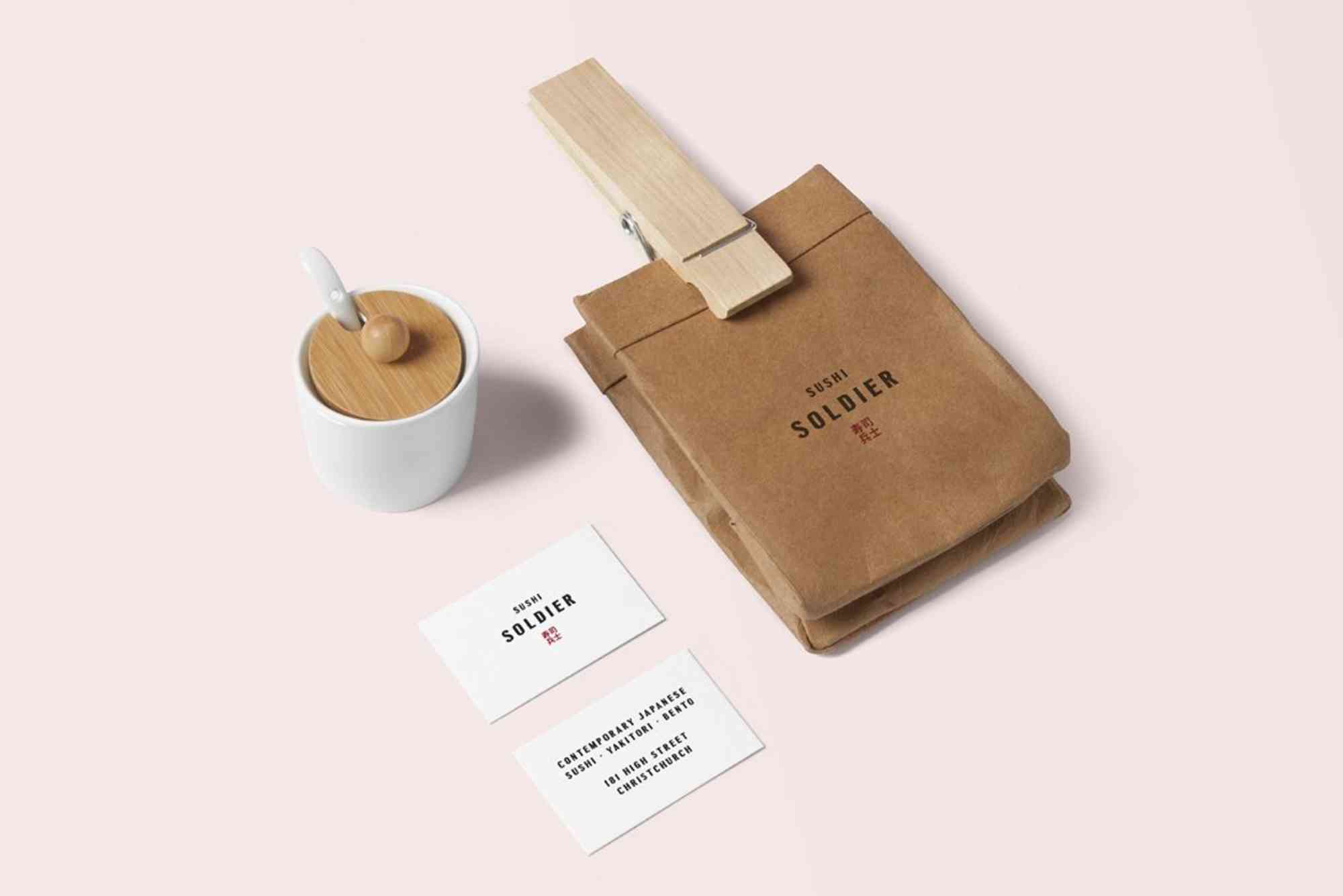
Contemporary packaging design has become one of the most influential drivers of brand identity, consumer perception, and market success. In today’s competitive retail landscape, packaging is no longer just a protective layer around a product. Instead, it acts as a storytelling medium, a marketing tool, and a sensory experience that connects brands with customers on an emotional level.
Whether it is luxury cosmetics, organic food, or tech gadgets, contemporary packaging design plays a central role in shaping first impressions. Brands are investing heavily in design innovation, sustainability, and user experience to stand out. Interestingly, even creative niche inspirations such as “orange theory mountain” concepts in visual storytelling are being used as metaphors for colours dynamics and layered design thinking in packaging systems.
As consumer expectations evolve, contemporary packaging design continues to redefine how products are perceived, purchased, and remembered.
The Evolution of Contemporary Packaging Design
Contemporary packaging design has evolved significantly over the past few decades. In earlier eras, packaging was purely functional. It focused on protecting goods and providing basic product information. However, modern consumer behaviour has shifted this perspective entirely.
Today, packaging is a brand communication channel. Companies now design packaging with emotional appeal, storytelling, and visual identity in mind. The rise of e-commerce has further amplified this shift, as packaging is often the first physical touchpoint between a digital brand and its customer.
Minimalism, bold typography, and eco-conscious materials define much of contemporary packaging design today. Brands are also experimenting with textures, interactive elements, and unboxing experiences to increase engagement.

The Role of Branding in Contemporary Packaging Design
Branding and packaging are inseparable in modern design strategy. A product may have exceptional quality, but without strong packaging, it risks being overlooked on crowded shelves or digital marketplaces.
Contemporary packaging design ensures that brand identity is instantly recognisable. This includes consistent colours palettes, typography, logo placement, and structural design. Every element communicates a message about the brand’s values and positioning.
For example, luxury brands often use minimalist packaging with premium materials to communicate exclusivity. On the other hand, eco-friendly brands emphasise natural textures and earthy tones to reflect sustainability.
A strong branding strategy within contemporary packaging design builds trust, enhances recall, and improves customer loyalty over time.
Sustainability in Contemporary Packaging Design
Sustainability is now a core pillar of contemporary packaging design. Consumers are increasingly aware of environmental issues and expect brands to take responsibility for their ecological footprint.
As a result, companies are moving toward recyclable materials, biodegradable packaging, and reduced plastic usage. Designers are also focusing on lightweight structures to minimise shipping emissions.
This shift is not just ethical but also strategic. Sustainable contemporary packaging design enhances brand reputation and appeals to environmentally conscious consumers.
Many businesses are now integrating circular economy principles, where packaging is designed for reuse or easy recycling. This approach reduces waste and supports long-term environmental goals.
Visual Aesthetics and Psychology in Contemporary Packaging Design
Visual psychology plays a critical role in contemporary packaging design. Colours, shapes, and typography influence how consumers perceive a product within seconds.
Warm colours such as red and orange often create urgency and excitement, while cooler tones like blue and green communicate trust and calmness. This psychological impact is carefully studied in packaging strategy.
Even abstract inspirations like “orange theory mountain” can be interpreted as layered visual depth, where gradients and tonal transitions create emotional engagement. Designers often use such conceptual frameworks to build immersive packaging experiences.
Typography also plays a major role. Bold fonts suggest strength and reliability, while handwritten styles create a personal and artisanal feel.
Ultimately, contemporary packaging design uses psychology to influence purchasing decisions in subtle but powerful ways.
Material Innovation in Contemporary Packaging Design
Material innovation is reshaping contemporary packaging design across industries. Designers are no longer limited to traditional cardboard and plastic. Instead, they are exploring advanced materials such as plant-based polymers, compostable films, and reusable composites.
Textured finishes like matte coatings, embossed surfaces, and soft-touch laminations enhance tactile engagement. These sensory elements elevate the unboxing experience and create a premium feel.
In luxury markets, rigid boxes with magnetic closures are widely used, while in food packaging, moisture-resistant biodegradable materials are gaining popularity.
Digital Influence on Contemporary Packaging Design
The rise of digital commerce has transformed contemporary packaging design significantly. With more consumers shopping online, packaging must now perform in both physical and digital environments.
Unboxing experiences have become a key marketing strategy, especially on social media platforms like Instagram and TikTok. Brands design packaging that is visually appealing on camera, encouraging users to share their experiences online.
Augmented reality (AR) and QR codes are also being integrated into packaging. These features allow customers to interact with the brand digitally, accessing tutorials, product stories, or promotional content.
This fusion of physical and digital design strengthens customer engagement and extends the lifecycle of contemporary packaging design beyond the point of purchase.
User Experience and Functionality in Contemporary Packaging Design
Functionality is just as important as aesthetics in contemporary packaging design. Consumers expect packaging to be easy to open, resealable, and convenient to store.
Ergonomic design plays a major role here. Whether it is a beverage bottle or a skincare container, usability directly impacts customer satisfaction.
Designers also consider transportation efficiency. Packaging must be durable enough to protect products during shipping while remaining lightweight and cost-effective.
A successful contemporary packaging design balances visual appeal with practical functionality, ensuring that customers enjoy both form and performance.
Creative Inspiration and Conceptual Thinking in Packaging Design
Creative thinking drives innovation in contemporary packaging design. Designers often draw inspiration from nature, architecture, fashion, and even abstract concepts.
Conceptual frameworks like “orange theory mountain” can symbolise layered complexity, colours transitions, and structural depth in design thinking. These metaphorical approaches help designers break conventional boundaries.
Artistic storytelling is also becoming more prominent. Packaging is no longer just a container but a narrative device that communicates brand heritage and product journey.
By combining creativity with strategy, contemporary packaging design becomes a powerful storytelling platform.
Industry Standards and Professional Insights
Professional standards in contemporary packaging design are constantly evolving. Designers must stay updated with regulatory requirements, material safety guidelines, and printing technologies.
Collaboration between designers, marketers, and engineers is essential to create effective packaging solutions. This interdisciplinary approach ensures that contemporary packaging design meets both aesthetic and technical expectations.
Future Trends in Contemporary Packaging Design
The future of contemporary packaging design is expected to be shaped by automation, artificial intelligence, and sustainable innovation.
Smart packaging is becoming more common, with embedded sensors and digital tracking systems. These innovations help brands monitor product freshness and supply chain efficiency.
Personalisation is another growing trend. Brands are using data-driven insights to create customized packaging experiences for individual customers.
Sustainability will continue to dominate design priorities, with a strong focus on zero-waste packaging systems.
Internal Industry Resources for Packaging Innovation
For businesses seeking professional packaging solutions, resources like
Custom Packaging offer tailored design and production services that align with modern branding needs.
Industry professionals can also explore
print & finishing insights to stay informed about production techniques and material advancements.
For those interested in physical consultation or services,
Buddy Packaging Location provides direct access to packaging expertise and support.
The Strategic Power of Contemporary Packaging Design
Contemporary packaging design is no longer a secondary aspect of product development. It is a strategic asset that influences branding, marketing, sustainability, and customer experience.
From material innovation to psychological impact, every element of packaging contributes to how consumers perceive a product. As industries continue to evolve, businesses that invest in thoughtful and innovative contemporary packaging design will maintain a competitive advantage.
Whether inspired by minimalism, sustainability, or creative concepts like orange theory mountain, the future of packaging lies in meaningful design that connects brands with people.
FAQ – Contemporary Packaging Design
What is contemporary packaging design?
Contemporary packaging design refers to modern packaging approaches that combine aesthetics, functionality, branding, and sustainability. It focuses on creating visually appealing and user-friendly packaging that enhances the overall product experience.
Why is contemporary packaging design important for brands?
It is important because it directly influences consumer perception and purchasing decisions. Strong packaging helps brands stand out in competitive markets and builds emotional connections with customers.
How does sustainability affect contemporary packaging design?
Sustainability has a major influence. Brands are shifting toward recyclable and biodegradable materials to reduce environmental impact while maintaining strong visual identity and functionality.
What are the latest trends in contemporary packaging design?
Current trends include minimalist design, smart packaging, eco-friendly materials, digital integration like QR codes, and personalised packaging experiences.
How does packaging influence consumer psychology?
Packaging affects emotions through colours, typography, and structure. These elements shape how consumers perceive quality, trust, and value within seconds of seeing a product.
What industries benefit most from contemporary packaging design?
Almost all industries benefit, including food and beverage, cosmetics, fashion, electronics, and e-commerce. Each uses packaging differently to reflect brand identity and customer expectations.
Related Reading: Cereal Packaging Design
Related Reading: Contact Lens Packaging Design
Related Reading: Consumer Electronics Packaging Design — full guide
Related Reading: Confectionery Packaging Design — full guide
