Cooking Oil Packaging Design
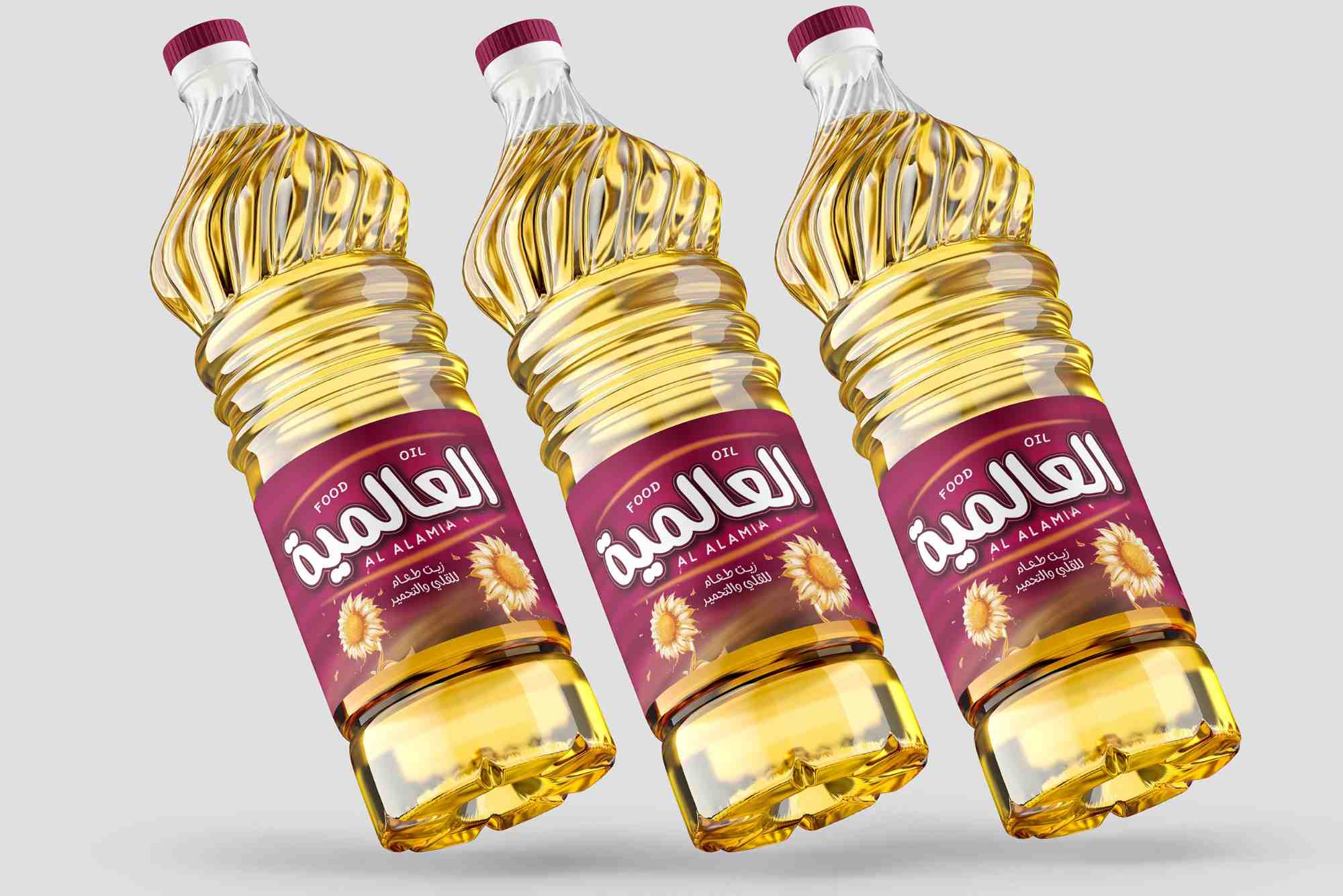
Cooking oil packaging design plays a critical role in the success of edible oil brands. In today’s competitive retail environment, packaging is no longer just a protective layer. It has become a powerful marketing tool that influences purchasing decisions, strengthens brand identity, and improves customer trust. Whether a company sells sunflower oil, olive oil, mustard oil, or blended vegetable oils, the right packaging can dramatically affect visibility and sales.
Modern consumers expect packaging that looks attractive, preserves freshness, and communicates quality instantly. As a result, businesses now invest heavily in innovative cooking oil packaging design to stand out on crowded supermarket shelves. A well-designed package not only protects the product from contamination and sunlight but also reflects the values of the brand.
From sustainable bottles to smart labelling systems, the industry continues to evolve rapidly. Businesses that embrace modern packaging trends often gain a competitive advantage because consumers associate premium packaging with premium quality. At the same time, regulations regarding food safety and environmental impact continue to shape the future of packaging innovation.
Brands seeking reliable and creative solutions often explore options such as Custom Packaging to create a professional market presence that appeals to modern buyers.
Why Cooking Oil Packaging Design Matters
Cooking oil packaging design directly influences customer perception. Shoppers frequently judge product quality based on appearance before reading any ingredient information. Therefore, packaging must instantly create confidence and communicate cleanliness, freshness, and authenticity.
In retail settings, consumers are surrounded by numerous cooking oil brands. Because choices are abundant, visual impact becomes essential. Bright colours, premium finishes, clear typography, and functional bottle shapes help products gain attention. Packaging also helps brands tell their story through graphics and messaging.

Apart from aesthetics, functionality is equally important. Cooking oil packaging must prevent leakage, preserve freshness, and maintain product integrity during transportation and storage. A poorly designed package can damage brand reputation even if the product itself is excellent.
The growing focus on sustainability has also transformed the packaging industry. Customers increasingly prefer recyclable, reusable, or biodegradable packaging materials. Consequently, brands that adopt eco-friendly cooking oil packaging design often build stronger customer loyalty.
The Evolution of Cooking Oil Packaging Design
Cooking oil packaging design has changed significantly over the decades. Traditionally, edible oils were sold in simple metal tins or glass containers with minimal branding. Packaging focused primarily on storage and transportation rather than visual appeal.
However, as supermarkets expanded and competition increased, branding became more important. Plastic bottles emerged as a popular choice because they were lightweight, affordable, and easy to manufacture. Companies began experimenting with bottle shapes, labels, and colours schemes to attract consumers.
Today, packaging innovation goes far beyond basic functionality. Brands use advanced printing technologies, ergonomic bottle structures, tamper-proof caps, and sustainable materials to create superior customer experiences. Digital printing and smart packaging technologies are also becoming more common.
Consumers now expect convenience alongside visual appeal. Easy-pour spouts, grip-friendly designs, and resealable packaging have become standard features in modern cooking oil packaging design.
Understanding Consumer Psychology in Packaging
Consumer psychology strongly influences successful cooking oil packaging design. Buyers make emotional decisions within seconds of viewing a product. Therefore, packaging must trigger trust, appetite appeal, and confidence immediately.
Colours selection plays a major role in this process. Green shades often represent freshness and natural ingredients, while gold and black communicate luxury and premium quality. Transparent packaging can increase trust because customers can see the oil quality directly.
Typography also affects consumer behaviour. Clean and readable fonts improve credibility. Overly complicated designs can confuse shoppers and reduce purchasing confidence. Therefore, successful brands maintain a balance between creativity and clarity.
Packaging texture and shape further influence customer perceptions. A sturdy bottle often feels more premium than a lightweight alternative. Similarly, ergonomic shapes improve usability and customer satisfaction.
Many brands research modern packaging design tips to understand how visual communication affects buying behaviour in competitive food markets.
Key Elements of Effective Cooking Oil Packaging Design
Visual Branding
Visual branding is one of the most important components of cooking oil packaging design. Logos, colours, and graphics should align with the brand’s identity and target audience. Premium olive oil brands often use elegant minimalist designs, while mass-market vegetable oils may use brighter and more energetic visuals.
Consistency across product lines also strengthens brand recognition. When customers can easily identify a product family, repeat purchases become more likely.
Material Selection
Material selection significantly affects packaging performance and sustainability. PET plastic bottles remain popular because they are lightweight and affordable. Glass bottles are commonly used for premium oils because they enhance product appearance and preserve flavour.
Metal tins continue to be preferred for bulk packaging due to their durability and excellent light protection. Flexible pouches are also growing in popularity because they reduce packaging waste and transportation costs.
Label Design
Labels communicate essential information including nutritional facts, ingredients, expiry dates, and certifications. A well-organised label improves readability and customer trust.
High-quality printing and waterproof materials also enhance durability. Since cooking oil containers are frequently handled in kitchens, labels must resist oil stains and moisture damage.
Functional Features
Practical functionality is essential in cooking oil packaging design. Consumers appreciate features such as drip-free pouring systems, easy-grip bottles, and secure sealing mechanisms.
Convenience can strongly influence brand loyalty. If customers find a product easier to use than competitors, they are more likely to repurchase it.
Sustainable Trends in Cooking Oil Packaging Design
Sustainability has become a major priority across the packaging industry. Environmental concerns are pushing brands to reduce plastic waste and adopt greener materials.
Recyclable plastics are increasingly common in cooking oil packaging design. Many companies now use post-consumer recycled materials to reduce environmental impact. Some brands are also introducing biodegradable packaging solutions.
Refill systems are another growing trend. Instead of purchasing new bottles repeatedly, consumers can refill existing containers using flexible pouches or bulk stations. This approach reduces waste and appeals to environmentally conscious buyers.
Minimalist packaging also supports sustainability goals. By reducing unnecessary layers and excessive printing, brands lower production costs and environmental impact simultaneously.
Sustainable packaging not only benefits the planet but also strengthens brand reputation. Modern consumers often prefer businesses that demonstrate environmental responsibility.
The Role of Packaging in Food Safety
Food safety remains one of the most important considerations in cooking oil packaging design. Cooking oils are sensitive to light, air, and contamination. Therefore, packaging must protect product quality throughout the supply chain.
Opaque containers help prevent oxidation caused by sunlight exposure. Airtight seals preserve freshness and reduce spoilage risks. Tamper-evident caps improve consumer confidence by ensuring product integrity.
Food-grade materials are essential because packaging must not react chemically with the oil. Manufacturers follow strict regulations to ensure safety standards are met.
Temperature resistance is another important factor. Packaging must maintain structural integrity during transportation and storage under varying environmental conditions.
Importance of Shelf Appeal in Retail Stores
Shelf appeal directly impacts sales performance. In crowded supermarkets, customers often spend only a few seconds evaluating products before making decisions.
Effective cooking oil packaging design creates immediate visual impact. Strong branding, balanced layouts, and high-quality finishes help products stand out from competitors.
Bottle shape also contributes to shelf visibility. Unique contours and ergonomic designs create distinction while improving usability. Some brands use transparent windows to showcase oil colours and purity.
Premium finishes such as matte textures, metallic foils, and embossed labels further enhance perceived value. These details can justify higher pricing by communicating superior quality.
Digital Printing and Modern Packaging Innovation
Technological advancements continue to transform cooking oil packaging design. Digital printing allows brands to produce customized packaging quickly and cost-effectively.
Short-run printing enables seasonal campaigns, limited editions, and regional variations without major production expenses. This flexibility supports targeted marketing strategies.
Smart packaging technologies are also gaining popularity. QR codes can provide consumers with information about sourcing, nutritional benefits, or recipes. Some brands use interactive packaging to strengthen customer engagement.
Advanced printing methods improve colours accuracy and design quality. High-definition graphics create stronger shelf appeal and better brand recognition.
Packaging Design for Different Types of Cooking Oils
Different oils require different packaging approaches. Olive oil packaging often emphasises sophistication and authenticity. Dark glass bottles are commonly used to preserve flavour and communicate premium quality.
Sunflower and vegetable oils typically focus on practicality and affordability. Large PET bottles with ergonomic handles are common in family-oriented markets.
Organic and cold-pressed oils frequently use earthy colours and minimalist designs to highlight natural ingredients. Transparent labels and eco-friendly materials support clean branding.
Luxury infused oils often feature decorative packaging to appeal to gourmet consumers. Premium typography and elegant bottle designs enhance exclusivity.
The Impact of E-Commerce on Packaging Design
Online shopping has changed packaging priorities significantly. Products sold through e-commerce platforms require durable packaging that withstands shipping challenges.
Leak prevention is especially important in cooking oil packaging design for online retail. Reinforced caps and protective seals reduce the risk of damage during transportation.
Packaging visuals also matter in digital environments. Since customers first see products through images, designs must appear attractive on screens as well as physical shelves.
Compact and lightweight packaging reduces shipping costs. Therefore, brands increasingly explore flexible pouch solutions and optimised bottle structures.
Branding Strategies Through Packaging
Packaging serves as a silent salesperson for cooking oil brands. Every visual element communicates something about the company’s identity and values.
Premium brands often use storytelling techniques to connect emotionally with consumers. Labels may highlight family heritage, farming traditions, or production methods.
Health-focused brands emphasise nutritional benefits through clean and informative designs. Eco-conscious companies use sustainable materials and natural colours palettes to reinforce environmental values.
Consistent branding across all packaging formats strengthens market recognition and customer trust.
Challenges in Cooking Oil Packaging Design
Despite technological progress, packaging design still presents several challenges. Rising material costs continue to affect production budgets. Sustainable alternatives can sometimes be more expensive than conventional options.
Balancing aesthetics with functionality also requires careful planning. Attractive packaging must still provide practical usability and product protection.
Regulatory compliance is another major consideration. Food packaging must meet strict labelling and safety requirements in different markets.
Counterfeit products pose additional risks. Brands increasingly use authentication features such as holograms and tamper-proof seals to protect consumers and maintain trust.
Future Trends in Cooking Oil Packaging Design
The future of cooking oil packaging design will likely focus on sustainability, smart technology, and customer convenience. Refillable systems may become more widespread as environmental awareness increases.
Bioplastic materials are expected to gain popularity because they reduce dependence on fossil fuels. Lightweight packaging solutions will continue evolving to lower transportation emissions.
Artificial intelligence may also influence packaging development. Brands can use consumer data to create personalised packaging experiences and targeted marketing campaigns.
Minimalist aesthetics will likely remain popular because modern consumers appreciate clean, authentic branding. Transparency regarding sourcing and sustainability will also become increasingly important.
Table: Common Packaging Materials Used in Cooking Oil Packaging Design
| Packaging Material | Advantages | Disadvantages | Best Use |
|---|---|---|---|
| PET Plastic | Lightweight and affordable | Environmental concerns | Mass-market oils |
| Glass Bottles | Premium appearance and flavour protection | Fragile and heavy | Olive oils |
| Metal Tins | Excellent durability | Higher cost | Bulk packaging |
| Flexible Pouches | Reduced waste and lower transport costs | Lower premium perception | Refill packs |
| Bioplastics | Eco-friendly image | Limited availability | Sustainable brands |
Importance of Local Packaging Expertise
Working with experienced packaging providers can improve product performance and market appeal. Businesses benefit from customized solutions that align with branding and distribution requirements.
Companies searching for professional support often explore resources such as Buddy Packaging Location to discover tailored packaging services and consultation opportunities.
Experienced packaging specialists understand industry regulations, material compatibility, and consumer trends. Their expertise helps brands avoid costly design mistakes and improve overall market performance.
Frequently Asked Questions About Cooking Oil Packaging Design
What is the best material for cooking oil packaging design?
The best material depends on the product type and target market. Glass is ideal for premium oils, while PET plastic remains popular for affordability and convenience.
Why is packaging important for cooking oil products?
Packaging protects oil from contamination, preserves freshness, improves shelf appeal, and strengthens brand recognition. It also influences purchasing decisions.
How can cooking oil packaging design improve sales?
Effective packaging attracts attention, builds trust, and communicates quality quickly. Attractive and functional designs often increase customer engagement and repeat purchases.
What are sustainable options for cooking oil packaging design?
Sustainable options include recyclable plastics, biodegradable materials, refill pouches, and lightweight packaging systems that reduce environmental impact.
How does packaging affect food safety?
Proper packaging prevents oxidation, contamination, and leakage. Airtight seals and food-grade materials help maintain product quality and consumer safety.
What trends are shaping modern cooking oil packaging design?
Current trends include eco-friendly materials, smart packaging technology, minimalist branding, refill systems, and ergonomic bottle designs.
Cooking oil packaging design has become a powerful combination of branding, functionality, sustainability, and customer experience. Modern consumers expect packaging that not only protects the product but also communicates quality and environmental responsibility.
Brands that invest in innovative packaging solutions often achieve stronger market visibility and customer loyalty. From premium glass bottles to sustainable refill systems, packaging continues to evolve alongside consumer expectations and technological advancements.
Businesses that want to remain competitive should focus on practical functionality, attractive branding, and eco-conscious materials. By understanding consumer psychology and emerging industry trends, companies can create packaging that supports long-term growth and market success.
Related Reading: Consumer Electronics Packaging Design
Related Reading: Confectionery Packaging Design — full guide
Related Reading: Drunk Elephant Packaging Design — full guide
Related Reading: Bedding Packaging Design — full guide
Related Reading: Basics Of Packaging Design — full guide
Related Reading: Aldi Packaging Design — full guide
Related Reading: about packaging design — full guide
Related Reading: bad packaging design — full guide
Related Reading: 7 packaging design trends — full guide
Related Reading: craft beer packaging design — full guide
Related Reading: 3D Packaging Design — full guide
