carton packaging design
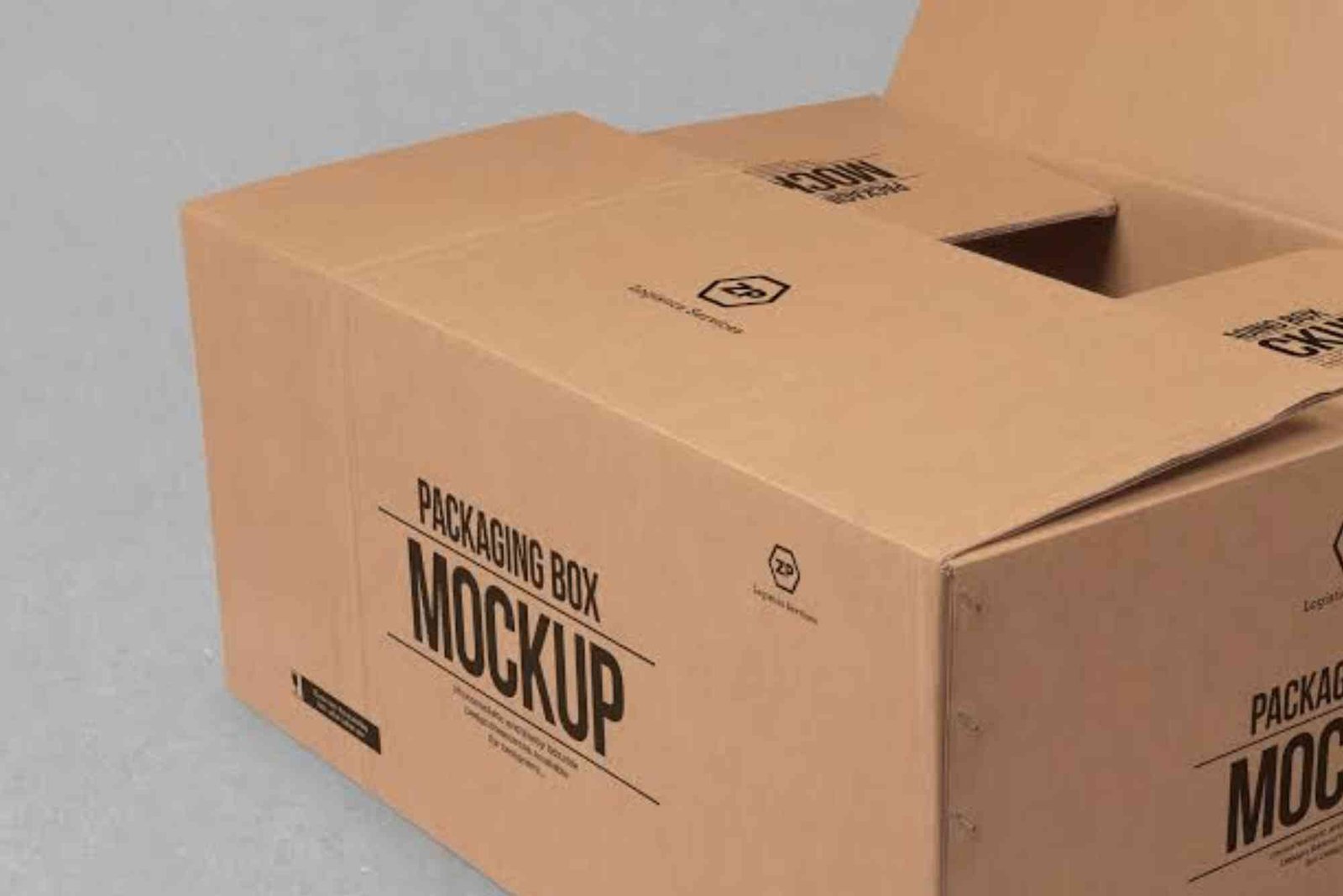
Carton Packaging Design: A Complete Guide to Better Packaging
Carton packaging design plays an important role in how a product looks, feels and performs in the market. It combines visual appeal with practical protection. A well-designed carton can attract attention while keeping the product secure during storage and transport.
Today, customers often judge products before trying them. Therefore, packaging has become a key part of the overall brand experience. Good carton packaging design communicates quality, builds recognition and helps products stand apart from competitors.
However, effective packaging involves more than attractive graphics. Designers must consider materials, dimensions, printing, usability, sustainability and production costs. Every detail should support the product and its target audience.
Whether you are launching a new product or updating an existing package, thoughtful design can make a significant difference. This guide explains the essential principles behind successful carton packaging design.
What Is Carton Packaging Design?
Carton packaging design is the process of creating the structure and visual appearance of a carton used to contain a product. It includes the box shape, dimensions, artwork, typography, colours, finishes and printed information.
The design must balance branding with functionality. A beautiful carton is ineffective if it cannot protect the product. Similarly, a strong carton may struggle commercially if its appearance fails to communicate value.

For this reason, professional designers usually begin by understanding the product, customer and retail environment. They then develop a package that works across both physical and commercial requirements.
Carton packaging is widely used for cosmetics, food, electronics, medicines, household goods and many other products. Paperboard is especially useful because it offers a printable surface and can be formed into different structures.
Why Carton Packaging Design Matters
Packaging is often the first physical interaction customers have with a brand. Consequently, its design can influence purchasing decisions and brand perception.
Strong carton packaging design creates a clear visual identity. Customers can recognise a familiar colour palette, logo placement or typography from a distance. This recognition can become valuable when competing products occupy the same shelf.
Packaging also provides essential product information. Depending on the product category, the carton may communicate ingredients, instructions, warnings, dimensions or other relevant details.
In addition, packaging can influence the perceived quality of a product. Clean typography, accurate printing and carefully selected finishes can create a premium impression.
A practical design also improves handling. The carton should open easily and remain stable during storage. These small details can contribute to a better customer experience.
Key Elements of Effective Carton Packaging Design
Structural Design
The structure determines how the carton holds and protects the product. Designers need accurate product measurements before creating the packaging structure.
The carton should provide sufficient support without using unnecessary material. Excess space can increase packaging costs and create movement inside the box.
The opening mechanism also deserves attention. Customers should understand how to open the package without damaging the product or carton.
Visual Identity
Branding should remain consistent throughout the packaging. The logo, colours, fonts and graphic elements should reflect the wider brand identity.
However, consistency does not mean making every element equally prominent. A strong hierarchy helps customers understand the most important information first.
The product name usually deserves clear visibility. Supporting information can then appear in smaller but readable typography.
Colour Selection
Colour influences perception and recognition. Therefore, carton packaging design should use colours that suit the product and target audience.
Luxury products may benefit from restrained palettes and sophisticated finishes. Children’s products may use brighter and more energetic combinations.
Colour should also remain consistent across different printing processes. Designers should consider how colours will appear on the selected carton board before approving the final artwork.
Typography
Typography must be attractive and functional. Customers should be able to read essential information quickly.
Avoid using too many typefaces. A simple combination of complementary fonts usually creates a cleaner result.
Text size also matters. Small text can become difficult to read after printing, especially when placed on textured or dark surfaces.
Images and Graphics
Images can explain the product and strengthen visual appeal. However, graphics should support the message rather than overwhelm it.
Product photography, illustrations, patterns and icons can all have useful roles. The best choice depends on the product and intended audience.
High-resolution artwork is essential for professional printing. Poor-quality images can make an otherwise excellent carton look unfinished.
Choosing the Right Material
Material selection affects strength, appearance, print quality and sustainability. Therefore, it should be considered early in the design process.
Folding carton board is commonly used for retail packaging because it is lightweight and printable. Corrugated board provides greater protection and is often suitable for shipping applications.
The correct material depends on the product’s weight, dimensions and handling conditions. Environmental considerations are also becoming increasingly important.
Paper and board can offer recycling advantages, although the actual recyclability depends on coatings, laminates, inks and local recycling systems. Packaging decisions should therefore consider the complete material specification.
Printing and Finishing Options
Printing transforms structural packaging into a branded product experience. Modern printing processes can reproduce detailed artwork, photographs and colour combinations.
Finishing can add another layer of visual and tactile appeal. Matte coatings create a soft appearance, while gloss finishes can produce a brighter surface.
Special effects such as embossing, debossing and foil accents may create premium details. However, these techniques should be used purposefully.
For useful guidance about production techniques and packaging presentation, brands can explore print & finishing insights before finalising their specifications.
The goal is not to use every available finish. Instead, each finishing choice should reinforce the brand’s positioning and remain commercially practical.
Balancing Design and Production Costs
A creative carton can become expensive if production requirements are ignored. Therefore, designers should consider manufacturing constraints from the beginning.
Complex structures may require additional tooling. Multiple finishing processes can increase production costs. Unusual dimensions may also affect storage and shipping efficiency.
A sensible approach is to create a design that looks distinctive without becoming unnecessarily complicated.
The following table shows how common design decisions can influence packaging performance.
| Design Factor | Primary Benefit | Key Consideration |
|---|---|---|
| Strong carton board | Better product protection | Higher material cost |
| Minimal structure | Lower material usage | Must still provide protection |
| Premium finish | Higher perceived value | Can increase production cost |
| Clear typography | Better readability | Requires careful hierarchy |
| Bold branding | Stronger recognition | Avoid excessive visual clutter |
| Sustainable materials | Environmental appeal | Check actual recyclability |
| Custom dimensions | Better product fit | May affect tooling and logistics |
This balance is particularly important for growing brands. Packaging needs to look professional while remaining commercially viable at larger production volumes.
How to Create a Successful Carton Packaging Design
Understand the Product
Start with the product itself. Consider its size, weight, shape, fragility and intended use.
These details determine the structural requirements. They also influence the information that customers need to see.
Research the Target Audience
Packaging should reflect customer expectations. Research the market before choosing colours, typography and visual styles.
Study competing products as well. The objective is not to copy competitors. Instead, identify opportunities to create stronger differentiation.
Develop the Brand Concept
Establish the visual direction before completing detailed artwork. Decide how the brand should feel and what message the package should communicate.
A premium skincare brand, for example, may require a very different visual approach from a children’s snack brand.
Create and Test Prototypes
A digital design may look excellent on screen but behave differently as a physical carton. Prototypes help reveal practical problems.
Check the folding structure, opening experience, artwork alignment and product fit. Testing can prevent expensive production mistakes.
Prepare Artwork Carefully
Before production, verify dimensions, folds, bleeds, colours and typography. Confirm that important information remains within safe areas.
Artwork should also match the printer’s technical specifications. Early communication with the production team can prevent delays.
The Role of Custom Packaging
Businesses increasingly use packaging to create distinctive customer experiences. Custom Packaging allows brands to tailor carton dimensions, graphics and finishes to their products.
Customisation can also improve product presentation. A correctly fitted carton may reduce unnecessary internal movement and create a more polished unboxing experience.
However, customisation should solve a real business need. A unique shape is valuable when it improves usability or differentiation. It should not simply increase complexity.
Location can also matter when selecting a packaging partner. Understanding a supplier’s capabilities, production facilities and service coverage can simplify project planning. A clear Buddy Packaging Location strategy can help businesses coordinate design, production and delivery requirements.
Sustainability in Carton Packaging Design
Sustainability has become an important consideration for modern packaging. Customers increasingly notice excessive material use and unnecessary plastic components.
A more efficient carton can reduce material consumption while maintaining adequate protection. Designers can also explore responsibly sourced board and recyclable structures.
Nevertheless, sustainability claims should be accurate. Businesses should understand the materials and finishes used before making environmental statements.
Good sustainable design is usually practical. It reduces unnecessary components, avoids excessive material and considers the packaging’s end-of-life options.
Common Carton Packaging Design Mistakes
One common mistake is prioritising appearance over functionality. A carton may look impressive but fail to protect its contents.
Another problem is overcrowding the front panel. Too much information can weaken the visual hierarchy and make the product difficult to understand.
Poor typography is another frequent issue. Decorative fonts may appear attractive but can reduce readability.
Designers should also avoid ignoring production requirements. Artwork that looks correct digitally may create problems during cutting, folding or printing.
Finally, copying competitors too closely can weaken brand identity. Packaging should communicate what makes the product different.
Frequently Asked Questions About Carton Packaging Design
What Is the Purpose of Carton Packaging?
Why is carton packaging important?
Carton packaging protects products while communicating brand and product information. It can also improve shelf appeal and customer experience. Packaging therefore serves both practical and marketing purposes.
What Makes Good Packaging Design?
What makes packaging attractive?
Effective packaging combines clear branding, useful information, suitable materials and strong visual hierarchy. It should attract attention without making the product difficult to understand.
How can packaging improve sales?
Packaging can influence first impressions and help products stand out. Strong visual differentiation can make a product easier to recognise in competitive retail environments.
What Material Is Best for Carton Packaging?
Which material is commonly used for cartons?
Paperboard is widely used for folding cartons because it is lightweight and offers a suitable printing surface. Corrugated board provides additional strength when greater protection is required.
Is carton packaging environmentally friendly?
Carton packaging can offer environmental advantages, particularly when recyclable paper-based materials are used. However, coatings, laminates and local recycling systems can affect its end-of-life performance.
How Much Does Custom Carton Packaging Cost?
What affects carton packaging costs?
Costs depend on material, dimensions, order quantity, printing, structural complexity and finishing. Larger production runs can often improve the unit economics.
For this reason, businesses should evaluate the complete packaging specification rather than focusing only on the initial design cost.
Conclusion
Carton packaging design is more than creating an attractive box. It combines structure, branding, protection, communication and production planning into one practical solution.
The strongest packaging designs understand the product and customer first. They use clear visual hierarchy, appropriate materials and purposeful finishing. They also consider sustainability, logistics and production costs.
A successful carton should look good on the shelf and work well in real life. Therefore, testing and professional production planning are essential before committing to a large print run.
If your brand needs packaging that protects products and communicates quality, now is the right time to review your packaging strategy. Develop a thoughtful carton packaging design that reflects your brand, supports your customers and gives your products a stronger presence in the market.
Related Reading: blog packaging design — full guide
Related Reading: about packaging design
Related Reading: 7 packaging design trends — full guide
Related Reading: cd packaging design — full guide
Related Reading: canva packaging design — full guide
Related Reading: beard oil packaging design
Related Reading: Confectionery Packaging Design — full guide
Related Reading: Amazing Packaging Design — full guide
Related Reading: 3D Packaging Design — full guide
Shop the boxes from this guide

120ml Bottle Boxes
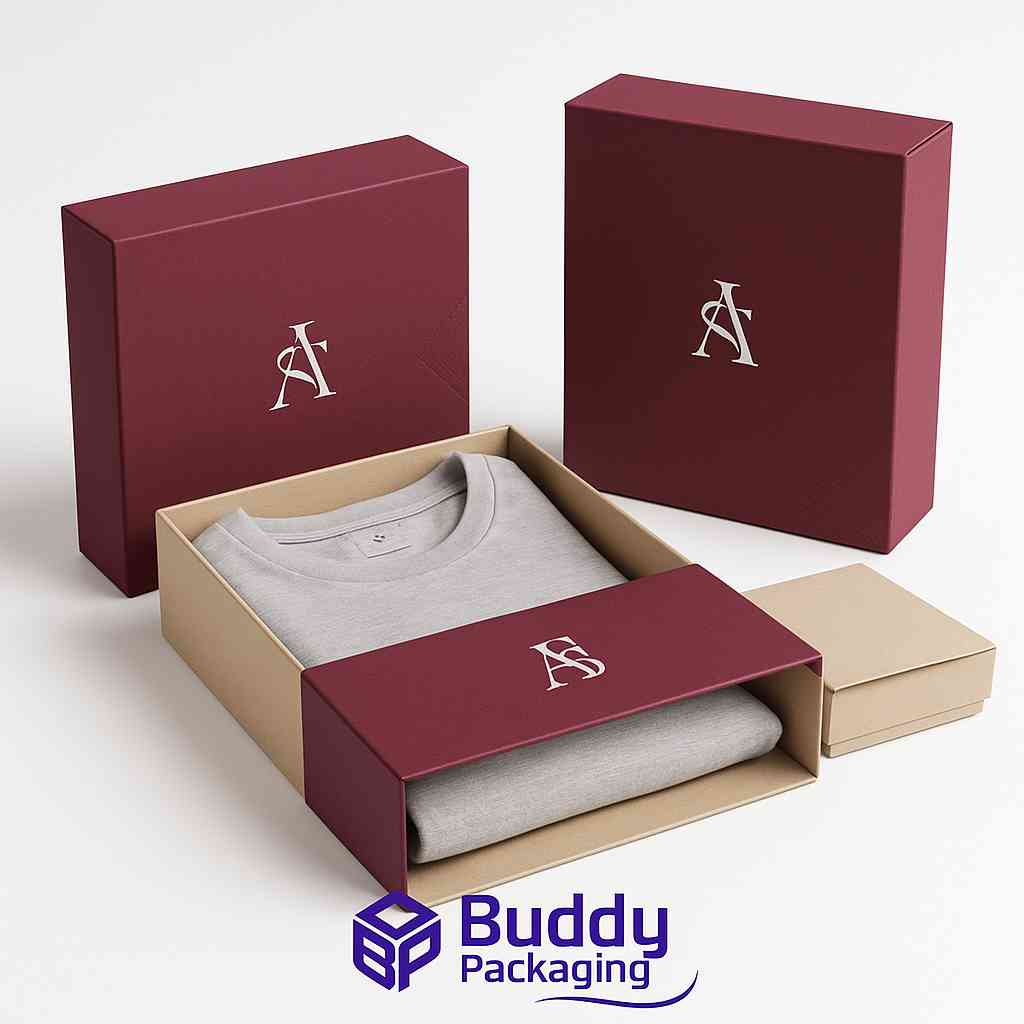
Apparel Sleeve Boxes
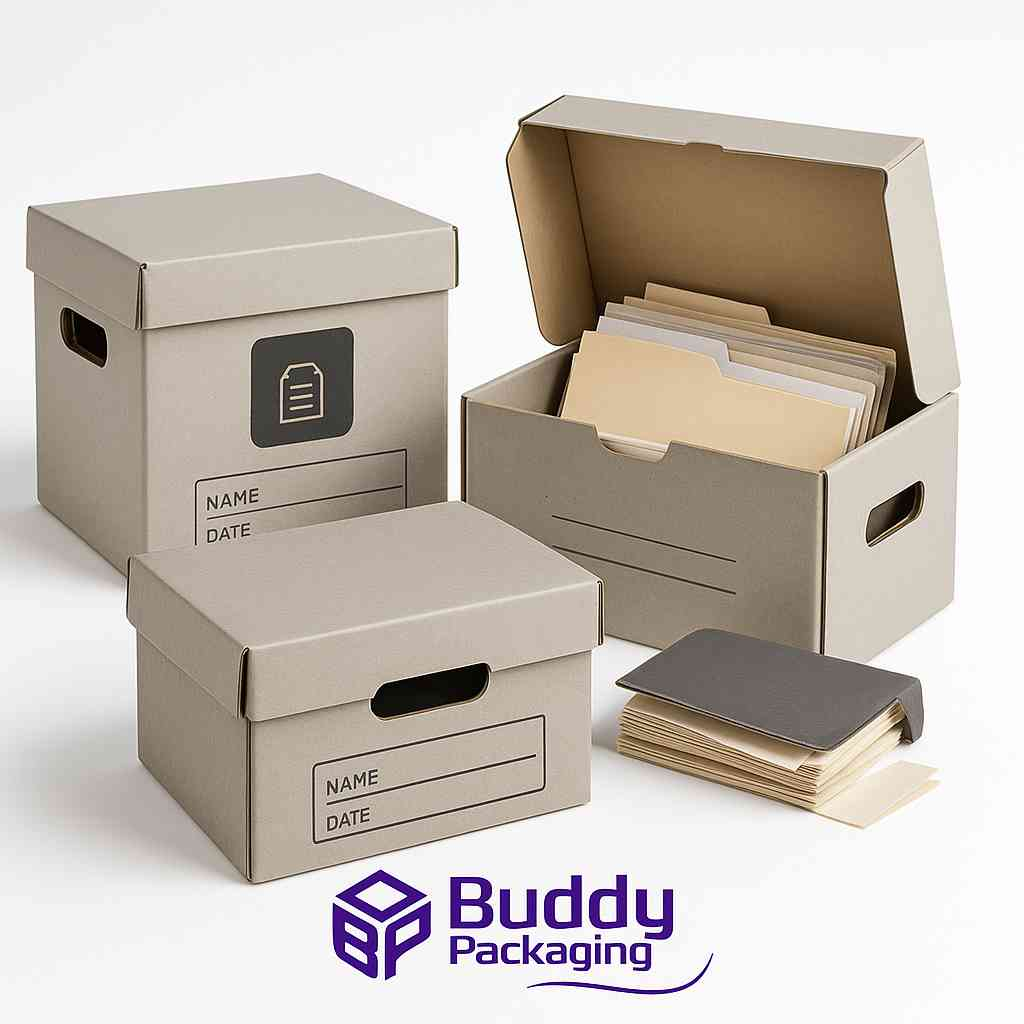
Archive Boxes

wafa
Packaging & Print SpecialistTechnical packaging specialist at Buddy Packaging UK, sharing insights on corrugated board packaging, custom dielines, and print production.
View all packaging articles by wafa →