Cd Cover Packaging Design
Introduction
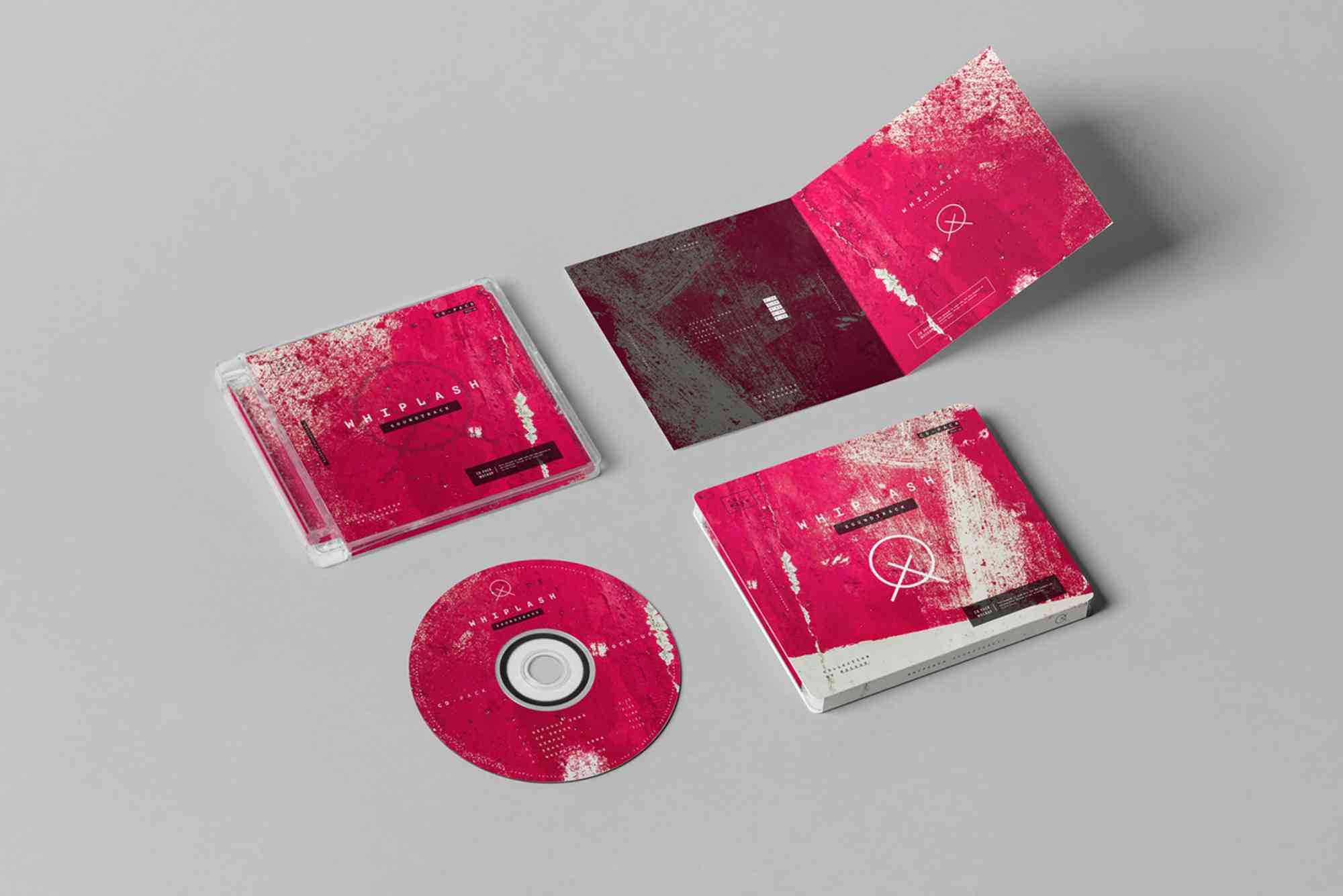
CD cover packaging design remains one of the most powerful branding tools in the music, software, entertainment, and promotional industries. Although digital streaming dominates modern media consumption, physical CDs still hold remarkable value for collectors, artists, businesses, and event marketers. A thoughtfully crafted CD package creates a memorable first impression while protecting the product inside.
Today, businesses and independent creators understand that packaging is no longer just about storage. Instead, it represents brand identity, storytelling, and customer experience. High-quality CD cover packaging design combines creativity, functionality, and premium finishing techniques to elevate a product’s perceived value.
Whether you are producing a music album, software disc, training materials, or promotional media, your packaging speaks before the customer even interacts with the content. Therefore, investing in strategic and visually engaging CD packaging can significantly influence buying decisions and brand recognition.
Moreover, companies across the UK increasingly seek sustainable, stylish, and customized solutions that align with modern consumer expectations. As a result, professional packaging providers are focusing on innovative materials, eco-conscious printing, and premium finishing options.
For businesses looking to improve branding consistency alongside packaging, exploring Custom Packaging solutions can help create a unified product presentation strategy.
Why CD Cover Packaging Design Still Matters
Despite digital transformation, physical media continues to hold emotional and commercial value. Limited-edition albums, collector sets, corporate presentations, and event merchandise often rely on attractive CD packaging to stand out.

A professionally designed package creates anticipation and excitement. Consumers associate quality packaging with quality content. Consequently, poor design can reduce trust and lower perceived value.
Additionally, CD cover packaging design supports branding in ways digital platforms cannot replicate. Textures, finishes, colours, and structural creativity offer tactile experiences that build emotional connections with audiences.
For musicians especially, album packaging becomes part of artistic expression. Iconic album covers often become cultural symbols remembered for decades. Therefore, packaging design contributes not only to product sales but also to long-term brand identity.
The Psychology Behind CD Cover Packaging Design
Packaging influences human perception through colours psychology, typography, layout, and visual storytelling. Successful CD cover packaging design communicates emotion before a single word is read.
Warm colours create energy and excitement, while darker palettes convey sophistication and mystery. Minimalist layouts often reflect premium branding, whereas vibrant graphics attract younger audiences.
Typography also plays a major role. Elegant serif fonts suggest tradition and professionalism. Meanwhile, modern sans-serif styles create a sleek contemporary feel.
Furthermore, visual hierarchy guides consumers through information naturally. Designers strategically position titles, imagery, and branding elements to ensure instant readability and engagement.
Because of this psychological impact, effective CD packaging can increase product desirability and customer retention.
Essential Elements of Professional CD Cover Packaging Design
Brand Consistency
Consistency strengthens brand recognition across all marketing channels. Your CD packaging should align with logos, colours, messaging, and overall brand identity.
When customers recognise familiar branding elements, they develop stronger trust in the product and company behind it.
High-Resolution Artwork
Low-quality images immediately reduce professionalism. Therefore, premium CD cover packaging design always uses sharp, high-resolution graphics suitable for professional printing.
Clear visuals enhance product appeal while reinforcing quality standards.
Readable Typography
Beautiful typography must remain readable. Designers should avoid overcrowded layouts and overly decorative fonts that reduce clarity.
Readable text improves user experience and ensures essential information remains accessible.
Durable Materials
Packaging durability matters significantly. Customers expect CD cases and covers to protect discs from scratches, dust, and damage.
Strong cardboard sleeves, rigid cases, and laminated finishes increase longevity while improving visual presentation.
Creative Layout Structure
Unique layouts create memorable experiences. Fold-out sleeves, digipaks, embossed covers, and interactive packaging elements enhance customer engagement.
Creative structural design differentiates products in competitive retail environments.
Popular Types of CD Cover Packaging Design
Jewel Cases
Traditional jewel cases remain common because they are durable and cost-effective. They include transparent plastic covers that allow visible artwork presentation.
Although classic, modern brands often customize inserts and tray cards for improved visual appeal.
Digipaks
Digipaks offer a premium eco-friendly alternative to plastic cases. These cardboard-based packages create elegant presentation while supporting sustainability goals.
Many musicians prefer digipaks because they feel more artistic and luxurious.
Cardboard Sleeves
Cardboard sleeves are minimalist and budget-friendly. They work well for promotional CDs, corporate materials, and event giveaways.
Despite simplicity, creative printing can make sleeves highly attractive.
Gatefold Packaging
Gatefold designs open like books, offering expanded space for artwork, lyrics, or storytelling content.
This format is especially popular for collector editions and artistic album presentations.
Eco-Friendly Packaging
Sustainable packaging has become increasingly important in the UK market. Recyclable materials, soy-based inks, and biodegradable coatings reduce environmental impact while improving brand perception.
Environmentally responsible CD cover packaging design appeals strongly to modern consumers.
The Role of Printing Techniques in CD Cover Packaging Design
Printing quality dramatically influences final presentation. Even excellent design concepts can fail with poor printing execution.
Offset printing remains ideal for large production runs because it delivers consistent colours accuracy and sharp detail. Digital printing, however, works well for smaller quantities and personalised projects.
Finishing techniques further enhance visual impact. Matte lamination creates sophisticated softness, while gloss coating increases vibrancy and shine.
Foil stamping adds metallic luxury. Embossing introduces texture and depth. Spot UV highlights specific design elements with reflective contrast.
Businesses seeking professional industry updates often explore print & finishing insights to stay informed about evolving printing technologies and creative finishing trends.
How CD Cover Packaging Design Influences Consumer Buying Decisions
Packaging significantly affects purchasing behaviour. In retail settings especially, customers often judge products within seconds.
Eye-catching CD cover packaging design attracts attention and creates emotional curiosity. Consumers naturally gravitate towards products that appear professional and visually appealing.
Moreover, premium packaging increases perceived value. Customers may willingly pay higher prices for products presented elegantly.
For artists and businesses, this means packaging directly contributes to profitability and customer loyalty.
Strong packaging also improves social sharing. Unique and beautiful CD designs frequently appear in unboxing videos and online photography, generating organic marketing exposure.
Designing CD Packaging for Music Artists
Reflecting Musical Identity
Packaging should visually represent musical style and emotional tone. Rock albums often use bold imagery, while acoustic genres may favour minimalist aesthetics.
Visual consistency strengthens artistic identity and audience connection.
Storytelling Through Design
Album packaging offers storytelling opportunities beyond music itself. Lyrics, photography, artwork, and personal messages deepen audience engagement.
Thoughtful storytelling transforms packaging into collectible art.
Limited Edition Appeal
Collectors value exclusivity. Limited edition CD cover packaging design featuring numbered prints, special finishes, or signed inserts creates stronger demand.
Premium presentation enhances fan loyalty while increasing product value.
Corporate Uses of CD Cover Packaging Design
CD packaging extends beyond entertainment. Businesses frequently use branded CDs for software distribution, presentations, training materials, and marketing campaigns.
Professional packaging reinforces corporate credibility. Clean layouts, premium finishes, and organised information presentation communicate reliability and attention to detail.
Additionally, customized packaging creates stronger impressions during conferences, meetings, and promotional events.
Companies often integrate QR codes, contact details, and branded messaging into packaging to maximise marketing effectiveness.
Sustainable Trends in CD Cover Packaging Design
Sustainability continues shaping packaging innovation across the UK. Consumers increasingly support brands demonstrating environmental responsibility.
As a result, eco-conscious CD cover packaging design now prioritises recyclable paperboard, reduced plastic usage, and environmentally friendly inks.
Minimalist designs also reduce material waste while creating modern aesthetics.
Furthermore, sustainable packaging often improves brand trust and customer loyalty because consumers appreciate ethical business practices.
Brands adopting green packaging strategies position themselves competitively within environmentally aware markets.
Common Mistakes in CD Cover Packaging Design
Overcrowded layouts reduce readability and visual impact. Simplicity often creates stronger results than excessive design elements.
Poor colours choices can weaken branding consistency. Colours should align with emotional tone and target audience expectations.
Low-quality printing materials damage brand reputation. Premium packaging requires durable materials and professional finishing.
Ignoring user experience is another common issue. Packaging should open easily while securely protecting the product.
Lastly, inconsistent branding confuses customers. Every visual element should support a cohesive brand identity.
How to Choose the Right CD Cover Packaging Design Partner
Selecting an experienced packaging company significantly affects final quality. Businesses should evaluate portfolio examples, printing capabilities, and material options before choosing a provider.
Strong communication matters equally. Designers must understand brand goals, audience expectations, and technical requirements.
Reliable packaging partners also provide guidance on finishing techniques, sustainability options, and cost-efficient production methods.
Additionally, local expertise can improve project efficiency and customer support. Businesses searching for packaging assistance may benefit from visiting Buddy Packaging Location for professional consultation and packaging solutions.
Future Trends in CD Cover Packaging Design
Although physical media markets evolve, creative packaging innovation continues growing. Augmented reality integration, smart packaging, and interactive experiences are becoming more common.
QR-enabled packaging now connects physical products with digital content instantly. Customers can access videos, bonus tracks, or exclusive online experiences directly through packaging interaction.
Textured materials and luxury finishes are also gaining popularity as brands seek stronger sensory engagement.
Meanwhile, minimalist eco-conscious design trends continue shaping consumer preferences across global markets.
Ultimately, CD cover packaging design is evolving from simple protection into immersive brand storytelling.
FAQs About CD Cover Packaging Design
What is CD cover packaging design?
CD cover packaging design refers to the visual and structural presentation used to protect and promote CDs. It includes artwork, typography, materials, printing, and finishing techniques.
Why is CD packaging important?
CD packaging influences customer perception, strengthens branding, protects the disc, and increases product appeal. High-quality packaging can improve sales and customer loyalty.
What materials are used in CD cover packaging design?
Common materials include cardboard, paperboard, plastic jewel cases, recycled paper, and laminated finishes. Sustainable materials are increasingly popular.
What is the best packaging style for music albums?
Digipaks are widely preferred because they combine premium presentation with eco-friendly construction. However, the ideal style depends on branding goals and budget.
Can eco-friendly CD packaging look premium?
Yes. Modern sustainable materials support luxury finishes, elegant textures, and high-quality printing while remaining environmentally responsible.
How much does custom CD packaging cost?
Costs vary depending on material quality, printing methods, quantity, and finishing options. Premium features generally increase pricing but improve perceived value.
What printing method is best for CD packaging?
Offset printing works best for large production runs, while digital printing suits smaller personalised orders.
CD cover packaging design continues to play a crucial role in branding, customer engagement, and product presentation. While digital media dominates convenience, physical packaging still delivers emotional value and memorable experiences that online platforms cannot replicate.
From music albums to corporate presentations, effective packaging enhances professionalism, strengthens brand identity, and increases perceived product value. Businesses and creators who invest in premium design, sustainable materials, and innovative finishes position themselves more competitively within evolving markets.
As consumer expectations continue rising, thoughtful CD cover packaging design becomes more than visual decoration. It becomes a strategic branding asset capable of influencing buying behaviour and long-term customer loyalty.
Related Reading: Contact Lens Packaging Design
Related Reading: Chanel Packaging Design — full guide
Related Reading: Donut Packaging Design — full guide
Related Reading: Aldi Packaging Design — full guide
Related Reading: Bold Packaging Design — full guide
Related Reading: Cereal Packaging Design — full guide
Related Reading: Beautiful Packaging Design — full guide
