Cleaning Product Packaging Design
Introduction
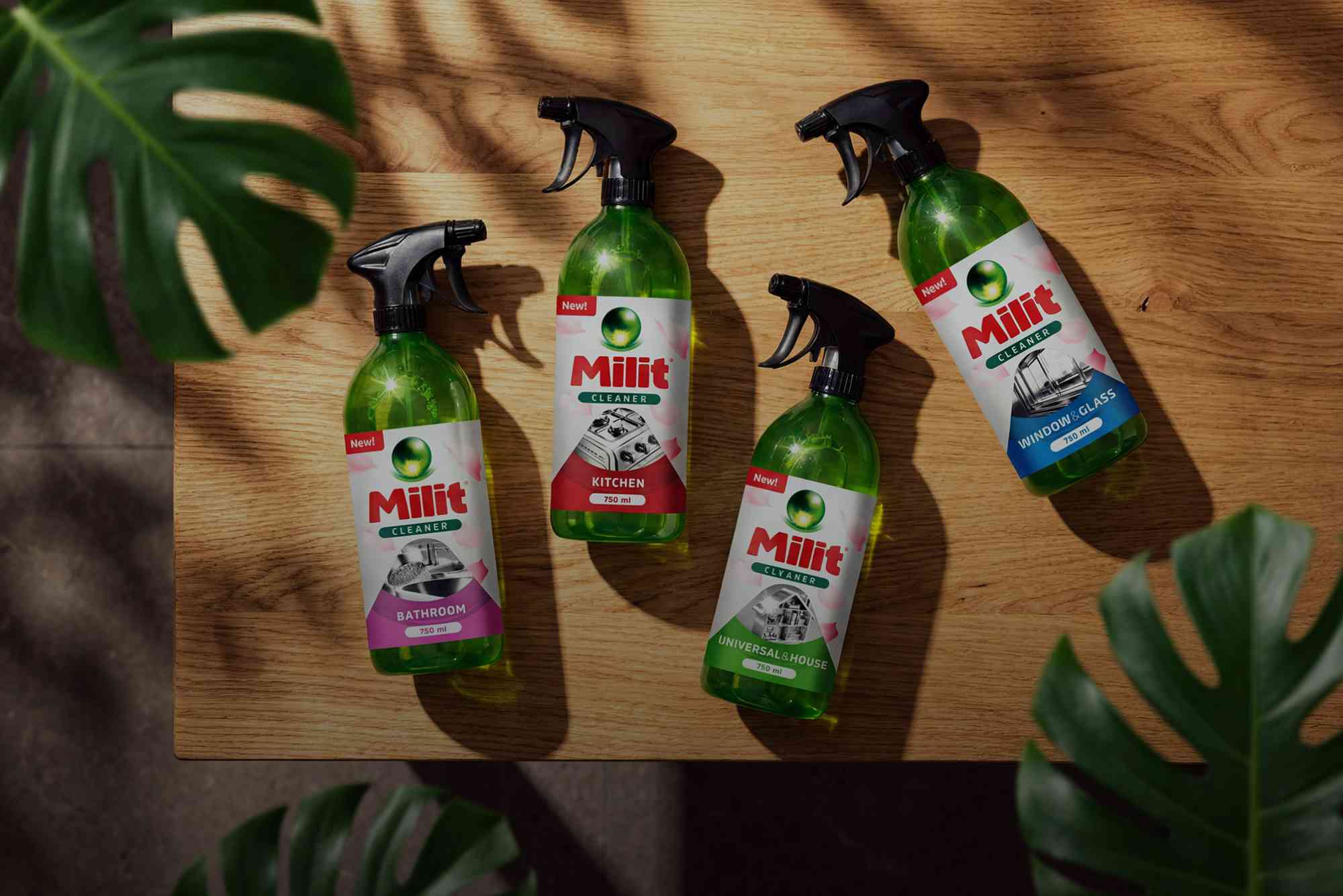
Cleaning product packaging design plays a major role in how customers perceive household and commercial cleaning brands. In today’s competitive retail market, packaging is no longer only about storing liquids, sprays, or powders safely. It has become a strategic branding tool that influences purchasing decisions, improves shelf visibility, and communicates product quality instantly.
Consumers often judge a cleaning product before reading its ingredients or features. A bottle shape, label colour, typography, and eco-friendly material can create trust within seconds. Whether you are launching a new detergent, disinfectant spray, floor cleaner, or eco-conscious cleaning solution, investing in effective cleaning product packaging design can significantly increase brand recognition and customer loyalty.
Businesses across the cleaning industry now focus on packaging that combines durability, functionality, sustainability, and visual appeal. The right packaging design helps products stand out while also protecting formulas from leakage, contamination, and damage during transportation.
Why Cleaning Product Packaging Design Matters
The cleaning industry is filled with competing brands fighting for customer attention. Supermarkets and online stores display hundreds of cleaning products that often offer similar functionality. Packaging becomes the deciding factor for many buyers.
A well-planned cleaning product packaging design instantly communicates professionalism and reliability. Customers want packaging that feels secure, easy to use, and visually trustworthy. Bright colours often signal freshness and cleanliness, while minimalist designs may attract environmentally conscious consumers.
Packaging also influences emotional buying behavior. People associate certain colours and styles with hygiene, safety, and effectiveness. Blue and white tones commonly represent cleanliness, while green often symbolizes eco-friendly ingredients and sustainable manufacturing practices.

Strong packaging design improves brand memorability. When customers repeatedly recognize a bottle shape, logo placement, or typography style, they are more likely to repurchase the product in the future.
The Relationship Between Branding and Packaging
Brand identity and packaging are deeply connected. Packaging acts as the physical representation of a company’s values, mission, and product quality. Without a clear branding strategy, even premium cleaning products can appear generic on retail shelves.
Professional cleaning product packaging design includes logo consistency, recognizable colour schemes, readable typography, and high-quality printing. Every detail contributes to creating a trustworthy customer experience.
Businesses that invest in premium packaging often gain stronger market positioning. Consumers associate attractive packaging with better product performance, even before trying the cleaner itself.
For businesses searching for premium Custom Packaging, choosing tailored packaging solutions can strengthen branding and improve overall product presentation. Customised packaging helps businesses differentiate themselves in highly saturated cleaning markets.
Key Elements of Effective Cleaning Product Packaging Design
Material Selection
Packaging materials affect durability, sustainability, and user experience. Cleaning products usually require containers resistant to chemicals, moisture, and pressure changes.
Plastic remains one of the most common choices because of its affordability and flexibility. However, many modern brands are shifting toward recyclable and biodegradable materials to meet environmental expectations.
Glass containers can create a premium appearance for eco-friendly or luxury cleaning products, though they may increase transportation costs and breakage risks.
The material should align with the target audience and product positioning.
Functional Design
Functionality is essential in cleaning product packaging design. Consumers prefer bottles and containers that are easy to grip, open, pour, and store.
Spray nozzles should distribute product evenly without leakage. Caps should remain secure during shipping. Handles on larger containers improve convenience for customers using industrial or household cleaning products.
Ergonomic packaging design enhances usability and customer satisfaction.
Typography and Label Design
Labels must communicate important information clearly. Customers should quickly understand the product’s purpose, ingredients, safety instructions, and usage guidelines.
Typography should remain readable from a distance. Overcrowded labels often confuse consumers and reduce visual impact.
Simple fonts paired with balanced spacing create a cleaner, more professional appearance. Effective cleaning product packaging design uses typography strategically to reinforce trust and readability.
Colour Psychology
Colour selection heavily influences customer perception. Different shades trigger different emotional responses and expectations.
Blue often represents freshness and hygiene. Green symbolizes sustainability and natural ingredients. White communicates purity and simplicity. Bright yellow may suggest energy and powerful stain removal.
Choosing the right colour palette helps align the packaging with the intended audience and product message.
Sustainable Trends in Cleaning Product Packaging Design
Sustainability has become one of the biggest trends in packaging design across all industries. Consumers increasingly prefer brands that reduce environmental impact.
Modern cleaning product packaging design now includes recyclable plastics, compostable materials, refill pouches, and reusable containers. Many brands are reducing excessive packaging and switching to minimalistic label printing to lower waste production.
Refill systems have also gained popularity. Customers purchase a reusable spray bottle once and refill it with concentrated cleaning formulas later. This reduces plastic waste while encouraging repeat purchases.
Eco-conscious packaging strengthens brand reputation and attracts environmentally aware consumers.
Brands seeking fresh packaging design inspiration often study successful sustainable packaging concepts used by leading global companies.
How Packaging Influences Buying Decisions
Packaging significantly impacts customer behavior in both physical stores and online marketplaces.
In retail environments, customers make rapid decisions based on visual appeal. Eye-catching packaging attracts attention within seconds. Products with poor packaging may be ignored even if their formulas are superior.
For eCommerce businesses, packaging affects unboxing experiences and customer reviews. Durable, visually attractive packaging creates a positive first impression and increases social sharing opportunities.
Trust also plays a major role. Customers often associate poorly designed packaging with lower product quality or questionable safety standards. Professional packaging reassures buyers that the product meets industry expectations.
The Importance of Safety in Cleaning Product Packaging Design
Cleaning products frequently contain strong chemicals, making safety a critical packaging concern.
Packaging should prevent accidental leakage, contamination, or misuse. Child-resistant caps are especially important for products containing bleach, disinfectants, or toxic ingredients.
Warning labels must remain clear and visible. Regulatory compliance is essential to avoid legal complications and ensure consumer safety.
Tamper-proof seals also improve customer confidence by confirming product integrity before use.
Modern Packaging Styles in the Cleaning Industry
Minimalist packaging has become increasingly popular among premium and eco-conscious brands. Clean layouts, neutral tones, and simple typography create a sophisticated appearance that appeals to modern consumers.
Bold packaging styles still dominate industrial and commercial cleaning sectors. High-contrast colours and strong typography communicate power, efficiency, and deep-cleaning capabilities.
Transparent containers are another growing trend. Customers appreciate seeing the product colour and consistency before purchase. Transparency creates authenticity and builds trust.
Smart packaging technologies are also emerging. QR codes on labels can provide cleaning tips, ingredient details, sustainability information, or promotional offers.
Custom Packaging Solutions for Growing Brands
Smaller businesses and startups can benefit greatly from customised packaging. Unique packaging shapes and branding elements help emerging brands compete with larger corporations.
Custom packaging also improves customer retention. When customers remember a brand’s distinctive packaging, repeat purchases become more likely.
Businesses launching niche cleaning products, such as organic cleaners or luxury home-care solutions, often rely heavily on personalised packaging to communicate exclusivity and premium quality.
Working with experienced packaging manufacturers ensures that the packaging meets industry standards while reflecting the company’s branding goals.
Packaging Design Challenges in the Cleaning Industry
Designing packaging for cleaning products involves balancing aesthetics, safety, cost, and sustainability.
One common challenge is maintaining durability while reducing environmental impact. Sustainable materials sometimes increase production costs or reduce packaging strength.
Another challenge involves standing out in crowded markets. Many cleaning brands use similar colours and design styles, making differentiation difficult.
Regulatory compliance also requires careful attention. Labels must include legally required warnings, ingredients, and instructions without overwhelming the design.
Achieving all these goals simultaneously requires thoughtful planning and professional expertise.
Future Trends in Cleaning Product Packaging Design
The future of cleaning product packaging design will likely focus even more on sustainability, digital integration, and user convenience.
Reusable packaging systems are expected to expand rapidly. More brands may introduce refill stations or subscription-based refill delivery services.
Biodegradable plastics and plant-based packaging materials will continue gaining popularity as environmental regulations become stricter.
Interactive packaging could also become more common. Smart labels, augmented reality experiences, and digital product authentication may improve customer engagement and trust.
Minimalist branding combined with eco-conscious materials will remain a dominant design direction for modern cleaning brands.
If you want premium-quality packaging solutions tailored to your business needs, explore trusted providers offering innovative and customised packaging options. You can also check the Buddy Packaging Location for professional packaging services and support.
FAQs
What is cleaning product packaging design?
Cleaning product packaging design refers to the creation of containers, labels, and branding elements for cleaning products. It combines functionality, safety, and visual appeal to attract customers and protect products.
Why is packaging important for cleaning products?
Packaging helps products stand out on shelves, communicates brand identity, improves customer trust, and ensures safe storage and transportation of chemical formulas.
What materials are commonly used in cleaning product packaging design?
Plastic, recyclable PET, glass, aluminum, and biodegradable materials are commonly used depending on the product type and sustainability goals.
How does sustainable packaging help cleaning brands?
Sustainable packaging reduces environmental impact, improves brand reputation, attracts eco-conscious customers, and supports long-term business growth.
What colours work best for cleaning product packaging?
Blue, green, and white are commonly used because they represent cleanliness, freshness, purity, and environmental friendliness.
Can custom packaging improve sales?
Yes, custom packaging strengthens brand recognition, improves shelf visibility, enhances customer experience, and increases the likelihood of repeat purchases.
Related Reading: Wholesale Suppliers and B2B Sourcing: A Practical Guide to Bulk Product Ordering for Growing Brands
Related Reading: Caviar Packaging Design
Shop the boxes from this guide
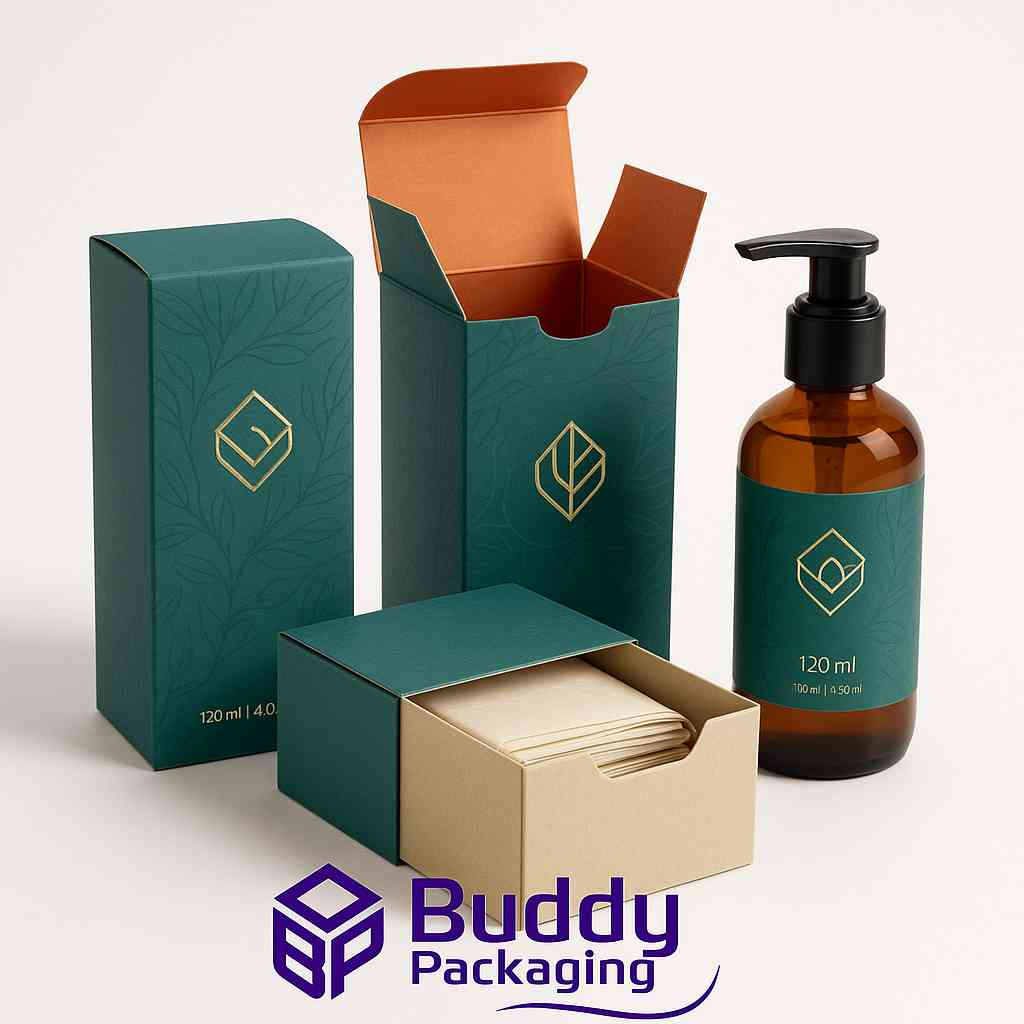
120ml Bottle Boxes
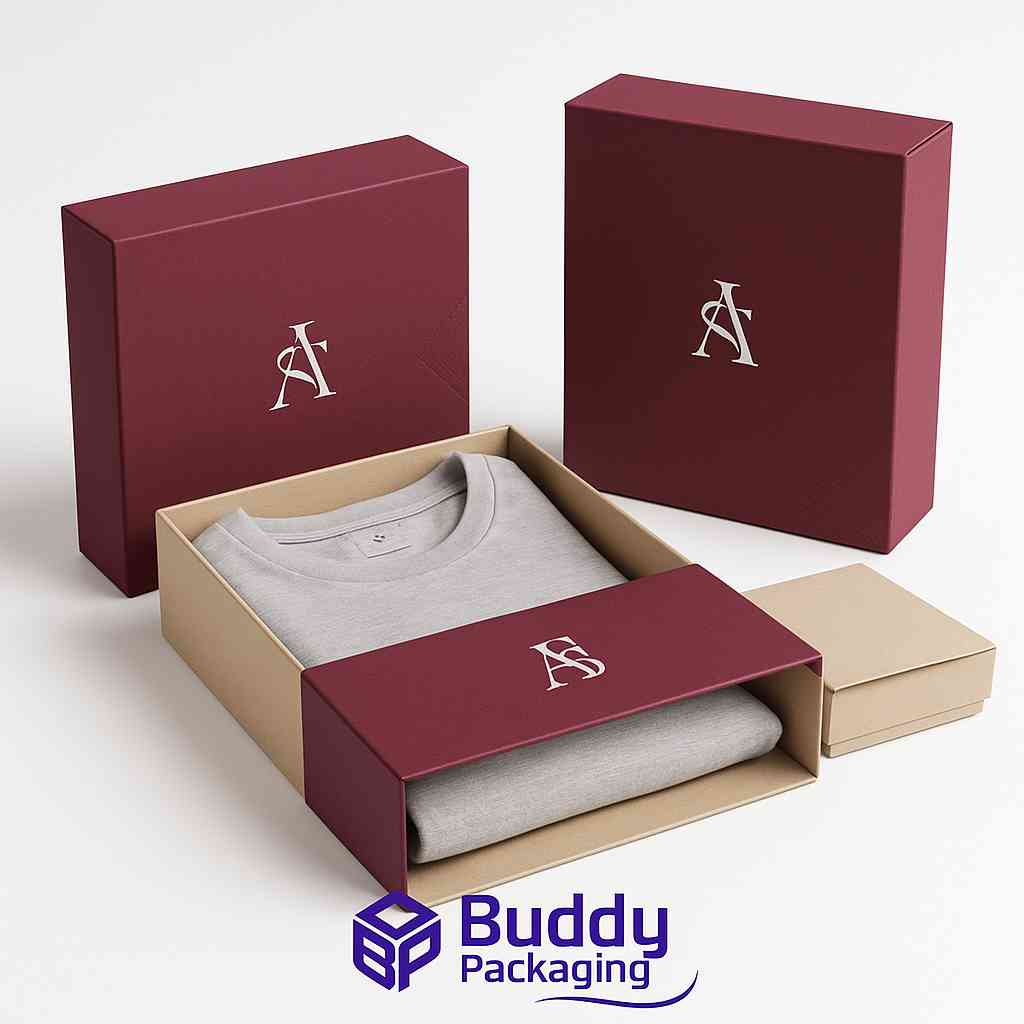
Apparel Sleeve Boxes
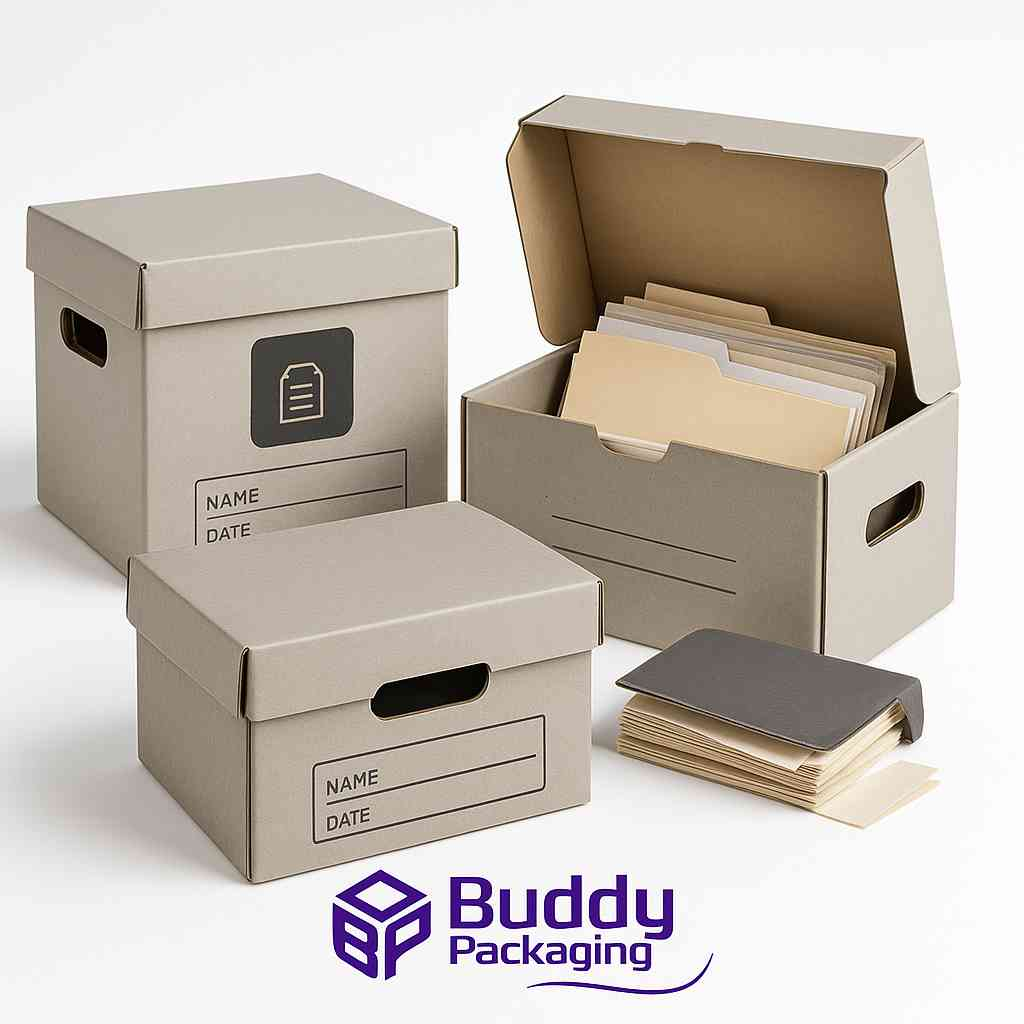
Archive Boxes

buddypackaginguk
Packaging & Print SpecialistTechnical packaging specialist at Buddy Packaging UK, sharing insights on corrugated board packaging, custom dielines, and print production.
View all packaging articles by buddypackaginguk →