beauty packaging design
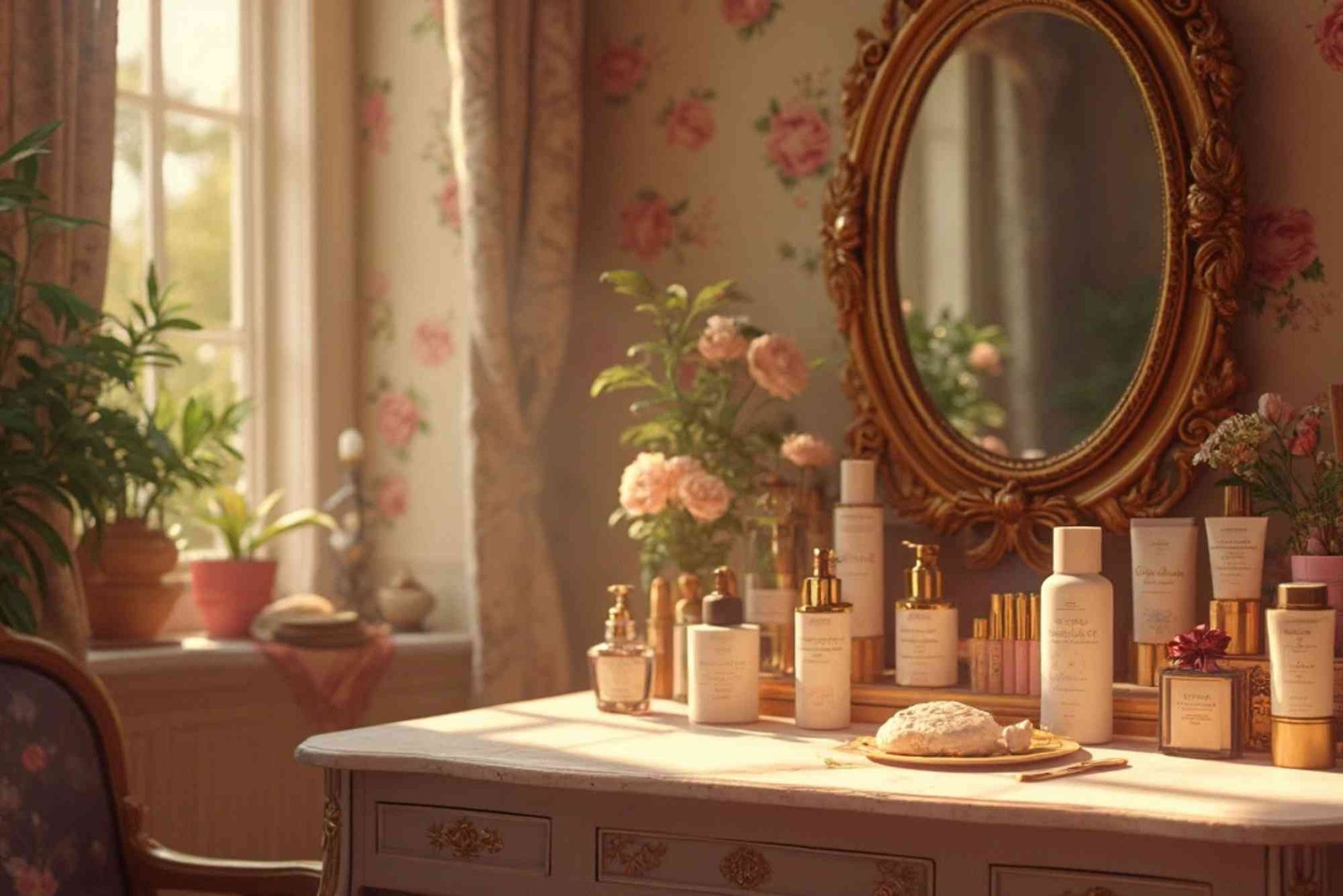
Beauty Packaging Design: Creating Packaging That Sells
Beauty packaging design is more than an attractive box, bottle or jar. It is a powerful part of a beauty brand’s identity. Before customers try a product, they often notice its packaging first. Therefore, thoughtful packaging can influence perception, communicate quality and encourage purchases.
In the beauty industry, appearance matters because consumers associate visual details with product performance. Colours, typography, materials, shapes and finishes can all communicate a specific brand personality.
However, successful beauty packaging design needs more than visual appeal. It should also protect the product, provide useful information and create a convenient customer experience. The best designs combine creativity with practical thinking.
Whether you are launching skincare, cosmetics, haircare or fragrance products, packaging deserves careful attention. A strong design can help your product stand confidently on crowded shelves and digital storefronts.
Why Beauty Packaging Design Matters
The beauty market is highly competitive. Customers can choose from countless products with similar functions and promises. Consequently, packaging can become an important point of difference.
Effective beauty packaging design communicates what makes a product special within seconds. A premium design may suggest luxury, while simple packaging can communicate natural ingredients and modern values.

Packaging also creates the first physical interaction between customers and a brand. When that experience feels considered, customers may develop stronger trust in the product.
Packaging Builds Brand Recognition
Consistent packaging helps customers recognise a brand quickly. Repeated colours, fonts, shapes and graphic elements create visual familiarity.
For example, a skincare company might use soft colours and clean typography across its entire range. Customers can then identify the brand without reading every word.
This consistency becomes particularly valuable when a brand expands its product range. Every new item can feel connected to the same visual identity.
Packaging Influences Perceived Quality
Customers often judge quality through visual and physical details. A poorly designed package may make an otherwise excellent product appear less valuable.
In contrast, carefully selected materials and finishes can create a premium impression. Texture, weight, printing quality and structural design all contribute to this experience.
However, premium does not always mean expensive. A well-planned minimalist package can feel sophisticated without unnecessary decoration.
Key Elements of Effective Beauty Packaging Design
A successful beauty packaging design balances several creative and practical elements. Each decision should support the brand’s positioning and customer expectations.
Colour Selection
Colour is one of the first elements customers notice. Different colour palettes can create very different emotional responses.
Neutral colours often communicate elegance and simplicity. Bright colours can create energy and playfulness. Pastel shades may suggest softness, freshness or gentleness.
The right palette depends on the target audience and product category. It should also remain recognisable across different packaging sizes.
Typography
Typography affects both personality and readability. Elegant serif fonts may suit luxury skincare, while modern sans-serif fonts can create a clean appearance.
Nevertheless, creativity should never reduce readability. Product names, ingredients and important instructions must remain easy to understand.
Typography should also work across packaging, websites, advertising and social media. This creates a consistent brand experience.
Packaging Shape
The shape of a container can become a memorable brand feature. Unusual silhouettes can attract attention and create differentiation.
However, innovative shapes should remain practical. Customers need to open, hold, store and use the product comfortably.
For example, a beautiful cream jar becomes less effective if its shape makes everyday application difficult.
Materials and Finishes
Materials influence both appearance and customer perception. Glass, paperboard, aluminium and recyclable plastics can create different impressions.
Finishing techniques can add further character. Embossing, foil details, matte coatings and textured surfaces may create a more sophisticated appearance.
The choice should reflect the product’s positioning while considering production costs and environmental impact.
Beauty Packaging Design and Sustainability
Sustainability has become increasingly important in packaging decisions. Customers are paying closer attention to waste, materials and responsible production.
Brands can respond by reducing unnecessary packaging and selecting materials with better environmental credentials.
Reducing Unnecessary Packaging
A package should protect the product without creating excessive waste. Removing unnecessary layers can simplify production and improve the customer experience.
For instance, a skincare product may not require several decorative boxes and inserts. A carefully engineered primary package may provide sufficient protection.
Choosing Better Materials
Material selection should consider the entire product lifecycle. Recyclability, durability and responsible sourcing can all influence the decision.
However, sustainability claims should be accurate. Brands should avoid vague environmental statements that cannot be supported.
Clear communication can help customers understand why a particular material was selected.
The Role of Custom Packaging
Custom packaging allows brands to create a visual experience around their specific products. Generic containers may be practical, but they often provide fewer opportunities for differentiation.
Using [Custom Packaging] as part of a broader brand strategy can help create a distinctive presentation. The design can reflect the product’s personality, audience and positioning.
Custom solutions can also address functional requirements. A brand may need a specific closure, bottle shape, insert or protective structure.
Therefore, customisation should focus on both appearance and usability.
How Packaging Supports the Customer Experience
Great beauty packaging design continues working after the purchase. It should make the product enjoyable and straightforward to use.
Opening the package can become part of the overall experience. Thoughtful details can create anticipation and reinforce the brand’s personality.
The package should also provide essential information clearly. Customers may need to find directions, ingredients, warnings and product details quickly.
A confusing package can create frustration. A clear package can make the product feel easier and more professional.
Designing for Online Shopping
Beauty products are increasingly discovered online. Therefore, packaging must work well in photographs and videos.
Strong contrast, distinctive shapes and recognisable branding can help products remain identifiable in digital environments.
Packaging should also look attractive when displayed in social media content. Unboxing experiences can generate valuable organic attention when customers enjoy sharing them.
Understanding Your Target Customer
Beauty packaging design should begin with the audience rather than personal preference. A design that appeals to one demographic may fail with another.
Consider the customer’s expectations, lifestyle and purchasing behaviour. Luxury consumers may expect sophisticated details, while younger audiences may respond to bold and expressive designs.
Cultural context can also influence colour, imagery and symbolism. Brands selling internationally should therefore test their visual choices across relevant markets.
Packaging Design and Brand Positioning
Packaging should immediately support the brand’s market position. A luxury product should not look identical to a budget product.
Similarly, an organic skincare brand may benefit from natural visual cues. A technology-focused beauty brand might favour modern shapes and minimalist graphics.
Every element should tell the same story. When the design, product claims and brand message align, customers receive a clearer impression.
This is where resources such as print & finishing insights can help designers understand how production techniques affect the final result.
The Importance of Location and Production
Packaging production requires more than selecting a design. Manufacturing location can influence costs, timelines, material availability and quality control.
Brands should consider suppliers based on their capabilities rather than price alone. Reliable production can prevent inconsistencies between design concepts and finished packaging.
Understanding the Buddy Packaging Location can also be useful when evaluating packaging production considerations, supply chains and manufacturing requirements.
A strong relationship between designers and packaging manufacturers often produces better results. Early communication can identify technical limitations before production begins.
A Practical Beauty Packaging Design Process
The design process should combine research, creativity and testing. Starting with a clear strategy reduces costly changes later.
Begin by defining the brand’s personality and target customer. Then establish the visual direction, including colours, typography and imagery.
Next, develop structural concepts that consider product protection and usability. After that, create prototypes before approving mass production.
Testing is particularly important. A package may look excellent digitally but perform poorly in real conditions.
Check how it feels in the hand, how easily it opens and whether labels remain readable. Also consider how it looks under different lighting conditions.
Beauty Packaging Design Trends
Packaging trends change frequently, but brands should avoid following trends blindly. A timeless design can often provide greater long-term value.
Minimalism continues to influence many beauty categories. Clean layouts, restrained colour palettes and simple typography can create a polished appearance.
Bold typography and expressive colours are also popular for brands seeking stronger shelf presence.
Another important direction is tactile design. Embossed surfaces, unusual textures and distinctive finishes can make physical packaging more memorable.
Ultimately, trends should support the brand rather than replace its identity.
Beauty Packaging Design: Key Considerations
| Design Area | Main Purpose | Important Consideration |
|---|---|---|
| Colour | Creates visual identity | Match the target audience |
| Typography | Communicates information | Prioritise readability |
| Shape | Creates differentiation | Maintain usability |
| Materials | Protects the product | Consider sustainability |
| Finishing | Adds visual impact | Balance cost and quality |
| Labelling | Provides information | Keep essential details clear |
| Structure | Supports functionality | Test before production |
| Branding | Builds recognition | Maintain visual consistency |
Common Mistakes to Avoid
One common mistake is prioritising appearance over functionality. Packaging should look attractive, but it must also work effectively.
Another problem is overcrowding the design. Too many colours, fonts and graphics can make packaging difficult to understand.
Ignoring production limitations can also cause problems. A design may require finishes or structures that are expensive or difficult to manufacture.
Finally, brands should avoid copying competitors too closely. Research can provide inspiration, but distinctive identity creates stronger long-term recognition.
How to Create Packaging That Stands Out
Start with a clear brand message. Ask what customers should understand when they first see the product.
Then build the design around that message. Select colours, materials and typography that reinforce the intended positioning.
After creating initial concepts, compare them against competing products. The goal is not simply to look attractive. The package should also be recognisable and relevant.
Finally, test the physical prototype with real users whenever possible. Their feedback can reveal practical problems that designers may overlook.
Frequently Asked Questions About Beauty Packaging Design
What is beauty packaging design?
Beauty packaging design is the process of creating the visual and structural presentation of beauty products. It combines branding, usability, protection and aesthetics.
Why is packaging important for beauty products?
Packaging creates the first impression and helps communicate product quality. It also protects the product and supports brand recognition.
What makes good beauty packaging?
Good beauty packaging combines attractive design with functionality. It should be recognisable, easy to use, informative and appropriate for its target audience.
How can packaging make a beauty brand stand out?
Distinctive colours, typography, materials, shapes and finishes can increase visual differentiation. Strong branding also helps customers recognise products quickly.
Is sustainable packaging better for beauty brands?
Sustainable packaging can reduce unnecessary waste and appeal to environmentally conscious customers. However, environmental claims should always be accurate and supported.
How much does custom beauty packaging cost?
Costs vary according to materials, dimensions, quantities, printing methods and finishing techniques. Custom structural features can also affect production costs.
Conclusion
Beauty packaging design is an important part of building a successful beauty brand. It combines visual identity, functionality, product protection and customer experience.
The strongest packaging does more than attract attention. It tells a clear brand story and makes customers feel confident about their purchase.
From colour and typography to materials and finishing, every decision matters. Therefore, brands should approach packaging strategically rather than treating it as an afterthought.
If you are developing a new beauty product or refreshing an existing range, invest time in thoughtful packaging development. Explore suitable materials, test physical prototypes and create a design that customers can recognise instantly.
A well-designed package can turn an ordinary product into a memorable brand experience. Start developing your beauty packaging design strategy today and create packaging that looks impressive, works effectively and strengthens your brand.
Related Reading: asos packaging design
Related Reading: canva packaging design — full guide
Related Reading: cd packaging design — full guide
Related Reading: craft beer packaging design — full guide
Related Reading: carton packaging design — full guide
Related Reading: blog packaging design — full guide
Related Reading: automotive parts packaging design — full guide
Related Reading: 2d packaging design — full guide
Related Reading: Drug Packaging Design — full guide
Related Reading: Diptyque Packaging Design — full guide
Shop the boxes from this guide
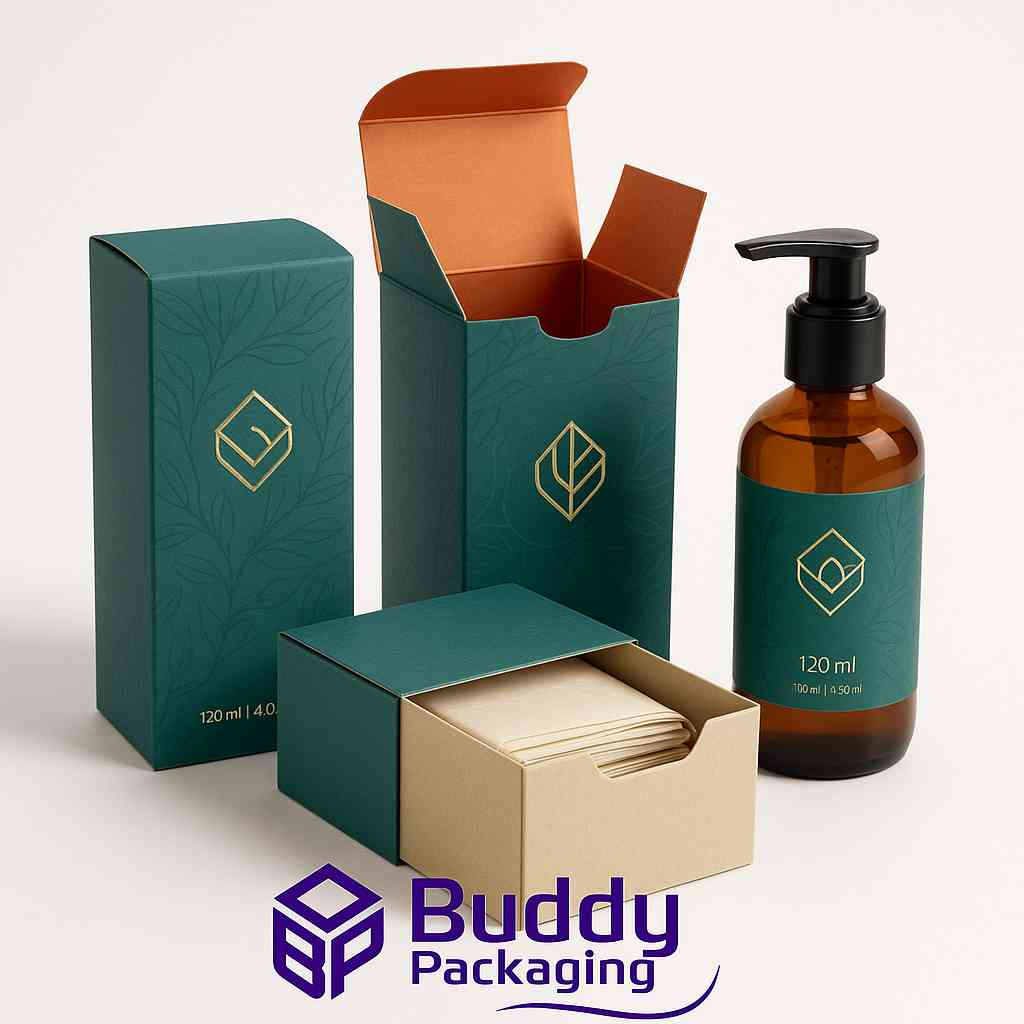
120ml Bottle Boxes
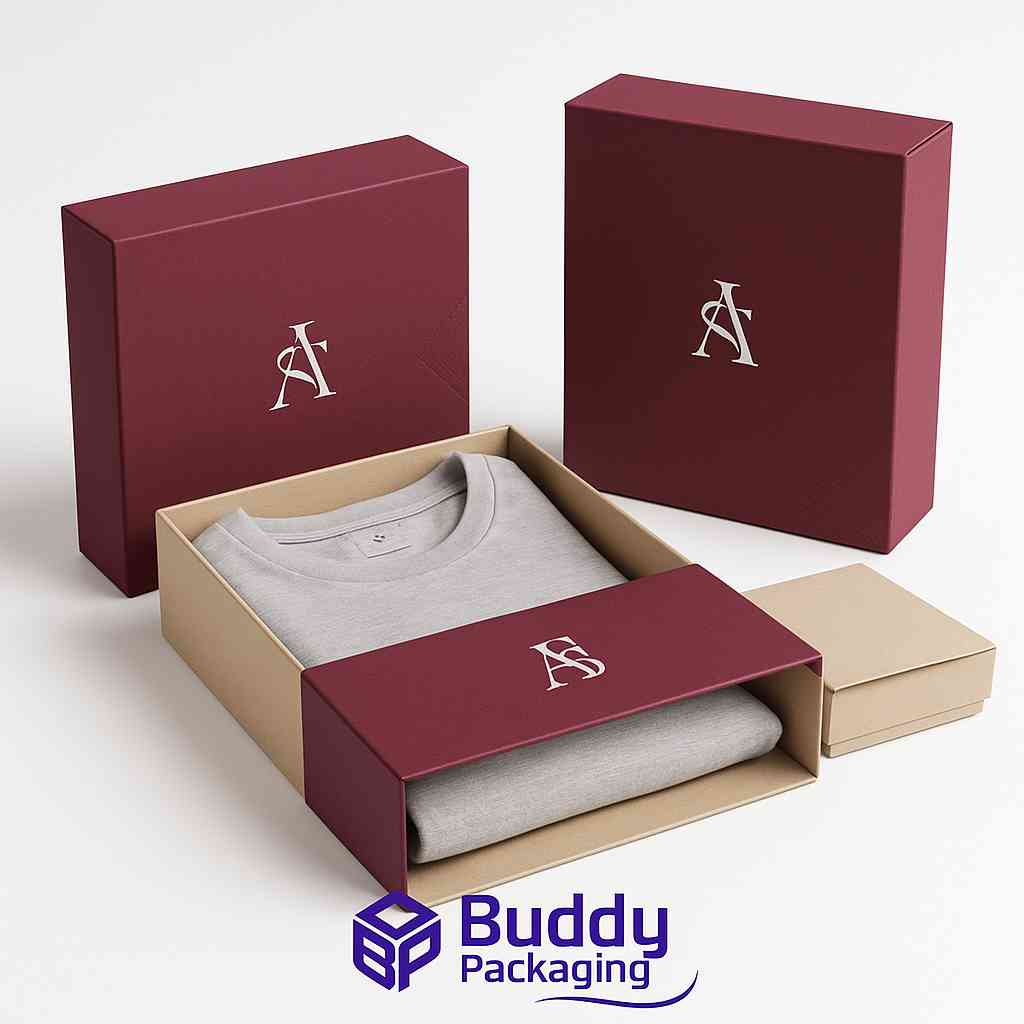
Apparel Sleeve Boxes
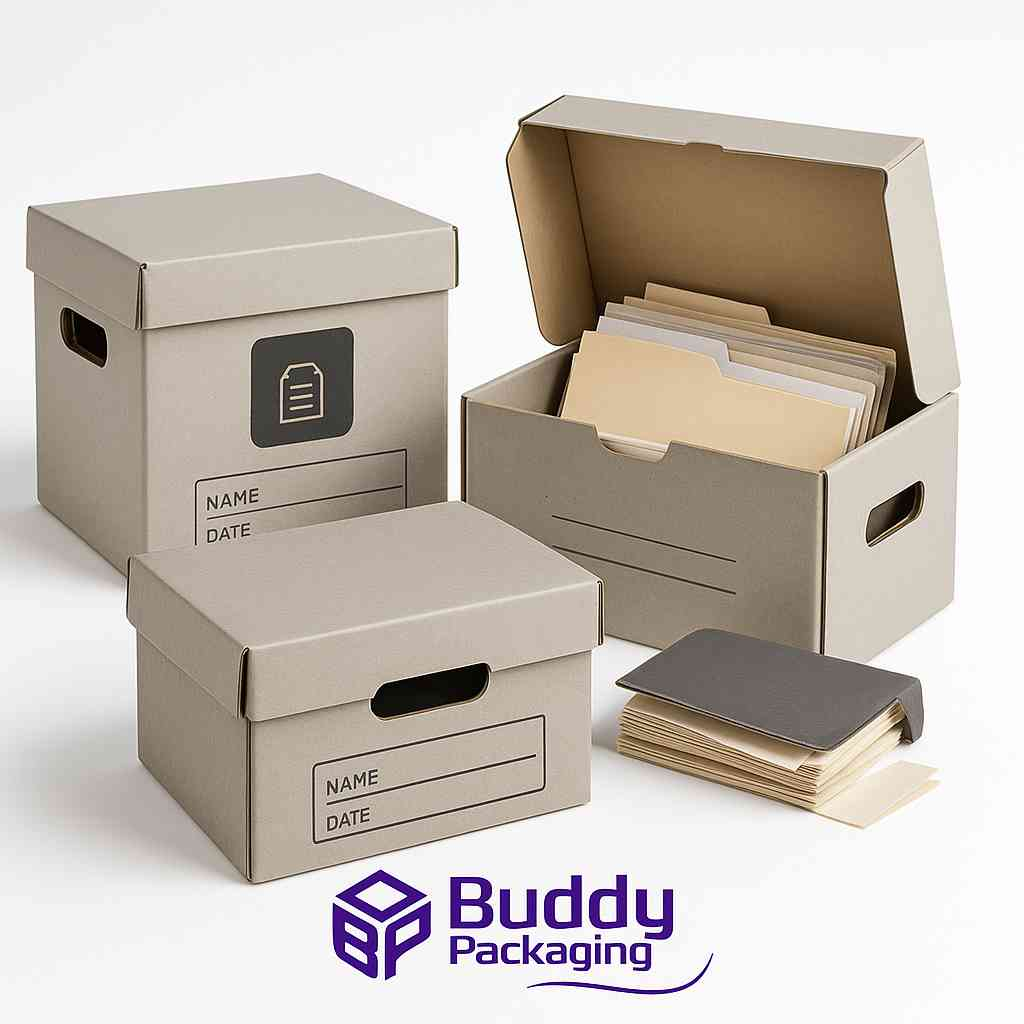
Archive Boxes

wafa
Packaging & Print SpecialistTechnical packaging specialist at Buddy Packaging UK, sharing insights on corrugated board packaging, custom dielines, and print production.
View all packaging articles by wafa →