creative bread packaging design
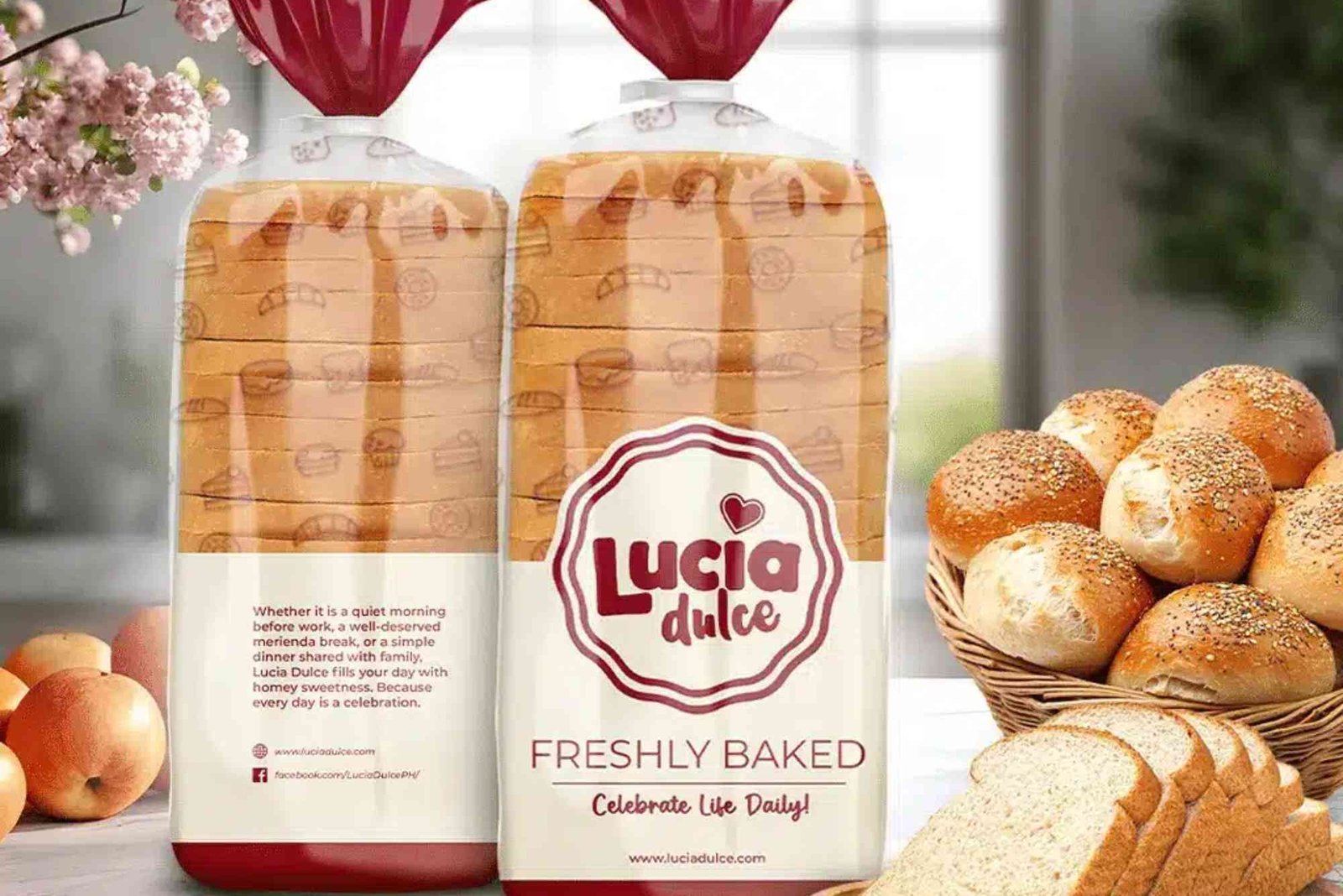
Creative Bread Packaging Design: Ideas That Make Bread Stand Out
Bread is a simple everyday product, yet its packaging can strongly influence buying decisions. A well-designed package protects the loaf while communicating quality, freshness, and brand personality. This is where creative bread packaging design becomes valuable for bakeries, food brands, and independent bread makers.
Today, customers notice packaging before they experience the product. An attractive wrapper can make a familiar loaf look premium. A practical package can also make storage and handling easier. Therefore, good design should combine appearance, functionality, food safety, and clear communication.
Whether you operate a small artisan bakery or a growing food company, thoughtful packaging can help your bread compete on crowded shelves. The right approach can turn ordinary packaging into a memorable part of the customer experience.
Why Creative Bread Packaging Design Matters
Packaging is often the first physical interaction customers have with a bread brand. Before tasting the product, they see its colours, typography, imagery, materials, and overall presentation.
A strong creative bread packaging design creates an immediate visual impression. It can communicate whether the bread is traditional, organic, artisan, healthy, premium, or family-focused.
Good packaging also supports brand recognition. When customers repeatedly see the same visual identity, they can recognise the product more quickly. This familiarity can encourage repeat purchases.

However, attractive design should never compromise practicality. Bread packaging must protect the product from damage and help maintain its desired quality. The best designs balance visual appeal with everyday usability.
Key Elements of Creative Bread Packaging Design
Strong Brand Identity
Every package should reflect the bakery’s identity. Your logo, colours, typography, and imagery should work together naturally.
For example, an artisan bakery may benefit from warm tones and traditional typography. A modern health-focused brand may prefer clean layouts and simple graphics.
Consistency is particularly important when several bread varieties share the same product range. Customers should recognise the brand while still distinguishing individual flavours.
Appropriate Colours
Colour can influence how customers perceive food. Earthy tones can suggest natural ingredients and traditional baking. Bright colours can create a youthful and energetic impression.
A successful creative bread packaging design uses colour with purpose. Too many competing colours can make the package look confusing.
Instead, select a small palette that supports the brand. Use contrasting colours carefully for product names and important information.
Memorable Typography
Typography should be attractive while remaining easy to read. Customers should quickly understand what type of bread they are buying.
Large, clear product names work well on shelves. Supporting information can use smaller but readable fonts.
Decorative fonts can add personality, but they should not make essential information difficult to understand. A professional design usually combines one distinctive typeface with a simpler supporting font.
Eye-Catching Graphics
Illustrations can make bread packaging more distinctive. Wheat illustrations, bakery scenes, ingredient drawings, and hand-drawn artwork can create an artisan feeling.
Photography can also work well for premium products. However, the visual style should match the actual product and brand positioning.
The goal is not simply to add decoration. Every graphic element should help tell the product story.
Packaging Materials and Sustainability
Sustainability has become an important consideration for modern food packaging. Customers increasingly notice the materials used by brands and how packaging can be disposed of.
Paper-based packaging can create a natural and traditional appearance. Kraft paper is particularly suitable for artisan bread brands because it communicates simplicity and craftsmanship.
Recyclable materials can also support environmentally conscious branding. However, material selection should consider the product’s protection requirements, shelf life, moisture, and transportation conditions.
A package that looks sustainable but fails to protect bread can create a poor customer experience. Therefore, sustainability should be combined with practical performance.
Creative Bread Packaging Design for Different Bread Types
Different bread products can require different packaging approaches. Sandwich bread often benefits from practical packaging that allows customers to identify the loaf quickly.
Artisan sourdough can use more premium presentation. A paper sleeve, branded label, or distinctive illustration can reinforce its handcrafted character.
Speciality breads may benefit from packaging that highlights ingredients. For example, wholegrain bread can feature natural imagery and informative nutritional messaging.
The design should always reflect the product inside. Customers should receive a consistent experience from the package to the first bite.
Using Custom Packaging to Strengthen Your Brand
For growing bakeries, generic packaging may eventually become limiting. Custom packaging provides greater control over brand presentation and customer perception.
Custom Packaging can incorporate your logo, brand colours, product information, illustrations, and promotional messaging. It can also be developed around the physical shape and requirements of your bread.
Custom solutions can make products look more professional. They may also help a smaller bakery compete visually with established food brands.
The important point is to design around your target customer. A package should not simply look impressive. It should communicate something relevant to the people most likely to buy the product.
Creating Packaging That Tells a Story
Storytelling can make bread packaging more emotionally engaging. Customers often appreciate knowing where ingredients come from or how a product is made.
A short message about traditional recipes can establish authenticity. Information about local ingredients can create a stronger connection with the community.
You might also communicate the bakery’s history through illustrations or short brand statements. This approach gives customers a reason to remember the product beyond its appearance.
Good storytelling should remain concise. Packaging has limited space, so every word should serve a clear purpose.
How to Find Creative Packaging Design Inspiration
Finding the right concept often begins with research. Look at successful bakery brands, independent food producers, and premium grocery products.
When searching for packaging design inspiration, focus on ideas rather than copying another brand. Consider how different packages use colour, typography, materials, illustrations, and structure.
You can also study packaging outside the bakery industry. Coffee, confectionery, cosmetics, and speciality food brands often use innovative visual techniques.
Create a visual direction that feels relevant to your bakery. Originality becomes stronger when research is combined with your own brand personality.
The Importance of Packaging Location and Presentation
Where your product appears can influence how customers interact with its packaging. A strong design needs to work from different viewing distances.
Products displayed at eye level should communicate their main message quickly. Customers should understand the product category without examining every detail.
Understanding the Buddy Packaging Location can also help when planning packaging requirements and distribution. Practical considerations such as storage, transportation, shelf placement, and handling should influence the final design.
Packaging should remain recognisable even when several products are displayed together. Strong hierarchy makes this possible.
Balancing Creativity With Functionality
Creative packaging should never become difficult to use. Customers need to open the package easily and store the remaining bread conveniently.
The package should also protect the loaf during transportation and retail handling. Weak materials or unsuitable structures can damage the product and harm the brand’s reputation.
For this reason, designers should test packaging before launching it. Examine how it handles movement, stacking, opening, closing, and storage.
A visually beautiful package that performs poorly is not successful design. Functionality and creativity must work together.
Common Mistakes in Bread Packaging Design
One common mistake is overcrowding the package with information. Too much text can make the design appear unorganised.
Another problem is poor contrast. If the product name blends into the background, customers may struggle to identify it.
Inconsistent branding can also weaken recognition. Using different colours and typography for every product may make the range look disconnected.
Finally, some brands focus heavily on appearance while ignoring packaging performance. Bread needs suitable protection, so material selection should remain a central consideration.
How Creative Bread Packaging Design Supports Sales
Packaging can influence purchase decisions by making products easier to recognise and understand. A strong visual identity can help a bakery stand out among competing products.
Good packaging can also communicate value. Premium materials, thoughtful typography, and refined artwork can make customers perceive the product as more carefully made.
However, packaging cannot replace product quality. The strongest results come when excellent bread and professional presentation support each other.
A memorable package may also encourage customers to share photographs online. This can create additional brand exposure when the design is visually distinctive.
FAQ About Creative Bread Packaging Design
What makes bread packaging attractive?
What should good bread packaging include?
Good bread packaging should include clear branding, the product name, relevant product information, suitable imagery, and practical protection. The visual design should also match the bakery’s identity.
How can I make my bread packaging look premium?
Premium packaging usually depends on restraint and consistency. High-quality materials, refined typography, balanced colours, and carefully selected graphics can create a sophisticated appearance.
What is the best material for bread packaging?
Is paper packaging suitable for bread?
Paper can be suitable for many bread products, particularly when the design prioritises an artisan or traditional appearance. The material should still provide appropriate protection for the product.
Is sustainable bread packaging better?
Sustainable packaging can strengthen a brand’s environmental positioning. However, the material must still meet practical requirements for protection, storage, and handling.
How important is packaging design for a bakery?
Can packaging increase bread sales?
Effective packaging can improve shelf visibility and communicate product value. It can also strengthen brand recognition and encourage customers to choose the product over competitors.
Should small bakeries invest in custom packaging?
Custom packaging can be valuable for small bakeries that want stronger brand recognition. It allows the business to create a consistent identity across different products.
Conclusion
A successful creative bread packaging design does more than make a loaf look attractive. It communicates the brand, protects the product, creates recognition, and influences the customer’s first impression.
The strongest packaging combines thoughtful branding with practical materials and clear communication. It should feel distinctive without becoming complicated.
Whether you are launching a new bakery product or refreshing an existing range, start by understanding your customers and brand identity. Then explore materials, colours, typography, illustrations, and structural possibilities that support that identity.
Your bread deserves packaging that reflects its quality. Invest in thoughtful design, test the finished concept carefully, and create a package that customers remember long after their purchase.
Related Reading: automotive parts packaging design
Related Reading: Creative Chocolate Packaging Design
Related Reading: Creative Tea Packaging Design — full guide
Related Reading: asos packaging design — full guide
Related Reading: dvd packaging design
Related Reading: beard oil packaging design — full guide
Related Reading: alcohol packaging design — full guide
Related Reading: adobe packaging design
Related Reading: creative skincare packaging design
Shop the boxes from this guide

120ml Bottle Boxes
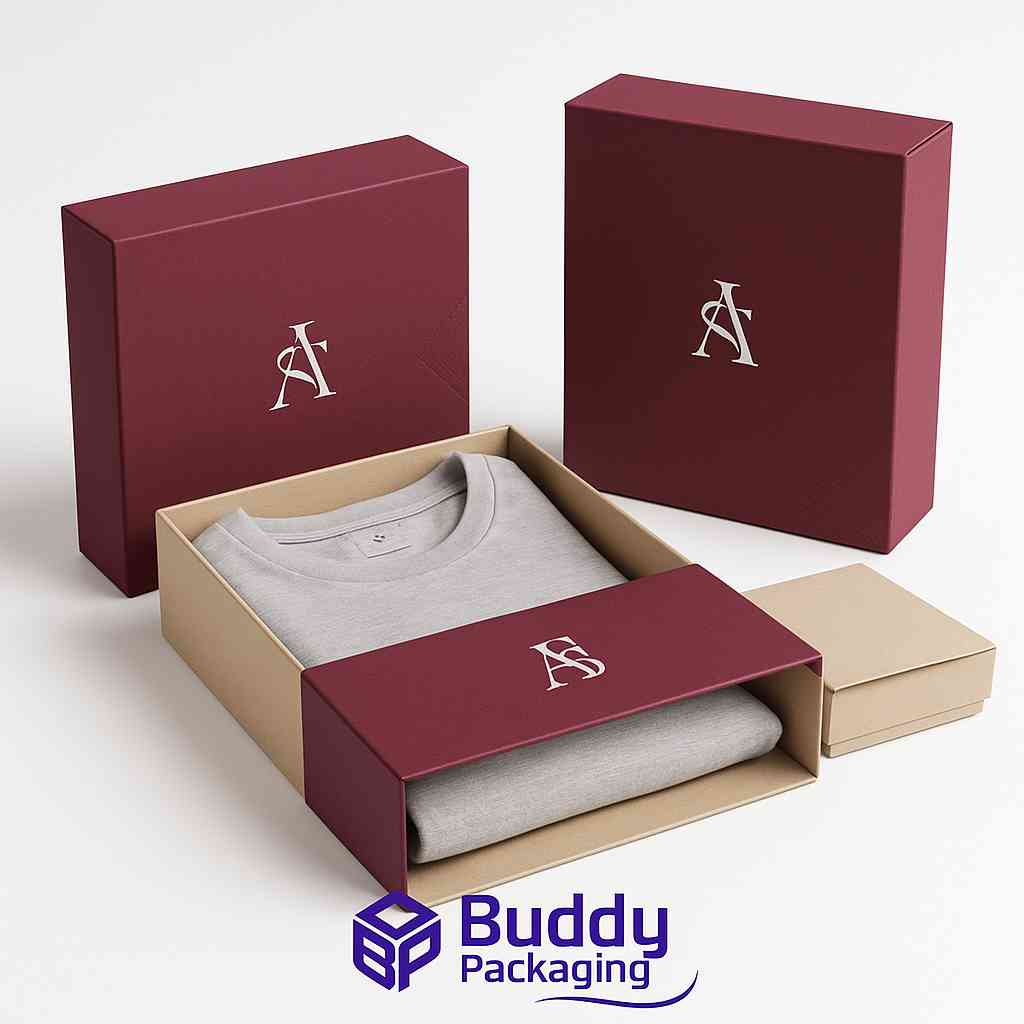
Apparel Sleeve Boxes
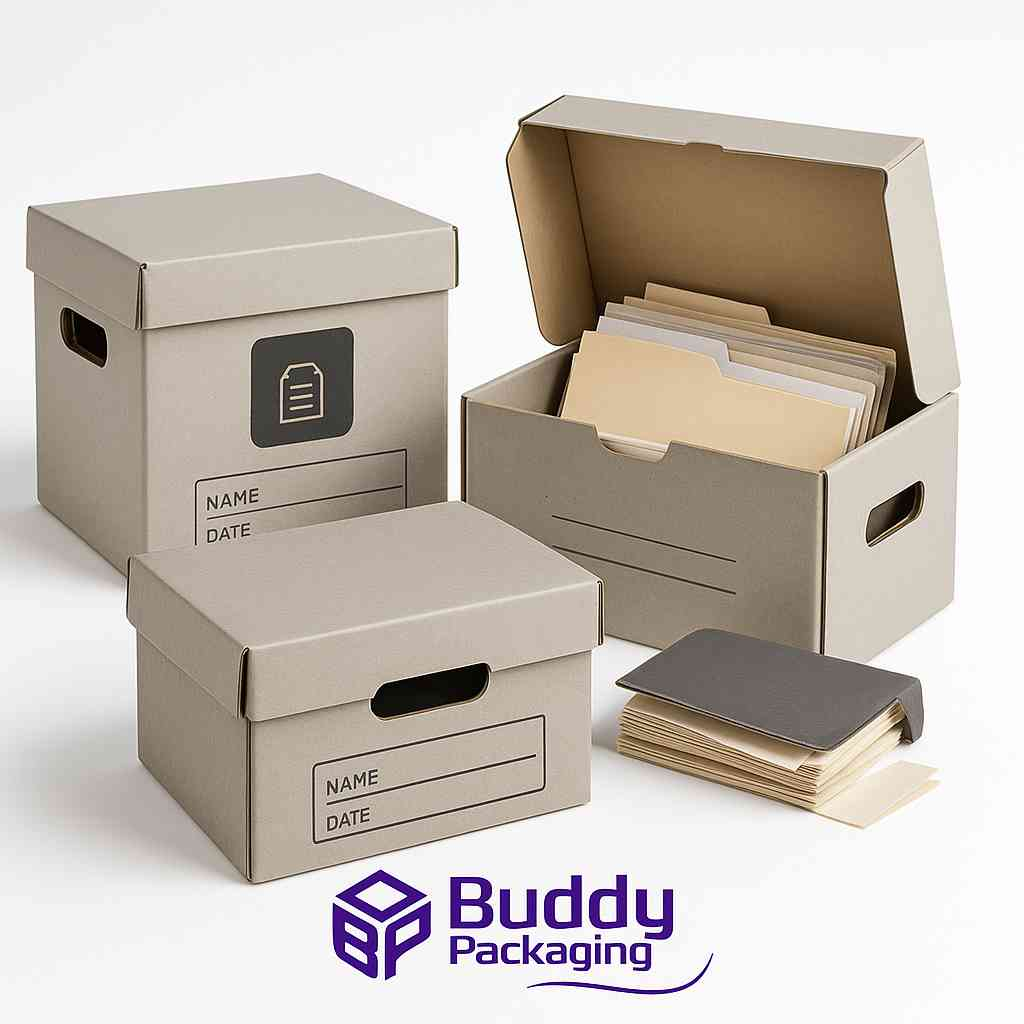
Archive Boxes

wafa
Packaging & Print SpecialistTechnical packaging specialist at Buddy Packaging UK, sharing insights on corrugated board packaging, custom dielines, and print production.
View all packaging articles by wafa →