clothing packaging design
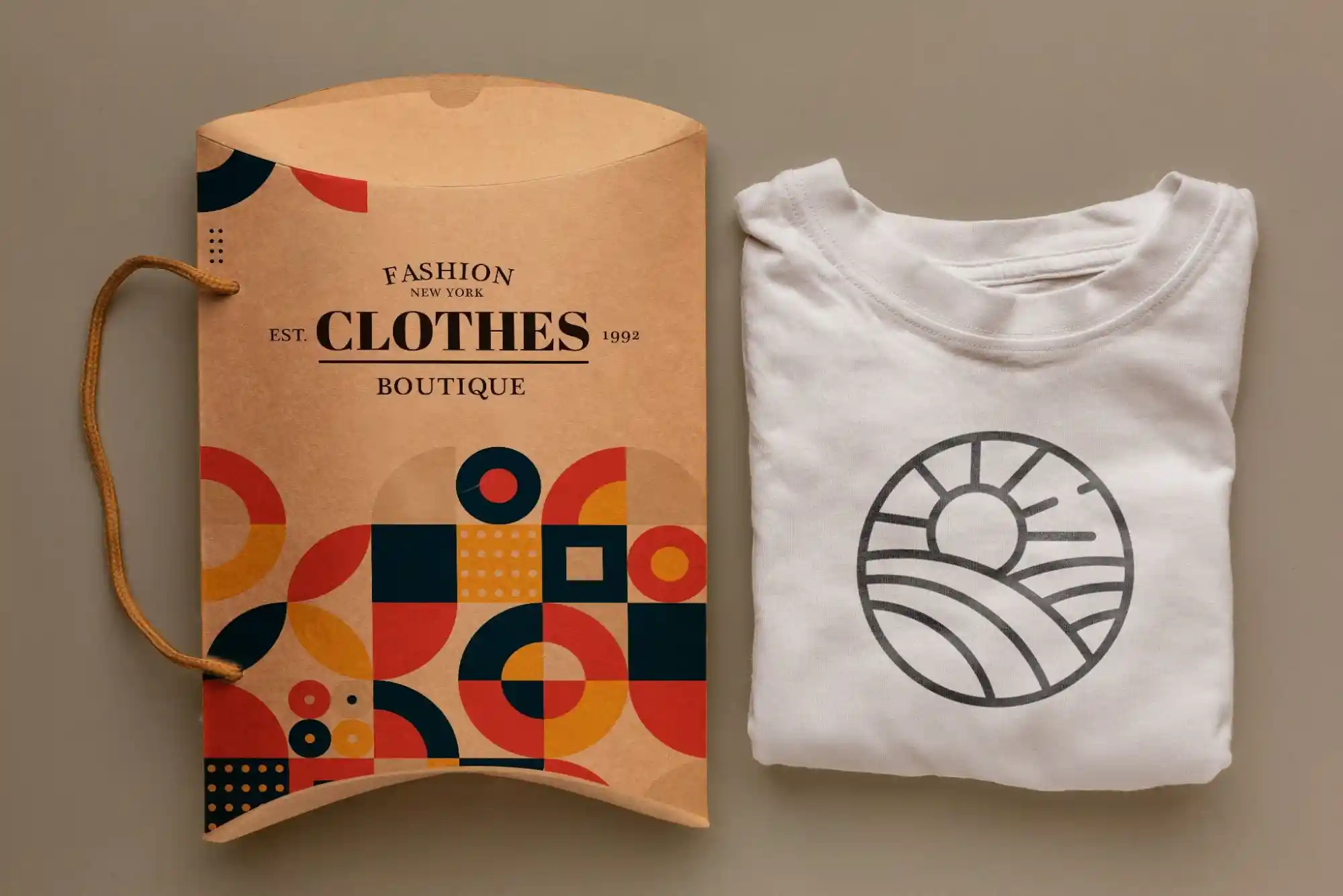
Clothing Packaging Design: A Complete Guide for Fashion Brands
Clothing packaging design plays an important role in how customers experience a fashion brand. Packaging protects garments while creating a visual connection with the buyer. Therefore, thoughtful design can turn ordinary delivery into a memorable brand experience.
Today, customers notice more than the clothing inside a parcel. They also notice colours, materials, typography, finishes and presentation. As a result, effective packaging can influence how people perceive quality.
For fashion businesses, packaging should balance appearance, protection and practicality. It should also communicate the brand clearly without becoming unnecessarily complicated. Whether you run a boutique or an established clothing company, the right approach can strengthen your customer experience.
Why Clothing Packaging Design Matters
Good clothing packaging design does much more than hold a product. It becomes part of the customer’s interaction with your business.
When a parcel arrives, packaging often creates the first physical impression after purchase. Consequently, a well-designed package can make the product feel more valuable.
Packaging can also communicate personality. A minimalist box may suggest sophistication, while bold colours can create a youthful and energetic impression. Meanwhile, natural materials can support a more environmentally conscious brand image.

The design should therefore match the clothing itself. A luxury fashion label needs a different presentation from a casual streetwear business.
What Makes Effective Clothing Packaging Design?
Successful clothing packaging combines several practical and visual elements. Each element should support the same brand message.
Brand identity
Your packaging should make your brand recognisable. Consistent logos, colours, fonts and visual details help customers remember your business.
However, branding does not need to dominate the entire package. Sometimes, subtle branding creates a more premium appearance.
Protection
Packaging must protect garments during storage, handling and delivery. Clothing can encounter moisture, pressure and rough handling before reaching the customer.
Therefore, materials should be selected according to the product and delivery method. Strong outer packaging can prevent unnecessary damage and returns.
Practicality
Customers appreciate packaging that is easy to open and store. Complicated packaging can create frustration, even when it looks attractive.
For this reason, consider how customers will interact with every part of the package.
Visual appeal
The package should look appealing when customers receive it. Attractive presentation can also encourage customers to photograph their purchases.
This creates an opportunity for organic brand exposure through social media.
Choosing Materials for Clothing Packaging
Material selection is one of the most important decisions in clothing packaging design. The right material depends on product type, budget, brand identity and shipping requirements.
Cardboard remains popular because it is versatile and easy to customise. It can support printed graphics, logos and different finishes.
Kraft packaging offers a natural appearance. It can work particularly well for brands that favour simple and understated presentation.
Corrugated cardboard provides additional protection for larger or heavier clothing shipments. It can also be customised to reflect the brand.
Tissue paper can provide an additional layer inside boxes. It can make folded garments feel more carefully presented.
Fabric bags can also be useful for premium garments. Customers may reuse them for storage, which extends the usefulness of the packaging.
Clothing Packaging Design and Sustainability
Sustainability has become an important consideration for modern packaging. Customers increasingly pay attention to how packaging is produced, used and discarded.
For that reason, businesses can consider recyclable or reusable materials where practical. Reducing unnecessary layers can also lower material consumption.
However, sustainability should not compromise product protection. Damaged clothing creates waste and can result in additional transportation.
A balanced approach considers the complete packaging journey. The goal is useful packaging that protects the garment without unnecessary material.
Brands can also communicate disposal information clearly. Simple guidance can help customers understand how to recycle different components.
Using Colour in Clothing Packaging Design
Colour can strongly influence how packaging is perceived. It can communicate mood while supporting brand recognition.
Luxury brands often use restrained colour palettes. Neutral shades can create a refined and sophisticated appearance.
Conversely, bright colours may suit youth-focused or contemporary fashion brands. The important factor is consistency.
Your packaging colours should complement your website, labels and other customer touchpoints. This creates a coherent brand experience.
It is also worth considering print accuracy. Colours can appear different across screens and physical materials. Therefore, physical samples should be reviewed before large-scale production.
Typography and Branding
Typography can influence whether packaging feels modern, traditional, playful or premium.
Choose fonts that remain readable at the size used on your packaging. Decorative fonts can work well for selected details. However, excessive decoration can reduce clarity.
Your logo should also have enough space around it. Crowding several design elements together can make packaging look less professional.
A strong clothing packaging design usually has a clear visual hierarchy. Customers should immediately understand which elements represent the brand.
Custom Packaging for Clothing Businesses
Custom packaging allows fashion businesses to create a more distinctive customer experience. It can be especially valuable when competing with similar products.
[Custom Packaging] can include printed boxes, mailing bags, tissue paper, stickers and inserts. Each component can contribute to the same visual identity.
For smaller businesses, customisation does not necessarily mean creating elaborate packaging. A simple box with carefully considered branding can look highly professional.
It is also useful to think about different product sizes. Designing several packaging formats can prevent excessive empty space and unnecessary material usage.
Creating a Memorable Unboxing Experience
Unboxing has become an important part of online retail. Customers often share interesting packaging experiences with friends and followers.
Therefore, consider the sequence in which customers see each element.
The outer package should establish the first impression. The interior can then reveal the garment in a clean and organised way.
A branded tissue layer, thank-you card or carefully positioned label can add personality. These details do not need to be expensive.
The strongest unboxing experiences usually feel intentional rather than excessive.
How to Find Clothing Packaging Design Inspiration
Research can help you understand what works across different fashion markets. Study packaging used by established clothing brands and smaller independent labels.
Look at how brands use colour, typography, structure and materials. Pay particular attention to designs that communicate a clear message with relatively few elements.
Online design galleries can also provide useful packaging design inspiration. However, avoid copying another company’s identity.
Instead, identify useful principles and adapt them to your own brand. Your packaging should ultimately feel recognisable and original.
Clothing Packaging Design for Different Clothing Products
Different garments may require different packaging approaches.
T-shirts and lightweight clothing can often use compact mailers or folding boxes. These formats reduce unnecessary space during shipping.
Premium shirts, dresses and tailored garments may benefit from structured boxes. Additional tissue or protective wrapping can improve presentation.
Shoes require stronger packaging because their shape and weight create different protection requirements.
Delicate garments may also require additional internal protection. In every case, the packaging should match the product’s physical requirements.
Comparing Common Clothing Packaging Options
| Packaging Type | Main Benefit | Suitable For | Brand Potential |
|---|---|---|---|
| Cardboard Box | Strong presentation and protection | Premium clothing | High |
| Kraft Box | Natural appearance | Sustainable brands | High |
| Corrugated Box | Greater durability | Larger orders | Medium |
| Mailing Bag | Lightweight and practical | Everyday clothing | Medium |
| Tissue Paper | Enhanced presentation | Folded garments | High |
| Fabric Bag | Reusable packaging | Premium products | High |
The best choice depends on your products, shipping process and customer expectations. A combination of formats may work better than one universal solution.
Common Mistakes in Clothing Packaging Design
Even attractive packaging can create problems when design decisions ignore practical requirements.
One common mistake is using excessive packaging. Extra layers can increase costs and create unnecessary waste.
Another issue is poor sizing. Oversized boxes may increase shipping expenses while allowing garments to move around during transit.
Weak materials can create the opposite problem. Damaged packaging may make customers question the quality of the product.
Inconsistent branding is another concern. Different colours, fonts and logos across packaging can weaken brand recognition.
Finally, avoid designing packaging purely for appearance. Practicality should remain central to the process.
How Much Does Clothing Packaging Design Cost?
The cost varies according to material, size, printing method, order quantity and finishing options.
Basic packaging can be relatively affordable for smaller clothing businesses. Custom printing and specialist finishes generally increase production costs.
Larger orders may reduce the average packaging cost per unit. However, businesses should avoid ordering excessive quantities before testing a design.
Requesting physical samples can help identify problems before committing to a larger production run.
For businesses comparing packaging suppliers, checking the Buddy Packaging Location can also help when considering production and delivery arrangements.
How to Improve Your Packaging Over Time
Packaging does not need to remain unchanged. Customer feedback can reveal opportunities for improvement.
Ask whether customers found the package easy to open. Consider whether garments arrived safely and whether the packaging felt appropriate for the product.
You can also examine return reasons and damaged deliveries. These insights can help identify practical weaknesses.
Testing different materials or formats can gradually improve performance. Small changes may produce meaningful savings when applied across thousands of orders.
Most importantly, review packaging alongside your wider brand strategy. Your package should feel like a natural extension of your clothing business.
Frequently Asked Questions About Clothing Packaging Design
What is clothing packaging design?
Clothing packaging design is the process of creating packaging that protects garments while representing a fashion brand.
It covers materials, structure, colours, typography, printing and the customer’s unboxing experience.
Why is packaging important for clothing brands?
Packaging protects clothing during storage and transportation. It also creates an important physical touchpoint between the customer and brand.
Well-considered packaging can reinforce brand identity and improve the overall purchasing experience.
What packaging is best for clothing?
There is no single option that works for every clothing business. Cardboard boxes, kraft boxes and mailing bags are common choices.
The best option depends on the garment, shipping method, budget and desired presentation.
How can clothing packaging be more sustainable?
Businesses can reduce unnecessary packaging and consider recyclable or reusable materials.
However, packaging must still protect garments effectively. A damaged product can create additional waste and transportation.
How can I make clothing packaging look premium?
Premium packaging often relies on strong materials, restrained colours and clear typography.
Thoughtful details can also make a difference. Clean layouts and carefully arranged interiors can create an elevated experience without excessive decoration.
buddypackaging.co.uk provides practical packaging solutions for businesses across the UK. From sturdy cardboard boxes to custom packaging options, its products help protect goods while creating a professional presentation. With flexible choices for different products, sizes and business needs, Buddy Packaging makes it easier to find reliable packaging that suits both everyday shipping and specialist requirements.
Conclusion: Build a Stronger Clothing Brand Through Packaging
Clothing packaging design connects product protection with brand presentation. When planned carefully, it can make deliveries feel more professional and memorable.
The most effective approach balances appearance, practicality, sustainability and cost. It also considers how customers interact with the package from opening to disposal.
Whether you operate a growing online clothing shop or an established fashion brand, packaging deserves strategic attention. Start with your product requirements, define your brand identity and test practical packaging options before scaling production.
A well-designed package can become more than protection. It can become a recognisable part of your brand experience.
Related Reading: clothing brand packaging design
