clothing brand packaging design
Clothing Brand Packaging Design: A Complete Guide for Modern Fashion Brands
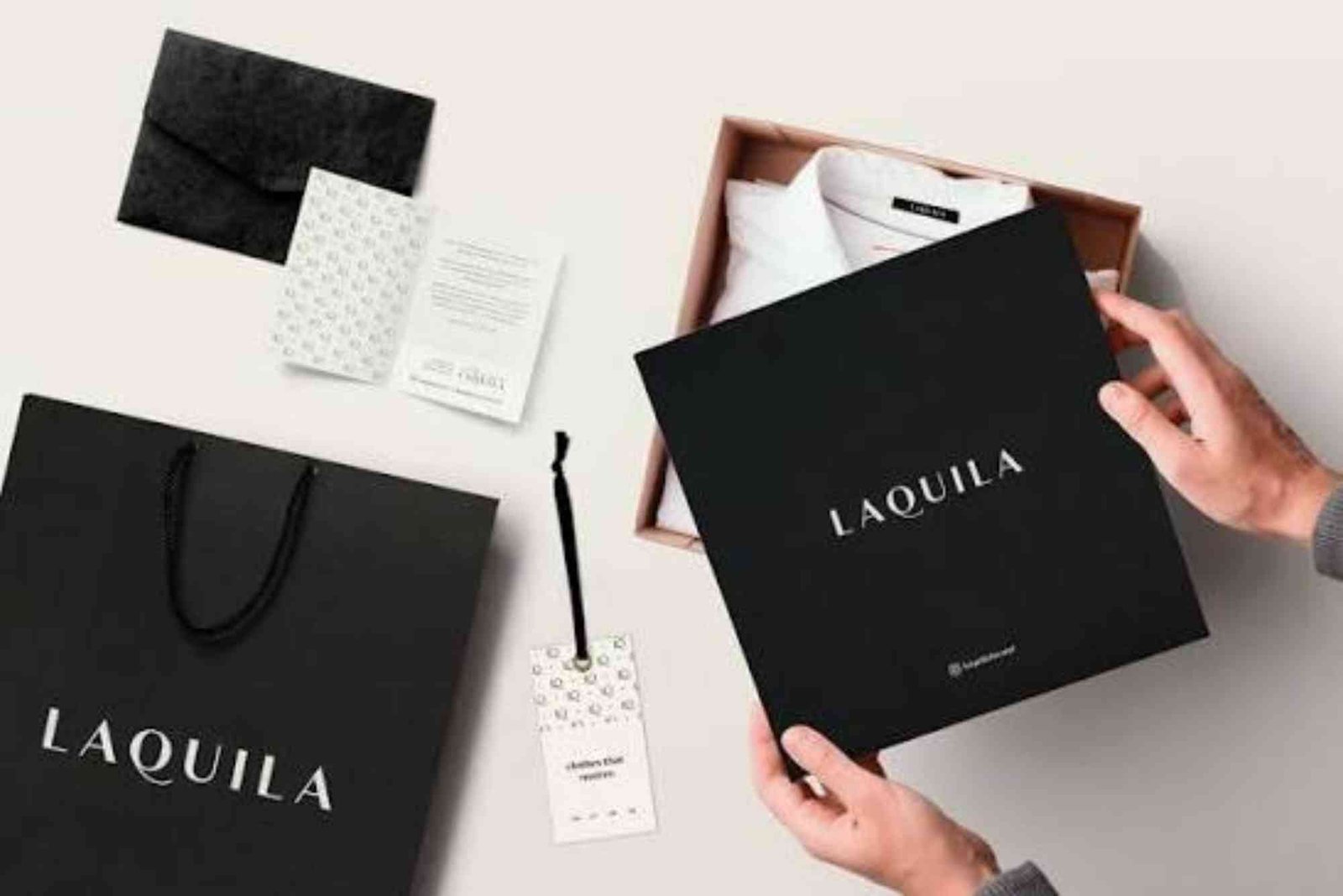
Packaging is often the first physical interaction customers have with a fashion brand. Before they touch the garment, they see the box, bag, tissue paper or label. Therefore, thoughtful clothing brand packaging design can shape expectations before the product is even opened.
For clothing businesses, packaging is more than protection. It communicates personality, quality and attention to detail. A well-designed package can make an affordable garment feel considered and premium. It can also help an established brand become more recognisable.
Today, customers increasingly notice presentation. They share attractive parcels on social media and remember brands that create enjoyable unboxing experiences. Consequently, packaging deserves the same strategic attention as clothing, photography and website design.
Why Clothing Brand Packaging Design Matters
Strong clothing brand packaging design gives a fashion company another opportunity to communicate its identity. Every element can reinforce the brand’s visual language, from colours and typography to materials and finishing.
A simple package can communicate sophistication through restrained colours and refined typography. Meanwhile, a streetwear brand might use bold graphics and unexpected textures.
Packaging also protects garments during storage, shipping and delivery. Good design therefore combines appearance with practical performance.

Most importantly, effective packaging creates consistency. When your website, clothing labels, social media and packaging share similar visual elements, customers can recognise your brand more easily.
Building a Strong Packaging Identity
Start With Your Brand Personality
Before designing packaging, identify what your clothing brand represents. Consider your target customer, product positioning and overall personality.
A luxury fashion label needs a different presentation from an independent sportswear company. Likewise, children’s clothing requires a different approach from formalwear.
Your packaging should feel like an extension of your clothing rather than a separate marketing project.
Choose a Consistent Colour Palette
Colour can strongly influence recognition. Select a small group of brand colours and use them consistently across packaging materials.
Neutral shades can communicate elegance and simplicity. Brighter colours can create energy and youthful appeal. However, colour choices should always support your wider brand identity.
Consistency is more important than using complicated colour combinations.
Use Typography Carefully
Typography helps establish the tone of your packaging. Elegant serif fonts may suit premium clothing, while modern sans-serif typography can work well for contemporary brands.
Keep text readable and avoid using too many typefaces. Your brand name should remain immediately visible.
Packaging should communicate quickly. Customers should not need to study the design to understand who created the product.
Selecting the Right Packaging Materials
Material selection influences both appearance and customer perception. It can also affect shipping costs, durability and sustainability.
Common clothing packaging materials include cardboard boxes, paper bags, mailing bags, tissue paper and reusable fabric packaging.
Cardboard packaging works particularly well for premium garments. It offers a sturdy structure and provides an excellent surface for printing.
Paper bags are useful for retail environments. They can also support a more environmentally conscious brand image when responsibly sourced materials are used.
For online fashion retailers, mailing packaging needs to balance protection and weight. A package that looks attractive but arrives damaged fails its primary purpose.
Consider Sustainable Packaging
Sustainability has become an important consideration for modern consumers. However, environmentally responsible packaging should be approached carefully.
Avoid making vague environmental claims. Instead, communicate specific information when you can verify the material or manufacturing process.
Reducing unnecessary layers can also make packaging more sustainable. A smaller package may require fewer resources and cost less to transport.
Reusable packaging can provide additional value. For example, a branded fabric pouch can become useful after the customer receives the clothing.
Creating a Memorable Unboxing Experience
The unboxing experience has become an important part of fashion branding. Customers often photograph attractive packaging and share it online.
This creates an opportunity for brands to turn packaging into organic exposure.
A thoughtful experience might include branded tissue paper, a personalised message, carefully folded clothing and a refined presentation. The goal is not to add unnecessary components.
Instead, every element should have a purpose.
The most effective clothing brand packaging design makes opening the package feel natural and enjoyable. It creates anticipation without becoming wasteful or difficult to recycle.
Packaging Design and Customer Perception
Packaging influences how customers perceive product quality. This does not mean expensive packaging automatically creates a better brand.
In fact, simplicity can be more effective. A clean box, precise printing and carefully selected materials can look more professional than an overcrowded design.
Packaging should also match the product price and positioning.
A premium garment in a poor-quality package can create a disconnect. Similarly, excessive packaging can feel inappropriate for a value-focused clothing company.
The strongest design creates a believable relationship between the garment and its presentation.
Understanding Packaging Costs
Packaging costs vary according to material, dimensions, printing method, quantity and finishing. Brands should calculate these expenses before finalising a design.
A basic comparison can help demonstrate how different packaging choices affect the overall budget.
| Packaging Option | Typical Purpose | Design Potential | Cost Consideration |
|---|---|---|---|
| Cardboard Box | Premium clothing and gifting | High | Medium to high |
| Paper Bag | Retail purchases | High | Low to medium |
| Mailing Bag | Online orders | Medium | Low |
| Tissue Paper | Garment presentation | High | Low |
| Fabric Pouch | Reusable premium packaging | High | Medium to high |
The best choice depends on your product, audience and sales channel. Ordering larger quantities can sometimes reduce the unit cost, but businesses should avoid purchasing more packaging than they can reasonably use.
Using Custom Packaging Effectively
Custom Packaging can help a clothing business create a more distinctive customer experience. Instead of relying on generic materials, brands can incorporate their logo, colours and messaging into the package.
However, customisation should remain strategic. Adding a logo to every possible surface does not necessarily improve the experience.
Think about the moments customers are most likely to notice. The exterior, opening mechanism, interior presentation and final branded detail can each contribute to recognition.
The objective is to create a cohesive experience rather than visual overload.
Printing and Finishing Choices
Printing technology gives clothing brands many ways to customise packaging. Digital printing can be useful for smaller production runs and detailed artwork.
Other methods can create specialised finishes for particular brand positions. Embossing, debossing, foil effects and textured surfaces can add tactile interest.
However, finishing should support the design rather than dominate it.
For practical guidance, designers can explore print & finishing insights while evaluating which techniques suit their materials and budget.
A premium finish is valuable when customers can see or feel the difference. Otherwise, the additional expense may provide little return.
Designing Packaging for Different Sales Channels
Retail and online clothing businesses often need different packaging strategies.
A retail bag needs to be comfortable to carry and visually recognisable. Its design may also need to work as mobile advertising when customers walk through public spaces.
E-commerce packaging has different requirements. It must withstand handling and transportation while remaining easy to open.
The package should also fit the garment appropriately. Excessive empty space can increase shipping costs and make the experience feel inefficient.
Brands operating across several channels should maintain consistent visual identity. The packaging format can change, but the core branding should remain recognisable.
The Role of Packaging in Brand Recognition
Recognition develops through repeated visual exposure. Customers may remember a distinctive colour, logo, typography style or packaging shape even before remembering the brand name.
For this reason, clothing brand packaging design should be consistent over time.
Constantly changing packaging may prevent customers from developing strong visual associations.
Instead, create a flexible system that can evolve without losing its essential identity. Seasonal campaigns can introduce limited changes while retaining core brand elements.
Choosing a Reliable Packaging Partner
The packaging supplier can influence the final quality of your design. Before production, request samples and examine the material, printing quality and structural strength.
Pay attention to colour accuracy. Colours displayed on screens can appear different when printed.
You should also test packaging under realistic conditions. For online orders, simulate handling and transportation before placing a large production order.
If you are researching a supplier, checking its Buddy Packaging Location can also help when evaluating production accessibility, delivery considerations and local service options.
A reliable packaging partner should understand both creative requirements and manufacturing limitations.
Common Mistakes to Avoid
One common mistake is designing packaging without considering the actual garment. The package should accommodate the product comfortably.
Another mistake is prioritising appearance over durability. A beautiful box that arrives crushed damages the customer’s perception.
Overcomplication can also weaken a design. Too many colours, graphics and messages can make packaging difficult to understand.
Finally, brands should avoid making sustainability claims that cannot be supported. Honest communication builds more trust than exaggerated environmental messaging.
How to Improve Clothing Brand Packaging Design
Improvement starts with understanding the customer journey. Consider what happens from the moment the package arrives until the garment is removed.
Ask whether the package is easy to recognise, open and store. Then consider whether the presentation reflects your brand positioning.
Gather feedback from customers and observe which packaging elements receive attention. Social media comments and unboxing content can provide useful insights.
Small improvements can make a significant difference. Better typography, stronger materials or a simpler opening experience may improve the package without dramatically increasing costs.
Frequently Asked Questions About Clothing Brand Packaging Design
What makes good clothing brand packaging design?
Good clothing brand packaging design combines brand identity, protection, usability and visual appeal. It should support the clothing rather than distract from it.
The best packaging feels intentional. Customers should understand the brand’s personality through materials, colours and presentation.
How do I design packaging for my clothing brand?
Begin by defining your brand identity and target audience. Then select suitable packaging formats, materials, colours and typography.
Create prototypes before production. Testing helps identify structural, printing and usability problems before you spend money on a large order.
What packaging is best for clothing brands?
There is no single best option. Cardboard boxes suit premium products, while mailing bags can work well for online orders.
Your choice should depend on garment type, shipping requirements, brand positioning and budget.
Is custom packaging worth it for a small clothing business?
Custom packaging can be worthwhile when it strengthens recognition and improves the customer experience.
Small brands should start with practical customisation. A branded mailer or tissue paper can create impact without requiring a large packaging budget.
How can clothing packaging be more sustainable?
Use appropriately sized packaging and avoid unnecessary layers. Choose verified recyclable or responsibly sourced materials where practical.
Also consider whether customers can reuse or recycle the packaging easily. Sustainability should be practical rather than purely promotional.
How much should a clothing brand spend on packaging?
The appropriate amount depends on product pricing, margins and positioning. Packaging should enhance the customer experience without reducing business profitability.
Calculate the complete packaging cost, including printing, finishing, storage and delivery.
Conclusion: Turn Packaging Into a Brand Experience
Effective clothing brand packaging design does much more than protect garments. It communicates your identity, reinforces quality and creates a memorable customer experience.
The strongest packaging is attractive, practical and consistent. It fits the product, suits the audience and supports the wider brand strategy.
Whether you are launching a new fashion label or refreshing an established identity, thoughtful packaging can create a valuable point of difference.
Start by defining your brand personality, selecting appropriate materials and testing your ideas before production. Then refine every detail around the customer’s experience.
Invest in packaging that customers remember, use and associate with your clothing brand. Your next package could become one of your most powerful brand touchpoints.
Related Reading: carton packaging design
Related Reading: brand packaging design agency
Related Reading: cd packaging design
Related Reading: book packaging design — full guide
Related Reading: 7 packaging design trends — full guide
Related Reading: brand packaging design agency — full guide
Related Reading: beauty packaging design
Related Reading: Custom Packaging Design Companies — full guide
Related Reading: Caviar Packaging Design — full guide
Related Reading: beard oil packaging design — full guide
Related Reading: clothing packaging design
Related Reading: clothing packaging design — full guide
Related Reading: dry fruits packaging design — full guide
Shop the boxes from this guide
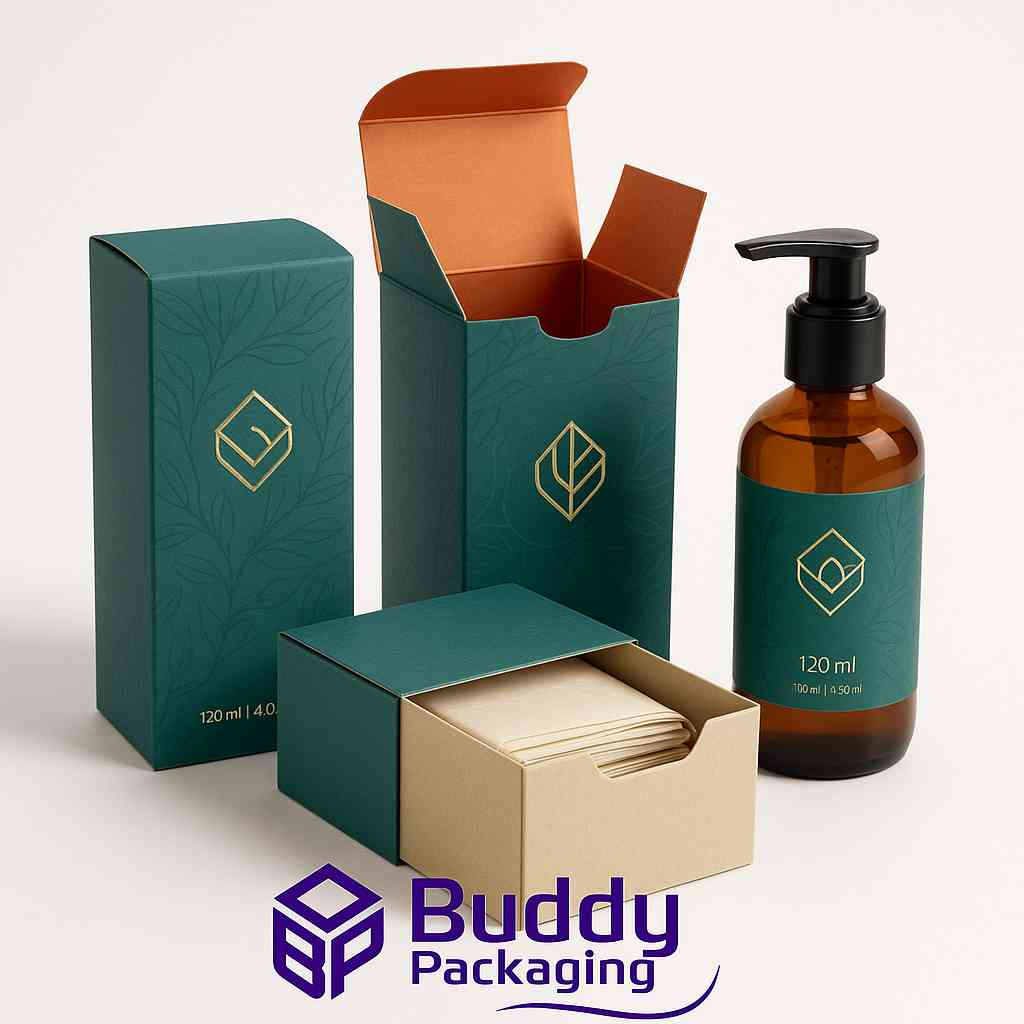
120ml Bottle Boxes
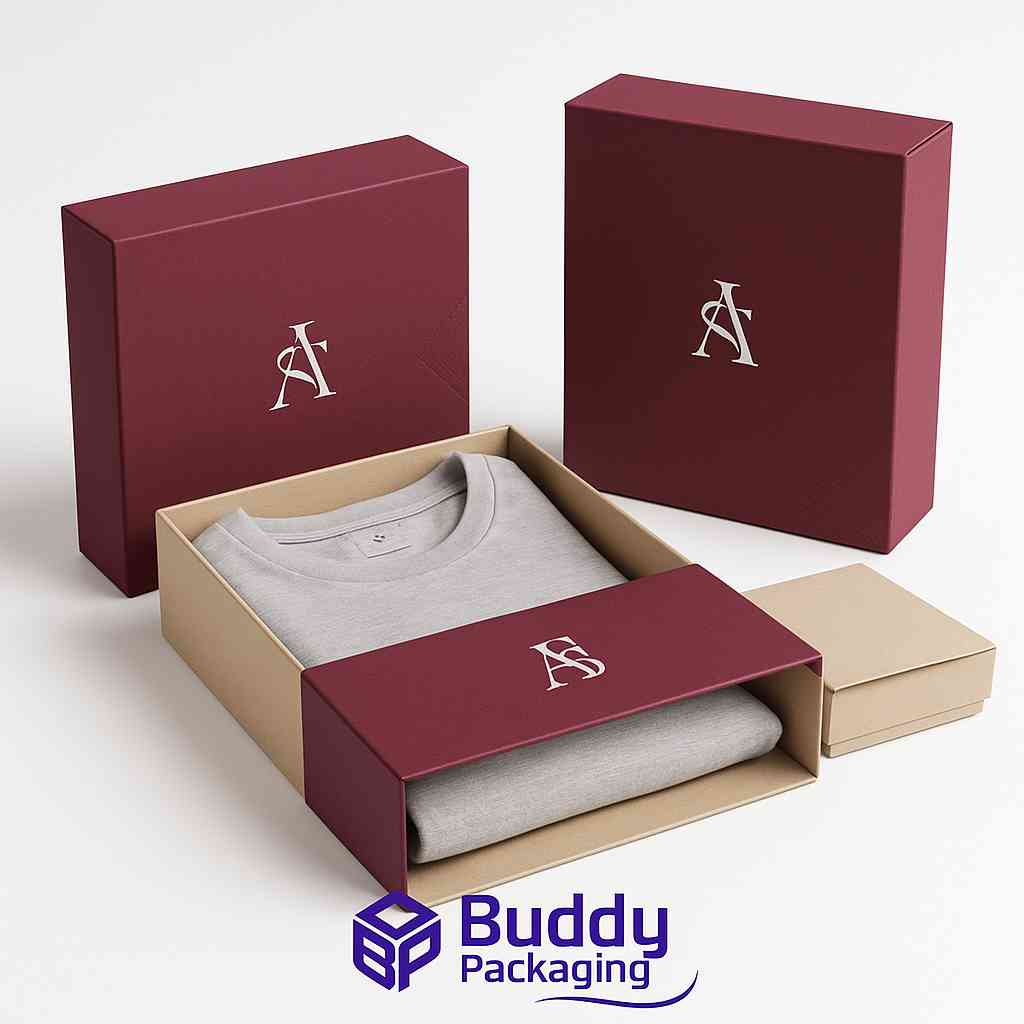
Apparel Sleeve Boxes
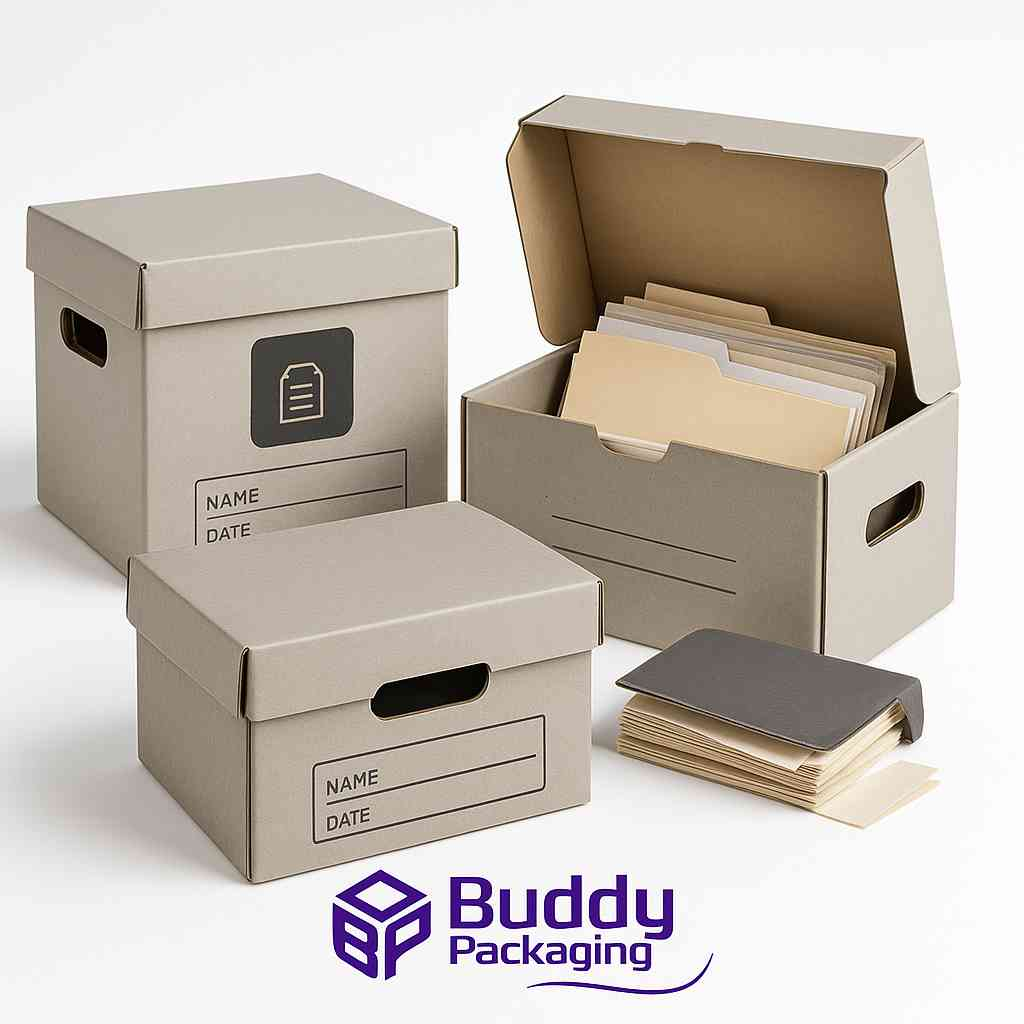
Archive Boxes

wafa
Packaging & Print SpecialistTechnical packaging specialist at Buddy Packaging UK, sharing insights on corrugated board packaging, custom dielines, and print production.
View all packaging articles by wafa →