Clamshell Packaging Design
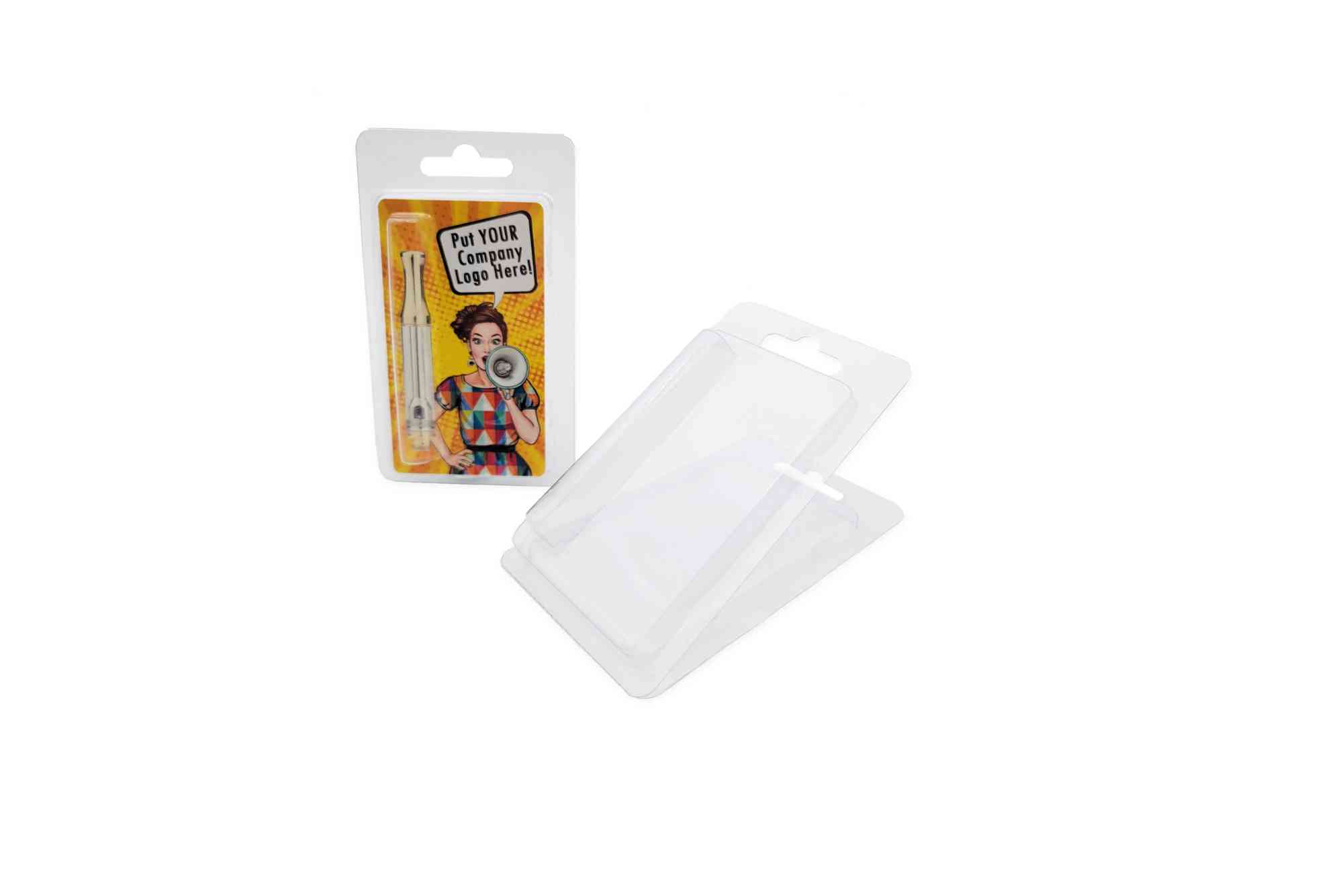
Clamshell Packaging Design: A Complete Guide for Modern Brands
Clamshell packaging design plays a vital role in modern retail. It combines visibility, protection, and branding into one effective solution. From electronics to food items, businesses rely on this packaging style to present products securely and attractively. In today’s competitive market, a well-thought-out clamshell packaging design can influence buying decisions and strengthen brand identity.
This guide explores everything you need to know. It covers materials, benefits, design strategies, and industry best practices. Whether you are a startup or an established brand, understanding clamshell packaging design will help you stand out.
What Is Clamshell Packaging Design
Clamshell packaging design refers to a hinged plastic container that opens and closes like a shell. It is typically made from clear plastic materials. This allows customers to see the product inside before purchasing. The design usually consists of two halves connected by a hinge. These halves can snap shut or be sealed for security. Because of its transparency and durability, this packaging is widely used in retail environments.
Businesses often combine this design with Custom Packaging solutions to enhance branding and functionality. By integrating unique shapes and inserts, brands can tailor the packaging to their product.
Why Clamshell Packaging Design Matters
Clamshell packaging design offers multiple advantages that make it a preferred choice across industries. It protects products, improves visibility, and supports retail display strategies. First, it enhances product security. The sealed design prevents tampering and theft. Secondly, it provides excellent product visibility. Customers can inspect items without opening the packaging.
Additionally, it improves shelf appeal. A well-designed clamshell package grabs attention quickly. This is essential in crowded retail spaces.

Types of Clamshell Packaging Design
Clamshell packaging design comes in several variations. Each type serves different purposes depending on the product and industry.
Face Seal Clamshells
These are sealed around the edges after inserting the product. They provide maximum security and are often used for electronics or small tools.
Trapped Blister Clamshells
This type uses a cardboard insert placed between plastic layers. It allows for branding while keeping the product visible.
Tri-Fold Clamshells
These designs stand upright on shelves. They are ideal for retail displays and improve product visibility.
Mock Clamshells
These resemble traditional clamshells but use less plastic. They are a more eco-friendly alternative.
Materials Used in Clamshell Packaging Design
Choosing the right material is essential for effective clamshell packaging design. The material impacts durability, sustainability, and cost. PET (Polyethylene Terephthalate) is widely used due to its clarity and strength. It is also recyclable, making it a popular eco-conscious choice.
PVC (Polyvinyl Chloride) is another option. It is durable but less environmentally friendly. RPET (Recycled PET) is gaining popularity. It supports sustainability goals without compromising quality. Paperboard inserts are often added to enhance branding. Businesses can use them to display logos, product information, and instructions.
Key Elements of Effective Clamshell Packaging Design
Creating a successful clamshell packaging design requires careful planning. Every element must serve a purpose.
Product Fit and Protection
The packaging should fit the product perfectly. A snug fit prevents movement and reduces damage during transport.
Visual Appeal
Clear plastic enhances visibility. However, adding colour inserts or branding elements improves aesthetics.
Ease of Use
Customers should be able to open the packaging without frustration. Overly sealed designs can lead to negative experiences.
Sustainability
Eco-friendly materials are becoming essential. Consumers prefer brands that reduce environmental impact.
Brand Identity
The packaging should reflect your brand. Colours, fonts, and logos must align with your overall identity.
Benefits of Clamshell Packaging Design
Clamshell packaging design offers a wide range of benefits. These advantages make it a popular choice across industries.
It provides excellent product visibility. Customers can see the product clearly, which builds trust.
It enhances protection. The rigid plastic structure shields products from damage.
It improves retail display. Many designs can stand upright or hang on hooks.
It reduces theft. Sealed packaging discourages tampering.
It supports branding. Inserts and printed elements allow for creative storytelling.
Challenges in Clamshell Packaging Design
Despite its benefits, clamshell packaging design also has challenges. Addressing these issues is important for long-term success.
One common issue is excessive plastic use. This raises environmental concerns. Another challenge is difficulty in opening. Customers often struggle with tightly sealed packaging. Cost can also be a factor. High-quality materials and custom designs may increase expenses. However, innovative solutions are emerging. Brands are now using recyclable materials and easy-open designs to overcome these challenges.
Sustainable Clamshell Packaging Design
Sustainability is now a key focus in packaging design. Businesses must adapt to changing consumer expectations. Using recycled materials is one effective approach. RPET is widely used for eco-friendly clamshell packaging design.
Reducing material thickness can also minimise waste. This lowers production costs and environmental impact. Another strategy is replacing plastic with biodegradable alternatives. Although still evolving, these options are gaining traction. Brands can also encourage recycling by adding clear instructions on packaging.
Design Process for Clamshell Packaging
Creating a successful clamshell packaging design involves several steps. Each stage ensures the final product meets both functional and aesthetic goals.
- First, define the product requirements. Consider size, weight, and fragility.
- Next, choose the right material. This decision affects durability and sustainability.
- Then, create a prototype. Testing helps identify design flaws before mass production.
- After that, refine branding elements. Ensure logos and graphics are clear and appealing.
- Finally, conduct usability testing. This ensures the packaging is easy to open and handle.
Industries Using Clamshell Packaging Design
Clamshell packaging design is widely used across different sectors. Its versatility makes it suitable for various products. Electronics brands use it for small gadgets and accessories. It protects delicate items and enhances visibility. Food companies use it for fresh produce. The clear design allows customers to inspect quality.
Retailers use it for tools, toys, and cosmetics. It provides both protection and display benefits. Healthcare industries also use it for medical devices. It ensures hygiene and safety.
Cost Considerations in Clamshell Packaging Design
Cost plays a crucial role in packaging decisions. Businesses must balance quality and budget. Material choice significantly impacts cost. Recycled materials may reduce expenses over time. Design complexity also affects pricing. Custom shapes and inserts increase production costs.
Volume production can lower unit costs. Bulk manufacturing is often more economical. However, investing in high-quality clamshell packaging design can improve sales. Better presentation often leads to higher customer engagement.
Future Trends in Clamshell Packaging Design
The future of clamshell packaging design is evolving rapidly. Technology and sustainability are driving innovation. Smart packaging is emerging as a trend. QR codes and NFC tags enhance customer interaction. Eco-friendly materials are becoming standard. Brands are moving towards biodegradable and recyclable options.
Minimalist designs are also gaining popularity. Simple packaging reduces waste and improves aesthetics. Automation is improving production efficiency. Advanced machinery allows for precise and cost-effective manufacturing. Businesses that adapt to these trends will stay competitive.
Conclusion
Clamshell packaging design remains a powerful tool in modern retail. It offers protection, visibility, and branding opportunities. When designed correctly, it enhances customer experience and drives sales. However, businesses must balance functionality with sustainability. Using eco-friendly materials and user-friendly designs is essential.
If you want to elevate your packaging strategy, consider investing in professional solutions. Explore innovative ideas and trusted services through Custom Packaging to create designs that truly stand out. You can also explore industry knowledge through print & finishing insights to stay updated with trends. For location-based support, check Buddy Packaging Location and connect with experts.
FAQs
What is clamshell packaging used for
Clamshell packaging is used for retail products like electronics, food, and tools. It protects items and improves visibility.
Is clamshell packaging recyclable
Yes, many types are recyclable, especially those made from PET or RPET materials.
Why is clamshell packaging hard to open
Some designs are sealed tightly for security. However, modern designs focus on easy-open features.
What are the benefits of clamshell packaging design
It offers protection, visibility, and strong retail presentation. It also reduces theft and damage.
How can clamshell packaging be made eco-friendly
Using recycled materials, reducing plastic, and adding recycling instructions can make it more sustainable.
When it comes to branding and presentation, card game packaging design plays a crucial role in attracting players and enhancing the overall experience. A well-crafted package not only protects the cards but also communicates the theme and quality of the game. Businesses can improve visibility by using card game packaging design as an anchor text for internal linking.
