Circular Packaging Design
Introduction
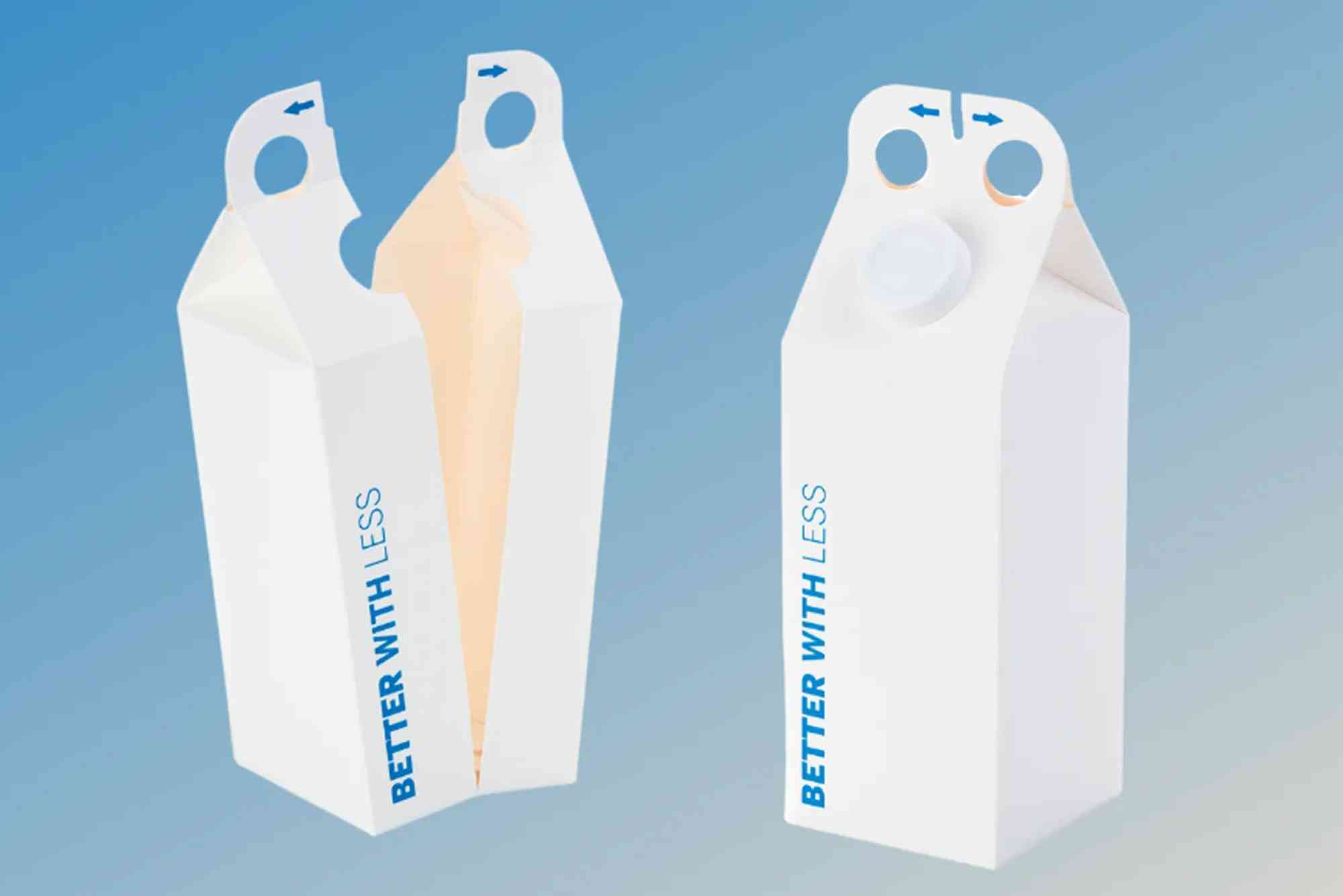
Circular packaging design is transforming how businesses think about sustainability. Instead of following the traditional “take, make, dispose” model, it focuses on reducing waste and keeping materials in use for as long as possible. As environmental concerns grow, brands are shifting toward circular packaging design to minimise their footprint and meet consumer expectations.
In today’s market, customers want eco-friendly solutions. They are more likely to support brands that use recyclable or reusable packaging. Therefore, adopting circular packaging design is no longer optional. It is becoming essential for long-term success.
Understanding Circular Packaging Design
Circular packaging design is based on the principles of the circular economy. It aims to eliminate waste and pollution from the start. Unlike linear packaging systems, it ensures materials remain valuable after use.
This design approach focuses on three main ideas. First, it reduces unnecessary packaging. Second, it promotes reuse and recycling. Third, it uses materials that can safely return to nature or production cycles.
As a result, businesses can lower costs and improve their sustainability profile. At the same time, they build trust with environmentally conscious consumers.
Why Circular Packaging Design Matters
Environmental issues such as plastic pollution and climate change are growing concerns. Traditional packaging contributes significantly to landfill waste and ocean pollution. Circular packaging design helps solve these problems by creating a closed-loop system.

Moreover, governments are introducing stricter regulations on packaging waste. Companies that adopt circular packaging design early can stay ahead of these changes. They can also avoid penalties and improve compliance.
Consumers are also driving this shift. Many buyers now prefer brands that use eco-friendly packaging. This trend continues to grow, making circular packaging design a key competitive advantage.
Key Principles of Circular Packaging Design
To implement circular packaging design effectively, businesses must follow certain principles. One important aspect is designing for reuse. Packaging should be durable enough for multiple uses.
Another principle is recyclability. Materials should be easy to collect, sort, and recycle. Using mono-materials instead of mixed materials can improve recycling rates.
Additionally, reducing material usage is essential. Lightweight packaging lowers transportation emissions and costs. It also reduces the overall environmental impact.
Finally, sourcing sustainable materials plays a crucial role. Renewable or biodegradable materials support the circular economy and reduce reliance on fossil fuels.
Materials Used in Circular Packaging Design
The choice of materials is critical in circular packaging design. Sustainable materials ensure the packaging lifecycle remains environmentally friendly.
Recycled paper and cardboard are widely used. They are easy to recycle and have a lower carbon footprint. Similarly, bioplastics made from plant-based sources offer a renewable alternative to traditional plastics.
Glass and aluminium are also popular choices. Both materials can be recycled repeatedly without losing quality. This makes them ideal for circular packaging design.
In addition, innovations in packaging materials are emerging. Compostable packaging and edible packaging are gaining attention. These options further reduce waste and support sustainability goals.
Benefits of Circular Packaging Design
Circular packaging design offers several advantages for businesses and the environment. One major benefit is waste reduction. By reusing and recycling materials, companies can significantly decrease landfill waste.
Another benefit is cost efficiency. Although initial investment may be higher, long-term savings are substantial. Reusable packaging reduces the need for constant production of new materials.
Brand reputation also improves with circular packaging design. Customers appreciate businesses that take responsibility for their environmental impact. This can lead to increased loyalty and higher sales.
Furthermore, circular packaging design supports innovation. It encourages companies to rethink their processes and develop creative solutions. This often leads to better products and improved efficiency.
Challenges in Implementing Circular Packaging Design
Despite its benefits, circular packaging design comes with challenges. One common issue is the lack of infrastructure for recycling and reuse. In some regions, facilities are limited, making it difficult to close the loop.
Another challenge is cost. Sustainable materials and redesign processes can be expensive initially. However, these costs often decrease over time as demand increases.
Consumer behaviour also plays a role. Not all customers recycle or reuse packaging properly. Education and awareness are necessary to ensure success.
Supply chain complexity can also hinder adoption. Businesses must coordinate with suppliers, manufacturers, and distributors. This requires careful planning and collaboration.
Strategies to Adopt Circular Packaging Design
To successfully implement circular packaging design, businesses should start with a clear strategy. Conducting a packaging audit is a good first step. This helps identify areas for improvement.
Next, companies should redesign packaging with sustainability in mind. This includes reducing material usage and choosing recyclable materials. Partnering with experts in Custom Packaging can provide valuable insights and innovative solutions.
Collaboration is also essential. Working with suppliers and recycling partners ensures the entire system supports circular packaging design. Additionally, educating customers about proper disposal and reuse is crucial.
Technology can also support these efforts. Smart packaging solutions and tracking systems can improve efficiency and transparency.
Staying informed through industry updates and print & finishing insights helps businesses keep up with trends and best practices.
The Role of Innovation in Circular Packaging Design
Innovation is at the heart of circular packaging design. New technologies are enabling more efficient and sustainable solutions. For example, digital printing reduces waste and allows for customisation.
Refill systems are another innovative approach. Customers can reuse containers, reducing the need for new packaging. This model is gaining popularity in various industries.
Packaging-as-a-service is also emerging. Companies offer reusable packaging that is collected, cleaned, and reused. This creates a closed-loop system and reduces waste.
Furthermore, advances in material science are leading to new sustainable options. These innovations continue to drive the evolution of circular packaging design.
Future Trends in Circular Packaging Design
The future of circular packaging design looks promising. As awareness grows, more companies are adopting sustainable practices. Governments are also supporting this shift through regulations and incentives.
One major trend is the increase in reusable packaging systems. Businesses are exploring ways to make reuse convenient and cost-effective. This includes deposit return schemes and refill stations.
Another trend is the use of data and technology. Digital tools help track packaging lifecycles and improve recycling rates. This enhances the effectiveness of circular packaging design.
Consumer demand will continue to shape the industry. Brands that prioritise sustainability will stand out in a competitive market.
How Businesses Can Stay Ahead
To stay competitive, businesses must embrace circular packaging design proactively. This involves continuous improvement and innovation. Companies should regularly review their packaging strategies and adapt to new developments.
Investing in research and development is essential. It helps identify new materials and technologies that support sustainability. Training employees and raising awareness also contribute to success.
Engaging with customers is equally important. Transparent communication about sustainability efforts builds trust and loyalty. This strengthens the brand’s reputation and market position.
Conclusion
Circular packaging design is more than a trend. It is a necessary step toward a sustainable future. By reducing waste and promoting reuse, it benefits both businesses and the environment.
Companies that adopt circular packaging design can improve efficiency, enhance brand image, and meet consumer expectations. Although challenges exist, the long-term advantages outweigh the initial efforts.
Now is the time to act. Businesses should evaluate their packaging systems and explore sustainable alternatives. By embracing circular packaging design, they can contribute to a greener future and achieve lasting success.
FAQs
What is circular packaging design?
Circular packaging design focuses on reducing waste by reusing, recycling, or composting packaging materials. It supports a closed-loop system.
Why is circular packaging design important?
It reduces environmental impact, conserves resources, and meets growing consumer demand for sustainable products.
What materials are used in circular packaging design?
Common materials include recycled paper, cardboard, glass, aluminium, and bioplastics.
How can businesses implement circular packaging design?
They can redesign packaging, use sustainable materials, collaborate with partners, and educate customers.
Is circular packaging design cost-effective?
While initial costs may be higher, it often leads to long-term savings through reduced material use and improved efficiency.
What are the challenges of circular packaging design?
Challenges include limited recycling infrastructure, higher initial costs, and consumer behaviour.
Car Packaging Design plays a vital role in protecting vehicles during transport while also reflecting brand identity and professionalism. From durable materials to customised protective solutions, effective packaging ensures cars arrive in pristine condition. It combines functionality with innovation, reducing damage risks and enhancing customer satisfaction. Modern approaches also focus on sustainability, making car packaging both efficient and environmentally responsible.
