Step-by-Step Tips for Designing Custom Cardboard Boxes
Step-by-Step Tips for Designing Custom Cardboard Boxes
Designing custom cardboard boxes is more than simply picking a shape and size. A well-designed box not only protects your products but also strengthens your brand image. Whether you’re shipping fragile items, retail products, or subscription packages, investing in thoughtful box design can significantly impact customer experience. In this guide, we will explore step-by-step tips for designing custom cardboard boxes that are practical, attractive, and cost-effective.
Understanding the Purpose of Your Custom Boxes
Identify Your Product Needs
Before designing your box, understand what it will hold. Consider the dimensions, weight, and fragility of your product. A well-fitted box reduces movement, preventing damage during shipping.
Define Your Brand Message
Your packaging represents your brand. Consider colours, fonts, and imagery that align with your brand identity. Boxes that reflect your values and aesthetics create a memorable unboxing experience.
Determine the Distribution Method
Will your boxes be shipped nationally or internationally? Packaging for shipping requires stronger materials, reinforced corners, and proper cushioning. Retail packaging can prioritise visual appeal over extreme durability.
Choosing the Right Material
Cardboard Type Options
There are different types of cardboard available, including single-wall, double-wall, and corrugated cardboard. Single-wall is lightweight and cost-effective, ideal for light products. Double-wall offers extra strength for heavier items.
Sustainability Considerations
Eco-friendly materials are increasingly preferred by customers. Recyclable and biodegradable cardboard not only supports sustainability but also enhances brand reputation.
Thickness and Strength
Ensure the cardboard thickness suits the product weight. A lightweight box for a heavy item may fail in transit, causing dissatisfaction and returns.
Designing the Box Structure
Selecting the Box Style
Popular box styles include tuck-top, mailer, reverse tuck, and folding cartons. Choose a style that complements your product and ensures ease of packing.
Measuring and Prototyping
Accurate measurements are critical. Consider length, width, height, and internal compartments if needed. Create prototypes to test fit and durability before bulk production.
Incorporating Functional Features
Think about handles, inserts, or partitions for fragile products. Functional features enhance usability and improve the customer’s unboxing experience.
Branding and Visual Design
Logo Placement
Position your logo prominently but tastefully. It should be easily visible without overwhelming the design.
Choosing Colours and Fonts
Use brand colours consistently. Select fonts that are readable and complement your packaging style. Bold or minimal designs can be chosen depending on your brand personality.
Adding Custom Graphics
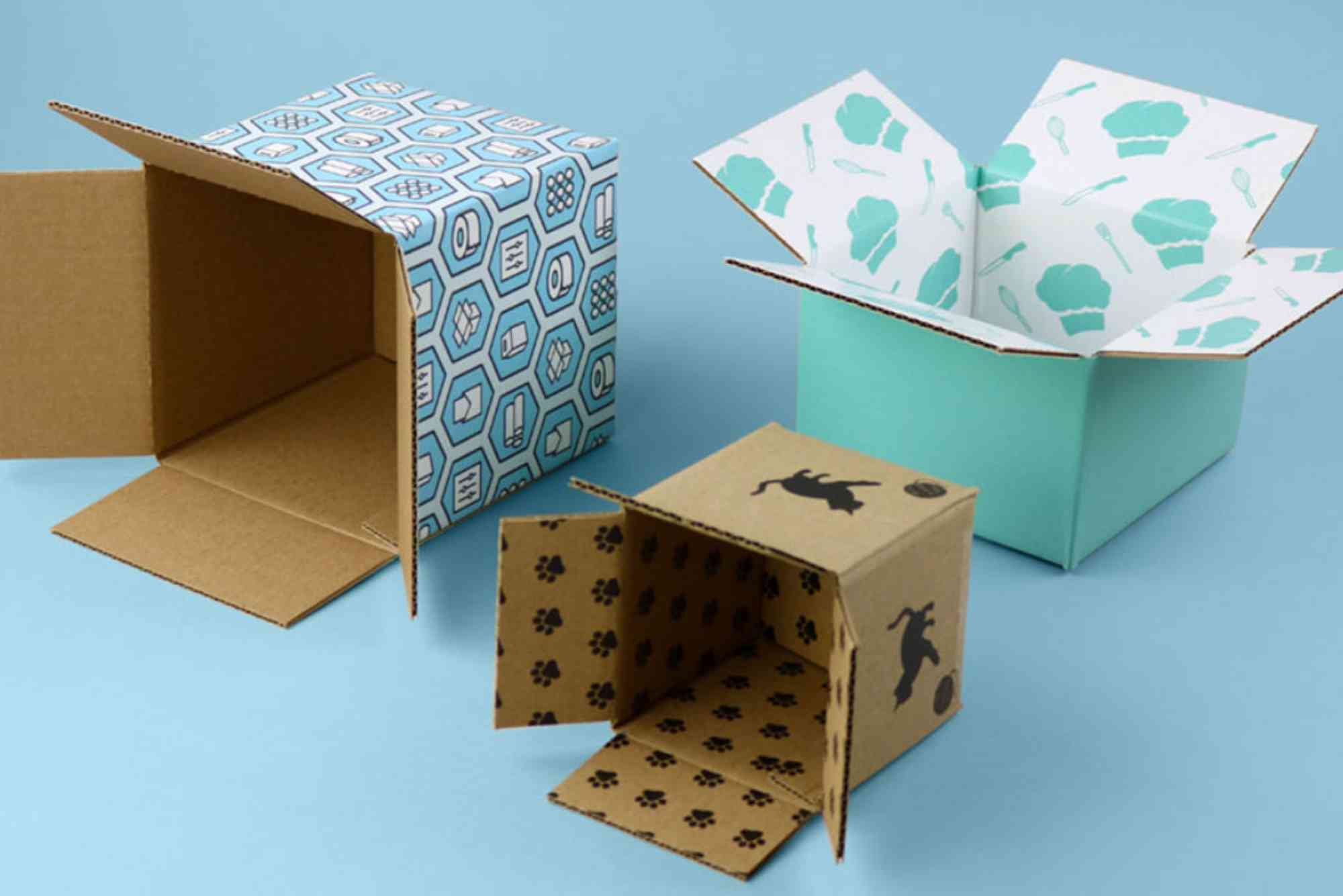
Graphics, patterns, and illustrations can make your box stand out. Keep designs aligned with your brand’s tone and avoid cluttered layouts.
Printing and Finishing Options
Printing Methods
Common printing techniques include digital, flexographic, and lithographic printing. Digital printing is cost-effective for small runs, while lithographic is best for large-scale orders.
Finishing Touches
Consider finishes such as matte, gloss, or soft-touch lamination. Embossing or foil stamping can add premium appeal and make your packaging memorable.
Proofing and Samples
Request printed samples before finalising the order. Proofing helps detect colour mismatches, alignment issues, and structural flaws.
Cost and Production Planning
Budgeting for Materials and Printing
Factor in cardboard quality, printing complexity, finishing, and shipping. Budgeting accurately prevents surprises during production.
Production Timeline
Discuss lead times with manufacturers to ensure timely delivery. Buddy Packaging Location Planning ahead avoids delays and supports promotional campaigns or product launches.
Quality Control
Establish quality checks for each batch. Consistency in box dimensions, print quality, and finishing ensures professional presentation.
Optimising for Shipping and Storage
Space Efficiency
Design boxes that stack neatly and optimise storage space. Efficient packing reduces shipping costs and warehouse clutter.
Protective Packaging
Add cushioning, inserts, or dividers to protect fragile items. Consider shipping tests to ensure boxes withstand handling.
Eco-Friendly Shipping Practices
Use minimal fillers and recyclable materials to reduce environmental impact. Customers increasingly value sustainable packaging choices.
Partnering with a Trusted Packaging Supplier
Choosing the Right Manufacturer
Work with experienced suppliers who understand custom box requirements. Discuss prototypes, material options, and printing methods before placing large orders.
Leveraging Premium Custom Boxes in the UK
Premium Custom Boxes in the UK, Select suppliers that offer high-quality materials and innovative design options. Premium suppliers ensure your boxes are sturdy, visually appealing, and consistent.
Connecting with Buddy Packaging UK
Buddy Packaging UK provides expert guidance on custom box design, from concept to production. Their experience simplifies the process for businesses of all sizes.
Finding a Buddy Packaging Location
Choose a supplier with a local presence or reliable shipping solutions. A convenient location improves communication and reduces lead times.
Designing custom cardboard boxes requires careful planning, creativity, and attention to detail. By understanding product needs, choosing the right materials, and integrating your branding effectively, you can create boxes that impress customers and protect your products. Follow these step-by-step tips to elevate your packaging strategy and enhance your brand image.
Start designing your custom cardboard boxes today with expert guidance from Buddy Packaging UK to create packaging that’s both functional and visually appealing.
FAQ
What are the most important factors when designing custom cardboard boxes?
The key factors include product protection, brand alignment, material strength, and ease of shipping.
How do I choose the right cardboard material for my boxes?
Consider product weight, fragility, and shipping requirements. Single-wall is lightweight, while double-wall is more durable.
Can custom boxes help improve brand recognition?
Yes, incorporating logos, colours, and designs consistent with your brand strengthens recognition and creates a memorable unboxing experience.
What finishing options are available for cardboard boxes?
Finishing options include matte, gloss, soft-touch lamination, embossing, and foil stamping. These enhance visual appeal and perceived value.
How can I ensure my custom boxes are eco-friendly?
Use recyclable cardboard, reduce fillers, and choose biodegradable inks. Sustainable packaging appeals to environmentally conscious customers.
How do I find a reliable supplier for custom boxes in the UK?
Look for experienced suppliers like Buddy Packaging UK, who offer material guidance, printing options, and quality control support.