Packaging Design Presentation
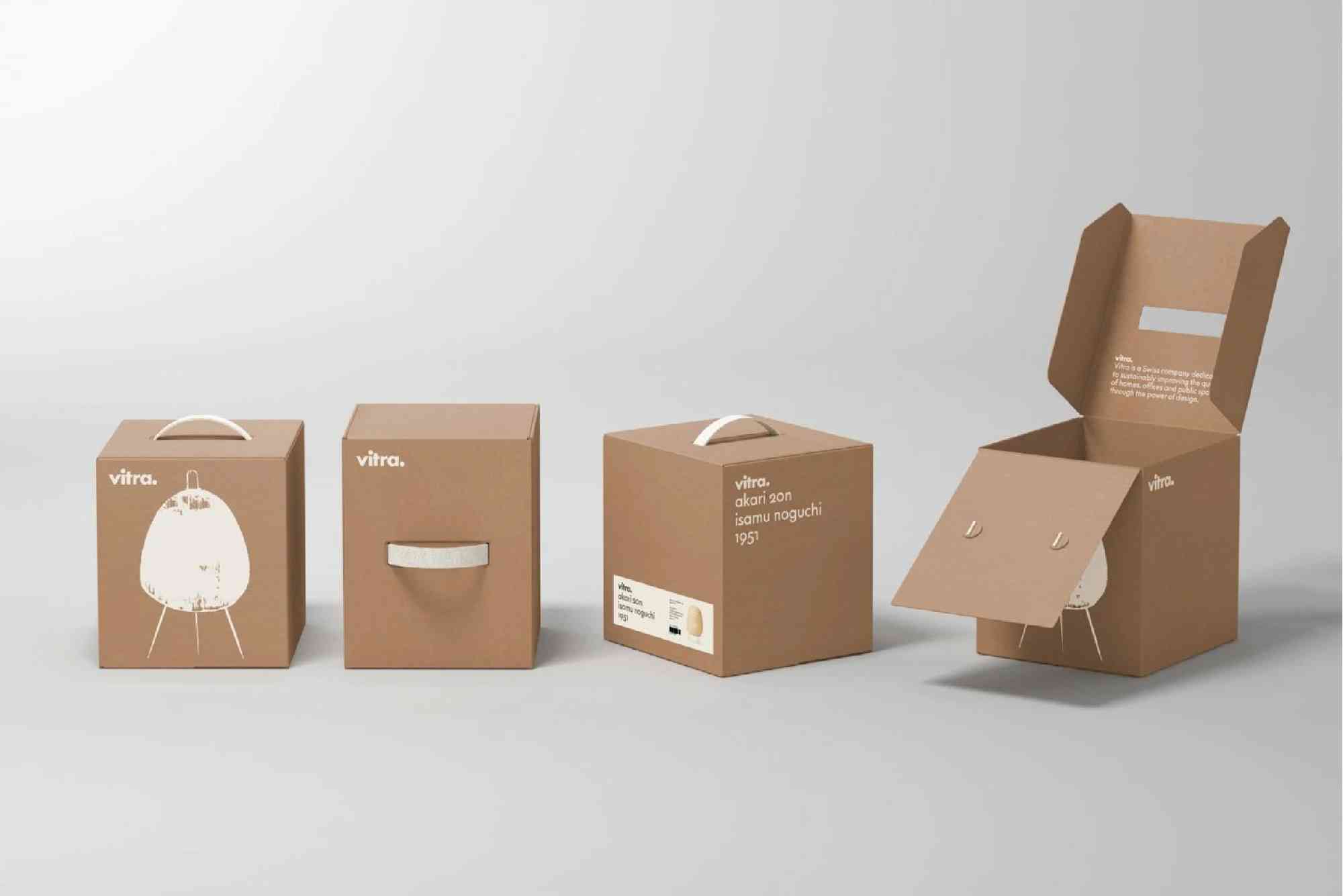
Packaging Design Presentation: How to Make an Impactful Showcase
In today’s competitive market, a strong packaging design presentation can make or break a product’s success. A well-crafted presentation not only highlights the aesthetic appeal of the packaging but also communicates the brand story, functionality, and innovation behind it. Whether you are a designer presenting to clients or a brand pitching new ideas internally, mastering the art of packaging design presentation is crucial.
Understanding the Purpose of a Packaging Design Presentation
A packaging design presentation serves multiple objectives. Primarily, it communicates your design concept clearly and persuasively. It helps clients visualise how the product will appear on shelves, interact with customers, and reflect the brand identity. Moreover, it offers an opportunity to demonstrate problem-solving skills, such as how the packaging addresses sustainability, functionality, and user experience.
Designers often overlook that a presentation is not just about visuals. It’s about storytelling. Every element, from the choice of colours and typography to the structural design and materials, should support a narrative that resonates with the audience. This approach ensures that your ideas are memorable and compelling.
Preparing for an Effective Packaging Design Presentation
Research and Concept Development
Before creating a presentation, thorough research is essential. Understand the brand values, target audience, and market trends. Investigate competitors’ packaging strategies to identify gaps and opportunities. This research will guide your design direction and allow you to present solutions grounded in insight. Inspiration can be drawn from various sources, includingpackaging design inspiration, which showcases innovative approaches and global trends.
Developing a clear concept is the next step. Define the message your packaging will convey. Is it luxury, eco-friendliness, convenience, or playfulness? A coherent concept ensures that every design decision aligns with the brand story.
Choosing the Right Tools
Modern presentations often blend digital and physical elements. Tools like Adobe Illustrator, Photoshop, or 3D rendering software enable high-quality visualisations. Physical prototypes can further enhance credibility, allowing clients to touch, hold, and experience the packaging firsthand. For companies looking for practical solutions,Custom Packaging services can provide prototypes and production samples that make presentations more tangible and engaging.

Structuring Your Presentation
An effective presentation follows a logical flow. Begin with an introduction that sets the stage: present the brand, the challenge, and your design objectives. Follow this with the main content, showcasing sketches, mood boards, and final renderings. Conclude with a summary that reiterates key benefits and invites feedback. This structure keeps your audience engaged and ensures that your message is communicated clearly.
Key Elements of a Compelling Packaging Design Presentation
Visual Storytelling
Visuals are the backbone of any packaging design presentation. Use high-resolution images, mockups, and 3D models to convey your ideas vividly. Show different angles, interior features, and unboxing experiences if applicable. Remember, visuals should support your narrative rather than overwhelm it. Highlight the functional benefits alongside aesthetics to provide a holistic view of the packaging.
Brand Consistency
A successful presentation reflects brand consistency. Colours, typography, and visual elements should align with existing brand guidelines. If the packaging represents a new product line, ensure it complements the brand’s overall identity. Demonstrating this awareness in your presentation reassures clients that your designs are thoughtful and aligned with long-term brand strategy.
Sustainability and Practicality
Sustainability is no longer optional in packaging design. Highlight eco-friendly materials, recyclability, and efficient production methods. Additionally, emphasise practicality — how the packaging protects the product, improves storage, or enhances user convenience. Clients increasingly value designs that balance creativity with responsibility, and showcasing these aspects can make your presentation stand out.
Prototypes and Interactive Elements
Including prototypes or interactive elements elevates a presentation. Physical models or digital simulations allow clients to visualise real-world applications. Interactive presentations with animations or augmented reality experiences can demonstrate functionality dynamically. Engaging multiple senses strengthens understanding and leaves a lasting impression.
Common Mistakes to Avoid
Overloading Slides with Text
One of the most frequent mistakes in packaging design presentations is cluttered slides. Avoid excessive text that distracts from visuals. Use concise bullet points or annotations to support your message. Your audience should focus on the design, not struggle to read paragraphs on a screen.
Neglecting the Audience’s Perspective
Designers sometimes present from their own perspective without considering the client’s priorities. Anticipate questions and concerns your audience might have. Address brand positioning, target demographics, production feasibility, and cost considerations upfront. Tailoring your presentation to the client’s perspective builds trust and credibility.
Ignoring Feedback Opportunities
A presentation should be interactive, not a monologue. Invite feedback throughout, ask clarifying questions, and be ready to adapt your proposals. Demonstrating flexibility and openness enhances collaboration and increases the likelihood of design approval.
Enhancing Your Presentation with Real-World Examples
Showcasing successful case studies strengthens your presentation. Highlight projects where design choices positively impacted sales, customer perception, or brand recognition. Explain the rationale behind decisions, from colour palettes to structural features. Using concrete examples builds confidence in your expertise and helps clients visualise potential outcomes.
The Role of Digital Tools in Modern Presentations
Digital tools have transformed packaging design presentations. Software like Keynote, PowerPoint, and Figma allows seamless integration of visuals, animations, and video clips. 3D modelling and rendering software provide realistic representations of packaging, helping clients assess aesthetics and functionality accurately. Incorporating digital tools ensures your presentation is polished, interactive, and professional.
Tailoring Presentations for Different Stakeholders
Different stakeholders have varying priorities. Marketing teams may focus on shelf impact and branding, while production teams care about feasibility and cost. Adjust your presentation to highlight aspects most relevant to each audience. Using clear visuals, cost estimates, and production timelines can demonstrate a holistic understanding of the project.
Presentation Delivery Tips
Clarity and Confidence
Confidence is key. Speak clearly, maintain eye contact, and articulate the design story effectively. Avoid jargon unless the audience is familiar with technical terms. Practising your presentation multiple times ensures smooth delivery and helps manage timing.
Engagement Techniques
Interactive elements, questions, and live demonstrations keep the audience engaged. Encourage participation, ask for opinions, and use props or samples where possible. Engaged audiences are more likely to remember your designs positively.
Supporting Materials
Provide supporting materials like printed booklets, mood boards, or prototype samples. These tangibles reinforce the design message and allow clients to review details after the presentation. Sharing digital copies with stakeholders ensures accessibility and reference for decision-making.
Making Your Packaging Design Presentation Memorable
A compelling packaging design presentation combines visuals, storytelling, and strategic thinking. By prioritising clarity, brand alignment, and audience engagement, you can transform your ideas into persuasive experiences. Remember, the goal is not only to showcase design but also to communicate value, practicality, and innovation effectively. For professional assistance and high-quality prototypes, consider exploringBuddy Packaging Location.
Elevate your design presentations, captivate your clients, and leave a lasting impression by integrating research, creativity, and interactive elements. Take the next step in enhancing your packaging projects today.
FAQs
What is a packaging design presentation?
A packaging design presentation showcases a product’s packaging concept to clients or stakeholders, highlighting aesthetics, functionality, and brand alignment.
How do I make my packaging design presentation stand out?
Focus on storytelling, clear visuals, interactive prototypes, and alignment with brand identity. Engaging the audience and addressing sustainability enhances impact.
What tools are best for packaging design presentations?
Software like Adobe Illustrator, Photoshop, Keynote, Figma, and 3D rendering tools are commonly used. Physical prototypes also add tangible value.
Why is sustainability important in packaging design presentations?
Sustainable packaging demonstrates responsibility, appeals to environmentally conscious consumers, and can influence client decisions positively.
How long should a packaging design presentation be?
Aim for 15–30 minutes for client presentations. Keep slides concise, visuals clear, and leave time for questions and feedback.
