Packaging Design Graphic Design
Introduction
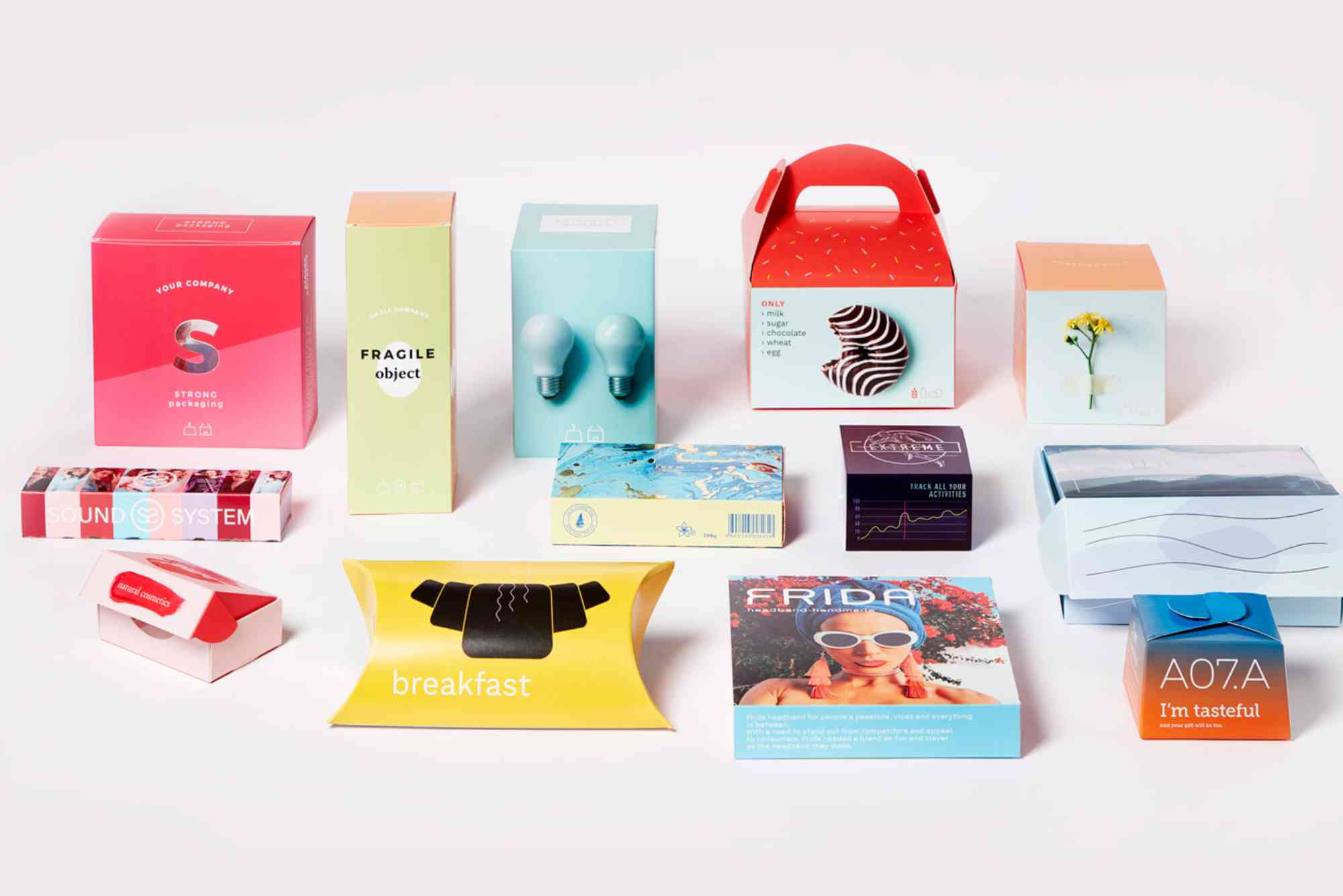
Packaging design graphic design plays a crucial role in how products are viewed, understood, and purchased in today’s competitive marketplace. Every brand, whether emerging or established, relies on packaging to communicate its identity, protect its products, and engage customers. When the visual presentation is strong, it influences buying behaviour, improves brand trust, and enhances the overall customer experience.
Understanding Packaging Design Graphic Design
Packaging design graphic design combines aesthetics, structure, and strategy to create packaging that does more than simply hold a product. It blends creativity with functional thinking. A designer considers visual elements such as colour, typography, patterns, and illustration, and combines them with packaging material, structure, and usability. The goal is to present the product in a way that is visually appealing, easy to understand, and aligned with brand identity. At the same time, design must protect the item during shipping, storage, and display. This balance between beauty and practicality defines the heart of packaging design graphic design.
Why Packaging Design Matters in Modern Branding
Packaging is often the first interaction a customer has with a brand. Before reading a product description or experiencing the item, the consumer sees the packaging. That moment forms a first impression that influences trust, value perception, and purchase intent. Packaging design graphic design strengthens brand consistency by visually linking all product lines. When a customer recognises colours, patterns, or styles across a brand’s range, trust builds naturally. Strong packaging also supports brand storytelling. Designers communicate values, emotions, and promises through visual language. This storytelling becomes a powerful marketing tool because it speaks to customers without requiring words. In sectors like food, cosmetics, technology, and wellness, packaging design has become just as important as product performance.
The Core Principles Behind Packaging Design Graphic Design
The best packaging design graphic design follows a combination of artistic and functional principles. Designers start with the brand strategy. They ensure every visual element supports the brand’s tone, whether luxurious, minimalist, playful, or organic. They consider how the packaging will look both on shelves in physical stores and on digital screens, since online shopping continues to grow. Usability plays a major role. Packaging should be easy to open, easy to store, and secure during transport. The selection of materials is equally important. Brands increasingly focus on sustainability, opting for recyclable, compostable, or reduced-plastic materials. Designers must make choices that support the brand’s environmental values while maintaining quality and durability. Visual hierarchy also guides effective design. Customers should instantly understand the product name, features, and usage. Clear communication builds trust and supports better purchasing decisions.
How Packaging Influences Consumer Psychology
Packaging design graphic design shapes emotional reactions. Colours can spark associations, such as green with nature, blue with trust, and red with energy. Typography influences perceived personality. A serif font can feel traditional or premium, while a bold sans-serif font can feel modern and confident. Texture and material also influence emotional perception. A matte finish might communicate calm sophistication, while a glossy finish can communicate vibrancy and energy. These details matter, because consumers often make decisions within seconds. Good packaging guides the eye, creates emotional comfort, and convinces them that the product is worth choosing.
The Role of Technology in Packaging Design
Advancements in digital tools have transformed packaging design graphic design. Designers work with 3D visualisation software to create realistic prototypes without producing physical samples. This speeds up development and allows brands to test multiple concepts efficiently. Digital printing has also reduced production barriers. Businesses can create short runs for seasonal packaging, limited editions, or product launches. Technology also supports customisation, which many brands use to give customers more personal experiences. Some companies rely on Custom Packaging options for high-quality branded boxes, which you can explore through Buddy Packaging by visiting their . Meanwhile, production teams and designers use print & finishing insights from reliable industry sources such as to stay informed about the latest advancements in printing, materials, and finishing techniques.

Sustainability and Eco-Friendly Packaging Priorities
Packaging design graphic design now heavily incorporates sustainability due to consumer awareness and environmental responsibility. Brands want packaging that reduces waste, lowers carbon footprint, and embodies eco-friendly values. Designers consider material weight, recyclability, and the full lifecycle of packaging. They also explore minimalistic design approaches which reduce ink usage and encourage simpler forms that require fewer resources. Sustainability is not only an ethical choice but also a competitive advantage. Many consumers actively choose brands with clear eco-friendly commitments. When a brand invests in responsible packaging design, it signals integrity and long-term thinking.
The Complete Process of Packaging Design Graphic Design
Creating strong packaging involves a structured process. Designers begin with research, studying competitors, customer preferences, and market trends. They analyse how similar products appear on shelves and online. The next step involves concept development. Multiple ideas emerge, exploring different visual directions. Once a concept is approved, the designer refines details like colour palettes, typography styles, and graphic elements. They consider functional requirements such as dielines, folds, and printing limitations. The final stage includes pre-press preparation, prototype review, and production coordination. This process requires collaboration between designers, printers, marketers, and product development teams. Each stage shapes the final customer experience.
The Connection Between Packaging and Digital Marketing
Packaging design graphic design extends beyond physical stores. In the era of online shopping, product images dominate digital platforms. Packaging must look appealing in photographs and videos. It should be clear enough that online buyers understand what they are purchasing. Unique packaging also increases shareability on social media. Customers often share unboxing moments, which creates free brand exposure. This trend has turned packaging into an integral part of digital marketing strategy. Brands that produce aesthetically pleasing packaging attract attention, engagement, and customer loyalty.
Local Packaging Expertise and Real-World Industry Support
Brands often benefit from partnering with packaging experts who understand both design and production. Whether a business needs simple labels or complete box structures, expert guidance ensures that the packaging is functional, beautiful, and cost-effective. Understanding where a trusted packaging provider is located helps businesses plan faster. You can explore Buddy Packaging’s physical presence through Buddy Packaging Location, for quick navigation and in-person consultation. Local insight also supports better planning, especially for businesses managing frequent product launches or updates.
Packaging design graphic design is more than a visual exercise. It shapes brand identity, builds trust, influences psychology, and drives long-term success. As markets become more competitive and consumer expectations rise, the investment in thoughtful packaging becomes essential. Whether you want to modernise your product, embrace sustainability, or create a memorable unboxing experience, strong packaging design will elevate your brand.
FAQs
What makes packaging design so important for brands?
Packaging design is important because it influences customer perception, supports brand identity, and impacts buying decisions. Design communicates product value and differentiates a brand from its competitors.
How does packaging design affect sales?
Thoughtful packaging design captures attention, improves clarity, and builds trust. These factors directly increase conversion rates both in physical stores and online.
What is the difference between packaging design and graphic design?
Graphic design focuses on visual communication. Packaging design includes graphic design but also involves materials, structure, functionality, and production considerations. It is a combination of artistic and technical skill.
How do designers choose colours for packaging?
Designers choose colours based on brand identity, target audience, and emotional psychology. They also consider shelf visibility and how colours appear in digital environments.
Is eco-friendly packaging more expensive?
Eco-friendly packaging can sometimes cost more, but prices vary depending on material, production method, and order quantity. Many brands believe the long-term benefits outweigh the cost difference.
Shop the boxes from this guide
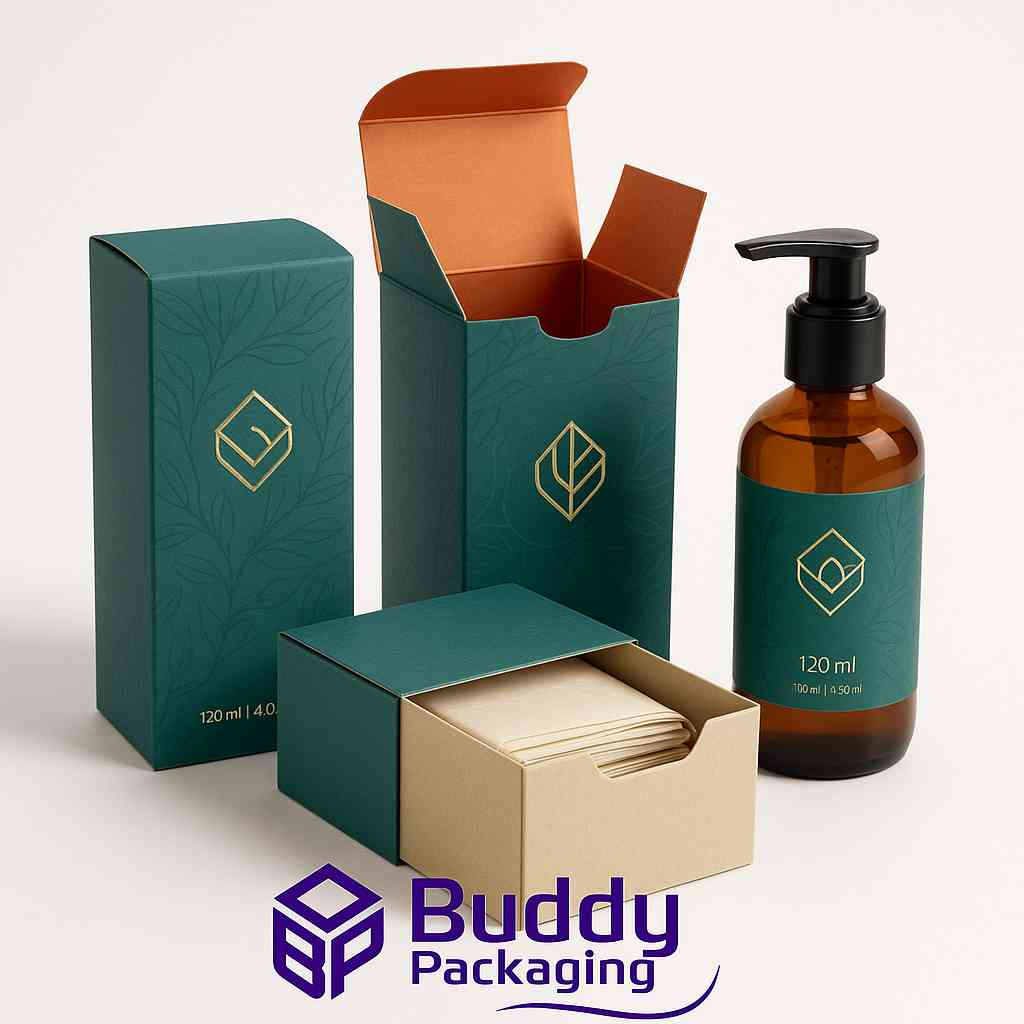
120ml Bottle Boxes
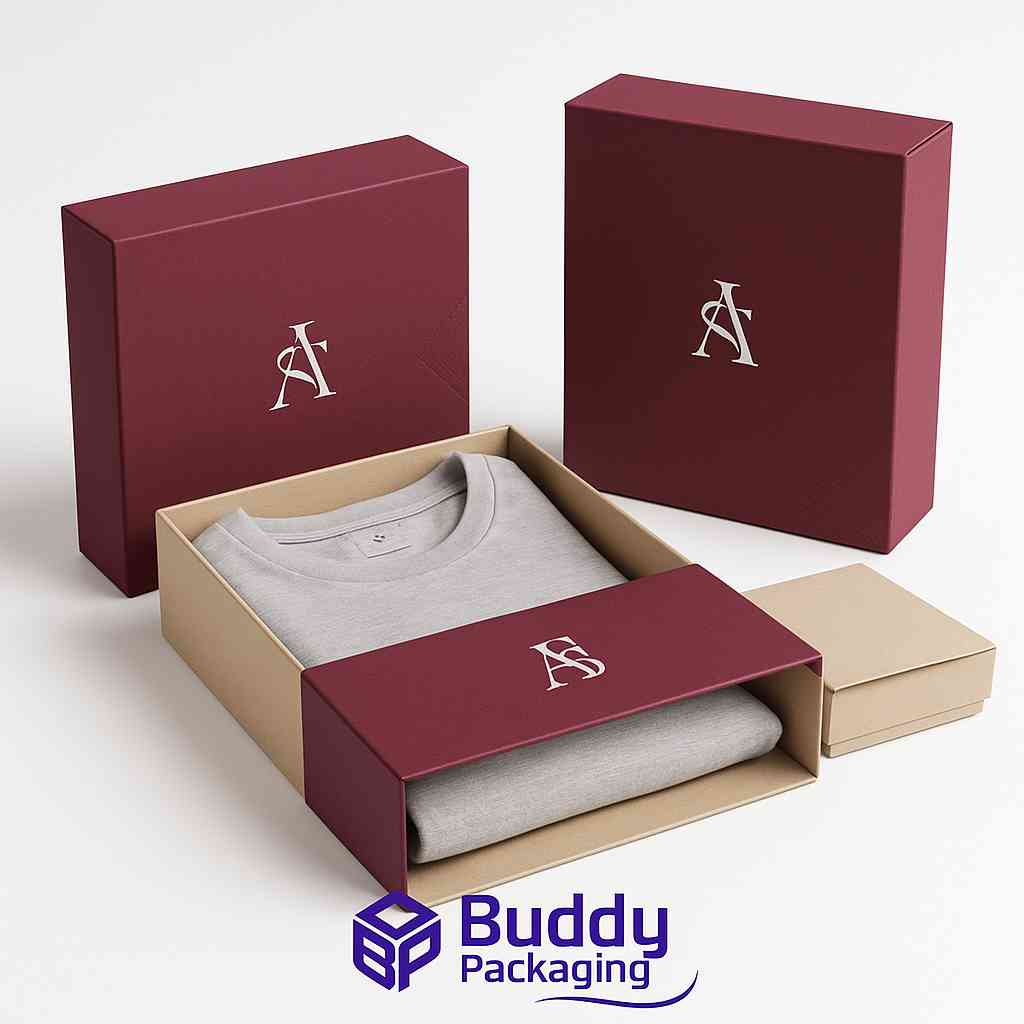
Apparel Sleeve Boxes
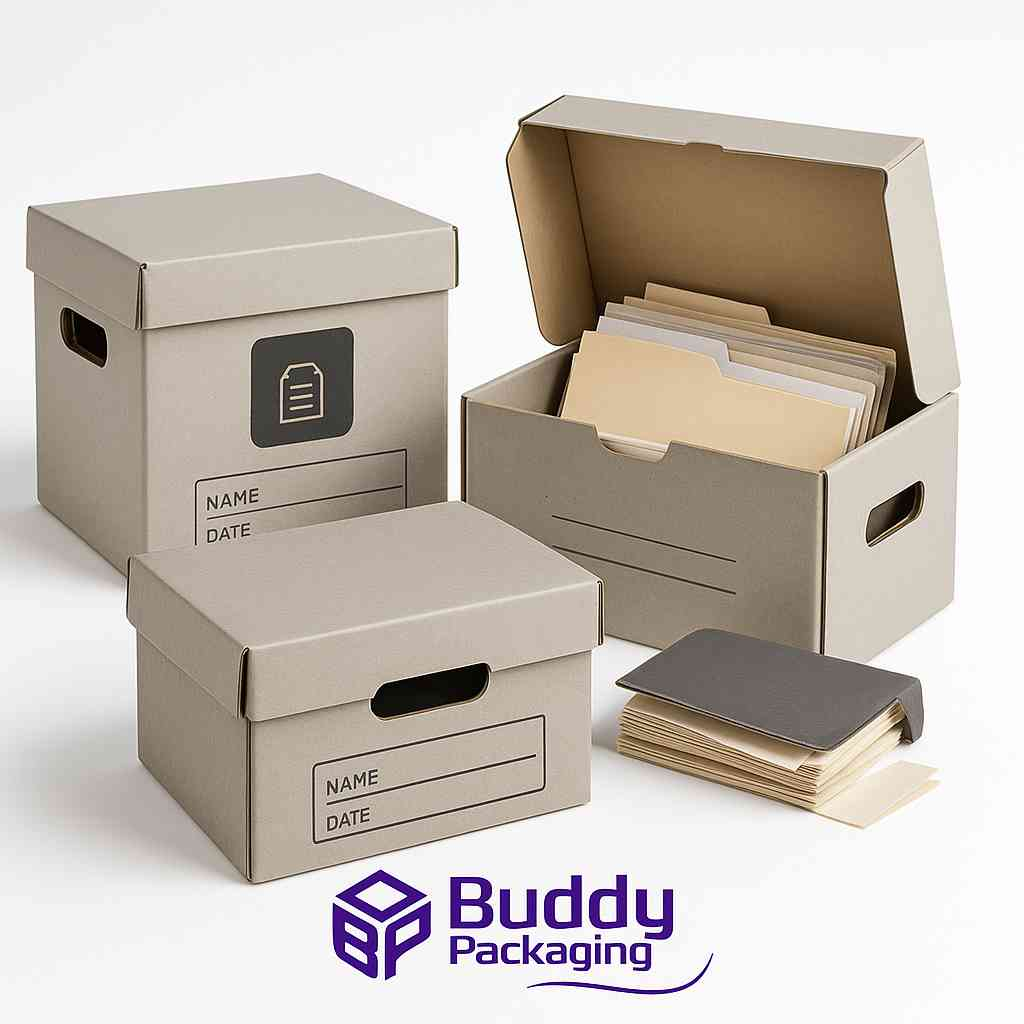
Archive Boxes

buddypackaginguk
Packaging & Print SpecialistTechnical packaging specialist at Buddy Packaging UK, sharing insights on corrugated board packaging, custom dielines, and print production.
View all packaging articles by buddypackaginguk →