Packaging Design Examples
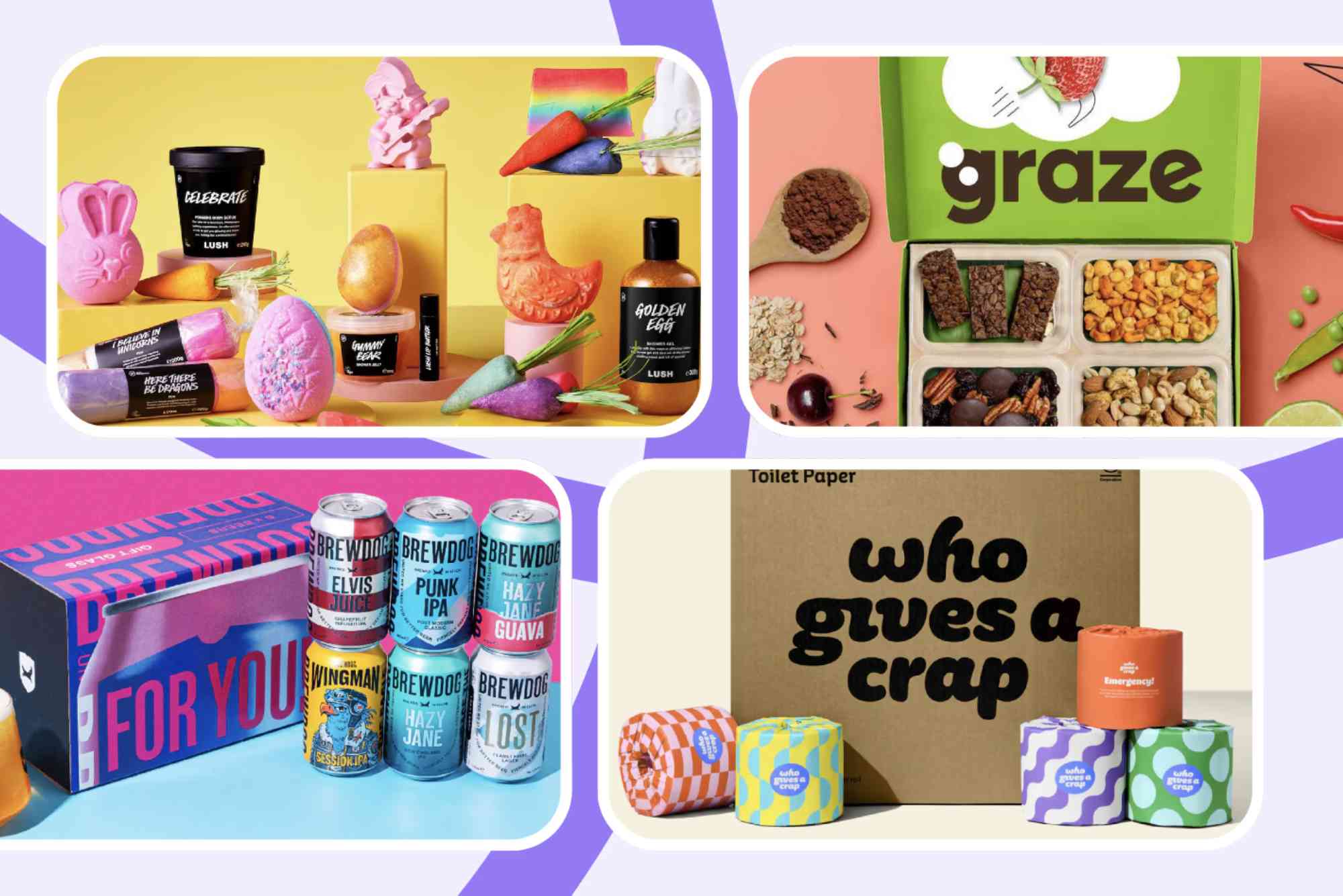
Packaging Design Examples: Inspiring Ideas for Modern Brands
Packaging design plays a vital role in shaping how customers feel about a product long before they try it. The first impression often determines whether someone picks an item off the shelf or scrolls past it online. In today’s competitive market, brands must invest in packaging that not only protects the product but tells a compelling story. This guide explores some of the most impactful packaging design examples used by successful brands and explains what makes them work so well. Throughout the article, you will also discover valuable insights that can help you create eye-catching designs of your own.
Packaging has evolved far beyond simple wrapping. Now it blends creativity, psychology, sustainability, and brand identity. Whether you are launching a new product or refreshing an existing one, these packaging design examples will spark fresh ideas and help you make informed design decisions. Many brands also turn to to achieve unique results tailored to their target audience. By understanding the strategies behind successful examples, you can create designs that highlight your values, attract attention, and build long-term customer loyalty.
Why Packaging Design Matters More Than Ever
Modern consumers expect a lot from the products they buy. They look for visual appeal, useful information, sustainable materials, and a positive unboxing experience. Packaging must meet these expectations while staying true to the brand identity. When done well, it becomes a silent salesperson, boosting both shelf appeal and online conversions.
Packaging also acts as a storytelling tool. It communicates emotions, values, and promises in a matter of seconds. This is why strong packaging design examples often include clever typography, meaningful colour choices, and memorable structures. Today, social media sharing has increased the importance of visually pleasing packaging. If customers admire your packaging, they may share it online, giving you free brand exposure.
Classic Packaging Design Examples That Continue to Influence the Market
Many timeless examples still shape today’s design trends. Think of iconic chocolate bars, luxury perfume boxes, or minimalist tech product packaging. These examples show that a great design does not rely on complexity. Instead, it focuses on clarity, consistency, and emotional impact. When consumers repeatedly choose a product because of its packaging, it becomes a benchmark of excellence.
Brands that invest in packaging often set trends others follow. Their designs remain relevant because they balance creativity with practicality. The strongest examples also highlight the product’s essence rather than distracting from it. This approach helps customers build trust and recognise your brand instantly.

Modern Packaging Design Examples That Reflect Today’s Trends
In recent years, brands have embraced a blend of sustainability, minimalism, bold colours, and storytelling. Many successful designs also use textured materials, foil stamping, and personalised labels to enhance perceived value. Modern packaging examples often favour clean compositions with a clear focus point, making products stand out in digital marketplaces where competition is fierce.
Sustainability is now one of the biggest trends. Brands use recycled cardboard, biodegradable ink, and eco-friendly adhesives. This approach reduces environmental impact and appeals to eco-conscious consumers. When eco-friendly materials are paired with beautiful design, the result is both responsible and visually engaging.
How Colour Shapes Packaging Design
Colour psychology plays a powerful role in how consumers interpret packaging design examples. For instance, green often represents freshness or nature, while black conveys luxury or sophistication. Bright colours can attract younger audiences, while muted tones may appeal to premium markets. Understanding these emotional cues helps brands create packaging that matches their intended message.
Successful brands use colour consistently across all products. This reinforces brand recognition and builds familiarity. When customers can identify your brand by colour alone, you know your packaging strategy is working. Designers also experiment with gradients, metallic finishes, and soft earth tones to give packaging depth and personality.
Typography That Makes Packaging Stand Out
Typography is another essential element of great packaging design. Clean, readable fonts make information easy to digest, while expressive display fonts add character. Many packaging design examples combine both styles to create balance. A simple sans-serif font may communicate modernity, while a serif typeface can evoke tradition or quality.
When choosing typography, designers consider how text behaves at different sizes. A beautiful script font may look elegant on a perfume bottle but unreadable on a small food label. The best examples use typography to guide the customer’s eye and emphasise the product’s strengths.
The Role of Structure and Shape in Packaging
Structural design is where creativity meets engineering. Innovative shapes can make a product feel more premium and memorable. From magnetic-closure boxes to cylindrical tubes and elegant slide-out trays, structural packaging adds drama and enhances the unboxing experience.
However, structure must balance aesthetics with practicality. Products should remain secure, easy to handle, and cost-efficient to produce. Many brands achieve this by using Custom Packaging, which allows them to design structures that meet their exact needs. A distinctive shape also encourages customers to reuse the box, increasing brand visibility and reducing waste.
Sustainability in Packaging Design
Eco-friendly packaging has shifted from a trend to a necessity. Many inspiring packaging design examples now incorporate recycled materials, soy-based inks, and minimal plastic. Brands also minimise unnecessary layers and opt for lightweight solutions to reduce carbon footprint. Sustainable packaging communicates responsibility and appeals strongly to environmentally aware consumers.
Designers are now exploring innovative materials such as mushroom-based foam, seaweed paper, and plantable seed packaging. These materials add a unique touch while promoting sustainability. Even subtle changes, such as reducing ink coverage or choosing a natural kraft finish, can make packaging feel more ethical and authentic.
Digital Influence on Packaging Design
Digital shopping has transformed how customers evaluate packaging. Instead of holding a box in their hands, shoppers often rely on product photos and online reviews. Because of this, packaging design examples now consider how a design will appear on screens of various sizes. High contrast, strong typography, and clear product images are essential for online success.
Many brands now use QR codes on packaging to offer digital experiences. These codes may lead to tutorials, brand stories, or product care guides. This connection enhances customer engagement and helps brands communicate more information without cluttering the packaging.
Packaging Design Inspiration for New Brands
Finding the right idea often begins with researching top examples from around the world. packaging design inspiration Websites like platforms showcase winning designs across various industries. By studying these examples, brands can identify trends, materials, and styles that resonate with their audience.
Understanding what works well for similar products helps guide your own creative direction. While inspiration is valuable, the final design must reflect your brand story. The goal is not to copy existing examples, but to build something fresh that fits your identity.
How to Apply Lessons from Great Packaging Design Examples
When designing packaging, start by defining the message you want to deliver. Then choose colours, shapes, and materials that support this message. If your brand focuses on eco-friendliness, natural textures and earthy colours will work well. If your goal is luxury, consider metallic accents, rigid boxes, and elegant typography.
Consistency across all product lines strengthens your brand presence. Each example should feel like part of a cohesive family. Small details, such as embossed logos or custom seals, add refinement and make unboxing more memorable.
Build a Powerful Brand Through Smart Packaging
Great packaging goes beyond aesthetics. It reflects your values, enhances customer experience, and elevates your product in a crowded market. By studying these packaging design examples, you can better understand what drives customer attention and loyalty. Whether you need bold colours, eco-friendly materials, or custom structural designs, the right approach will help your product shine. If you are ready to elevate your brand, explore professional design support and consider investing in tailored solutions that match your goals. Start today and bring your packaging vision to life with confidence.
Frequently Asked Questions
What makes packaging design effective?
Effective packaging design communicates the product’s purpose clearly, appeals to the target audience, and reflects the brand’s identity.
How can I find good packaging design ideas?
You can explore global design showcases, study leading brands, and visit online platforms that provide creative packaging examples.
Why is sustainable packaging important?
Sustainable packaging reduces environmental impact, meets customer expectations, and supports long-term brand reputation.
How do colours affect packaging design?
Colours influence emotions and create visual hierarchy. They help customers associate specific feelings or qualities with your brand.
Should small businesses invest in custom packaging?
Yes. Custom packaging enhances professionalism, improves product presentation, and helps differentiate your brand from competitors.
