Molded Pulp Packaging Design
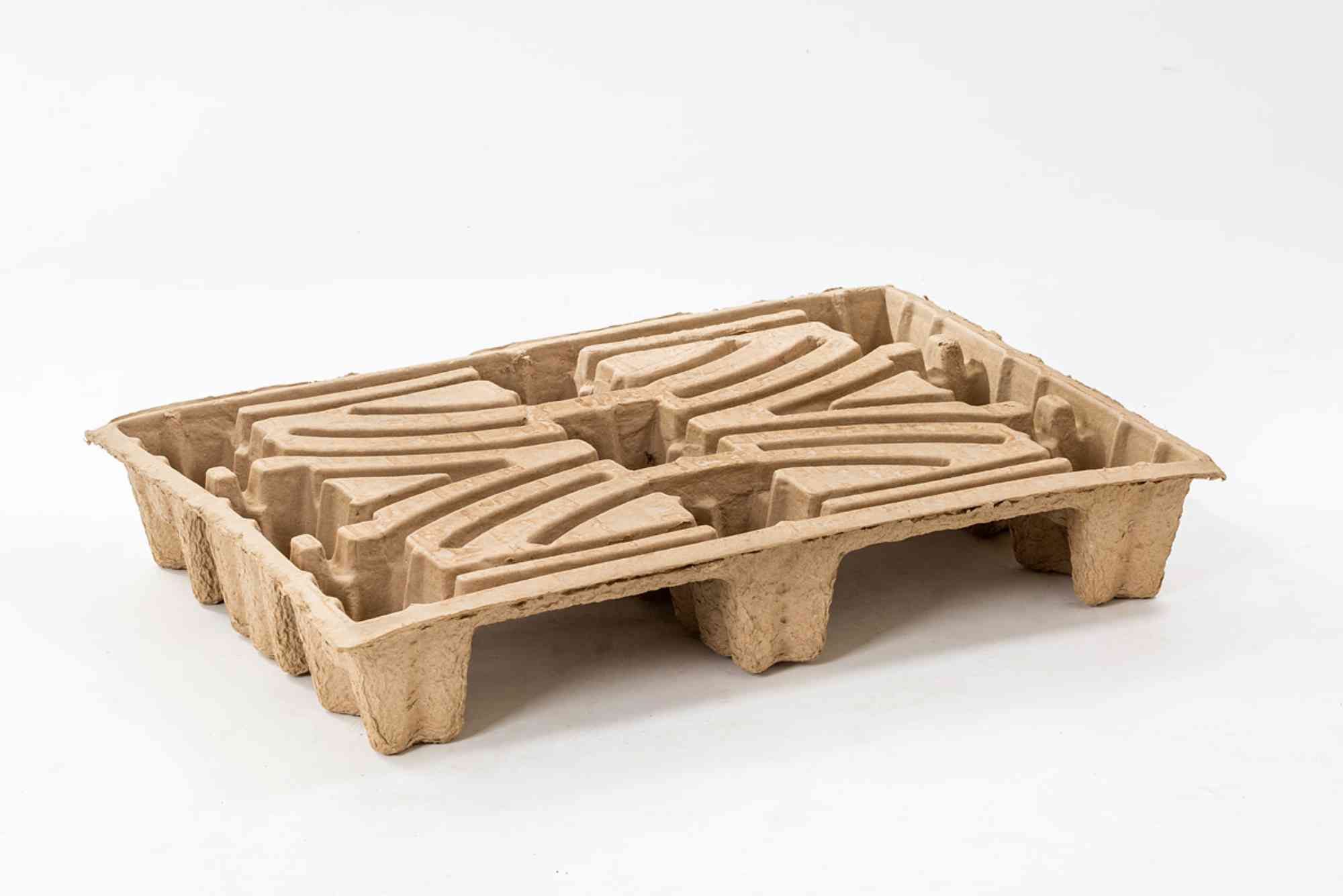
Molded Pulp Packaging Design: A Complete Guide for Sustainable Packaging
Molded pulp packaging design is rapidly becoming a preferred choice for businesses aiming to reduce environmental impact. As sustainability shifts from trend to necessity, companies are rethinking packaging materials and processes. Molded pulp offers a practical, eco-friendly solution that balances performance, cost, and environmental responsibility.
In this guide, you will learn what molded pulp packaging design involves, why it matters, and how to implement it effectively in your business. Whether you are a manufacturer, retailer, or brand owner, this article will help you make informed decisions.
What Is Molded Pulp Packaging Design
Molded pulp packaging design refers to the creation of packaging products using recycled paper fibres. These fibres are processed into a pulp and then shaped into protective forms. Common examples include egg cartons, beverage trays, and protective inserts. Unlike plastic packaging, molded pulp is biodegradable and recyclable. This makes it highly attractive for companies focused on reducing waste. Additionally, it can be customised into various shapes and densities to suit different products.
The design aspect focuses on structure, cushioning, and aesthetics. Designers must ensure the packaging protects the product while also aligning with brand identity.
Why Molded Pulp Packaging Design Matters
Sustainability is no longer optional. Governments and consumers expect brands to reduce their environmental footprint. Molded pulp packaging design directly supports these goals. Firstly, it uses recycled materials, reducing the need for virgin resources. Secondly, it decomposes naturally, unlike plastic. This helps minimise landfill waste.
Moreover, it enhances brand perception. Customers are more likely to trust and support eco-conscious brands. As a result, adopting molded pulp packaging design can improve both reputation and customer loyalty.

Key Benefits of Molded Pulp Packaging Design
Molded pulp packaging design offers several advantages that make it a strong alternative to traditional packaging materials. It is environmentally friendly. The material is made from recycled paper and is fully biodegradable. This reduces environmental harm significantly. It provides excellent protection. The fibrous structure absorbs shocks and prevents damage during transit. This is especially useful for fragile items.
It is cost-effective. Production costs are often lower compared to plastic moulding. Additionally, raw materials are widely available. It supports customisation. Businesses can create unique shapes tailored to their products. This ensures a snug fit and better protection. It enhances branding. With the right finish, molded pulp can look premium and align with brand values.
Types of Molded Pulp Packaging
Understanding the different types of molded pulp packaging helps in choosing the right design for your needs. Transfer moulded pulp is the most common type. It is used for products like egg cartons and cup holders. It offers good strength and moderate detail.
Thermoformed pulp provides a smoother finish and higher precision. It is ideal for electronics and luxury items. Processed pulp involves additional treatments for improved appearance and durability. It is often used in retail packaging. Thick wall pulp is used for heavy-duty applications. It offers excellent strength but has a rough finish. Each type serves a specific purpose, so selecting the right one is crucial for effective molded pulp packaging design.
The Molded Pulp Packaging Design Process
Creating effective molded pulp packaging design involves several steps. Each stage plays a vital role in ensuring quality and performance. The process begins with concept development. Designers analyse the product and define packaging requirements. This includes size, weight, and fragility.
Next comes prototyping. Initial designs are tested for fit and protection. Adjustments are made based on performance. Material selection follows. Different fibre blends can affect strength and finish. Choosing the right mix is essential. Then comes mould creation. Custom moulds are developed to shape the pulp. Precision at this stage ensures consistency. Finally, production begins. The pulp is formed, dried, and finished according to design specifications.
Design Considerations for Better Results
Effective molded pulp packaging design requires careful planning. Several factors must be considered to achieve optimal results. Product protection is the top priority. The design should absorb shocks and prevent movement during transport.
Weight optimisation is also important. Lighter packaging reduces shipping costs and environmental impact. Stackability improves storage and logistics efficiency. Designs should allow easy stacking without compromising strength. Aesthetic appeal should not be overlooked. Even eco-friendly packaging should look attractive and professional. Compatibility with existing systems is essential. The packaging should integrate smoothly into supply chains.
Sustainability and Environmental Impact
Molded pulp packaging design plays a key role in promoting sustainability. It aligns with circular economy principles by reusing materials. The production process uses less energy compared to plastic manufacturing. This reduces carbon emissions significantly.
Moreover, the packaging is compostable. It breaks down naturally without leaving harmful residues. Businesses can further enhance sustainability by sourcing local materials. This reduces transportation emissions. By adopting molded pulp packaging design, companies can meet regulatory requirements and consumer expectations.
Applications Across Industries
Molded pulp packaging design is used across various industries due to its versatility. In the food industry, it is used for egg cartons, fruit trays, and takeaway containers. It ensures hygiene and protection.
In electronics, it provides cushioning for delicate components. Thermoformed pulp is particularly useful here. In retail, it enhances product presentation. Custom designs can create a premium unboxing experience. In healthcare, it is used for disposable trays and packaging. Its biodegradability makes it ideal for single-use applications.
Customisation and Branding Opportunities
One of the biggest advantages of molded pulp packaging design is its flexibility. Businesses can create unique packaging that reflects their brand. Custom shapes ensure a perfect fit for products. This reduces the need for additional fillers.
Surface treatments can improve appearance. Smooth finishes and embossing add a premium touch. For businesses exploring Custom Packaging, this approach offers both sustainability and branding benefits. You can explore more about Custom Packaging here Additionally, colour options and printing techniques can enhance visual appeal. This helps brands stand out in competitive markets.
Challenges and How to Overcome Them
Despite its benefits, molded pulp packaging design comes with challenges. Understanding these helps in making better decisions. Limited moisture resistance can be an issue. However, coatings can improve water resistance.
Initial tooling costs may be high. Yet, these costs are offset by long-term savings. Design complexity can be restrictive. Working with experienced designers helps overcome this limitation. Consistency in production can also be challenging. Advanced moulding techniques ensure better quality control.
Future Trends in Molded Pulp Packaging Design
The future of molded pulp packaging design looks promising. Innovation is driving improvements in both performance and aesthetics. Advanced materials are being developed for better strength and durability. This expands the range of applications. Automation is improving production efficiency. This reduces costs and increases scalability.
Digital design tools are enhancing precision. Designers can create more complex and effective packaging. Sustainability regulations are also shaping the industry. Companies are investing more in eco-friendly solutions. For deeper industry updates and print & finishing insights,
How to Choose the Right Packaging Partner
Selecting the right partner is crucial for successful molded pulp packaging design. Experience and expertise matter greatly. Look for a company with a strong portfolio. This indicates their capability to handle diverse projects. Evaluate their design process. A structured approach ensures better results.
Check their sustainability practices. Responsible sourcing and production are essential. Communication is key. A good partner understands your needs and provides practical solutions. If you are considering a trusted provider, you can check Buddy Packaging Location here.
Why Molded Pulp Packaging Design Is the Future
Molded pulp packaging design is more than just a trend. It is a practical solution for modern packaging challenges. It combines sustainability, cost-effectiveness, and functionality in one package. As environmental concerns continue to grow, businesses must adapt. Switching to molded pulp packaging design is a step in the right direction.
A strong brand identity starts with the right visual foundation. Our branding and logo design packages are crafted to help businesses stand out, communicate clearly, and build lasting recognition. Whether you’re launching a new venture or refreshing your image, these solutions ensure your brand looks professional, consistent, and memorable across all platforms.
Frequently Asked Questions
What is molded pulp packaging made from
Molded pulp packaging is made from recycled paper, cardboard, and natural fibres. These materials are pulped and moulded into shape.
Is molded pulp packaging environmentally friendly
Yes, it is biodegradable, recyclable, and made from renewable resources. It has a low environmental impact.
Can molded pulp packaging replace plastic
In many cases, yes. It offers similar protection while being more sustainable.
Is molded pulp packaging waterproof
It is naturally absorbent. However, coatings can improve water resistance.
What industries use molded pulp packaging design
Industries include electronics, food, retail, healthcare, and consumer goods.
Is molded pulp packaging cost-effective
Yes, it is affordable due to low material and production costs. It also reduces long-term environmental costs.
