Graphic Packaging Design
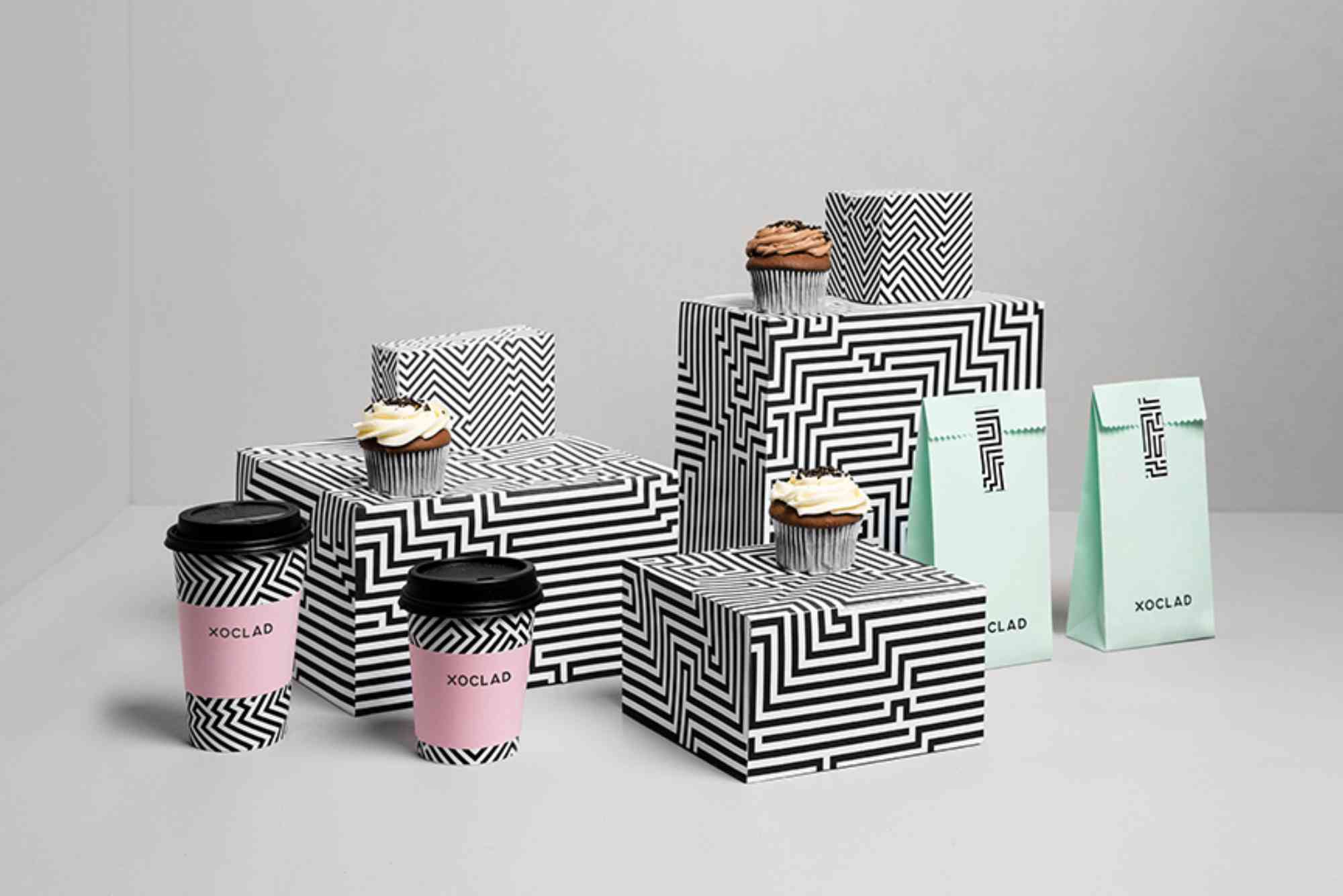
In today’s visually driven marketplace, graphic packaging design has become more than just a way to contain products—it’s a powerful communication tool. From luxury cosmetics to everyday grocery items, packaging is often the first impression a consumer has of a brand. The right design doesn’t only protect what’s inside; it shapes brand perception, drives purchase decisions, and creates memorable experiences that build loyalty.
Whether you’re a startup launching your first product or an established business aiming for a rebrand, understanding the importance of thoughtful packaging design is essential.
The Power of Graphic Packaging Design
Graphic packaging design combines visual creativity with functionality to tell a brand’s story. It’s the blend of colors, typography, textures, and imagery that instantly connects with consumers. When done right, it captures attention on the shelf, communicates product value, and aligns with brand identity.
A well-designed package stands out among competitors, especially in industries where shelf impact determines success. From eco-friendly cardboard boxes to sleek plastic wraps, design plays a vital role in expressing brand values—be it sustainability, luxury, or innovation.
The Role of Branding in Packaging Design
Branding is at the heart of every packaging decision. When consumers see your product, they should immediately recognize your brand’s tone, personality, and promise. Graphic design elements like color psychology, logo placement, and typography are carefully chosen to reflect the brand’s essence.
For example, a natural skincare company may use earthy tones and minimalist graphics to communicate purity and sustainability, while an energy drink brand may opt for bold fonts and vibrant colors to convey excitement and energy. The alignment between brand identity and packaging visuals enhances trust and recognition.

Key Elements of Successful Graphic Packaging Design
Creating effective packaging involves more than aesthetics—it requires strategic thinking. Every design choice, from the material to the color scheme, influences how consumers feel about your product.
Visual Hierarchy and Readability
A clear visual hierarchy ensures that consumers notice the most important information first—like the brand name, product type, and benefits. Strategic use of contrast and spacing makes the packaging easy to scan, even from a distance.
Color Psychology and Emotion
Colors evoke emotions and associations that affect purchase decisions. Warm hues like orange and red convey energy and excitement, while blues and greens suggest calmness and trust. Understanding this psychology helps designers create packaging that resonates with the target audience.
Typography and Consistency
Fonts are subtle but powerful design tools. They must match the brand’s tone—playful for kids’ snacks, elegant for cosmetics, or bold for sports drinks. Consistent typography across all products strengthens brand identity.
Material and Sustainability
In today’s eco-conscious market, materials speak volumes about brand values. Many consumers prefer recyclable or biodegradable packaging, making sustainability an essential design factor. The right material choice can set your brand apart as environmentally responsible.
How Graphic Packaging Design Impacts Consumer Behavior
Consumers often make buying decisions within seconds of seeing a product. This is where visual design becomes the silent salesperson. Good packaging design doesn’t just attract—it informs and reassures.
A clean, professional design builds credibility, while cluttered or confusing visuals can discourage potential buyers. The tactile feel of packaging—its weight, texture, and finish—also influences perceptions of quality. Glossy finishes may signal luxury, while matte textures suggest sophistication and authenticity.
Effective design builds emotional connections, encouraging repeat purchases and word-of-mouth marketing. Brands that invest in strong packaging design often see improved customer retention and shelf visibility.
The Connection Between Design and Functionality
While visual appeal is crucial, functionality cannot be ignored. A well-designed package must be easy to open, store, and dispose of. Functional design improves the customer experience and reduces frustration.
Innovative designs such as resealable pouches, ergonomic bottle shapes, and multi-use packaging create added value. By combining beauty with practicality, brands ensure that their products are not only visually stunning but also user-friendly.
The Evolving Trends in Graphic Packaging Design
As consumer preferences shift, packaging design continues to evolve. Modern trends emphasize minimalism, sustainability, and interactive elements. QR codes, augmented reality, and personalized designs are becoming standard tools for engaging consumers beyond the shelf.
Many brands are adopting graphic packaging design strategies that merge digital and physical experiences. For instance, scanning a package may lead to a brand story video or exclusive discount, deepening customer engagement.
Another key trend is the “unboxing experience.” With e-commerce growth, packaging must create excitement even before the product is revealed. A visually appealing and thoughtfully designed box can make customers feel valued, encouraging social sharing and organic promotion.
Expert Insights: Crafting the Perfect Design
Designers often begin with deep research—understanding the product, audience, and competition. Sketches and mock-ups are used to explore ideas before finalizing the design. The focus remains on clarity, brand consistency, and visual impact.
Collaborating with experienced packaging designers ensures that every detail—from die-line accuracy to print quality—meets professional standards. Partnering with trusted packaging companies like Custom Packaging can help brands achieve tailored solutions that balance creativity with practicality.
Additionally, gaining inspiration from reputable design sources such as packaging design tips can enhance understanding of color trends, printing techniques, and visual innovation.
The Role of Location and Logistics
Graphic packaging design also depends on logistics and market region. For example, what appeals to consumers in Mountain View might differ from preferences in London or Tokyo. Local design sensibilities, regulations, and cultural factors influence packaging choices.
When businesses collaborate with a packaging provider near their target market, they gain logistical advantages and better customization. A visit to Buddy Packaging Location ensures that brands can see firsthand how materials and printing techniques are executed to perfection.
Common Mistakes to Avoid in Packaging Design
Even the most creative ideas can fail if key details are overlooked. Overcomplicating the design, ignoring printing limitations, or using poor-quality materials can hurt brand perception. Similarly, neglecting to test usability—such as how easily the package opens or fits on shelves—can lead to consumer frustration.
Avoid using too many colors or fonts, as this can make packaging look unprofessional. Keep messaging concise and ensure all elements support your brand’s story. Testing designs with real consumers before final production helps identify issues early.
Frequently Asked Questions (FAQ)
What is graphic packaging design?
Graphic packaging design is the art of combining visual elements—like images, typography, and colors—with structural design to create packaging that attracts, informs, and protects products.
Why is packaging design important for a brand?
Packaging design shapes the first impression of your product. It influences consumer decisions, communicates brand identity, and differentiates your product from competitors.
How do I choose the right packaging design for my product?
Start by understanding your target audience, product type, and brand identity. Collaborate with professional designers to ensure your packaging aligns with your brand message and market trends.
What are current trends in graphic packaging design?
Minimalism, sustainable materials, and interactive designs like QR codes are among the leading trends today.
How can I make my packaging eco-friendly?
Opt for recyclable or biodegradable materials, reduce excess packaging, and use eco-conscious printing inks to minimize environmental impact.
Make Your Brand Stand Out with Great Design
Graphic packaging design is more than just decoration—it’s strategy, communication, and experience combined. When thoughtfully designed, packaging captures attention, communicates values, and converts interest into loyalty.
If you’re ready to elevate your brand and make your product unforgettable, now is the time to invest in exceptional design. Partner with experts who understand how to bring your vision to life. Whether you need guidance on materials, layout, or print execution, strong packaging can transform your business presence and impact.
Shop the boxes from this guide
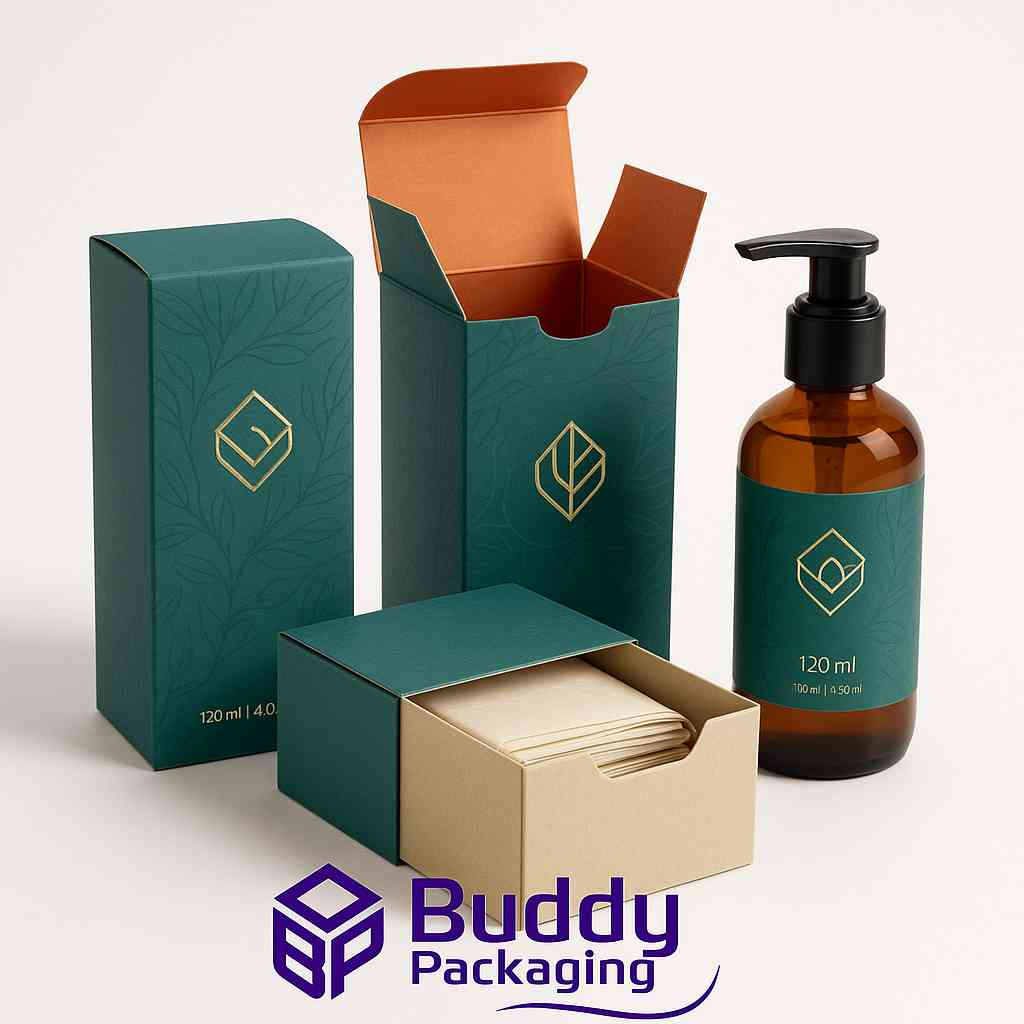
120ml Bottle Boxes
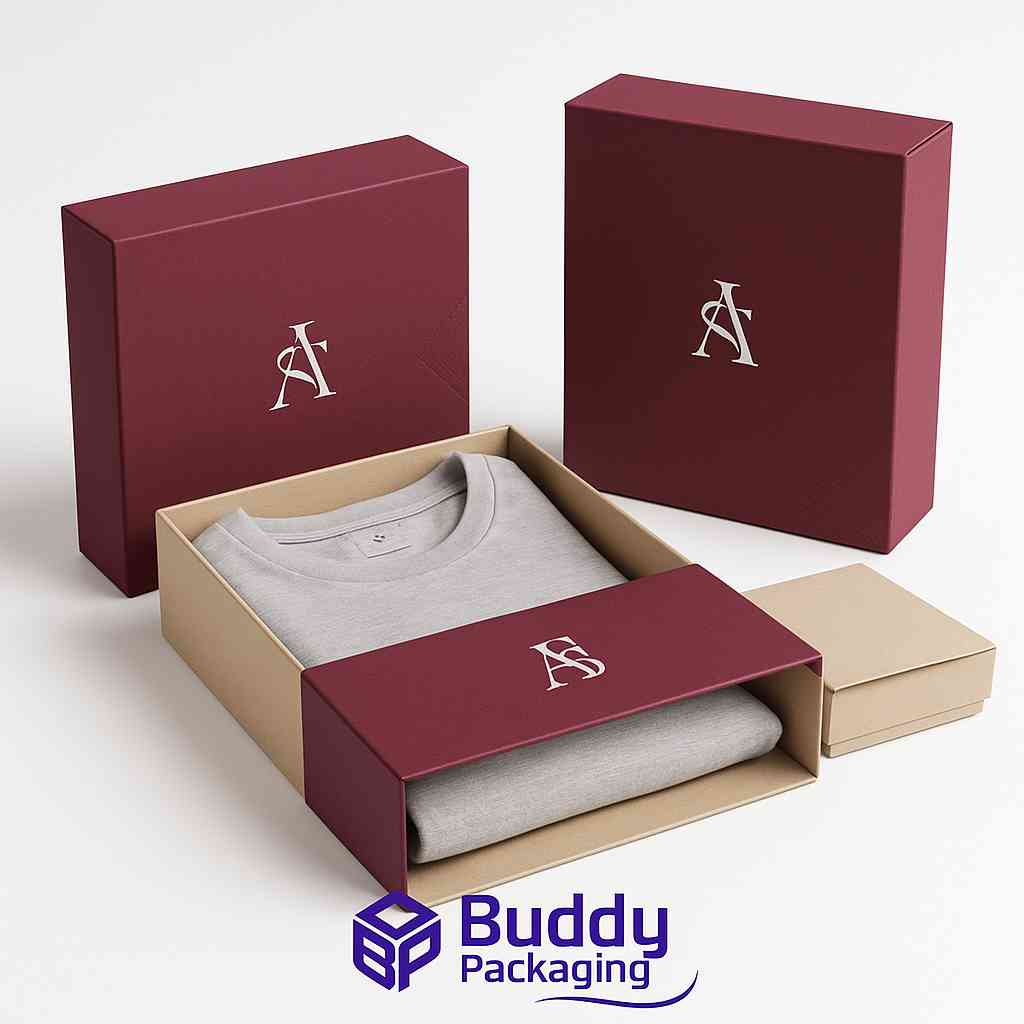
Apparel Sleeve Boxes
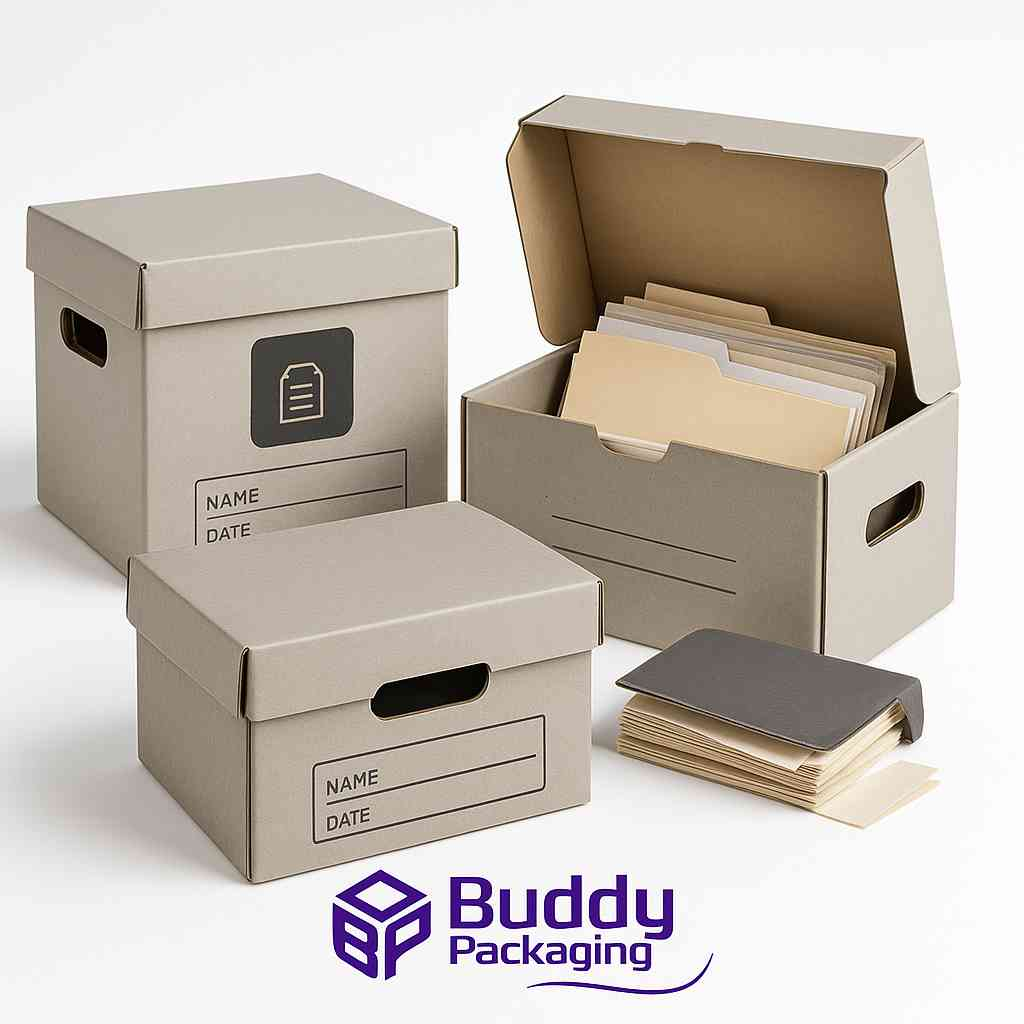
Archive Boxes

buddypackaginguk
Packaging & Print SpecialistTechnical packaging specialist at Buddy Packaging UK, sharing insights on corrugated board packaging, custom dielines, and print production.
View all packaging articles by buddypackaginguk →