Furniture Packaging Design
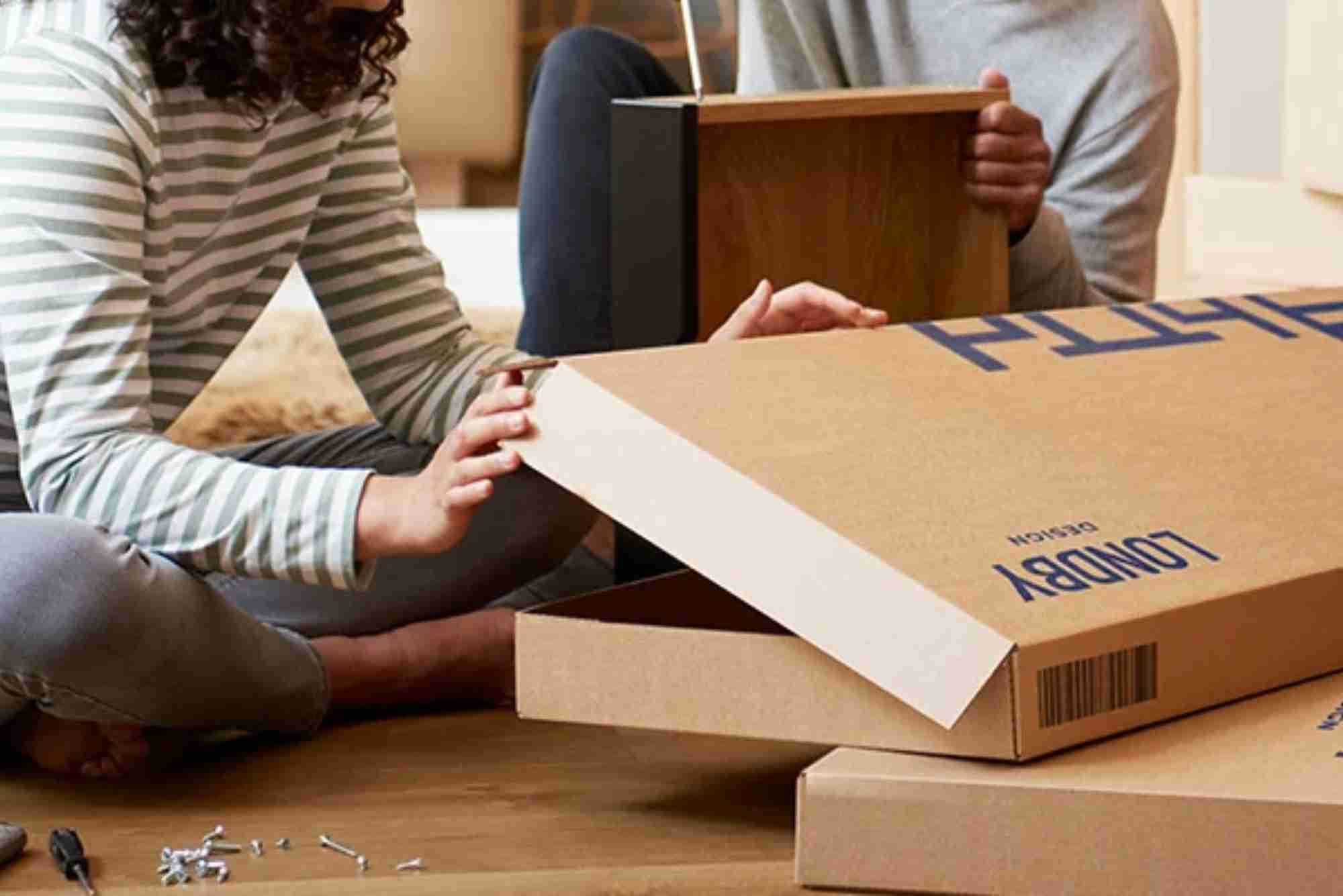
Introduction to Furniture Packaging Design
Furniture packaging design plays a critical role in protecting products during storage and transportation. It ensures that items reach customers in perfect condition without damage or defects. In today’s competitive market, businesses cannot afford poor packaging decisions because they directly impact customer satisfaction and brand reputation.
A well-planned furniture packaging design combines durability, cost efficiency, and sustainability. It is not just about wrapping a product but about engineering protection systems. From fragile glass tables to heavy wooden wardrobes, every piece of furniture requires a tailored approach.
Modern brands increasingly rely on advanced solutions like Custom Packaging to meet different product needs. These solutions help businesses design packaging that fits perfectly, reduces waste, and improves protection.
In this guide, we will explore materials, techniques, trends, and expert strategies that define successful furniture packaging design.
Why Furniture Packaging Design Matters in Modern Logistics
Furniture items are often large, heavy, and expensive. This makes them vulnerable during shipping. Poor packaging can lead to scratches, dents, or even structural damage.
A strong furniture packaging design reduces these risks by providing shock absorption, moisture resistance, and structural support. It also helps optimise space during transportation, which reduces logistics costs.

Another important factor is customer experience. When a customer receives furniture in flawless condition, it builds trust. This trust directly improves brand loyalty and repeat purchases.
Companies that invest in smart packaging also reduce return rates. This saves both money and operational time.
Key Elements of Effective Furniture Packaging Design
A successful furniture packaging design depends on several key elements working together. Each element contributes to overall safety and efficiency.
Material Selection and Strength
The choice of materials defines the durability of packaging. Corrugated cardboard, foam padding, bubble wrap, and wooden crates are commonly used. Each material serves a specific purpose.
For example, corrugated cardboard provides structure, while foam absorbs shock. Combining materials ensures multi-layer protection.
Product-Specific Design Approach
Every furniture item has unique requirements. A sofa needs cushioning and compression resistance. A glass table needs corner protection and shock control.
A tailored furniture packaging design ensures that no part of the product is exposed to risk. This reduces the chances of damage during handling and transit.
Cost Efficiency and Optimisation
Businesses must balance protection and cost. Over-packaging increases expenses, while under-packaging increases risk. The right furniture packaging design finds a balance between the two.
Smart design reduces material waste and improves shipping efficiency. This also contributes to sustainability goals.
Role of Innovation in Furniture Packaging Design
Innovation has transformed how packaging is designed today. Modern businesses use advanced software and testing methods to simulate shipping conditions.
This helps engineers predict weak points in packaging before production. As a result, furniture packaging design becomes more reliable and consistent.
Technology also allows for better space optimisation. This reduces shipping volume and lowers transportation costs.
Companies often collaborate with experts such as Buddy Packaging Location to improve design accuracy and logistics planning.
Sustainable Practices in Furniture Packaging Design
Sustainability has become a major focus in packaging. Customers prefer eco-friendly solutions, and businesses are adapting quickly.
Recyclable materials, biodegradable wraps, and reusable packaging are now widely used. These practices reduce environmental impact while maintaining product safety.
A sustainable furniture packaging design also improves brand image. Companies that show environmental responsibility gain stronger customer trust.
Reducing plastic usage and switching to paper-based cushioning materials are common strategies in modern packaging systems.
Common Challenges in Furniture Packaging Design
Despite advancements, challenges still exist in the industry. One major issue is handling irregular-shaped furniture. Not all products fit standard packaging designs.
Another challenge is long-distance shipping. Products often pass through multiple handling points, increasing the risk of damage.
Humidity and temperature changes can also affect packaging performance. Moisture can weaken cardboard, while heat can affect adhesives.
To overcome these issues, businesses rely on continuous testing and improvement in their furniture packaging design strategies.
Best Practices for Strong Furniture Packaging Design
Experts follow several proven practices to improve packaging performance. These methods help reduce damage and improve efficiency.
One key approach is layering protection. Using multiple protective layers ensures better shock absorption.
Another practice is edge and corner reinforcement. These areas are most vulnerable during impact.
Clear labelling is also essential. It helps handlers understand how to move and store products safely.
Companies also study packaging design tips to continuously improve their methods. These insights help refine processes and reduce errors over time.
Impact of Branding in Furniture Packaging Design
Packaging is not just functional; it is also a branding tool. A well-designed package reflects company identity and professionalism.
Custom colours, logos, and messaging create a strong visual impression. This enhances brand recognition during delivery.
A thoughtful furniture packaging design can turn unboxing into a memorable experience. This adds emotional value to the product.
Businesses often use premium packaging styles for high-end furniture to match customer expectations.
Future Trends in Furniture Packaging Design
The future of packaging is becoming smarter and more automated. AI and machine learning are being used to improve design accuracy.
Smart packaging with sensors is also emerging. These sensors can track temperature, humidity, and impact during transit.
Minimalist packaging is another growing trend. It focuses on reducing material usage while maintaining protection.
Digital printing technology is making it easier to customise packaging quickly. This supports flexible production for different furniture types.
Expert Insight on Packaging Efficiency
Industry experts emphasise that successful furniture packaging design is a combination of engineering and creativity. It requires understanding materials, logistics, and customer expectations.
Businesses that invest in professional packaging design experience fewer damages and better customer satisfaction rates.
Efficient packaging also improves warehouse management. Products become easier to stack, store, and transport.
Conclusion
Furniture packaging design is a crucial part of modern supply chain management. It ensures product safety, reduces costs, and enhances customer satisfaction.
From material selection to innovative engineering, every detail matters. Businesses that invest in strong packaging strategies gain a competitive advantage in the market.
If you want to improve your packaging performance, start by reviewing your current process. Explore modern solutions, adopt sustainable practices, and work with experts who understand product protection deeply.
For professional guidance and tailored solutions, consider partnering with specialists in Custom Packaging who can help you create efficient and reliable packaging systems that match your business needs.
buddypackaging.co.uk offers innovative and eco-friendly packaging solutions for businesses of all sizes. From custom boxes to sustainable materials, they help brands stand out while caring for the environment. Their expert team ensures high-quality, reliable, and stylish packaging that meets every need.
FAQs on Furniture Packaging Design
What is furniture packaging design?
Furniture packaging design refers to the process of creating protective packaging systems for furniture items. It ensures safe transportation and storage.
Why is furniture packaging design important?
It prevents damage during shipping, reduces returns, and improves customer satisfaction by delivering products in perfect condition.
What materials are used in furniture packaging design?
Common materials include corrugated cardboard, foam padding, bubble wrap, plastic films, and wooden crates depending on product type.
How can companies improve furniture packaging design?
Companies can improve it by using better materials, testing packaging strength, and following modern packaging design tips used in the industry.
What is the role of sustainability in furniture packaging design?
Sustainability reduces environmental impact by using recyclable and biodegradable materials while maintaining product protection.
How does packaging affect furniture delivery experience?
Good packaging ensures safe delivery, while poor packaging increases damage risk and negatively affects customer satisfaction.
