Flat Packaging Design
Introduction
Flat packaging design has become a smart choice for modern brands that want efficiency, style, and sustainability. In today’s competitive market, packaging is not just about protection. It is also about experience, cost control, and brand identity. Flat packaging design meets all these needs while staying practical and visually appealing.
This design approach focuses on packaging that ships and stores flat before assembly. It reduces wasted space and lowers transport costs. At the same time, it offers creative freedom for branding and customisation. For UK businesses, especially eCommerce and retail brands, flat packaging design is now more than a trend. It is a strategic decision.
In this guide, you will learn what flat packaging design really means, why it matters, and how it benefits modern brands. You will also discover how to use it effectively and avoid common mistakes.
What Is Flat Packaging Design
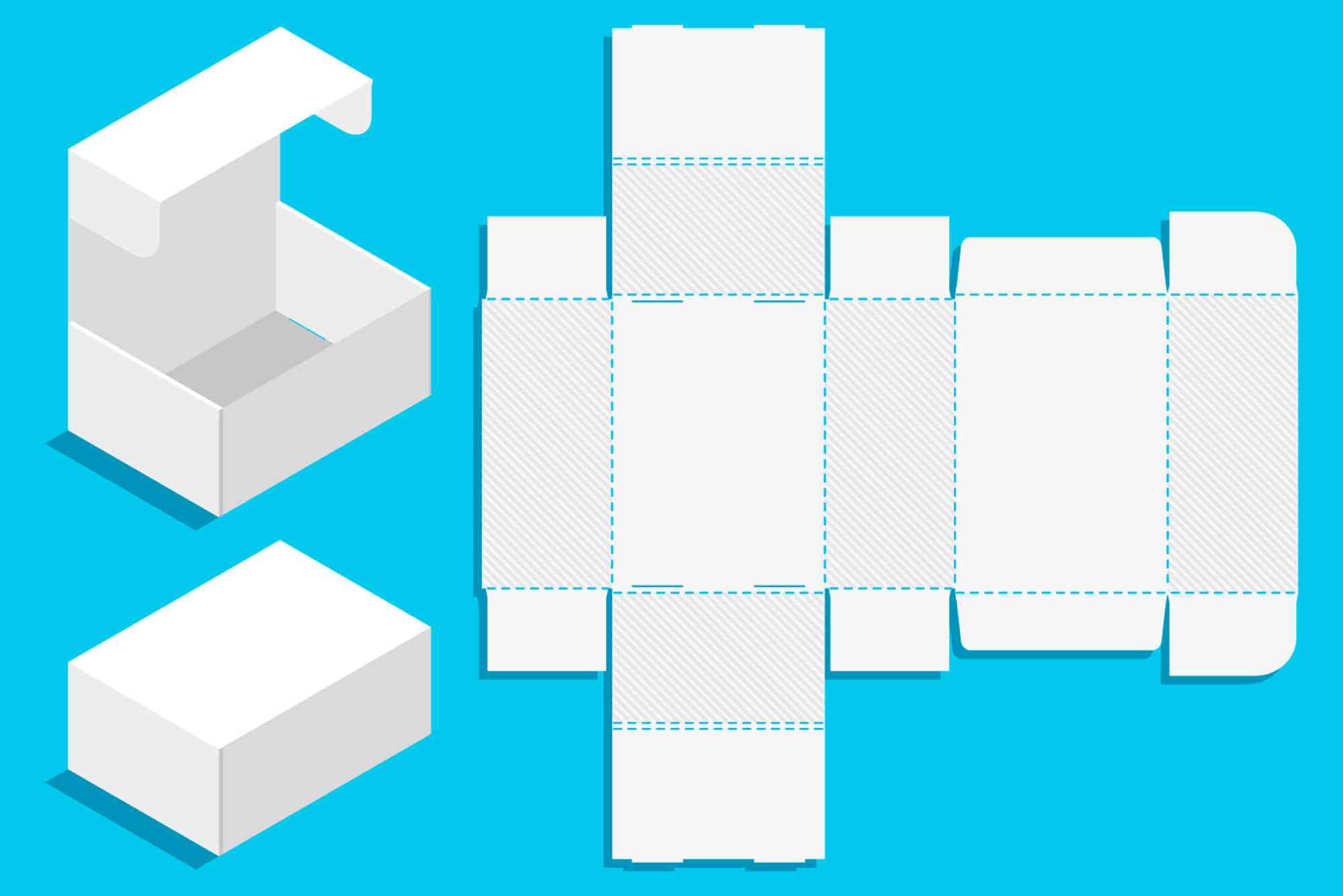
Flat packaging design refers to packaging that is manufactured and delivered in a flat form. It is assembled only when needed. Common examples include folding cartons, mailer boxes, and flat-packed retail packaging.
The key idea is simple. Flat packaging takes up less space during storage and shipping. This makes logistics easier and more affordable. Once assembled, the packaging becomes strong, functional, and visually appealing.
Flat packaging design combines structure, material choice, and graphic design. Every element works together. The result is packaging that looks premium but remains cost-effective.

Why Flat Packaging Design Matters Today
Consumer expectations have changed. People now care about sustainability, unboxing experience, and brand values. Flat packaging design addresses all of these concerns.
First, it reduces shipping volume. This lowers carbon emissions and transport costs. Second, it allows brands to use eco-friendly materials more easily. Third, it supports clean and modern branding styles.
In the UK market, where storage and delivery costs are high, flat packaging design offers real advantages. It helps small and medium businesses compete with larger brands.
Key Benefits of Flat Packaging Design
Flat packaging design delivers both practical and creative benefits. These advantages make it suitable for many industries.
Cost efficiency is one of the strongest benefits. Flat packaging reduces storage space needs. It also lowers shipping costs. This is especially important for eCommerce brands.
Sustainability is another major advantage. Flat designs often use less material. They are easier to recycle and produce less waste. Many brands now choose flat packaging to meet environmental goals.
Branding flexibility also stands out. Flat packaging offers clean surfaces for printing. This allows high-quality graphics, logos, and messages. The final result feels premium without extra cost.
Ease of assembly is also important. Well-designed flat packaging can be assembled quickly. This saves time in fulfilment centres and retail environments.
Flat Packaging Design and Brand Identity
Packaging is often the first physical touchpoint between a brand and its customer. Flat packaging design plays a big role in shaping that first impression.
A clean structure sends a message of simplicity and confidence. Clear typography and thoughtful colours enhance brand recognition. Flat surfaces allow designs to stay sharp and readable.
Many brands use flat packaging design to tell their story. Inside panels can include messages, instructions, or brand values. This turns simple packaging into a communication tool.
When combined with Custom Packaging, flat designs become even more powerful. Custom sizes, prints, and finishes help brands stand out. You can explore professional solutions for Custom Packaging here:
Materials Used in Flat Packaging Design
Material choice defines the strength, look, and sustainability of flat packaging design. Cardboard and corrugated board are the most common materials.
Cardboard works well for lightweight products. It offers smooth surfaces for printing. Corrugated board provides extra protection. It is ideal for shipping and eCommerce packaging.
Recycled materials are now widely used in flat packaging design. They help reduce environmental impact while maintaining quality. Many UK brands prefer materials to meet sustainability standards.
The right material depends on product weight, shipping method, and brand positioning. A luxury brand may choose thicker board with premium finishes. A subscription brand may focus on lightweight and recyclable options.
Design Principles for Effective Flat Packaging
Successful flat packaging design starts with structure. The packaging must fold easily and hold its shape once assembled. Poor structure leads to damage and customer frustration.
Graphic design comes next. Colours, fonts, and layouts should match brand identity. Designs must also consider how the packaging looks when flat and when assembled.
White space is important. Flat packaging design often benefits from clean layouts. This improves readability and creates a modern look.
Practical details should never be ignored. Barcodes, labels, and instructions must be placed carefully. They should not disrupt the design or customer experience.
Flat Packaging Design for eCommerce Brands
eCommerce has driven the growth of flat packaging design. Online brands need packaging that ships well and looks good when opened.
Flat packaging reduces shipping costs by minimising volume. It also fits better into standard courier systems. This reduces damage during transit.
Unboxing experience matters greatly in eCommerce. Flat packaging design allows brands to surprise customers with interior prints or messages. This builds emotional connection and encourages repeat purchases.
Returns are also easier with flat packaging. Customers can often fold the packaging back for return shipping. This improves convenience and satisfaction.
Sustainability and Flat Packaging Design
Sustainability is no longer optional. Flat packaging design supports eco-friendly practices in several ways.
Reduced material use is the first benefit. Flat designs often need fewer layers and inserts. This cuts waste.
Lower transport emissions are another advantage. Flat packaging takes up less space. More units can be shipped at once.
Recyclability is also improved. Flat packaging usually avoids plastic components. This makes recycling easier for consumers.
Brands that communicate these benefits clearly gain trust. Customers appreciate transparency and responsible choices.
Flat Packaging Design Trends in the UK Market
UK consumers favour minimal and honest design. Flat packaging design fits well with this preference.
Natural colours and simple graphics are popular. Many brands avoid excessive decoration. Instead, they focus on clarity and quality.
Typography-led designs are also trending. Strong fonts create impact without heavy visuals. This works well on flat surfaces.
Another trend is storytelling through packaging. Brands use inside panels to share values, instructions, or origin stories.
For visual ideas and creative concepts, exploring packaging design inspiration can be very helpful. A trusted source for packaging design inspiration.
Common Mistakes in Flat Packaging Design
Despite its benefits, flat packaging design can fail if not planned properly.
One common mistake is weak structure. If the packaging does not hold shape, it feels cheap. This damages brand perception.
Another issue is overdesign. Too many colours or elements can overwhelm the flat surface. Simple designs often work best.
Ignoring assembly experience is also risky. Packaging should be easy to fold without confusion. Poor instructions lead to delays and frustration.
Material mismatch is another problem. Using thin material for heavy products causes damage. Design must always match function.
How to Choose the Right Flat Packaging Design
Start by understanding your product. Weight, size, and fragility matter. These factors guide material and structure choices.
Next, consider your brand identity. Flat packaging design should reflect your values and tone. A luxury brand and a budget brand need different approaches.
Think about logistics. Storage space, shipping distance, and fulfilment speed all affect design decisions.
Finally, test your packaging. Assemble it, ship it, and get feedback. Real-world testing prevents costly mistakes.
The Role of Customisation in Flat Packaging Design
Customisation elevates flat packaging design from basic to memorable. Custom sizes reduce wasted space. Custom prints enhance branding.
Even small details matter. A printed interior or a unique opening style can create delight. These touches encourage social sharing and brand loyalty.
Customisation also improves efficiency. Packaging designed specifically for your product performs better than generic solutions.
FAQs
What is flat packaging design used for
Flat packaging design is used for products that need efficient storage and shipping. It is common in eCommerce, retail, and subscription boxes. It suits both lightweight and sturdy products.
Is flat packaging design cheaper than traditional packaging
In most cases, yes. Flat packaging design reduces storage and transport costs. It also uses materials more efficiently. Over time, this leads to significant savings.
Can flat packaging design look premium
Flat packaging design can look very premium. High-quality materials, clean graphics, and thoughtful finishes create a luxury feel. Many premium brands now use flat packaging.
Is flat packaging design environmentally friendly
Flat packaging design is often more sustainable. It reduces material waste and transport emissions. It also supports recycling and eco-friendly materials.
How do I start with flat packaging design
Start by working with a packaging specialist. Define your product needs and brand goals. Test prototypes before full production.
Why Flat Packaging Design Is a Smart Choice
Flat packaging design offers a powerful balance of efficiency, sustainability, and branding. It helps businesses reduce costs while improving customer experience. For UK brands, it aligns perfectly with modern consumer expectations.
By choosing the right materials, structure, and design approach, flat packaging becomes more than a container. It becomes a brand asset.
If you want packaging that saves space, supports sustainability, and strengthens your brand, flat packaging design is worth serious consideration. Take the next step by exploring custom solutions and creative inspiration. Your packaging can work smarter, not harder.
Shop the boxes from this guide

120ml Bottle Boxes
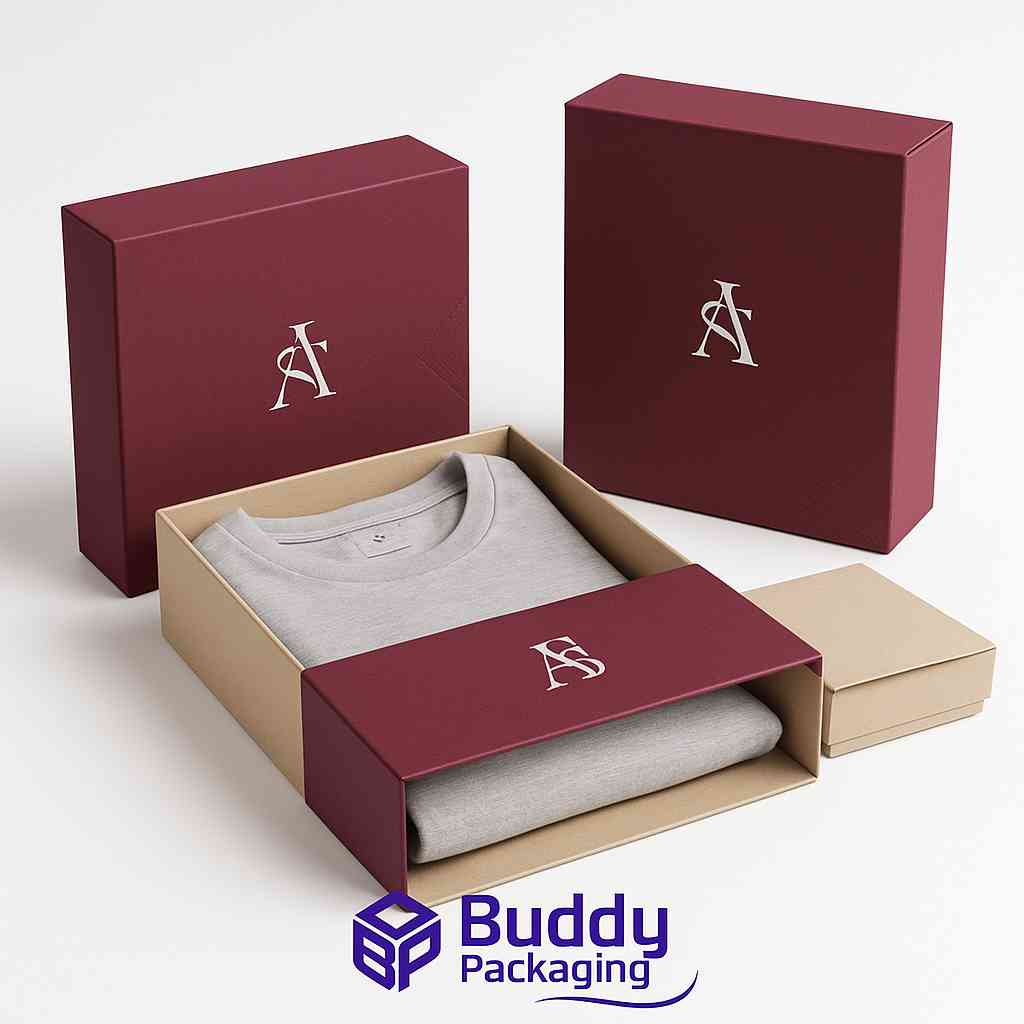
Apparel Sleeve Boxes
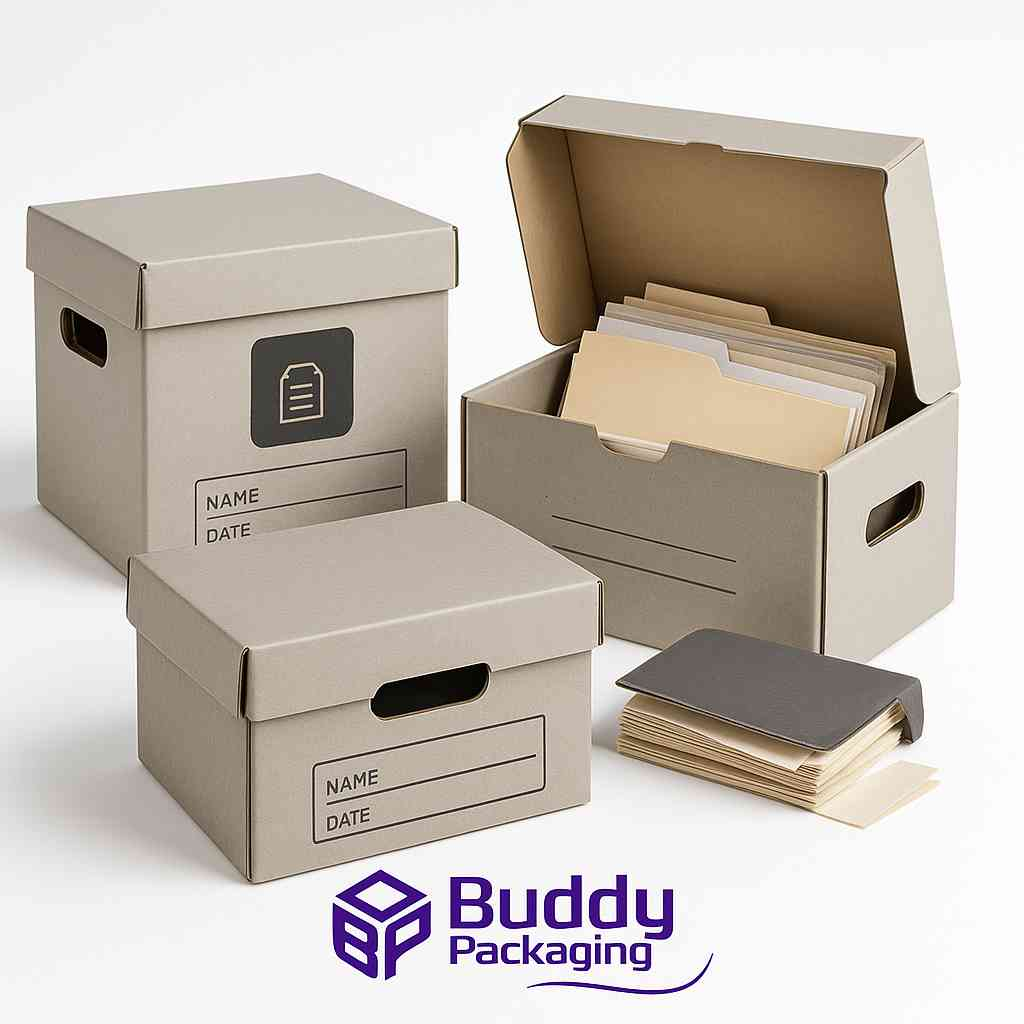
Archive Boxes

buddypackaginguk
Packaging & Print SpecialistTechnical packaging specialist at Buddy Packaging UK, sharing insights on corrugated board packaging, custom dielines, and print production.
View all packaging articles by buddypackaginguk →