Fertilizer Packaging Design
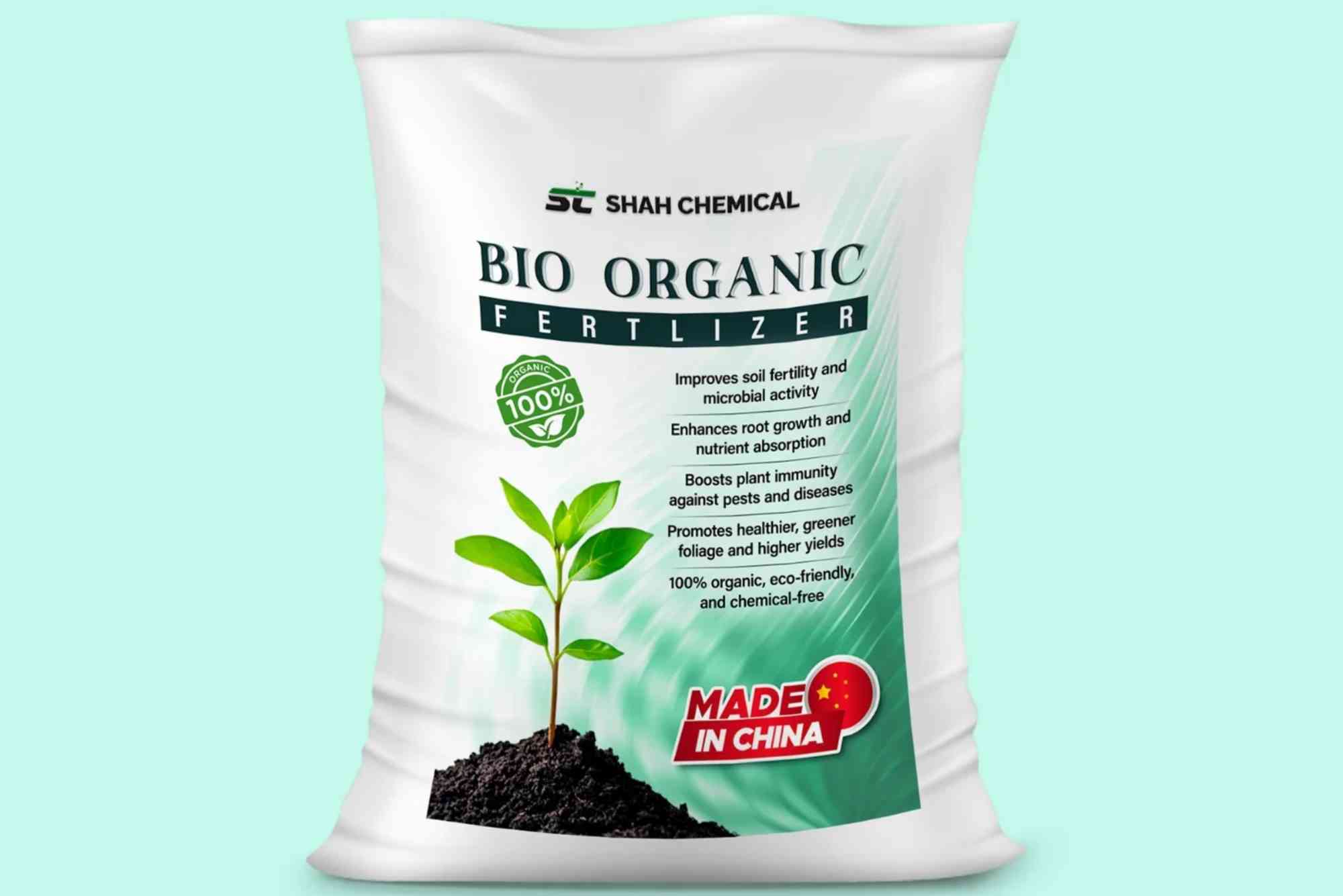
Fertiliser Packaging Design: A Complete Guide for Modern Agricultural Brands
Fertiliser packaging design is no longer just about wrapping a product for transport. Today, it acts as a marketing tool, a trust builder, and a vital factor in how customers perceive brand quality. With farmers and distributors surrounded by competing products, your packaging must communicate value instantly. The right design can increase brand visibility, improve product protection, and ensure compliance with agricultural standards. In this detailed guide, you will learn how to approach fertiliser packaging design in a way that enhances both function and brand appeal. This article follows practical industry insights, real examples, and strategic advice to help agricultural businesses create packaging that stands out on the shelf and performs well in the field.
Understanding the Role of Fertiliser Packaging in Agriculture
Fertiliser is sensitive to moisture, temperature, and handling conditions, which means its packaging must be durable and reliable. Farmers expect clear product information, easy handling, and packaging that protects the contents from clumping or degradation. Beyond functionality, agricultural buyers increasingly pay attention to branding and sustainability. This shift has changed how companies design their fertiliser bags, pouches, and bulk packs. To succeed in today’s market, packaging must combine practical performance with strong visual communication. When these elements come together, sales improve and brand loyalty grows.
What Makes an Effective Fertiliser Packaging Design?
Creating successful fertiliser packaging requires a blend of technical decisions and creative thinking. You must consider the material, the structural format, the visual layout, and the regulatory details. Each element plays a specific role in how customers interact with the product. High-quality packaging materials ensure durability during transport and storage. Thoughtful graphics help customers identify the product quickly. Clear labelling gives essential instructions and safety guidance. And sustainable choices can set your brand apart in an industry increasingly focused on environmental responsibility.
Choosing the Right Packaging Materials
Material selection is one of the most important steps in fertiliser packaging design. Most fertiliser products require strong, moisture-resistant packaging to prevent contamination. Polyethylene, woven polypropylene, laminated films, and multi-layer pouches are commonly used for their durability. The choice depends on weight, fertiliser type, and the distribution environment. Some companies now prefer eco-friendly materials as part of their sustainability strategy. Although these materials may cost more, they often appeal to environmentally conscious buyers and support long-term brand positioning. No matter what material you choose, proper sealing and barrier protection must be your top priorities.
Designing Clear and Informative Labels
Farmers rely on accurate product information, so your labels must be precise and easy to read. A visually appealing bag means little if essential data is hard to find. Important details such as NPK values, application instructions, safety warnings, and storage guidelines should be displayed clearly. Using modern typography and organised layouts helps customers understand the product at a glance. Since fertiliser packaging is often used outdoors, labels must remain legible even after exposure to sunlight, water, and abrasion. High-quality printing techniques ensure durability and keep the packaging looking professional throughout its lifecycle.
The Importance of Strong Visual Branding
Brand identity plays a major role in customer decisions. Fertiliser buyers often choose familiar brands because they associate them with reliability. A strong visual identity, consistent colours, and distinctive design elements make your products instantly recognisable. Your packaging should reflect your brand’s values, whether you want to appear traditional, innovative, sustainable, or premium. Visually cohesive packaging not only improves professional appearance but also helps differentiate similar products within your range. Many companies also create seasonal or promotional packaging variations to attract attention and boost sales during key periods.

The Power of Storytelling in Fertiliser Packaging
Modern consumers want to connect with brands that share their values. Adding a narrative element to your packaging design helps create emotional engagement. You can highlight your commitment to sustainable agriculture, explain your product’s development process, or share the mission behind your brand. Storytelling gives meaning to your packaging and helps your brand stand out in a crowded market. Even small details, such as a printed message about your environmental responsibility, can create a sense of trust.
Improving User Experience Through Functional Design
User experience is just as important in agricultural packaging as it is in consumer goods. Farmers appreciate packaging that is easy to handle, reseal, store, and dispose of. Thoughtful design features, such as handles, tear-notches, resealable zips, and reinforced seams, contribute to better usability. These additions reduce waste during application and help maintain product freshness. The easier the packaging is to use, the more likely customers will choose your brand again. Functional design goes beyond convenience; it also reduces accidents, minimises product loss, and supports safe handling practices.
Sustainability Trends in Fertiliser Packaging Design
Sustainable packaging is becoming essential in agriculture due to global environmental concerns. Many brands are now exploring recyclable materials, biodegradable films, and reduced-plastic options. Compostable packaging is also gaining popularity, especially for organic fertilisers. Reducing ink usage, using water-based coatings, and designing lighter packaging structures are additional ways to improve sustainability. Making these changes not only saves resources but also enhances brand reputation. When customers see that you care about the environment, they are more likely to trust your products.
How Technology Is Transforming Fertiliser Packaging
Technology is reshaping how companies create and manage their packaging. Digital printing allows for short-run customisation, meaning you can produce multiple variations without increasing costs. QR codes and smart labels enable customers to access detailed instructions and product information via their smartphones. Automated packaging machines improve consistency and reduce production errors. These innovations not only increase efficiency but also make it easier for businesses to update their packaging for different markets. Technology can also support branding by enabling vibrant, high-resolution graphics that attract attention on crowded shelves.
Why Professional Design Support Matters
Designing agricultural packaging is a complex task that requires professional expertise. Many brands partner with packaging specialists to develop high-quality solutions. Working with experts ensures your packaging meets regulatory standards, functions reliably, and reflects your brand identity. If you are looking for tailored solutions, you can explore options such as Custom Packaging to elevate your product presentation. Professional support also helps you avoid common mistakes, such as unclear labelling, weak colour contrast, or poor material selection.
Practical Packaging Design Tips for Fertiliser Brands
When developing fertiliser packaging, it is helpful to learn from experienced designers. For creative inspiration and industry insights, you can explore expert resources such as packaging design tips that highlight trends and best practices. Understanding how other industries approach packaging can give you a fresh perspective and help you develop innovative solutions. Although fertiliser packaging has unique requirements, many design principles, such as hierarchy, colour theory, and brand storytelling, apply across all sectors.
How to Stand Out in a Competitive Market
Agriculture is a competitive industry, and fertiliser brands must work hard to remain visible. Effective packaging design helps your products stand out at distributors, farm supply stores, and trade exhibitions. Using bold colours, meaningful icons, and compelling branding can attract attention from a distance. Clear product segmentation also helps customers make faster decisions. When your packaging communicates value instantly, customers develop confidence in your brand before even reading the full label. Over time, consistent design across your product range builds recognition and trust.
Future Trends in Fertiliser Packaging Design
As technology advances and sustainability becomes more important, future fertiliser packaging will likely be smarter, greener, and more interactive. Biodegradable plastics, plant-based films, and fully recyclable bags will become common. Smart packaging may include sensors that track humidity levels or verify product authenticity. Highly personalised packaging may also become a trend as brands seek to build stronger relationships with customers. Digital printing and custom design tools will make it easier for even small agricultural businesses to produce premium-quality packaging. Staying ahead of these trends will give your brand a competitive advantage.
The Key to Strong Fertiliser Packaging Design
Fertiliser packaging design has evolved from simple protection into a powerful branding tool. When your packaging delivers clarity, durability, visual appeal, and functionality, it earns customer trust and enhances your market presence. Whether you are improving an existing product line or launching a new fertiliser brand, investing in professional packaging design will help you stand out in today’s competitive agricultural market. If you want support creating high-impact packaging that reflects your brand identity, now is the perfect time to take action and upgrade your approach.
Frequently Asked Questions
What is the best material for fertiliser packaging?
The best material depends on the type of fertiliser, but woven polypropylene and laminated films are widely used because they are strong, moisture-resistant, and suitable for outdoor storage.
How do you design effective fertiliser packaging?
You should combine durable materials, clear labels, strong branding, and functional features. The design must also meet safety and regulatory standards.
Why is branding important in fertiliser packaging?
Branding builds recognition and trust. When customers see consistent colours, logos, and design elements, they associate your product with reliability and quality.
Is sustainable fertiliser packaging becoming popular?
Yes. Many brands now use recyclable, biodegradable, or reduced-plastic materials to meet environmental expectations and appeal to eco-conscious buyers.
How can technology improve fertiliser packaging?
Digital printing, QR codes, smart labelling, and automated packaging lines improve efficiency, provide more information, and allow for customisation.
