Drip Coffee Packaging Design
Introduction
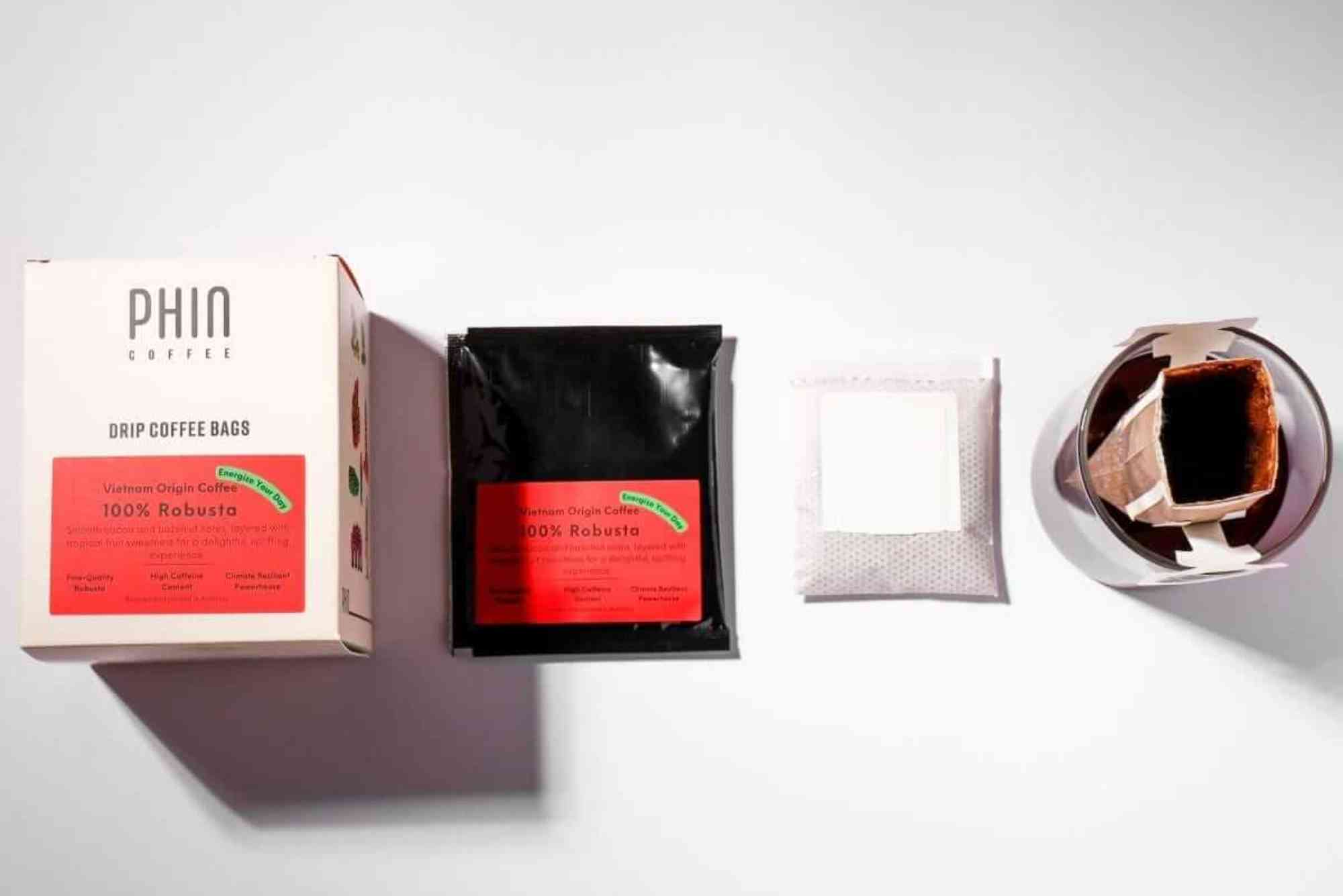
Drip coffee packaging design plays a crucial role in how customers perceive your brand and product quality. In today’s competitive market, well-crafted packaging is not just about protection; it is about storytelling, convenience, and trust. Whether you are a small coffee roaster or a growing brand, investing in thoughtful drip coffee packaging design can directly influence buying decisions and customer loyalty.
As consumer preferences evolve, brands must focus on sustainability, functionality, and visual appeal. This guide explores everything you need to know about drip coffee packaging design, from materials and branding to trends and practical tips.
Why Drip Coffee Packaging Design Matters
Packaging is often the first interaction customers have with your product. A compelling design builds instant trust and communicates quality. In the case of drip coffee, packaging must also ensure freshness and ease of use.
A well-designed pack protects the coffee from moisture and air. At the same time, it conveys brand values and identity. In retail environments, packaging acts as a silent salesperson. Therefore, investing in high-quality design is essential for standing out on crowded shelves.
Key Elements of Effective Drip Coffee Packaging Design
Material Selection and Protection
Choosing the right material is vital for preserving coffee freshness. Most drip coffee packaging uses foil-lined paper or biodegradable films. These materials act as barriers against oxygen and humidity.
Sustainable materials are gaining popularity in the UK. Many brands now prefer recyclable or compostable packaging. This shift aligns with environmentally conscious consumers.

Functionality and User Experience
Convenience is a major factor in drip coffee packaging design. Easy-open seals, single-serve sachets, and portable packs improve usability. Customers value packaging that fits their busy lifestyle.
Clear instructions are also essential. Simple brewing guidance printed on the pack enhances the user experience. This small detail can improve customer satisfaction significantly.
Visual Branding and Identity
Strong branding creates recognition and trust. Colours, typography, and imagery must reflect your brand personality. Minimalist designs are currently trending, but bold and vibrant styles also perform well.
Consistency across packaging helps reinforce brand identity. It ensures customers can easily recognise your product among competitors.
Popular Trends in Drip Coffee Packaging Design
Sustainable and Eco-Friendly Packaging
Sustainability is no longer optional. Many UK consumers prefer brands that use eco-friendly packaging. Compostable drip bags and recyclable outer packs are becoming industry standards.
Using natural textures and earthy tones can visually communicate sustainability. This approach appeals to environmentally conscious buyers.
Minimalist Design Approach
Minimalist packaging focuses on simplicity and clarity. Clean layouts, limited colours, and clear typography create a premium look. This style works well for speciality coffee brands.
It also improves readability, making it easier for customers to understand product details quickly.
Storytelling Through Packaging
Modern consumers want to connect with brands. Packaging can tell the story of coffee origins, roasting methods, and ethical sourcing.
Including short narratives or origin details adds authenticity. It builds trust and encourages repeat purchases.
Custom Packaging Solutions
Customisation allows brands to stand out. Unique shapes, finishes, and structures create memorable experiences. Investing in Custom Packaging can help businesses tailor their design to specific audiences and market needs.
Designing for Retail and E-commerce
Drip coffee packaging design must work across both physical stores and online platforms. In retail, eye-catching designs attract attention quickly. On e-commerce platforms, packaging must look appealing in images.
High-quality visuals and clear labelling are essential. Packaging should photograph well and communicate key information at a glance. This approach improves click-through rates and conversions. Durability is equally important for shipping. Strong packaging prevents damage and maintains product integrity during transit.
Typography and Colour Psychology in Packaging
Typography influences how customers perceive your brand. Serif fonts often convey tradition and quality, while sans-serif fonts suggest modernity and simplicity.
Colour psychology also plays a significant role. Brown and earthy tones reflect coffee authenticity. Green suggests sustainability, while black often represents premium quality. Combining these elements strategically can enhance the overall impact of your drip coffee packaging design.
Labelling and Compliance in the UK
In the UK, coffee packaging must meet specific labelling requirements. These include ingredient lists, weight, expiry dates, and origin information.
Clear and accurate labelling builds trust and ensures compliance with regulations. It also helps customers make informed purchasing decisions. Including certifications such as Fairtrade or organic labels can further boost credibility.
Print Quality and Finishing Techniques
High-quality printing enhances the overall look of your packaging. Techniques such as embossing, foil stamping, and matte finishes add a premium feel. These finishing touches can differentiate your product from competitors. They also improve tactile experience, which influences customer perception.
For deeper industry knowledge, exploring print & finishing insights can help brands stay updated with the latest techniques and innovations.
Balancing Cost and Quality
While premium packaging looks appealing, cost management is essential. Small businesses must balance quality with budget constraints.
Bulk production can reduce costs, but it requires careful planning. Choosing the right materials and suppliers ensures you maintain quality without overspending. Investing in durable and efficient packaging can save money in the long run by reducing damage and returns.
Role of Packaging in Brand Loyalty
Packaging plays a key role in building brand loyalty. A positive unboxing experience encourages repeat purchases. It also increases the likelihood of customers sharing their experience online.
Consistent and high-quality packaging creates trust. Over time, this trust translates into customer loyalty and brand advocacy.
Location-Based Branding and Trust
Adding location details can strengthen brand authenticity. Customers often trust brands that are transparent about their origins.
Including a reference like Buddy Packaging Location can help customers connect with your brand’s physical presence and credibility.
Steps to Create the Perfect Drip Coffee Packaging Design
Understand Your Target Audience
Knowing your audience helps shape your design choices. Consider their preferences, lifestyle, and values. This insight guides material, colour, and branding decisions.
Define Your Brand Identity
Your packaging should reflect your brand story. Whether it is premium, sustainable, or innovative, ensure your design communicates this clearly.
Choose the Right Materials
Select materials that protect the coffee and align with your brand values. Sustainable options are increasingly important in the UK market.
Focus on Functionality
Ensure your packaging is easy to use and convenient. Practical features improve customer satisfaction and retention.
Test and Improve
Before finalising your design, test it with real users. Feedback helps identify areas for improvement and ensures your packaging meets customer expectations.
Common Mistakes to Avoid
Many brands overlook the importance of clarity. Overly complex designs can confuse customers. Simplicity often works better.
Ignoring sustainability can also harm your brand image. Modern consumers expect eco-friendly solutions. Poor material choices can affect product quality. Always prioritise freshness and protection.
Future of Drip Coffee Packaging Design
The future of drip coffee packaging design is driven by innovation and sustainability. Smart packaging technologies, such as QR codes, are becoming more common. These features provide additional information and enhance customer engagement.
Biodegradable materials and zero-waste solutions will continue to grow. Brands that adapt to these trends will stay ahead in the market. Personalisation is another emerging trend. Customised packaging creates a unique customer experience and strengthens brand connection.
Conclusion
Drip coffee packaging design is more than just a protective layer. It is a powerful marketing tool that influences customer perception, purchasing decisions, and brand loyalty. By focusing on sustainability, functionality, and visual appeal, businesses can create packaging that stands out in a competitive market.
Explore the elegance and innovation behind dior packaging design, where luxury meets creativity in every detail. From refined textures to iconic branding, Dior sets a high standard in presentation. If you’re interested in premium aesthetics, this dior packaging design guide offers inspiration and insights for enhancing your own brand identity through sophisticated packaging.
FAQs
What is drip coffee packaging design?
Drip coffee packaging design refers to the creation of packaging for single-serve coffee filters. It focuses on protection, branding, and usability.
Why is packaging important for drip coffee?
Packaging preserves freshness and attracts customers. It also communicates brand identity and product quality.
What materials are used in drip coffee packaging?
Common materials include foil-lined paper, biodegradable films, and recyclable plastics. These materials protect coffee from air and moisture.
How can I make my coffee packaging eco-friendly?
Use recyclable or compostable materials. Reduce excess packaging and choose sustainable printing methods.
What design trends are popular in the UK coffee market?
Minimalist designs, sustainable packaging, and storytelling elements are currently popular trends.
How does packaging influence buying decisions?
Eye-catching design and clear information build trust. This encourages customers to choose your product over competitors.
What should be included on coffee packaging labels?
Labels should include ingredients, weight, expiry date, and origin. Certifications can also enhance credibility.
How can small businesses afford good packaging design?
Start with simple designs and scale gradually. Focus on quality materials and functional features to maximise value.
Related Reading: Coffee Bean Packaging Design
