Designer Clothes Labels Logos
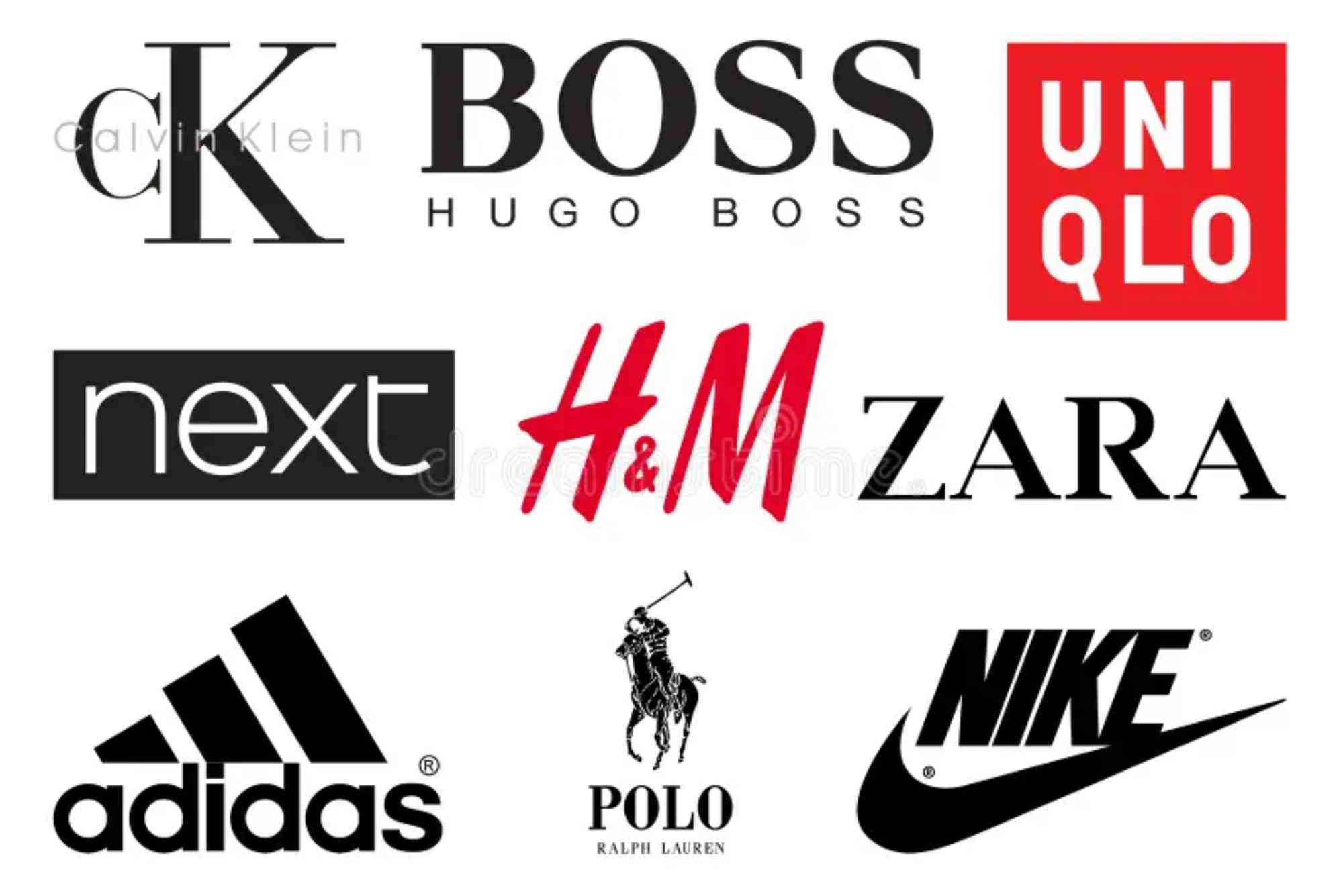
Designer Clothes Labels Logos
Designer Clothes Labels Logos are more than simple tags stitched into garments. They represent identity, craftsmanship, and the story behind a brand. In today’s fashion world, these logos shape perception and influence buying decisions. From luxury houses to emerging designers, every label uses visual branding to stand out.
An effective logo speaks without words. It tells customers what to expect in terms of quality, style, and exclusivity. As fashion evolves, so does the importance of Designer Clothes Labels Logos in building recognition and trust.
The Importance of Designer Clothes Labels Logos in Fashion
Designer Clothes Labels Logos play a key role in defining a brand’s image. They are often the first thing customers notice when exploring a product. A strong logo builds credibility and creates emotional connections with buyers.
Fashion brands invest heavily in their labels because they act as a signature. Whether embossed, embroidered, or printed, logos reflect attention to detail. Moreover, they help distinguish genuine products from counterfeit items.
In addition, logos contribute to brand loyalty. When customers recognise a logo, they are more likely to return for future purchases. This consistency builds long-term value and strengthens brand positioning.
The Evolution of Designer Clothes Labels Logos
Early Beginnings of Fashion Branding
In the early days, clothing labels were simple and functional. They mainly displayed the maker’s name or location. However, as fashion became more competitive, brands realised the power of visual identity.

Designer Clothes Labels Logos began evolving into unique symbols. Designers experimented with typography, colours, and shapes to stand out in the market.
Modern Logo Trends in Fashion
Today, logos are more refined and strategic. Minimalism dominates the industry. Clean fonts and simple designs often carry the strongest impact.
At the same time, some brands embrace bold and artistic logos. These designs appeal to younger audiences and reflect modern creativity. As a result, Designer Clothes Labels Logos now balance tradition with innovation.
Elements That Make a Great Designer Logo
Typography and Style
Typography plays a vital role in logo design. Serif fonts often convey elegance and heritage. Sans-serif fonts suggest modernity and simplicity.
The choice of font must align with the brand’s personality. For example, luxury brands prefer classic fonts, while streetwear brands choose edgy styles.
Colour Psychology in Logos
Colours influence emotions and perceptions. Black represents sophistication and power. White suggests simplicity and purity.
Gold often symbolises luxury and exclusivity. Meanwhile, bold colours like red or blue attract attention and create energy. Therefore, selecting the right colour palette is essential for Designer Clothes Labels Logos.
Symbolism and Iconography
Some brands use symbols instead of text. These icons become instantly recognisable over time. A well-designed symbol can communicate the brand’s essence without words.
Combining text and symbols can also create a balanced and memorable logo. This approach works well for brands aiming to appeal to diverse audiences.
How Designer Clothes Labels Logos Influence Buying Decisions
Consumers often associate logos with status and quality. A recognisable logo can increase perceived value. This perception encourages customers to choose branded clothing over unbranded alternatives.
Furthermore, logos create a sense of belonging. People enjoy wearing brands that reflect their personality and lifestyle. As a result, Designer Clothes Labels Logos become a powerful marketing tool.
Social media has also amplified their influence. Logos are now shared widely through photos and videos. This exposure enhances brand visibility and drives sales.
Customisation and Branding Opportunities
Custom labels offer endless possibilities for designers. They allow brands to showcase creativity and uniqueness. Whether through woven tags or printed designs, customisation enhances product appeal.
For businesses looking to stand out, investing in Custom Labels is a smart choice. These labels can be tailored to match the brand’s identity and target audience.
Moreover, personalised labels improve customer experience. They add a professional touch and make products feel exclusive. This attention to detail can significantly impact brand perception.
Materials and Finishing Techniques
The quality of a label matters as much as its design. Premium materials create a lasting impression. Common options include cotton, satin, and leather.
Finishing techniques also play a crucial role. Embossing, foil stamping, and embroidery add texture and depth. These details enhance the overall look of Designer Clothes Labels Logos.
For deeper understanding, exploring print & finishing insights can help brands choose the right techniques. This knowledge ensures that labels align with the product’s quality and style.
The Role of Sustainability in Modern Labels
Sustainability has become a major focus in the fashion industry. Consumers now prefer eco-friendly products. This shift has influenced how Designer Clothes Labels Logos are created.
Brands are using recycled materials and biodegradable inks. These choices reduce environmental impact and appeal to conscious buyers.
Sustainable labels also reflect a brand’s values. They show commitment to ethical practices and responsible production. This transparency builds trust and enhances brand reputation.
Building a Strong Brand Identity with Logos
A logo is the foundation of brand identity. It appears on clothing, packaging, and marketing materials. Consistency across these elements is essential.
Designer Clothes Labels Logos should be versatile. They must look good in different sizes and formats. Whether on a tag or a billboard, the logo should remain clear and recognisable.
Location also matters when applying labels. Strategic placement enhances visibility and aesthetic appeal. Brands often experiment with different positions to create unique designs.
For practical guidance, visiting Buddy Packaging Location can provide insights into effective label placement and production solutions.
Common Mistakes to Avoid in Logo Design
Many brands make the mistake of overcomplicating their logos. Complex designs can confuse customers and reduce recognition. Simplicity often leads to better results.
Another common issue is inconsistency. Changing logos frequently can weaken brand identity. It is important to maintain a consistent visual style over time.
Ignoring target audience preferences can also harm branding efforts. Designer Clothes Labels Logos should resonate with the intended market. Understanding customer expectations is key to success.
Future Trends in Designer Clothes Labels Logos
The future of fashion branding looks exciting. Digital integration is becoming more common. Some brands are incorporating QR codes into labels. These codes provide additional information and enhance customer engagement.
Interactive and smart labels may also gain popularity. These innovations can connect physical products with digital experiences.
Minimalism will likely continue to dominate. However, there will also be room for bold and experimental designs. This balance will keep Designer Clothes Labels Logos fresh and relevant.
Conclusion
Designer Clothes Labels Logos are essential for building a strong fashion brand. They represent identity, quality, and creativity. From design elements to material choices, every detail matters.
As the industry evolves, brands must adapt to new trends and consumer preferences. Investing in high-quality labels and thoughtful design can set a brand apart from competitors.
If you want to elevate your fashion brand, focus on creating impactful Designer Clothes Labels Logos. Start exploring customisation options, refine your design, and ensure consistency across all products. A strong logo is not just a label; it is the heart of your brand.
buddypackaging.co.uk offers innovative and eco-friendly packaging solutions for businesses of all sizes. From custom boxes to sustainable materials, they help brands stand out while caring for the environment. Their expert team ensures high-quality, reliable, and stylish packaging that meets every need.
FAQs
What are designer clothes labels logos?
Designer Clothes Labels Logos are visual identifiers used by fashion brands. They appear on garments and represent the brand’s identity and quality.
Why are logos important in fashion?
Logos help build recognition and trust. They influence buying decisions and create emotional connections with customers.
How can I create a unique clothing label logo?
Focus on simplicity, choose suitable colours, and align the design with your brand’s identity. Customisation options can enhance uniqueness.
What materials are best for clothing labels?
Common materials include cotton, satin, and leather. The choice depends on the product type and brand image.
Are sustainable labels important?
Yes, sustainable labels appeal to eco-conscious consumers. They also reflect a brand’s commitment to ethical practices.
Related Reading: Designer Logo Prints — full guide
