Design Packaging Design
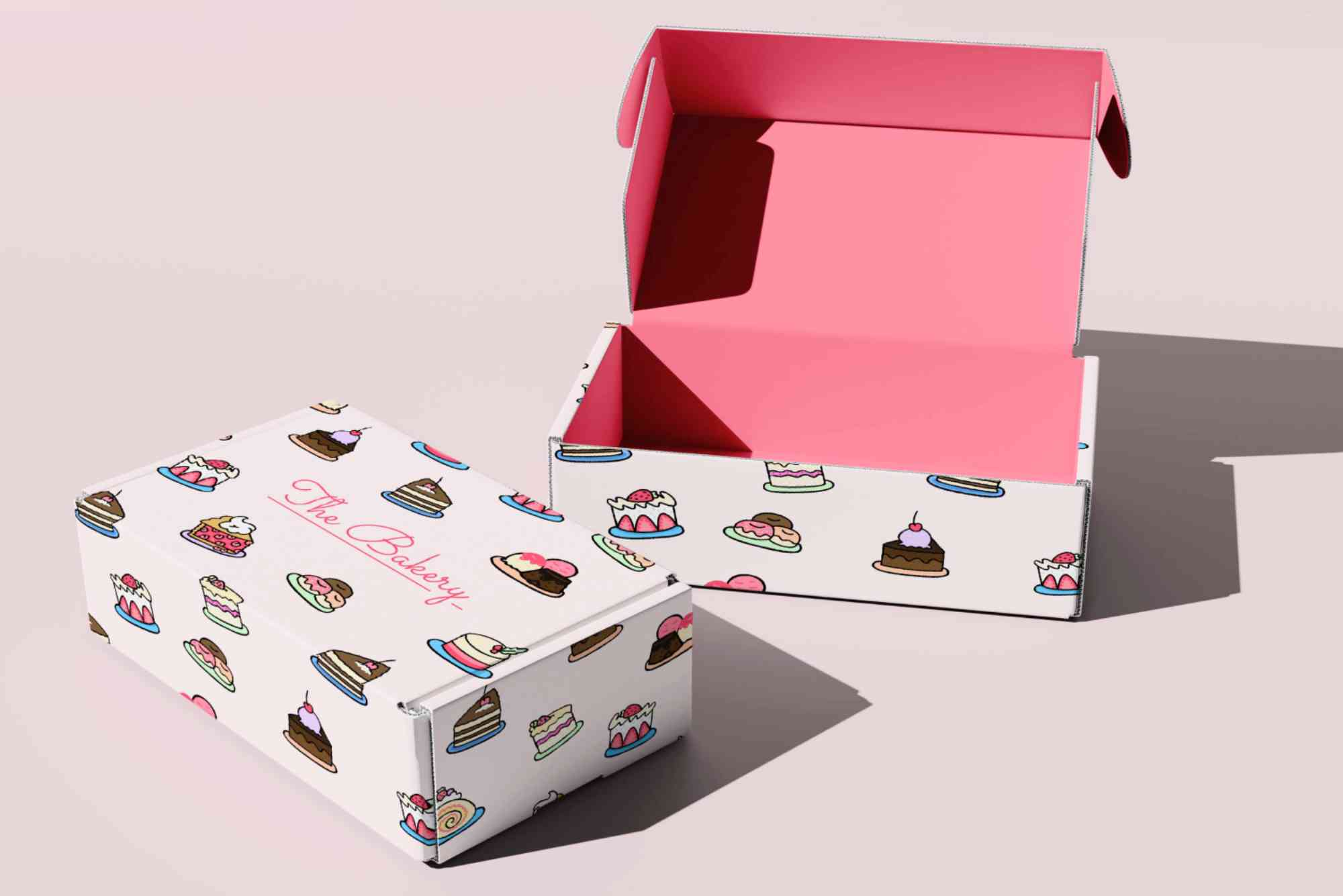
Introduction
Packaging is more than just a protective layer for a product—it is a brand’s storyteller, a marketing tool, and often the first impression that customers experience. In today’s competitive market, design packaging design has evolved into an art form that blends creativity, psychology, and functionality. Businesses are no longer focusing only on product quality; they now understand that how something is presented can determine whether it succeeds or fails in the marketplace.
From luxury cosmetics to eco-friendly food products, design packaging design has the power to engage customers, enhance brand loyalty, and influence buying decisions. This article explores the importance of effective packaging, strategies for creating impactful designs, and how businesses can leverage innovation to stand out.
Why Design Packaging Design Matters
Design packaging design goes far beyond appearance. It communicates brand values, delivers information, and creates an emotional bond with consumers. When done well, it differentiates a brand from competitors and makes a lasting impression.
Think about iconic packaging like Apple’s minimalistic boxes or Coca-Cola’s instantly recognizable red and white design. These examples show how packaging itself becomes part of a brand’s identity. Customers often associate quality, trust, and innovation with thoughtfully designed packaging.
Key Elements of Effective Design Packaging Design
Visual Appeal and Branding
A visually attractive package draws attention in crowded retail shelves or digital marketplaces. The use of colour, typography, and graphics should align with brand identity. For example, bold colours might work for youthful brands, while muted tones suggest elegance and sophistication.
Functionality and Usability
Beyond looks, a package should be practical. Easy-to-open designs, resealable features, or stackable shapes add value to the customer experience. Functional packaging builds trust, especially when consumers feel the brand considers their convenience.

Storytelling Through Design
Modern customers connect with stories. Whether it’s about sustainability, heritage, or innovation, packaging can tell that story visually. A heritage tea company might use vintage fonts, while an eco-brand might highlight earthy tones and recycled textures.
Sustainability in Packaging
Eco-conscious consumers actively seek products with sustainable packaging. Recyclable materials, minimal waste, and biodegradable options not only help the planet but also enhance a brand’s reputation. Design packaging design now often includes a focus on sustainability.
Trends Shaping Modern Packaging Design
Minimalist Aesthetics
Simplicity continues to dominate. Clean lines, neutral colours, and limited graphics convey sophistication and transparency, especially in luxury goods or wellness products.
Smart Packaging Technology
QR codes, NFC chips, and AR features make packaging interactive. Customers can scan and access detailed product information, tutorials, or brand stories instantly.
Personalization
Personalized packaging, such as limited-edition names or customizable labels, creates emotional connections and drives customer loyalty. Coca-Cola’s “Share a Coke” campaign is a classic example.
Bold Typography
Fonts are now central to design packaging design. Oversized letters or experimental typography make packaging more striking and memorable.
The Psychology Behind Design Packaging Design
Colours, shapes, and textures influence consumer perception. Red stimulates urgency and appetite, making it popular for food packaging. Green communicates freshness and eco-friendliness, while gold or black conveys luxury. Shapes also affect impressions: rounded edges feel friendly, whereas sharp angles suggest modernity and precision.
Texture plays a role too. A matte finish may feel premium, while glossy surfaces give a vibrant, energetic vibe. Understanding these psychological cues allows brands to craft packaging that resonates subconsciously with their target audience.
Balancing Creativity with Practicality
While creativity drives attention, practicality ensures usability. Overly complex packaging may frustrate customers. Striking the right balance means ensuring the design stands out while remaining functional, cost-effective, and eco-friendly.
A good rule is to always test designs with real customers before finalizing. This reveals whether packaging is intuitive, attractive, and aligned with expectations.
Finding Packaging Design Inspiration
For businesses exploring new ideas, sources of packaging design inspiration can spark creativity. Online platforms showcase innovative concepts across industries, highlighting trends like biodegradable wraps, holographic labels, or artistic illustrations. Inspiration also comes from cultural influences, seasonal themes, or even consumer feedback.
Role of Custom Packaging in Branding
Investing in custom packaging allows businesses to tailor every element—from shape to material—based on their audience. Customization strengthens branding because it ensures packaging reflects unique brand values. For startups, this creates a distinct identity, while for established brands, it reinforces recognition.
Whether through custom inserts, branded tissue paper, or unique box structures, customized packaging provides a memorable unboxing experience. In today’s social media era, unboxing videos amplify brand awareness, making custom designs more valuable.
Common Mistakes to Avoid in Packaging Design
Failing to include essential product information is one of the biggest errors. Customers need clear instructions, expiry dates, or material details. Overcomplicated designs can also backfire, overwhelming consumers instead of engaging them.
Another mistake is ignoring target demographics. A design that appeals to teenagers may not resonate with professionals. Finally, neglecting sustainability risks alienating eco-conscious buyers.
How to Start Creating Effective Packaging
Start by understanding the target audience. Research their preferences, needs, and values. Then, brainstorm visual themes that reflect the brand identity. Collaborate with designers who specialize in packaging, ensuring professional execution.
Prototyping is essential before mass production. It allows brands to test designs for durability, shelf impact, and customer feedback. After finalizing, monitor customer responses and adjust future designs accordingly.
FAQs
What is packaging design?
Packaging design is the process of creating the exterior of a product, including structure, visuals, and branding elements.
Why is packaging design important?
It helps attract attention, protect products, communicate brand values, and influence customer purchasing decisions.
How does packaging affect consumer behavior?
Colours, typography, and materials subconsciously shape perceptions, often influencing purchase intent.
What makes good packaging design?
Good packaging combines visual appeal, functionality, sustainability, and storytelling to create a positive user experience.
Can small businesses afford custom packaging?
Yes, many providers offer scalable solutions, allowing small brands to access affordable custom packaging options.
Elevating Your Brand with Thoughtful Packaging
Design packaging design is more than aesthetics—it’s a strategic blend of art, psychology, and functionality. In a world where customers are bombarded with options, unique packaging helps brands stand out, connect emotionally, and build loyalty.
From sustainability to personalization, the opportunities in packaging design are endless. By investing in creativity and aligning packaging with brand values, businesses can create memorable experiences that extend far beyond the shelf.
