Consumer Packaging Design
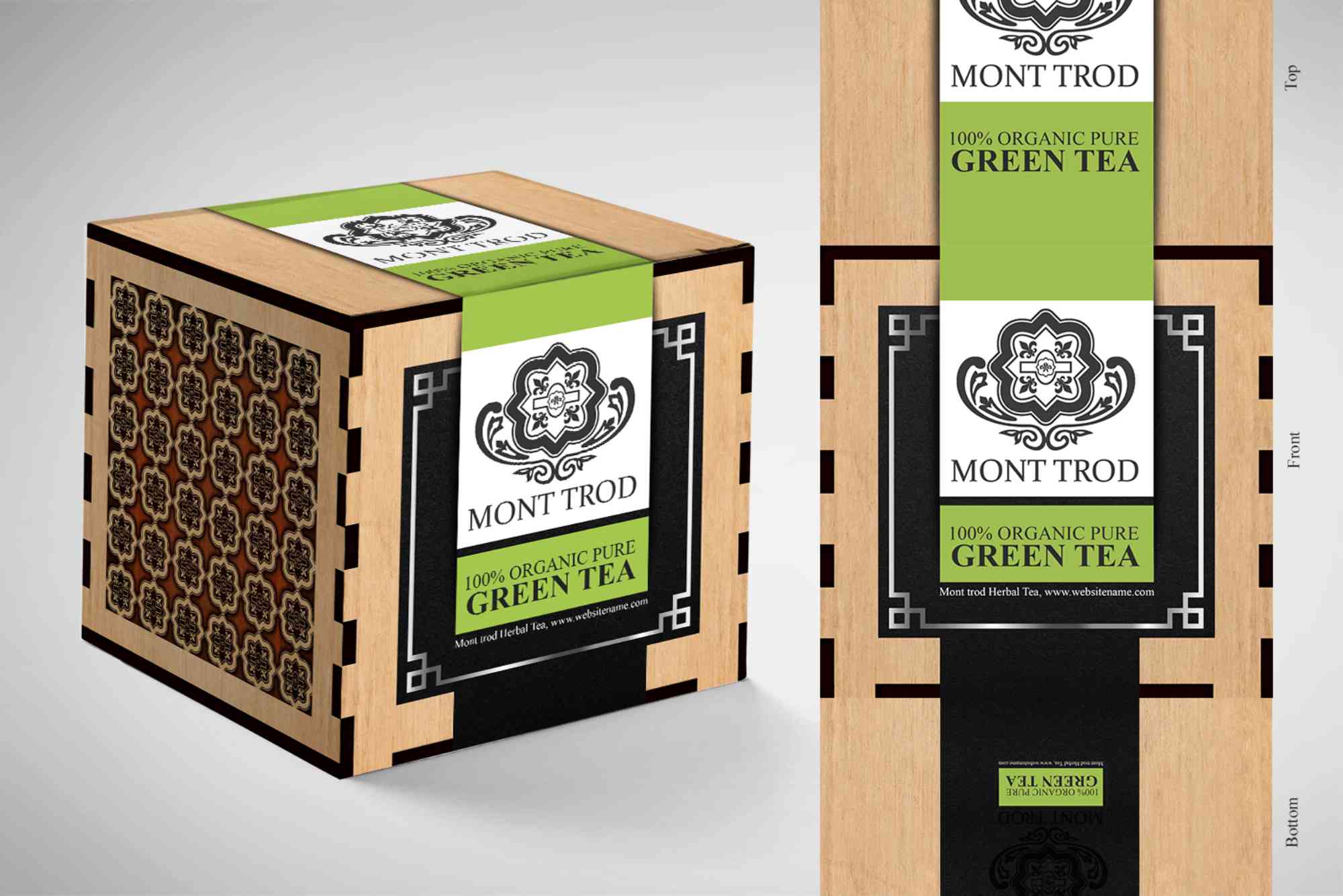
Consumer Packaging Design: A Complete Guide for Modern Brands
Consumer packaging design plays a vital role in how products connect with buyers. It is often the first thing a customer notices on a shelf or online. A well-crafted design can influence purchasing decisions in seconds. Today, businesses must go beyond simple wrapping and focus on creating a complete visual and emotional experience.
In this article, we will explore consumer packaging design in depth. You will learn what makes packaging effective, how it impacts branding, and how to apply modern strategies to stand out in competitive markets.
What is Consumer Packaging Design?
Consumer packaging design refers to the creation of the exterior of a product. It includes materials, colours, typography, and structure. The aim is to attract attention, communicate value, and protect the product.
Modern consumer packaging design goes further. It tells a story, reflects brand identity, and builds trust. It also considers sustainability and user convenience. Businesses now treat packaging as a marketing tool rather than just a container.
Why Consumer Packaging Design Matters
Consumer packaging design directly affects how people perceive a product. First impressions happen quickly, often within seconds. If the packaging looks appealing, customers are more likely to pick it up or click on it online.
Packaging also communicates quality. Premium designs suggest higher value, while poor design can reduce trust. In addition, good packaging improves user experience. Easy opening, clear instructions, and durable materials all add value.

Moreover, packaging supports brand recognition. Consistent colours and design elements make products easy to identify. Over time, this builds loyalty and repeat purchases.
Key Elements of Effective Consumer Packaging Design
Visual Appeal
Visual appeal is essential in consumer packaging design. Colours, shapes, and graphics must attract attention instantly. Bright colours can create excitement, while minimal designs suggest elegance.
Typography also matters. Fonts should be clear and match the brand tone. For example, luxury brands often use serif fonts, while modern brands prefer clean sans-serif styles.
Functionality
Packaging must be practical. It should protect the product during transport and storage. At the same time, it should be easy to open and use.
Functional design also includes size and shape. Compact packaging saves space and reduces costs. Meanwhile, ergonomic designs improve user comfort.
Branding
Branding is at the core of consumer packaging design. Every element should reflect the brand’s identity. This includes logos, colours, and messaging.
Strong branding creates consistency across all products. It helps customers recognise your items quickly. This is especially important in crowded markets.
Sustainability
Sustainability is no longer optional. Many consumers prefer eco-friendly packaging. Using recyclable or biodegradable materials can improve brand perception.
Reducing waste and using minimal packaging are also effective strategies. Businesses that prioritise sustainability often gain customer trust.
The Role of Custom Packaging in Branding
Custom packaging allows brands to create unique designs that stand out. It gives full control over materials, shapes, and printing styles. This flexibility helps businesses align packaging with their identity.
For example, using Custom Packaging enables brands to create memorable unboxing experiences. This approach is especially important in e-commerce, where physical interaction is limited.
Custom packaging also enhances perceived value. A well-designed box can make a product feel premium. This can justify higher pricing and improve customer satisfaction.
Trends in Consumer Packaging Design
Consumer packaging design continues to evolve. Staying updated with trends helps brands remain competitive.
Minimalist design is one of the most popular trends. Clean layouts and simple colour schemes create a modern look. They also improve readability and focus attention on the product.
Another trend is bold typography. Large, striking text can grab attention quickly. It works well in both physical stores and online listings.
Sustainable packaging is also growing rapidly. Many brands are switching to eco-friendly materials. This aligns with consumer values and reduces environmental impact.
Interactive packaging is gaining popularity as well. QR codes, augmented reality, and smart labels add engagement. They provide extra information and create a unique experience.
How to Create Effective Consumer Packaging Design
Creating strong consumer packaging design requires careful planning. It begins with understanding your target audience. Different groups have different preferences and expectations.
Next, define your brand identity clearly. Your packaging should reflect your values and message. Consistency across products is essential.
Testing is also important. Before finalising a design, gather feedback from potential customers. This helps identify issues and improve usability.
You should also study competitors. Analyse what works and what does not. This can inspire new ideas while avoiding common mistakes.
Exploring platforms like packaging design inspiration can provide valuable insights. These resources showcase creative designs from around the world.
The Psychology Behind Consumer Packaging Design
Consumer packaging design is deeply connected to psychology. Colours, shapes, and textures influence emotions and behaviour.
For example, red often creates excitement and urgency. Blue suggests trust and reliability. Green is associated with nature and sustainability.
Shapes also matter. Rounded designs feel friendly, while sharp edges suggest strength. Texture adds another layer of experience. Matte finishes feel soft, while glossy surfaces appear premium.
Understanding these elements helps create packaging that resonates with customers.
Consumer Packaging Design for E-commerce
E-commerce has changed the role of packaging. It is no longer just about shelf appeal. Instead, it focuses on delivery experience and unboxing.
Packaging must be durable to protect products during shipping. At the same time, it should look appealing when opened. This creates a memorable experience that customers may share online.
Branding remains important. Even in e-commerce, consistent design builds recognition. Including thank-you notes or personalised messages can enhance customer connection.
Common Mistakes in Consumer Packaging Design
Many businesses make mistakes when designing packaging. Overcomplicating the design is a common issue. Too many elements can confuse customers.
Ignoring functionality is another mistake. Attractive packaging that is difficult to use can frustrate users.
Lack of brand consistency can also harm recognition. Each product should clearly belong to the same brand family.
Finally, neglecting sustainability can reduce appeal. Modern consumers expect eco-friendly options.
The Future of Consumer Packaging Design
The future of consumer packaging design looks innovative and sustainable. Technology will play a bigger role. Smart packaging with sensors and digital features will become more common.
Sustainability will continue to grow in importance. Brands will focus on reducing waste and using renewable materials.
Personalisation is another key trend. Customised packaging for individual customers will enhance engagement.
Overall, consumer packaging design will become more interactive, eco-friendly, and customer-focused.
Conclusion
Consumer packaging design is a powerful tool for modern businesses. It influences first impressions, builds brand identity, and enhances customer experience. By focusing on visual appeal, functionality, and sustainability, brands can create packaging that truly stands out.
If you want to improve your product presentation, now is the time to invest in better packaging. Explore creative ideas, test new designs, and focus on your audience’s needs. Start transforming your consumer packaging design today and turn your packaging into a powerful marketing asset.
FAQs
What is consumer packaging design?
Consumer packaging design is the process of creating the exterior of a product. It includes materials, colours, and structure to attract customers and protect the item.
Why is consumer packaging design important?
It influences buying decisions, builds brand identity, and improves user experience. Good design can increase sales and customer loyalty.
How can I improve my packaging design?
Focus on simplicity, strong branding, and functionality. Use high-quality materials and consider sustainability.
What are the latest trends in consumer packaging design?
Popular trends include minimalism, eco-friendly materials, bold typography, and interactive features.
Does packaging design affect sales?
Yes, effective consumer packaging design can significantly boost sales by attracting attention and building trust.
Corrugated cardboard packaging design plays a vital role in protecting products while enhancing brand appeal. Its durability, flexibility, and eco-friendly nature make it a preferred choice for modern businesses. With innovative structures and creative printing options, it not only ensures safe transit but also delivers a memorable unboxing experience that strengthens customer trust and brand identity.
