coffee cup packaging design
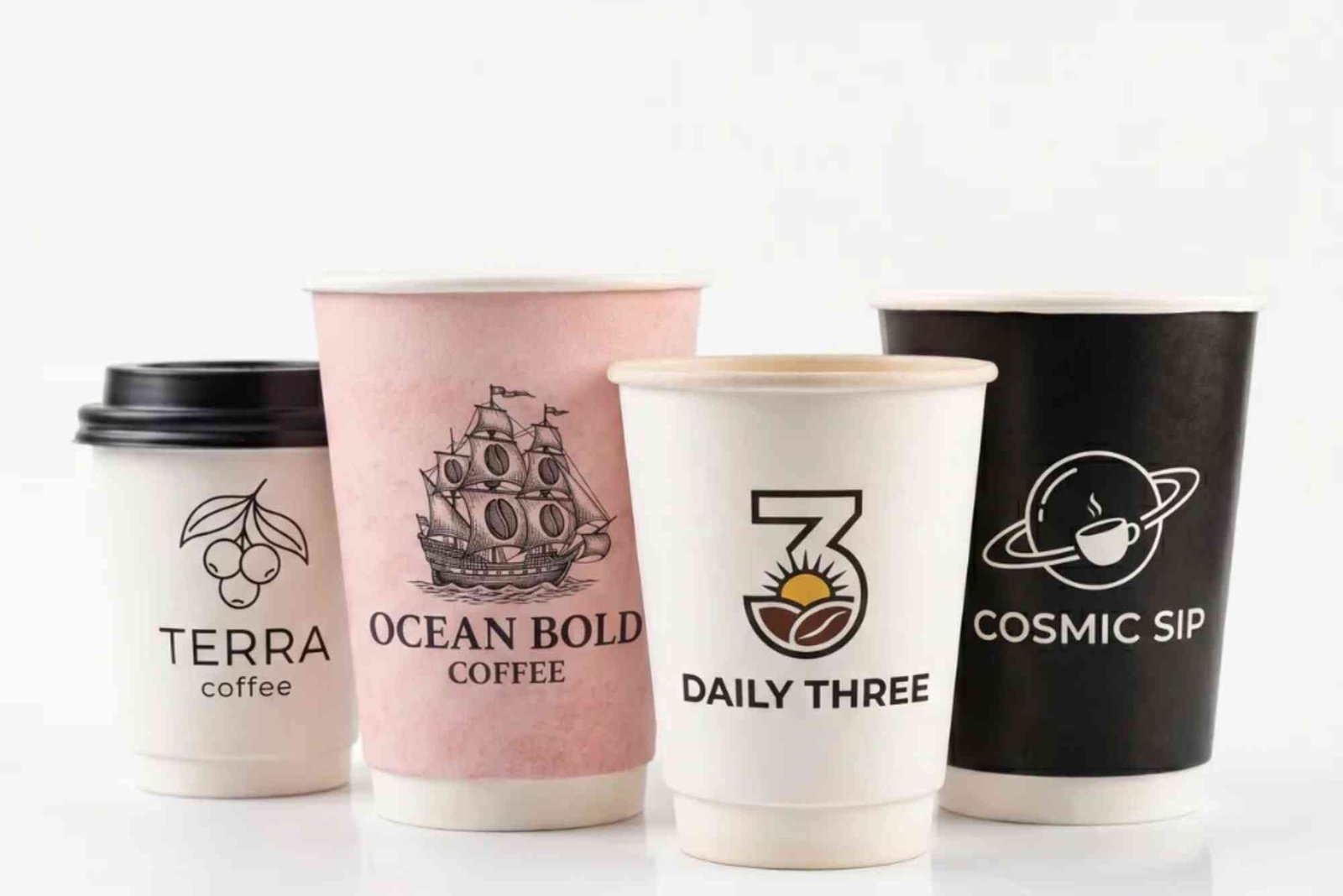
Coffee Cup Packaging Design: A Complete Guide
Introduction
Coffee is more than a drink. For many customers, it is part of a daily routine and a lifestyle. Therefore, every detail surrounding the drink matters. This includes the cup that carries it.
A strong coffee cup packaging design can turn an ordinary takeaway drink into a memorable brand experience. It can communicate quality, personality, sustainability, and professionalism before the customer takes the first sip.
For cafés, restaurants, coffee roasters, and takeaway businesses, packaging is also a moving marketing tool. Customers carry branded cups through offices, streets, universities, and public spaces. As a result, one well-designed cup can generate valuable brand exposure.
Modern packaging trends also show a stronger focus on minimalism, storytelling, sustainable materials, and memorable visual experiences.
Why Coffee Cup Packaging Design Matters
Good packaging performs two jobs at once. First, it protects the beverage and supports convenient consumption. Second, it communicates the identity of the business.
A well-planned coffee cup packaging design helps customers recognise your brand quickly. Consistent colours, typography, illustrations, and logos create stronger visual recognition.

Packaging can also influence how customers perceive the coffee itself. A carefully designed cup may make a simple drink feel more premium. In contrast, an unclear or poorly printed design can make a professional business look less established.
The best approach is to treat packaging as part of the overall customer experience. Your cup should feel connected to your café interior, website, menu, signage, social media, and other branded materials.
This is where Custom Packaging becomes valuable. Instead of treating the cup as a generic container, businesses can create packaging that reflects their complete brand identity.
Essential Elements of Coffee Cup Packaging Design
Brand Identity
Brand identity should be the foundation of your design. Your logo, colours, fonts, and visual style should work together naturally.
Avoid placing too many elements on one cup. Customers usually see takeaway packaging quickly, so the message needs to be understood almost instantly.
A simple logo with distinctive typography can often be more effective than a complicated illustration.
Colour Selection
Colour creates an immediate emotional response. Warm brown tones can suggest coffee, comfort, and natural ingredients. Green may communicate freshness or environmental responsibility.
However, your colour choice should match your wider brand identity. A specialty coffee shop may benefit from neutral colours, while a youthful café may prefer brighter combinations.
Always check how colours appear on the actual cup material. Kraft paper, white paper, and coated surfaces can produce different visual results.
Typography
Typography should remain readable from a reasonable distance. Choose fonts that support your brand personality without sacrificing clarity.
Your business name should remain visible even when the customer holds the cup. Smaller details, such as website addresses or social handles, should support the design rather than dominate it.
Logo Placement
The logo should have a clear position within the design. Avoid placing it where hands commonly cover it.
For a wraparound cup, consider how the artwork appears from different angles. Customers may photograph the cup from the side rather than directly from the front.
Choosing the Right Coffee Cup Material
Material selection affects both appearance and functionality. It also influences how your design is printed.
Paper cups remain popular for hot coffee because they are lightweight and practical. Single-wall cups may require an additional sleeve for insulation. Double-wall designs can provide greater protection against heat.
For cold coffee, different materials may be more suitable. Clear cups can showcase iced coffee, cold brew, and layered beverages.
Your packaging decision should therefore begin with the beverage and serving environment. Think about temperature, handling, transportation, storage, and customer convenience.
Sustainability should also be considered carefully. Rather than making vague environmental claims, businesses should understand the actual material, coating, disposal route, and relevant local requirements.
Creating a Memorable Coffee Cup Packaging Design
Memorable packaging does not necessarily require complicated artwork. In many cases, a strong concept is more effective.
A coffee shop could build its design around a simple illustration, distinctive pattern, short message, or recognisable colour combination. The goal is to create something customers associate with the brand.
Storytelling can make packaging more engaging. For example, a coffee brand might use the cup to explain its roasting philosophy or communicate the origin of its beans.
Another approach is to create seasonal artwork. Limited designs for winter, festive periods, or special events can make customers feel that they are receiving something different.
Research into current packaging trends shows that minimalist designs, storytelling, tactile finishes, and personalised concepts are increasingly being used to create stronger customer connections.
Coffee Cup Packaging Design and Customer Experience
Packaging should be easy to hold, carry, open, and drink from. Beautiful artwork cannot compensate for a cup that leaks or becomes uncomfortable to handle.
Consider the entire experience. The lid should fit securely. The cup should feel stable. The printing should remain attractive when exposed to normal handling.
For takeaway businesses, these details become particularly important. Customers may carry the drink in a car, walk with it, or place it beside a laptop.
A professional coffee cup packaging design combines visual appeal with practical performance.
The best designs therefore begin with real customer behaviour. Consider where customers use the cup and what problems they might experience.
Using Sustainable Design Without Losing Brand Appeal
Sustainability has become an important consideration in packaging decisions. However, environmentally conscious packaging should still look attractive and professional.
Kraft paper can create a natural appearance. Recycled materials can support an earthy brand aesthetic. Compostable or recyclable solutions may also be appropriate depending on the product and local waste infrastructure.
The key is to choose materials based on genuine requirements rather than trends alone.
Sustainable design can also become part of the brand story. A simple explanation of responsible material choices can help customers understand why the packaging looks different.
However, businesses should avoid unsupported environmental claims. Transparency creates greater trust than exaggerated marketing language.
Adding Creative Details to Coffee Cup Packaging Design
Small details can make a significant difference. A short message beneath the logo can create personality. A creative pattern can make the cup instantly recognisable.
QR codes can also connect physical packaging with digital experiences. They may direct customers towards a digital menu, loyalty programme, social media page, or brand story.
Personalisation offers another opportunity. Some cafés can create designs around local events, seasons, collaborations, or special campaigns.
The important point is to maintain consistency. Every extra element should have a purpose.
If you need packaging design inspiration, study how successful cafés use negative space, typography, illustration, material texture, and colour. The objective is not to copy another brand. Instead, identify techniques that can be adapted to your own identity.
Designing Packaging for Different Coffee Businesses
A speciality coffee roaster may want packaging that communicates craftsmanship and origin. Its design could use restrained typography, detailed illustrations, and premium finishes.
A busy takeaway café may prioritise bold branding. Its cup should be recognisable while customers are walking or travelling.
A luxury hotel may prefer understated packaging. Subtle colours and elegant typography can create a more sophisticated impression.
Meanwhile, an independent café may use illustration and storytelling to develop a distinctive personality.
Therefore, there is no universal formula for successful coffee cup packaging design. The right solution depends on your audience, positioning, menu, budget, and service model.
Coffee Cup Packaging Design: Key Comparison
| Design Element | Practical Purpose | Branding Benefit | Best Approach |
|---|---|---|---|
| Logo | Identifies the business | Builds recognition | Keep it clear and visible |
| Colour | Creates visual appeal | Communicates personality | Match your brand palette |
| Typography | Presents information | Establishes character | Prioritise readability |
| Material | Supports cup performance | Influences visual perception | Choose based on beverage use |
| Sleeve | Provides insulation | Adds another branding area | Coordinate with the cup |
| Lid | Supports safe drinking | Completes the presentation | Ensure secure compatibility |
| QR Code | Connects physical and digital channels | Encourages engagement | Use only when relevant |
| Illustration | Creates visual interest | Makes packaging distinctive | Keep artwork purposeful |
Common Coffee Cup Packaging Design Mistakes
One common mistake is overcrowding the cup. Too many colours, slogans, graphics, and details can make the design difficult to understand.
Another problem is using typography that looks attractive on a computer but becomes difficult to read after printing. Always test your artwork at the final size.
Ignoring the lid and sleeve is another missed opportunity. These components are part of the customer experience and should complement the main cup.
Businesses should also avoid designing only for a flat digital template. A cup is a three-dimensional product. Artwork can look completely different once wrapped around its surface.
Testing physical samples before a large production run is therefore highly valuable.
How to Plan Your Coffee Cup Packaging Design
Start by defining your brand personality. Decide whether you want customers to see your business as modern, traditional, premium, playful, natural, or artistic.
Next, identify your primary customer. Consider their age, lifestyle, preferences, and expectations.
Then develop a visual direction. Select colours, typography, graphics, and messaging that support your positioning.
After that, prepare the artwork according to the printer’s specifications. Check dimensions, bleed areas, colour formats, and safe zones before approval.
Finally, request a physical sample whenever possible. Review the cup under normal lighting and handle it as a customer would.
This process reduces expensive mistakes and helps ensure that the finished product matches your expectations.
Frequently Asked Questions About Coffee Cup Packaging Design
What makes good coffee cup packaging design?
Good coffee cup packaging design combines clear branding, attractive visuals, practical functionality, and suitable materials. It should communicate the brand quickly while remaining comfortable to use.
How can I make my coffee cup design more attractive?
Use a clear visual concept, consistent colours, readable typography, and purposeful artwork. Minimalist designs can work particularly well because they prevent visual clutter.
What type of cup is best for hot coffee?
Paper cups are widely used for hot coffee. Single-wall cups may need sleeves, while double-wall designs can provide additional insulation and a more substantial feel.
Can coffee cups be fully customised?
Yes. Depending on the supplier, businesses can customise artwork, colours, cup styles, sizes, sleeves, lids, and other packaging components.
How much does custom coffee cup packaging cost?
Pricing depends on materials, cup size, printing method, quantity, finishing options, and additional components. Larger orders can often reduce the unit cost.
What are eco-friendly options for coffee cup packaging?
Options can include recycled paper, kraft materials, compostable alternatives, and reusable systems. The appropriate choice depends on local disposal facilities and the product’s construction.
How can packaging promote a coffee brand?
Branded cups act as mobile marketing. Customers carry them through public spaces, workplaces, and social settings, giving the brand additional visibility.
Conclusion
Effective coffee cup packaging design is much more than attractive artwork. It combines branding, functionality, materials, customer experience, and thoughtful communication.
A successful design should make the brand recognisable while protecting the beverage and making it convenient to enjoy. It should also reflect the expectations of your target audience.
Whether you operate a small independent café or a growing coffee chain, packaging can become an important part of your marketing strategy.
The next step is to review your current cups and identify what could be improved. Consider the logo, colours, materials, typography, functionality, and overall customer experience. Then create a design that makes every cup feel unmistakably yours.
If you are planning a new packaging project, explore Buddy Packaging Location options and develop a concept that combines strong branding with practical performance. A thoughtful cup can turn an everyday coffee purchase into a memorable brand interaction.
Related Reading: canva packaging design
Related Reading: Coffee Bean Packaging Design
Related Reading: carton packaging design
Related Reading: book packaging design
Related Reading: adobe packaging design — full guide
Related Reading: alcohol packaging design — full guide
Related Reading: beard oil packaging design
Related Reading: Coffee Bean Packaging Design — full guide
Related Reading: cd packaging design — full guide
Related Reading: craft beer packaging design — full guide
Related Reading: 7 packaging design trends — full guide
Related Reading: Film Roll & Printing Cylinder Lifting: The Advantages of Air Mandrel Manipulator Systems
Related Reading: book packaging design — full guide
Related Reading: Bedding Packaging Design — full guide
Related Reading: Custom Packaging Design Companies — full guide
Related Reading: Cigarette Packaging Design — full guide
Related Reading: Caviar Packaging Design — full guide
Related Reading: beard oil packaging design — full guide
Shop the boxes from this guide
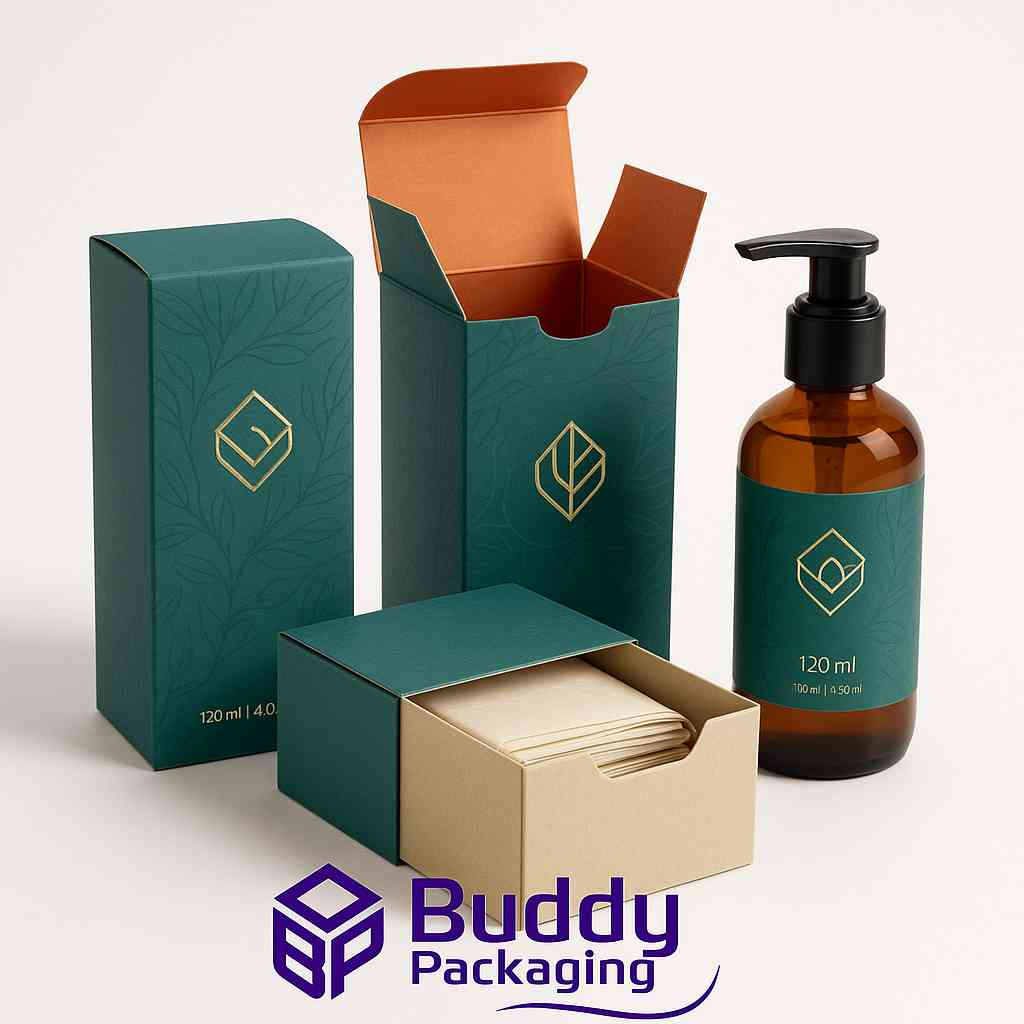
120ml Bottle Boxes
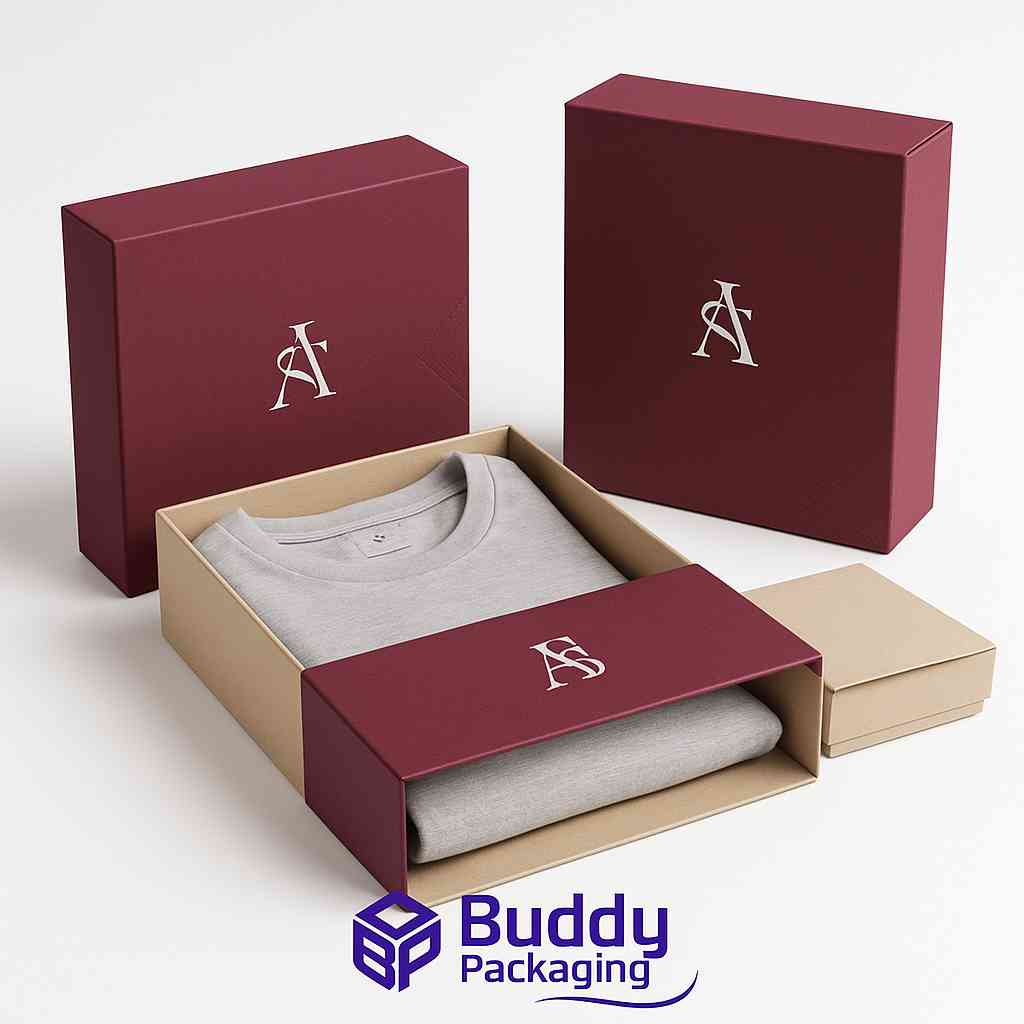
Apparel Sleeve Boxes
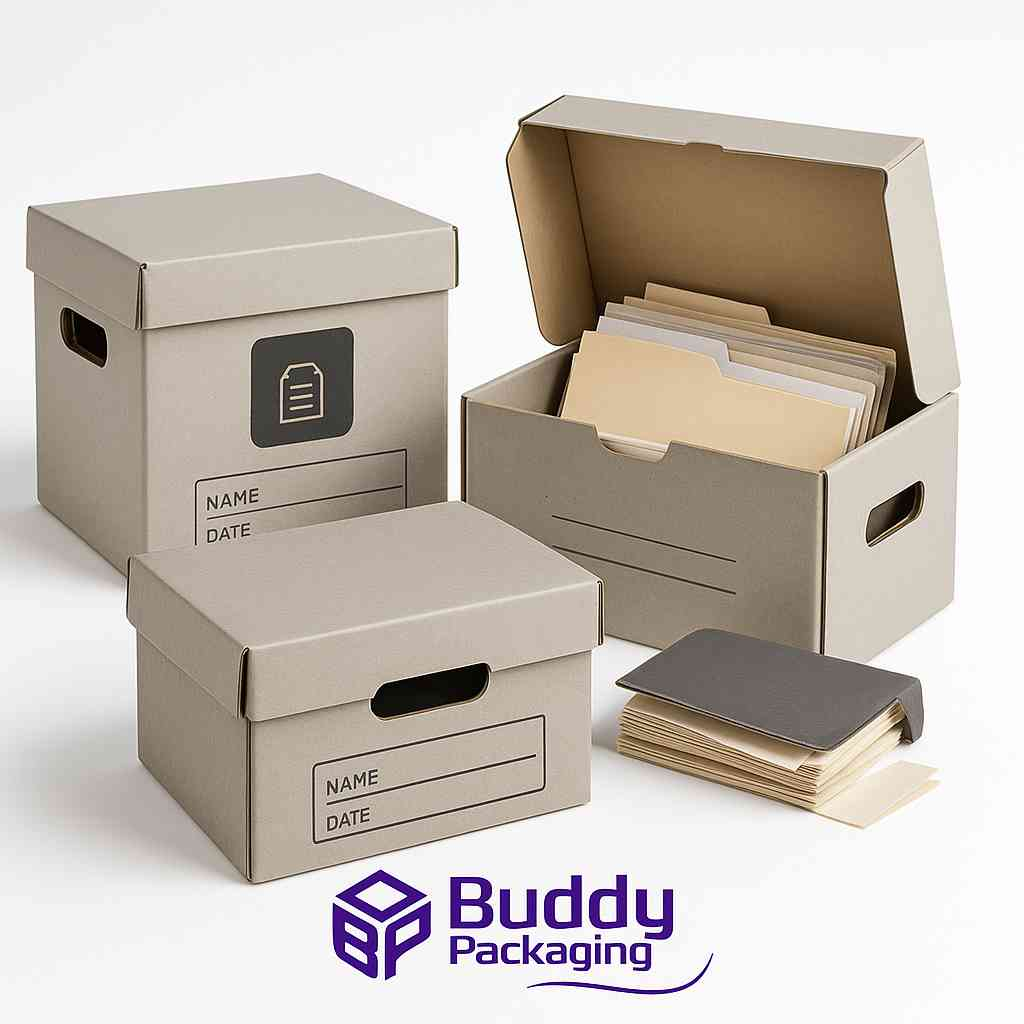
Archive Boxes

wafa
Packaging & Print SpecialistTechnical packaging specialist at Buddy Packaging UK, sharing insights on corrugated board packaging, custom dielines, and print production.
View all packaging articles by wafa →