Brand And Packaging Design Agency
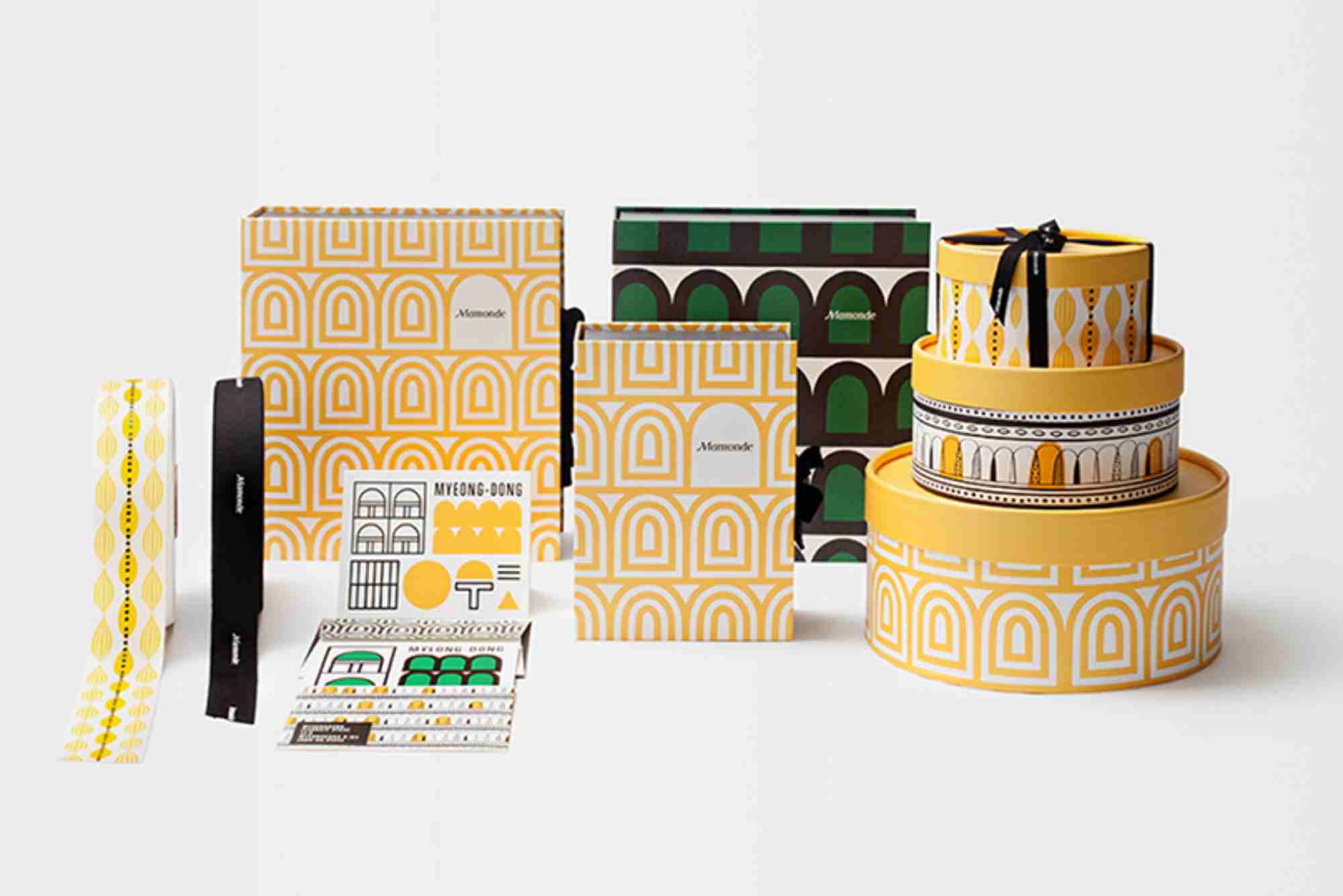
Introduction: Why a Brand And Packaging Design Agency Matters
A Brand And Packaging Design Agency plays a critical role in shaping how customers perceive your product before they even try it. In today’s crowded market, first impressions are often formed in seconds, and packaging is frequently the first touchpoint. Whether you are launching a startup or refreshing an established product line, investing in a professional agency can directly influence buying decisions, brand loyalty, and long-term growth.
In places like Orange Theory Mountain View, where competition is high and consumer expectations are even higher, brands must stand out visually and emotionally. That is where a specialised Brand And Packaging Design Agency becomes essential. By combining strategy, creativity, and market insight, these agencies ensure your product not only looks appealing but also communicates value clearly.
Understanding the Role of a Brand And Packaging Design Agency
A Brand And Packaging Design Agency goes far beyond creating attractive visuals. It builds a cohesive identity that aligns with your business goals and resonates with your target audience. From logo development to structural packaging design, every detail is crafted with intention.
Brand identity involves colours palettes, typography, messaging tone, and visual storytelling. Packaging design, on the other hand, focuses on how the product is presented physically. When both elements work together seamlessly, they create a memorable customer experience.
For example, a well-designed package can influence shelf visibility, improve perceived value, and even justify premium pricing. This is why businesses increasingly rely on agencies that specialise in both branding and packaging rather than treating them as separate disciplines.
The Strategic Process Behind Effective Branding
A successful Brand And Packaging Design Agency begins with research. This includes analysing competitors, understanding customer behaviour, and identifying market gaps. Without this foundation, design decisions become guesswork rather than strategy.

Next comes brand positioning. This defines how your product will be perceived in the market. Are you premium, affordable, eco-friendly, or innovative? Every design element must reinforce this positioning.
Finally, creative execution brings the strategy to life. Designers craft visual elements that align with the brand story while ensuring practicality for production and distribution. This balance between creativity and functionality is what separates professional agencies from amateur efforts.
Packaging Design: More Than Just a Container
Packaging is no longer just about protecting the product. It is a powerful marketing tool. A Brand And Packaging Design Agency understands that packaging must communicate instantly and effectively.
Modern consumers are drawn to packaging that tells a story. Whether it is sustainability, luxury, or convenience, the design should reflect the brand’s values. For instance, eco-conscious packaging can attract environmentally aware customers, while sleek minimalism often appeals to premium markets.
If you are exploring options for Custom Packaging, you can learn more here:
Custom Packaging:
This demonstrates how tailored packaging solutions can enhance both functionality and branding.
Why Businesses in Competitive Markets Need Expert Design
In highly competitive areas like Mountain View, businesses cannot afford to blend in. A Brand And Packaging Design Agency helps brands differentiate themselves in saturated markets.
Professional design ensures consistency across all touchpoints. From online presence to retail shelves, every interaction reinforces the brand identity. This consistency builds trust, which is crucial for customer retention.
Moreover, expert agencies stay updated with design trends and consumer preferences. They know when to follow trends and when to create something timeless. This insight can save businesses from costly redesigns in the future.
The Psychology Behind Packaging Design
A Brand And Packaging Design Agency leverages psychology to influence consumer behaviour. Colours, shapes, and typography all trigger emotional responses.
For example, warm colours like red and orange can create excitement and urgency, while cooler tones like blue convey trust and reliability. Similarly, rounded shapes often feel friendly, while sharp edges can appear modern and bold.
Typography also plays a significant role. Elegant fonts can suggest luxury, while simple fonts often communicate clarity and accessibility. By combining these elements strategically, agencies create packaging that resonates on a subconscious level.
Sustainability in Modern Packaging Design
Sustainability is no longer optional. Consumers increasingly prefer brands that prioritise eco-friendly practices. A Brand And Packaging Design Agency integrates sustainability into both materials and design.
This includes using recyclable materials, reducing excess packaging, and designing for reuse. Not only does this appeal to environmentally conscious consumers, but it also aligns with global regulations and industry standards.
Brands that adopt sustainable packaging often gain a competitive edge. They are seen as responsible and forward-thinking, which enhances brand reputation.
Digital Influence on Brand And Packaging Design
Digital platforms have transformed how consumers interact with brands. A Brand And Packaging Design Agency ensures that packaging looks appealing both in physical stores and online.
With the rise of e-commerce, packaging must photograph well and stand out in digital listings. Unboxing experiences have also become a marketing tool, often shared on social media.
For creative ideas, you can explore:
packaging design inspiration:
This resource showcases innovative designs from around the world, highlighting the importance of creativity in modern branding.
The Business Impact of Professional Design
Investing in a Brand And Packaging Design Agency delivers measurable results. Well-designed packaging can increase sales, improve brand recognition, and enhance customer loyalty.
Studies show that consumers are more likely to choose products with visually appealing packaging. Additionally, strong branding can justify higher pricing, leading to increased profit margins.
Over time, consistent branding builds equity. Customers begin to recognise and trust your brand, reducing the need for aggressive marketing campaigns.
Choosing the Right Brand And Packaging Design Agency
Selecting the right Brand And Packaging Design Agency is crucial. Look for agencies with a strong portfolio and proven experience in your industry.
Communication is equally important. The agency should understand your vision and translate it into design effectively. Collaboration ensures that the final result aligns with your expectations.
If you are looking for a trusted location, you can explore:
Buddy Packaging Location:
Working with a reliable partner ensures quality results and a smoother design process.
Future Trends in Brand And Packaging Design
The future of design is driven by innovation and consumer expectations. A Brand And Packaging Design Agency must stay ahead of trends to remain relevant.
Minimalism continues to dominate, but with a focus on storytelling. Interactive packaging, such as QR codes, is also gaining popularity. These features bridge the gap between physical and digital experiences.
Personalisation is another growing trend. Consumers appreciate products tailored to their preferences, and packaging can play a key role in delivering that experience.
Elevate Your Brand with Expert Design
A Brand And Packaging Design Agency is not just a service provider; it is a strategic partner in your business growth. From creating a compelling brand identity to designing impactful packaging, these agencies help you connect with your audience and stand out in competitive markets.
If you want your product to capture attention, build trust, and drive sales, investing in professional design is essential. Take the next step today and collaborate with experts who understand the power of branding and packaging.
FAQs: Brand And Packaging Design Agency
What does a Brand And Packaging Design Agency do?
A Brand And Packaging Design Agency creates visual identities and packaging solutions that enhance brand recognition and influence purchasing decisions.
Why is packaging design important for branding?
Packaging is often the first interaction customers have with a product. It communicates brand values and can significantly impact buying behaviour.
How much does a packaging design agency cost?
Costs vary depending on project scope, complexity, and agency expertise. However, it is an investment that often delivers strong returns.
How long does the branding and packaging process take?
Typically, it can take a few weeks to several months, depending on the project size and requirements.
Can small businesses benefit from a Brand And Packaging Design Agency?
Absolutely. Even small businesses can gain a competitive edge through professional branding and packaging design.
Related Reading: Cpg Packaging Design Agency
Related Reading: Automotive Packaging Design
Shop the boxes from this guide

120ml Bottle Boxes
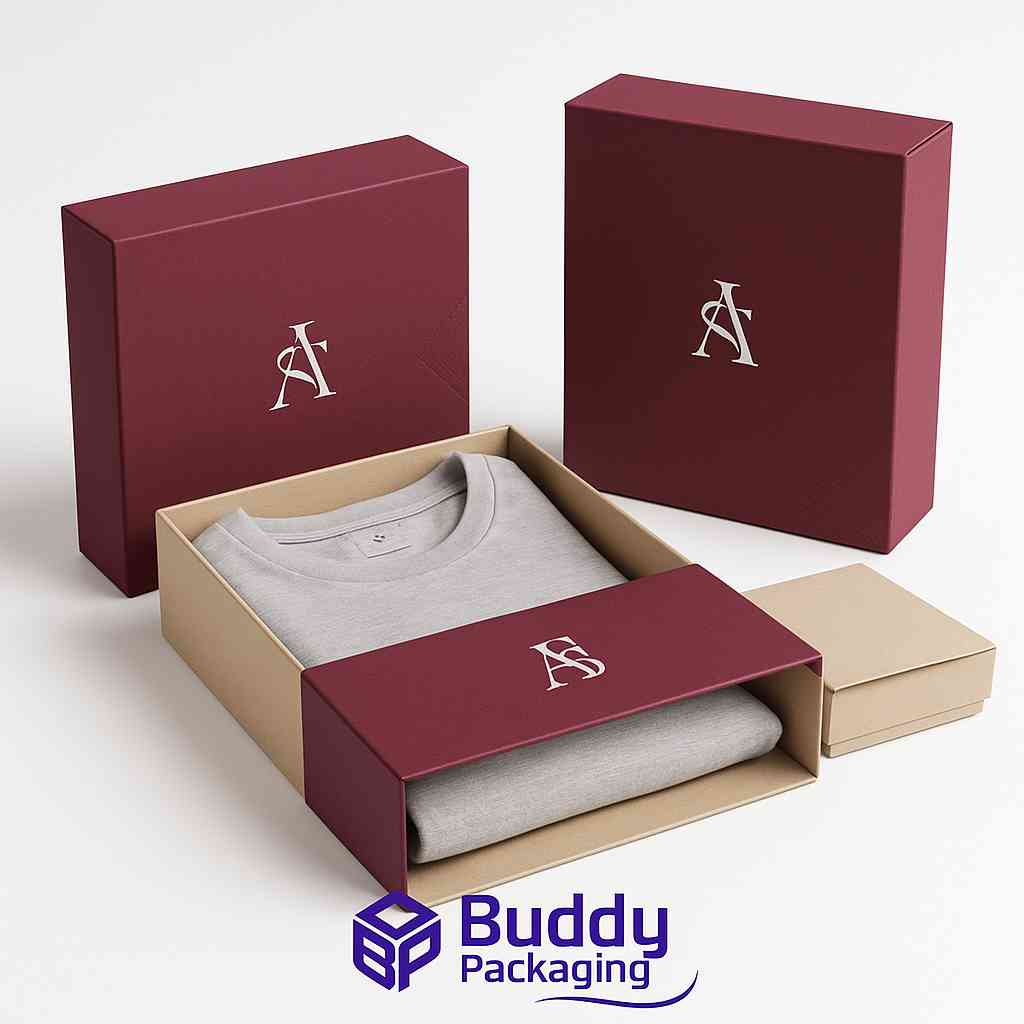
Apparel Sleeve Boxes
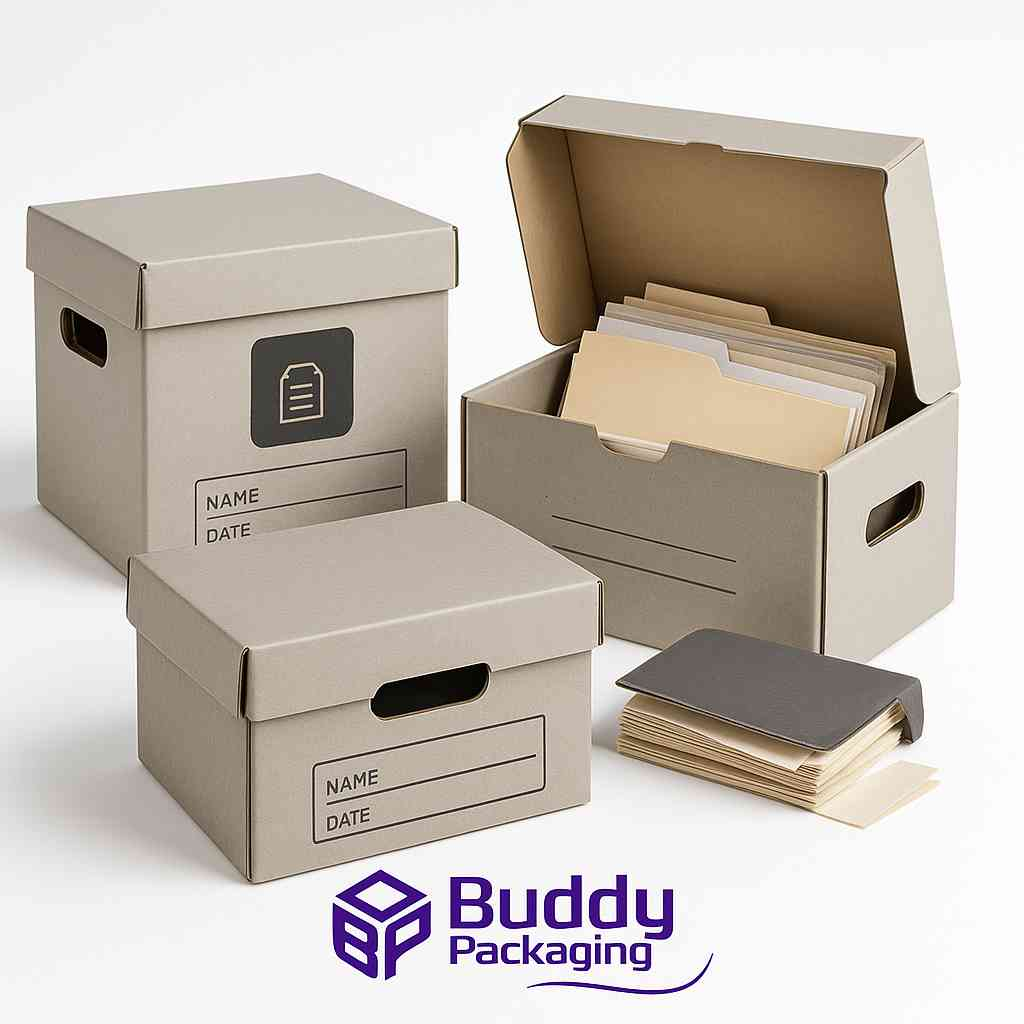
Archive Boxes

buddypackaginguk
Packaging & Print SpecialistTechnical packaging specialist at Buddy Packaging UK, sharing insights on corrugated board packaging, custom dielines, and print production.
View all packaging articles by buddypackaginguk →