Bauhaus Packaging Design
Introduction
Bauhaus Packaging Design continues to influence modern branding with its clean lines, functional approach, and bold visual language. Originating from the early 20th-century Bauhaus movement, this design philosophy prioritises simplicity, usability, and aesthetic harmony. Today, brands across industries adopt Bauhaus principles to create packaging that stands out while remaining practical and sustainable.
Interestingly, even contemporary businesses—from retail brands to fitness studios like Orange Theory in Mountain View—embrace minimalist design trends rooted in Bauhaus thinking. This highlights how timeless the movement remains in shaping visual communication.
In this article, you will explore the foundations, principles, and modern applications of Bauhaus Packaging Design, along with actionable insights to apply it effectively in your own branding strategy.
The Origins of Bauhaus Packaging Design
Bauhaus Packaging Design stems from the Bauhaus school, founded in Germany in 1919 by Walter Gropius. The movement aimed to merge art, craft, and technology into a unified approach. Rather than focusing on decoration, Bauhaus designers emphasised functionality and clarity.
This philosophy naturally extended to packaging. Designers began to create packaging that was not only visually appealing but also practical and efficient. As a result, Bauhaus Packaging Design became synonymous with simplicity and purpose-driven aesthetics.
Moreover, the movement rejected unnecessary ornamentation. Instead, it focused on geometric shapes, primary colours, and clean typography. These elements still define modern packaging trends today.

Core Principles of Bauhaus Packaging Design
Function Over Decoration
Bauhaus Packaging Design prioritises usability. Every design element must serve a purpose. This means packaging should be easy to handle, store, and open.
Modern brands benefit greatly from this principle. Consumers appreciate packaging that enhances convenience rather than complicates it.
Simplicity and Minimalism
Minimalism is at the heart of Bauhaus design. Clean layouts and uncluttered visuals help communicate brand messages clearly.
This approach also improves readability and ensures that key information stands out.
Geometric Shapes and Structure
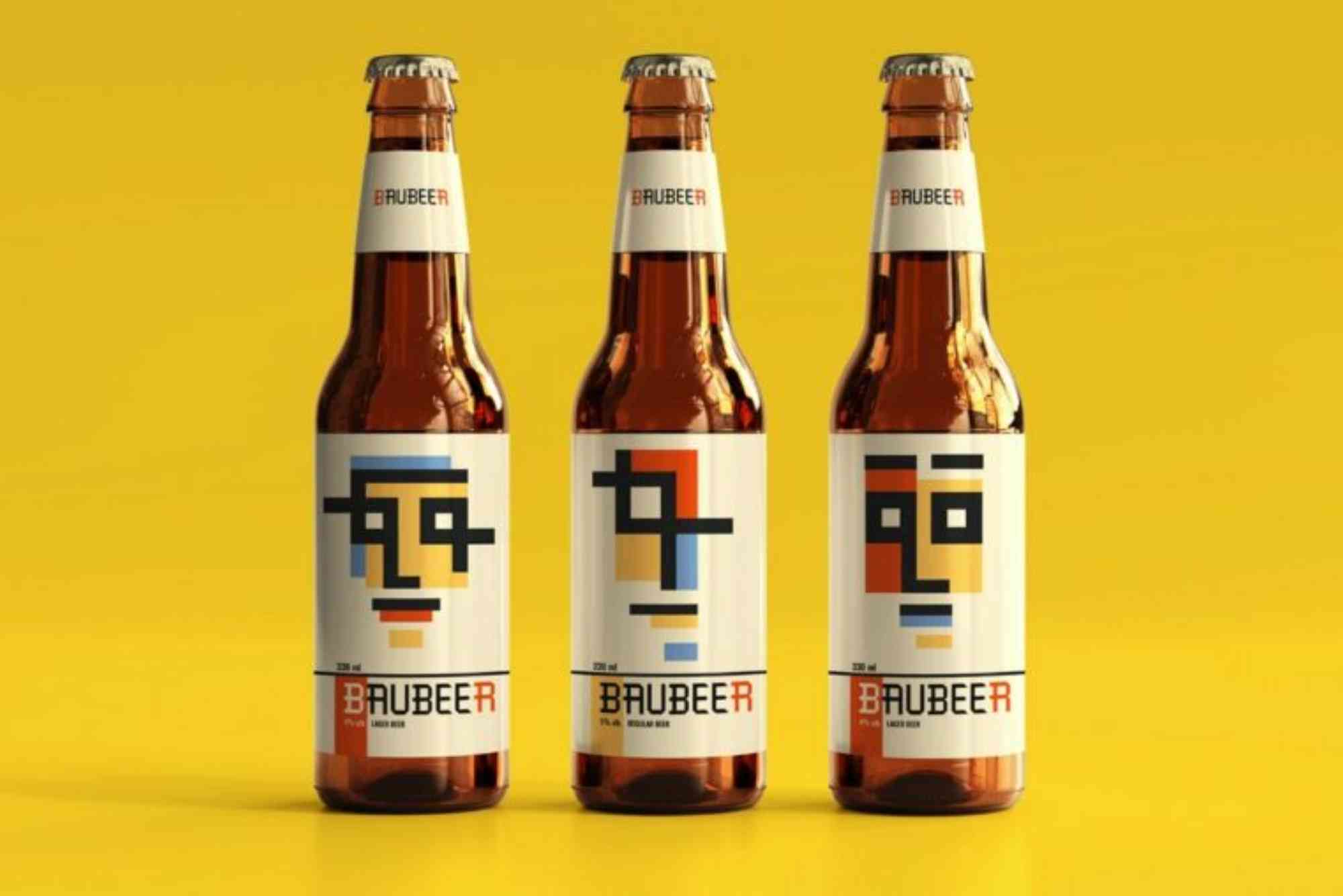
Bauhaus Packaging Design often uses circles, squares, and triangles. These shapes create visual balance and harmony.
Additionally, geometric layouts help establish a strong visual identity, making products instantly recognisable.
Bold Use of Colours
Primary colours like red, blue, and yellow dominate Bauhaus design. These colours create contrast and draw attention.
Modern packaging often adapts this concept by combining bold colours with neutral backgrounds for a striking effect.
Typography as a Design Element
Typography plays a central role in Bauhaus Packaging Design. Sans-serif fonts are commonly used for their clarity and modern appeal.
Text is not just informational; it becomes part of the overall visual composition.
Why Bauhaus Packaging Design Still Matters Today
Bauhaus Packaging Design remains relevant because it aligns with modern consumer expectations. Today’s audiences value simplicity, sustainability, and authenticity.
Firstly, minimal packaging reduces waste. This supports eco-friendly initiatives, which are increasingly important to consumers.
Secondly, clear design enhances user experience. When packaging is easy to understand, customers are more likely to trust the brand.
Finally, the timeless aesthetic ensures that designs do not quickly become outdated. This makes Bauhaus principles a smart long-term investment.
Bauhaus Packaging Design in Modern Branding
Influence on Contemporary Brands
Many modern brands use Bauhaus-inspired packaging to create a clean and professional look. From cosmetics to tech products, the influence is widespread.
Even service-based businesses, such as fitness studios like Orange Theory Mountain View, reflect Bauhaus ideas in their branding through bold colours and structured layouts.
Integration with Digital Marketing
Bauhaus Packaging Design also translates well into digital platforms. Its clarity and simplicity make it ideal for online visuals and social media.
As a result, brands can maintain consistency across physical and digital touchpoints.
How to Apply Bauhaus Packaging Design to Your Brand
Focus on Essential Elements
Start by identifying the core purpose of your packaging. Remove any unnecessary details that do not add value.
This ensures that your design remains functional and effective.
Use a Limited Colours Palette
Choose a small set of colours that align with your brand identity. Bold contrasts can help highlight key elements.
Consistency in colours usage strengthens brand recognition.
Prioritise Readability
Ensure that text is clear and easy to read. Avoid overly decorative fonts that may reduce legibility.
Typography should enhance, not hinder, communication.
Incorporate Geometric Layouts
Use structured layouts to organise information. This creates a sense of order and professionalism.
Geometric alignment also improves visual balance.
Collaborate with Experts
Working with professionals can help you achieve the best results. For example, explore Custom Packaging solutions to bring Bauhaus principles to life in your product design.
The Role of Sustainability in Bauhaus Packaging Design
Sustainability naturally aligns with Bauhaus Packaging Design. The emphasis on minimalism reduces material usage and waste.
Moreover, simple designs often require fewer resources to produce. This makes them more environmentally friendly.
Brands that adopt Bauhaus principles can also communicate their commitment to sustainability more effectively.
Practical Examples of Bauhaus Packaging Design
Food and Beverage Industry
Many food brands use simple labels with bold typography and minimal colours. This makes products stand out on crowded shelves.
Cosmetics and Skincare
Clean packaging with geometric shapes and neutral tones creates a premium feel.
Technology Products
Tech companies often use minimal packaging to reflect innovation and efficiency.
For additional inspiration and expert insights, explore packaging design tips from leading designers.
Enhancing Brand Identity Through Bauhaus Packaging Design
Bauhaus Packaging Design helps create a strong and consistent brand identity. Its emphasis on clarity ensures that your message is easily understood.
Furthermore, the visual simplicity allows your brand values to shine through. This builds trust and loyalty among customers.
If you are looking for a reliable partner to implement these ideas, you can also explore Buddy Packaging Location for professional support.
Common Mistakes to Avoid
One common mistake is over-simplifying the design. While minimalism is key, removing too many elements can make packaging look bland.
Another issue is ignoring functionality. A visually appealing design must still be practical and user-friendly.
Additionally, inconsistent branding can weaken the impact of Bauhaus principles. Ensure that all design elements align with your overall identity.
Future Trends in Bauhaus Packaging Design
Bauhaus Packaging Design is evolving with new technologies. Digital printing and sustainable materials are shaping the future of packaging.
Moreover, brands are experimenting with interactive elements while maintaining minimal aesthetics.
As consumer preferences continue to change, Bauhaus principles will adapt while staying true to their core values
Bauhaus Packaging Design offers a powerful approach to modern branding. Its focus on simplicity, functionality, and bold visuals makes it both timeless and effective.
By adopting Bauhaus principles, brands can create packaging that not only looks appealing but also enhances user experience and supports sustainability.
FAQs
What is Bauhaus Packaging Design?
Bauhaus Packaging Design is a minimalist design approach that emphasises functionality, geometric shapes, and bold colours.
Why is Bauhaus design popular in packaging?
It is popular because it creates clear, visually appealing, and practical packaging that aligns with modern consumer preferences.
How can I use Bauhaus principles in my packaging?
Focus on simplicity, use geometric layouts, limit colours, and prioritise functionality in your design.
Is Bauhaus Packaging Design suitable for all industries?
Yes, it can be adapted to various industries, including food, cosmetics, and technology.
Does Bauhaus design support sustainability?
Yes, its minimalist approach reduces material usage, making it environmentally friendly.
