Back Of Packaging Design
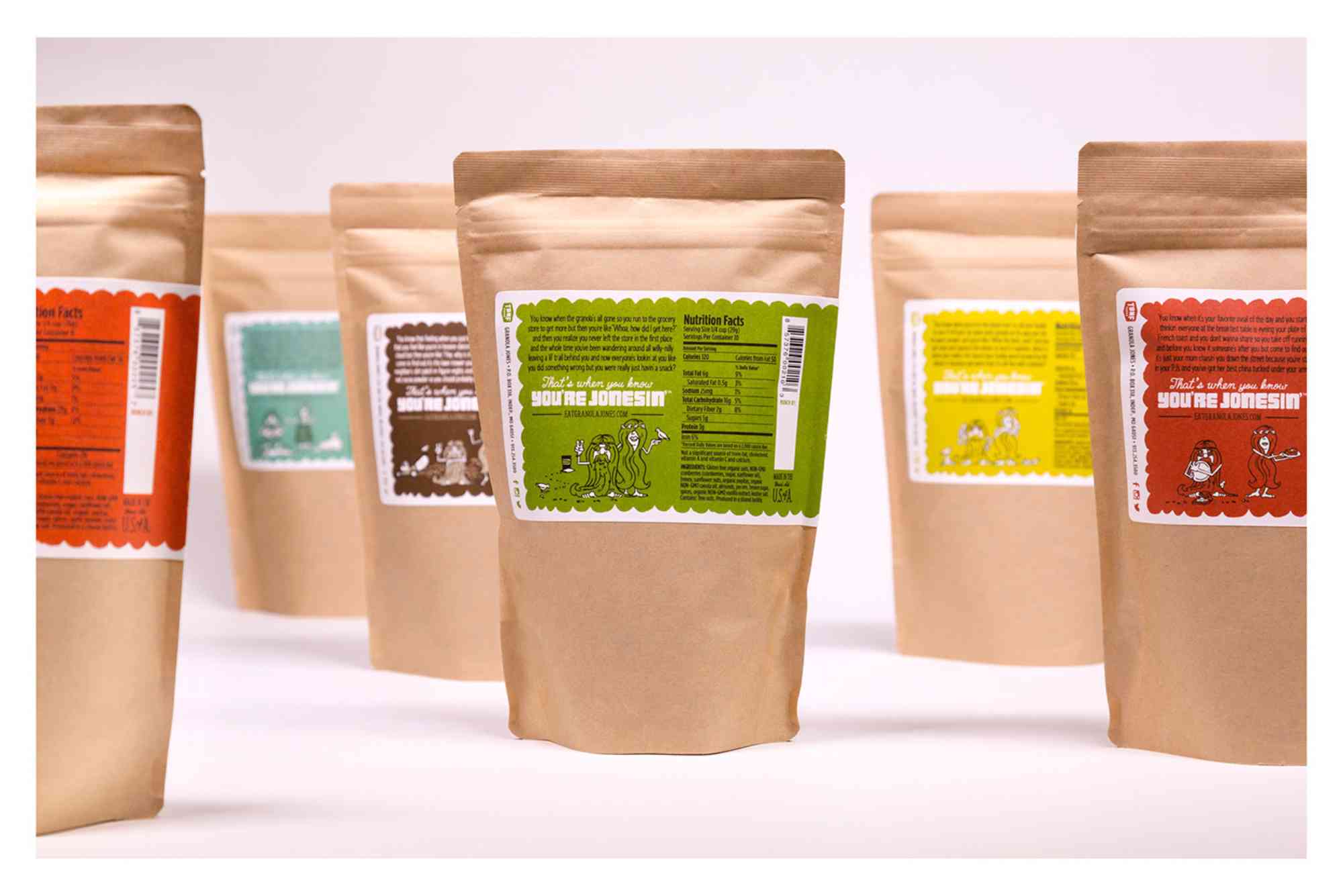
The Back Of Packaging Design is one of the most overlooked yet powerful elements in product marketing. While the front of packaging focuses on attracting attention, the back is where customers make informed decisions. It provides essential information, builds trust, and often determines whether a customer completes a purchase or puts the product back on the shelf.
In today’s competitive retail and eCommerce environment, brands cannot afford to ignore the importance of the Back Of Packaging Design. Consumers expect transparency, clarity, and storytelling all in one place. A well-structured back panel transforms packaging from a simple container into a persuasive communication tool that strengthens brand identity and increases conversions.
This guide explores how effective Back Of Packaging Design works, why it matters, and how businesses can use it to improve sales, trust, and long-term customer loyalty.
The Strategic Importance of Back Of Packaging Design in Branding
The Back Of Packaging Design plays a strategic role in shaping how customers perceive a product. It is no longer just a space for ingredients or instructions. Instead, it has become a storytelling platform that connects brands with their audience on a deeper level.
Customers often turn a product around to verify details before purchasing. This behaviour makes the back of packaging a critical decision-making point. Whether it is a health supplement, skincare product, or lifestyle item, the clarity of the back design directly impacts consumer confidence.
In communities where active lifestyles matter, such as fitness-focused environments like orange theory mountain view, packaging clarity becomes even more important. Consumers in these spaces value performance, transparency, and trust, making the Back Of Packaging Design a key influence in their buying journey.

How Back Of Packaging Design Influences Customer Decisions
The Back Of Packaging Design has a direct psychological impact on how customers evaluate a product. When shoppers pick up an item, they subconsciously seek reassurance. The back panel provides that reassurance through facts, benefits, and instructions.
A clear and structured design reduces confusion and builds confidence. When information is easy to read and logically arranged, customers are more likely to trust the product. On the other hand, cluttered or poorly designed packaging creates doubt and reduces conversion rates.
This is why successful brands invest heavily in refining their Back Of Packaging Design. It acts as a silent salesperson, addressing objections and answering questions before they are even asked.
Key Elements of Effective Back Of Packaging Design
Clear and Structured Product Information
One of the most important aspects of Back Of Packaging Design is clarity. Customers should be able to quickly understand what the product is, how it works, and how to use it.
This includes product descriptions, usage instructions, storage guidelines, and safety information. A structured layout ensures that the reader can scan information easily without feeling overwhelmed.
Brand Storytelling and Emotional Connection
Beyond technical details, storytelling adds emotional value to packaging. Many modern brands use the back of packaging to share their journey, mission, or values.
This emotional connection helps humanise the brand and makes the product more memorable. It transforms the Back Of Packaging Design into more than just information—it becomes part of the brand experience.
Typography and Visual Hierarchy
Typography plays a major role in readability. The Back Of Packaging Design should guide the reader’s eye naturally through headings, subheadings, and body text.
A strong visual hierarchy ensures that the most important information stands out first. Consistent font choices and spacing also improve professionalism and trust.
Compliance and Legal Importance of Back Of Packaging Design
Every industry has legal requirements that must be included on packaging. The Back Of Packaging Design is where most of this mandatory information is placed.
This includes ingredients, allergens, warnings, certifications, and manufacturer details. These elements are essential not only for compliance but also for consumer safety.
However, successful packaging design balances legal requirements with visual appeal. Overloading the back panel with text can make it difficult to read, so designers must carefully organise content without compromising aesthetics.
The Role of Sustainability in Back Of Packaging Design
Sustainability has become a major factor in purchasing decisions. Customers are increasingly drawn to brands that demonstrate environmental responsibility.
The Back Of Packaging Design is the perfect place to communicate eco-friendly practices such as recyclable materials, reduced plastic usage, or ethical sourcing.
When this messaging is honest and transparent, it builds strong brand credibility. However, vague claims can damage trust, so accuracy is essential in all sustainability communication.
Design Principles That Improve Back Of Packaging Design
Effective Use of White Space
White space improves readability and reduces visual clutter. In Back Of Packaging Design, it helps separate sections and makes content easier to digest.
A clean layout allows customers to focus on key information without distraction, improving overall user experience.
Colours Psychology in Packaging
Colours influence how customers feel about a product. For example, green often represents health and nature, while black suggests luxury and premium quality.
Choosing the right colours palette ensures that the Back Of Packaging Design aligns with the brand’s identity and emotional message.
Integration of Digital Elements
Modern packaging often includes QR codes that connect customers to websites, videos, or promotions. This transforms the Back Of Packaging Design into an interactive experience.
It bridges the gap between physical packaging and digital engagement, creating added value for customers.
Common Mistakes in Back Of Packaging Design
Many brands make the mistake of overcrowding the back panel with too much information. This reduces readability and weakens the overall message.
Another common issue is inconsistent branding between the front and back design. When visual identity is not aligned, it creates confusion and reduces trust.
Poor typography, lack of spacing, and weak visual hierarchy are also frequent problems that negatively affect the effectiveness of Back Of Packaging Design.
Industry Applications of Back Of Packaging Design
Different industries use the Back Of Packaging Design in unique ways depending on their audience and product type.
In food packaging, it focuses on ingredients and nutritional information. In cosmetics, it highlights usage instructions and safety details. In wellness and fitness-related products, it emphasises benefits, performance, and trust-building messaging.
Brands inspired by active lifestyle communities, including those seen in environments like orange theory mountain view, often rely heavily on clear and motivational packaging content to connect with health-conscious consumers.
Professional Packaging Support and Industry Insights
Professional design services play a key role in improving packaging performance. Experts understand how to balance branding, compliance, and marketing within limited space.
Businesses looking to enhance their packaging can explore solutions such as Custom Packaging through trusted providers like , which help create tailored designs that reflect brand identity.
Industry knowledge is also valuable when refining packaging strategies. Platforms like provide valuable print & finishing insights that help brands stay updated with modern packaging trends.
For location-based packaging services, businesses can explore to find reliable support for packaging development and consultation.
Future Trends in Back Of Packaging Design
The future of Back Of Packaging Design is moving towards interactivity, minimalism, and sustainability. Smart packaging technologies, augmented reality features, and data-driven personalisation are becoming more common.
Brands are also shifting towards cleaner designs with more focus on clarity and user experience. Sustainability will continue to play a major role, influencing both materials and messaging strategies.
Companies that adapt early to these changes will have a stronger competitive advantage in both retail and online markets.
Why Back Of Packaging Design Drives Business Success
The Back Of Packaging Design is far more than just a technical requirement. It is a powerful communication tool that builds trust, enhances branding, and increases sales.
From storytelling and compliance to visual hierarchy and sustainability, every element plays a role in shaping customer perception. A well-designed back panel can turn a simple product into a compelling brand experience.
If you want to strengthen your brand presence and improve customer conversion, investing in professional Buddy Packaging Location is essential.
FAQs on Back Of Packaging Design
What is Back Of Packaging Design used for?
It is used to provide essential product information, instructions, and brand messaging that help customers make informed decisions.
Why is Back Of Packaging Design important for sales?
It builds trust and removes doubts by clearly explaining product benefits, usage, and safety information.
What should be included in Back Of Packaging Design?
It should include product details, instructions, legal information, branding elements, and sometimes sustainability messaging.
How does packaging design affect customer trust?
Clear and transparent packaging increases confidence, while cluttered or confusing design can reduce trust.
Can Back Of Packaging Design improve branding?
Yes, it strengthens brand identity by combining storytelling, design consistency, and informative content in one space.
