Album Packaging Design
Introduction
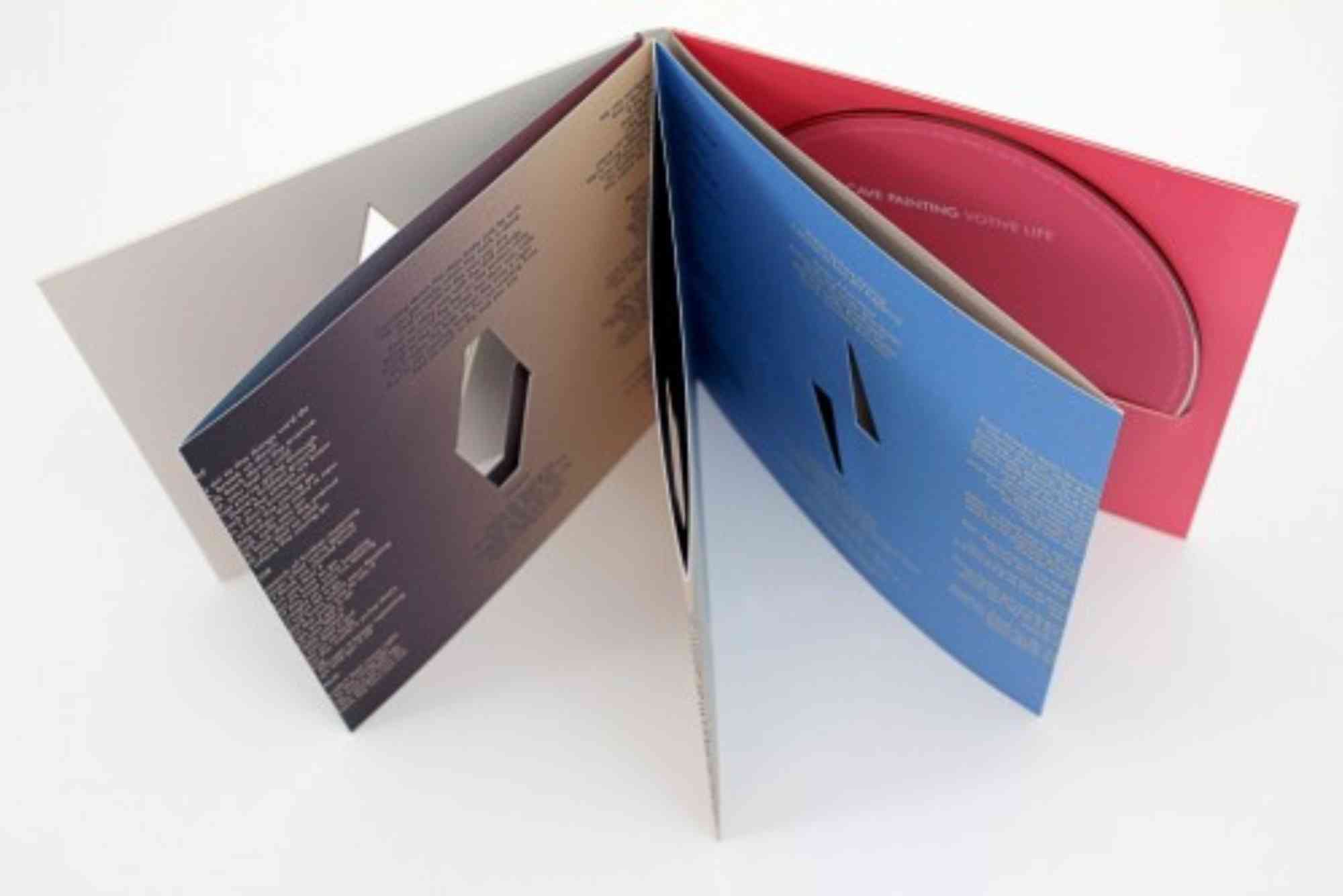
Album packaging design is far more than a protective shell for music. It is a powerful storytelling tool that connects artists with their audience on a deeper level. In an era dominated by digital streaming, physical albums still hold emotional and collectible value, largely due to thoughtful and creative album packaging design. From vinyl sleeves to deluxe CD boxes, the visual and tactile experience can influence how listeners perceive the music inside.
When executed correctly, album packaging design becomes an extension of the artist’s identity. It reflects the tone, genre, and message of the album while offering fans something tangible to hold onto. Whether you are an independent musician or a design enthusiast, understanding the principles behind effective album packaging design can help you stand out in a competitive market.
The Importance of Album Packaging Design in Modern Music
Album packaging design continues to play a crucial role despite the dominance of streaming platforms. It bridges the gap between digital convenience and physical experience. While listeners may discover music online, they often seek physical copies as memorabilia.
Moreover, album packaging design contributes significantly to branding. A well-designed package communicates professionalism and artistic vision. It helps establish credibility, particularly for emerging artists trying to build recognition. In addition, physical packaging often becomes part of merchandise strategies, increasing revenue streams.
Another important factor is emotional engagement. Fans often associate visual elements with specific songs or memories. Therefore, album packaging design has the ability to create lasting impressions that go beyond audio.
Elements That Define Exceptional Album Packaging Design
Visual Identity and Concept Development
A successful album packaging design begins with a strong concept. This concept should align with the music’s theme and the artist’s personality. For example, a minimalist design may suit acoustic or indie music, while bold graphics may reflect electronic or pop genres.

Designers must consider colours psychology, typography, and imagery. Each element should work cohesively to tell a story. Consistency across the packaging ensures a unified brand identity.
Material Selection and Finishing Techniques
The choice of materials can dramatically impact how an album is perceived. High-quality paper, embossing, foil stamping, and matte finishes add a premium feel. These tactile elements enhance the overall user experience.
In many cases, artists collaborate with experts in Custom Packaging to achieve unique and durable designs. Custom solutions allow for creativity while maintaining functionality.
Typography and Layout
Typography plays a vital role in album packaging design. Fonts must be readable yet expressive. The layout should guide the viewer’s eye naturally across the design. Balanced spacing and hierarchy ensure clarity without overwhelming the audience.
Good typography also reinforces the album’s tone. For instance, handwritten fonts may evoke intimacy, while bold sans-serif fonts convey modernity.
The Role of Storytelling in Album Packaging Design
Storytelling is at the heart of impactful album packaging design. Every visual element should contribute to a narrative that complements the music. This storytelling approach transforms packaging into an immersive experience.
Artists often include lyrics, personal notes, or artwork that provide insight into their creative process. These additions deepen the connection between the artist and the listener.
Furthermore, storytelling enhances memorability. When fans associate a strong narrative with an album, they are more likely to revisit it and recommend it to others.
Trends Shaping Album Packaging Design Today
Album packaging design continues to evolve alongside cultural and technological changes. One prominent trend is sustainability. Many artists now opt for eco-friendly materials to reduce environmental impact. This shift resonates with environmentally conscious consumers.
Another trend is interactive packaging. Augmented reality features, QR codes, and hidden artwork encourage audience engagement. These innovations blend physical and digital experiences seamlessly.
Retro aesthetics have also made a comeback. Vinyl-inspired designs and nostalgic visuals appeal to both older audiences and younger generations seeking authenticity.
For those seeking fresh ideas, exploring platforms like packaging design inspiration can provide valuable insights into current trends and creative possibilities.
How Album Packaging Design Influences Buying Decisions
Consumers often judge an album by its cover. This makes album packaging design a critical factor in purchasing decisions. A visually appealing package can attract attention in retail environments or online stores.
Additionally, limited edition packaging creates a sense of exclusivity. Fans are more likely to purchase albums that offer unique designs or collectible features. This strategy not only boosts sales but also strengthens brand loyalty.
Album packaging design also affects perceived value. Premium packaging can justify higher pricing, especially for special editions.
Designing Album Packaging for Different Formats
Different formats require different design approaches. Vinyl records offer larger surfaces, allowing for detailed artwork and creative layouts. Designers can experiment with gatefold sleeves and inserts to enhance the experience.
CD packaging, although smaller, still provides opportunities for creativity. Digipaks and jewel cases can be customized with unique visuals and textures.
Cassette tapes, though less common, have seen a resurgence. Their compact size challenges designers to create impactful visuals within limited space.
Each format demands careful consideration to ensure the album packaging design remains effective and engaging.
Collaboration Between Artists and Designers
Successful album packaging design often results from close collaboration between artists and designers. Artists bring their vision and emotional connection to the music, while designers translate that vision into visual form.
Clear communication is essential throughout the process. Mood boards, sketches, and prototypes help align expectations and refine ideas.
Working with experienced professionals, such as those found through Buddy Packaging Location, can streamline production and ensure high-quality results.
Balancing Creativity and Practicality
While creativity is crucial, practicality should not be overlooked. Album packaging design must protect the product and remain easy to handle. Overly complex designs may compromise usability.
Cost considerations also play a role. Designers must find a balance between artistic ambition and budget constraints. Efficient design solutions can achieve both aesthetic appeal and affordability.
The Future of Album Packaging Design
The future of album packaging design lies in innovation and adaptability. As technology advances, new possibilities emerge. Smart packaging, digital integration, and personalised designs are likely to shape the next generation of album packaging.
However, the core principle remains unchanged: creating meaningful connections between artists and audiences. Regardless of format or technology, album packaging design will continue to be a vital component of music culture.
Album packaging design is an essential aspect of the music industry that goes beyond aesthetics. It enhances branding, influences purchasing decisions, and creates emotional connections with fans. By combining creativity, storytelling, and functionality, artists can elevate their work and leave a lasting impression.
FAQ Section
What is album packaging design?
Album packaging design refers to the visual and structural design of music album covers and containers. It includes artwork, typography, materials, and overall presentation.
Why is album packaging design important?
Album packaging design enhances branding, attracts buyers, and creates a memorable experience for listeners. It also adds value to physical music products.
What materials are used in album packaging design?
Common materials include cardboard, paperboard, plastic, and eco-friendly alternatives. Finishing techniques like embossing and foil stamping are also used.
How can I make my album packaging stand out?
Focus on storytelling, use high-quality materials, and ensure your design aligns with your music’s theme. Unique and interactive elements can also enhance appeal.
Is album packaging design still relevant in the digital age?
Yes, album packaging design remains relevant as it provides a tangible experience and strengthens artist branding, even in a digital-first world.
