Aesthetic Packaging Design
Introduction
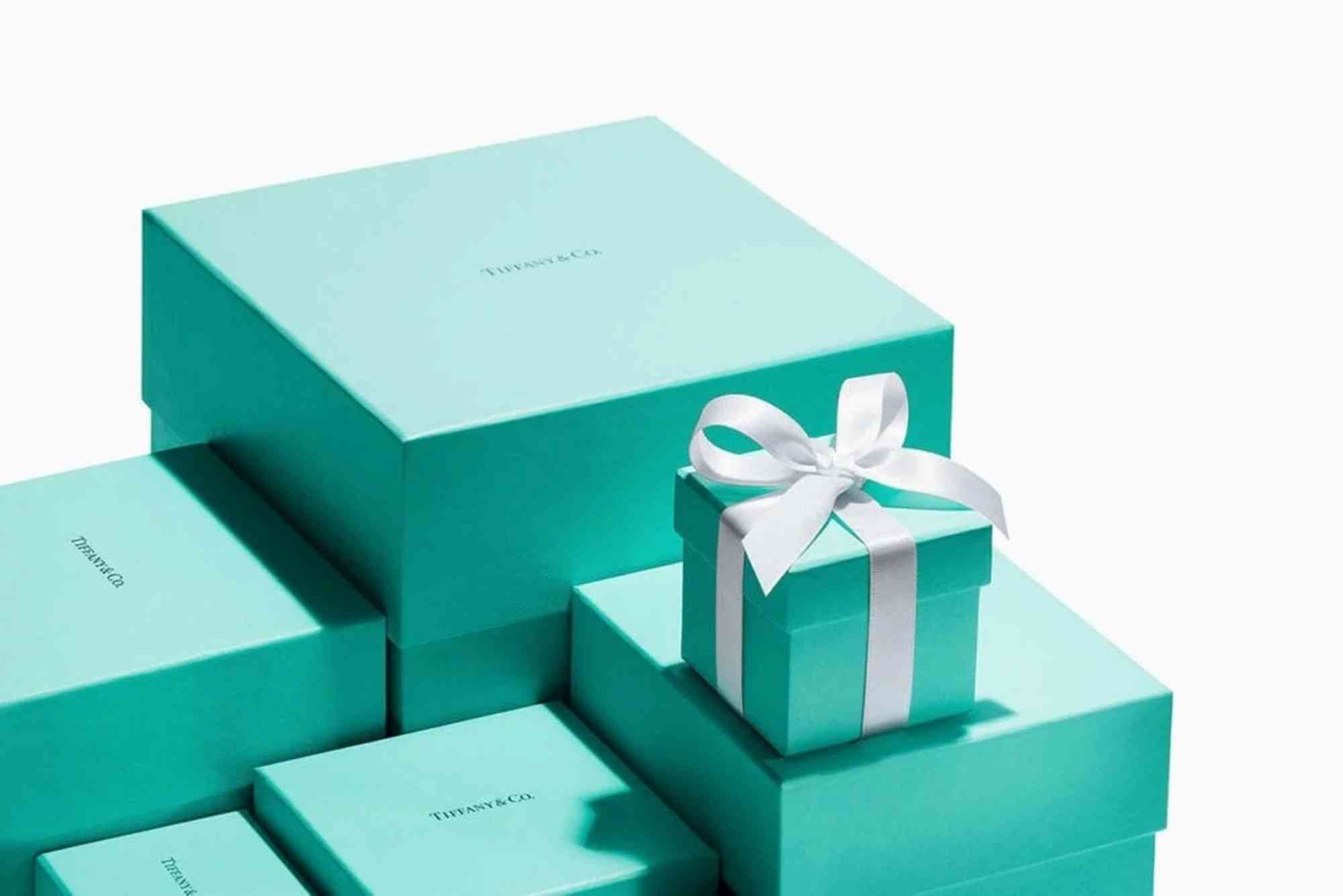
Aesthetic packaging design plays a powerful role in shaping how customers perceive a product. In today’s competitive market, visual appeal can influence buying decisions within seconds. Businesses that invest in aesthetic packaging design not only stand out on shelves but also build stronger emotional connections with their audience. From colour harmony to typography, every design element contributes to a memorable unboxing experience that customers are eager to share.
Packaging is no longer just a protective layer. Instead, it acts as a silent brand ambassador. Whether you are launching a new product or rebranding an existing one, focusing on aesthetic packaging design can dramatically improve your brand image and customer loyalty.
Why Aesthetic Packaging Design Matters
Aesthetic packaging design is essential because it directly impacts customer perception. When a product looks visually appealing, it naturally attracts attention and builds trust. Consumers often associate high-quality packaging with high-quality products. Therefore, investing in thoughtful design is a smart business move.
Moreover, packaging creates the first physical interaction between your brand and your customer. This moment shapes their expectations and influences whether they will make a repeat purchase. A well-designed package communicates professionalism, creativity, and attention to detail. In addition, aesthetic packaging design supports brand recognition. Consistent use of colours, fonts, and design elements helps customers identify your brand instantly. Over time, this consistency strengthens brand identity and builds loyalty.
Key Elements of Aesthetic Packaging Design
Colour Psychology and Visual Appeal
Colour plays a crucial role in aesthetic packaging design. Different colours evoke different emotions and reactions. For example, soft pastels create a calming effect, while bold colours generate excitement and energy. Choosing the right colour palette ensures your packaging resonates with your target audience.
It is important to maintain balance and harmony in your design. Too many colours can overwhelm the viewer, while a well-coordinated palette enhances visual appeal. Always align your colour choices with your brand personality.

Typography That Speaks Clearly
Typography is another essential element of aesthetic packaging design. The font style you choose should reflect your brand’s tone and message. Elegant serif fonts convey luxury, while clean sans-serif fonts suggest modernity.
Readability is equally important. Customers should easily understand product information at a glance. Avoid overly complex fonts that may confuse or frustrate the reader.
Material and Texture Selection
The choice of materials significantly affects the overall aesthetic. High-quality materials add a premium feel to the packaging. Matte finishes, embossed surfaces, and textured papers can enhance the sensory experience.
Sustainable materials are also gaining popularity. Eco-friendly packaging not only looks good but also appeals to environmentally conscious consumers. This approach strengthens your brand’s reputation and aligns with modern values.
Minimalism and Simplicity
Minimalist design has become a dominant trend in aesthetic packaging design. Clean layouts, ample white space, and simple graphics create a sophisticated look. This approach allows the product to take centre stage while maintaining a refined appearance.
Simplicity also improves user experience. Customers can quickly understand the product without being distracted by unnecessary elements.
Trends in Aesthetic Packaging Design
Modern consumers expect more than just attractive packaging. They look for creativity, innovation, and authenticity. Keeping up with trends helps your brand stay relevant and competitive. One major trend is personalised packaging. Brands are creating customised experiences tailored to individual customers. This approach enhances emotional connection and encourages repeat purchases.
Sustainability continues to dominate the industry. Many brands are adopting recyclable and biodegradable materials. This not only reduces environmental impact but also appeals to conscious buyers. Additionally, bold typography and artistic illustrations are gaining popularity. These elements add character and uniqueness to packaging, helping brands stand out in crowded markets.
How to Create Effective Aesthetic Packaging Design
Understand Your Target Audience
Before designing your packaging, it is crucial to understand your audience. Consider their preferences, lifestyle, and expectations. A design that appeals to one group may not resonate with another.
For example, luxury consumers may prefer elegant and minimal designs, while younger audiences might enjoy vibrant and playful visuals. Tailoring your packaging to your audience increases its effectiveness.
Focus on Brand Storytelling
Aesthetic packaging design should tell a story. Use visuals, colours, and text to communicate your brand’s values and mission. Storytelling creates a deeper connection with customers and makes your brand more memorable.
Including meaningful details, such as origin stories or product inspiration, adds authenticity. Customers appreciate brands that share their journey and purpose.
Ensure Functionality and Practicality
While aesthetics are important, functionality should not be overlooked. Packaging must protect the product and be easy to use. A beautiful design loses its value if it is inconvenient or impractical.
Consider factors such as durability, ease of opening, and storage. Combining functionality with aesthetics creates a complete and satisfying customer experience.
Test and Refine Your Design
Design is an evolving process. Testing different concepts helps you identify what works best. Gather feedback from customers and make necessary improvements.
Small adjustments can significantly enhance the overall design. Continuous refinement ensures your packaging remains effective and relevant.
The Role of Customisation in Packaging
Customisation is a powerful tool in aesthetic packaging design. It allows brands to create unique and personalised experiences. Tailored packaging makes customers feel valued and appreciated.
Using Custom Packaging solutions enables businesses to design packaging that perfectly fits their products and brand identity. Customisation also provides flexibility in choosing materials, sizes, and finishes. Furthermore, personalised packaging can increase customer engagement. Adding names, messages, or special designs creates a memorable experience that customers are likely to share.
Finding Inspiration for Packaging Design
Creativity often begins with inspiration. Exploring different styles and ideas helps you develop unique concepts. Looking at industry examples can spark new ideas and improve your design approach.
Platforms like packaging design inspiration showcase innovative and creative packaging from around the world. These resources provide valuable insights into current trends and design techniques. However, it is important to avoid copying. Use inspiration as a starting point and create something original that reflects your brand identity.
Enhancing Brand Presence with Location-Based Identity
Incorporating location elements into your packaging can add authenticity. Highlighting your brand’s origin or local presence builds trust and credibility.
For example, referencing your business location through Buddy Packaging Location can strengthen your connection with local customers. It also reinforces transparency and reliability. Location-based branding is especially effective for small businesses and local brands. It creates a sense of community and belonging.
Common Mistakes to Avoid in Aesthetic Packaging Design
Many brands make the mistake of overcomplicating their packaging. Too many elements can make the design look cluttered and confusing. Simplicity often delivers better results. Another common error is ignoring brand consistency. Inconsistent design elements weaken brand identity and confuse customers. Always maintain a cohesive visual style.
Poor material choices can also affect the overall impression. Low-quality packaging may damage your brand image, even if the product is excellent. Lastly, neglecting user experience can lead to dissatisfaction. Packaging should be easy to handle and open. A frustrating experience can discourage repeat purchases.
Future of Aesthetic Packaging Design
The future of aesthetic packaging design is driven by innovation and sustainability. Technology will continue to enhance design possibilities, offering more interactive and personalised experiences. Eco-friendly solutions will become the standard rather than an option. Brands that prioritise sustainability will gain a competitive advantage.Additionally, digital integration will play a larger role. Smart packaging features will provide real-time information and improve customer engagement.
Conclusion
Aesthetic packaging design is a vital component of modern branding. It influences customer perception, enhances product appeal, and strengthens brand identity. By focusing on key elements such as colour, typography, and materials, businesses can create visually appealing and functional packaging. Moreover, embracing trends like customisation, sustainability, and interactivity helps brands stay relevant. Avoiding common mistakes and continuously refining your design ensures lasting success.
Effective branding starts with thoughtful presentation, and beauty product packaging design plays a key role in attracting customers and building trust. From elegant finishes to sustainable materials, smart packaging choices enhance product value. Explore more ideas through this detailed guide: and improve your custom packaging solutions strategy.
FAQs
What is aesthetic packaging design?
Aesthetic packaging design refers to visually appealing packaging that enhances a product’s look and creates a positive customer experience.
Why is aesthetic packaging important for branding?
It helps build brand identity, attract customers, and create memorable first impressions that influence purchasing decisions.
How can I make my packaging more attractive?
Use a balanced colour palette, clear typography, high-quality materials, and simple design elements to improve visual appeal.
What are the latest trends in packaging design?
Popular trends include sustainable materials, minimalist designs, personalised packaging, and interactive features.
Does packaging affect customer buying behaviour?
Yes, attractive packaging can significantly influence buying decisions and increase the likelihood of repeat purchases.
