3d printing design ideas
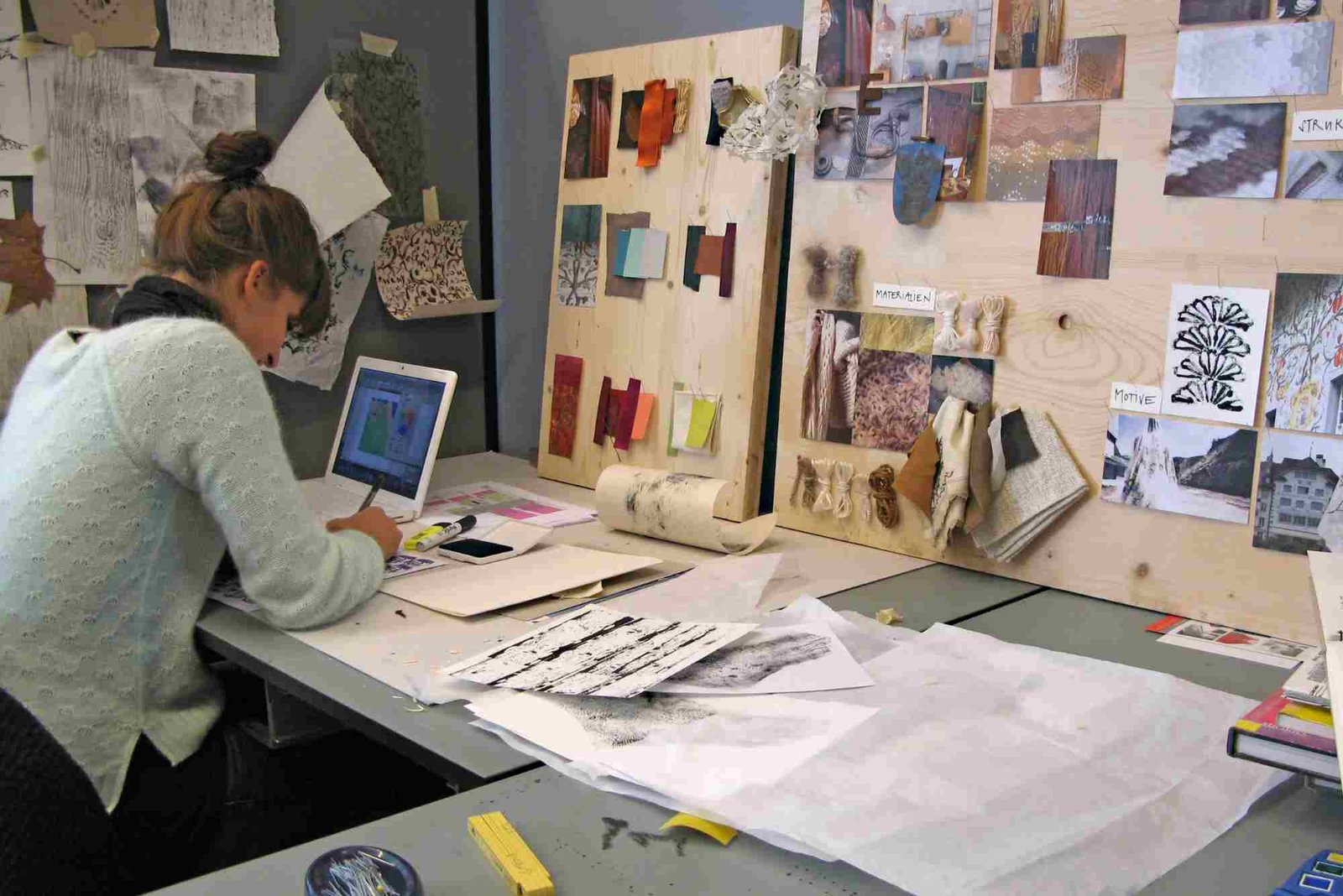
3D Printing Design Ideas
3D printing has transformed the way people create products, prototypes, and personalised items. Whether you are a hobbyist, entrepreneur, or designer, exploring fresh 3d printing design ideas can unlock endless creative opportunities. Modern printers make it easier than ever to turn digital concepts into functional and decorative objects with remarkable precision.
From customised home décor to practical everyday tools, the possibilities continue to expand. The best designs combine creativity with purpose, offering solutions that are both attractive and useful. As materials improve and software becomes more accessible, anyone can experiment with innovative projects regardless of experience level.
This guide explores the most inspiring 3d printing design ideas, explains current design trends, and shares professional advice for creating models that stand out while remaining practical for real-world use.
Why 3D Printing Design Matters
A successful 3D print begins long before the printer starts working. Great design determines durability, appearance, and functionality. Poorly planned models often waste material and require excessive support structures, while well-designed objects print faster and perform better.
Design also allows complete personalisation. Instead of purchasing standard products, creators can tailor dimensions, colours, textures, and features to individual needs. This flexibility has made 3D printing popular across industries including architecture, healthcare, education, and product development.
As businesses seek distinctive branding, many also combine printed products with Custom Packaging to create memorable customer experiences. The presentation becomes just as important as the product itself.

Home Décor 3D Printing Design Ideas
Home decoration remains one of the fastest-growing categories in 3D printing. Designers can create elegant pieces that complement modern interiors without the high cost of handcrafted alternatives.
Minimalist vases with geometric patterns continue to dominate contemporary décor. These designs use lightweight lattice structures that reduce material while maintaining visual appeal. Decorative wall art also benefits from layered printing techniques, creating depth and texture that traditional manufacturing struggles to achieve.
Lighting accessories represent another exciting opportunity. Custom lampshades can manipulate light through intricate perforated patterns, producing beautiful shadows across a room. Because each design is digital, homeowners can match lighting perfectly to their interior style.
Furniture accessories have also become increasingly popular. Drawer handles, cable organisers, shelf brackets, and plant holders demonstrate how functional objects can become decorative features through thoughtful design.
Functional Everyday Products
The strongest 3d printing design ideas solve real problems. Practical products often gain more value than purely decorative items because users interact with them daily.
Kitchen organisation offers countless design opportunities. Spice rack inserts, measuring scoops, utensil holders, and drawer dividers can all be customised to fit specific spaces. Unlike mass-produced organisers, printed solutions maximise every centimetre of available storage.
Office accessories have become equally valuable. Monitor stands, headphone hooks, pen holders, and desktop cable clips help create cleaner workspaces while reflecting personal style. Designers frequently incorporate modular systems that allow users to expand their setup over time.
Travel accessories also showcase the versatility of 3D printing. Passport holders, luggage tags, compact phone stands, and charging cable organisers are lightweight yet durable enough for frequent use.
Personalised Gifts and Keepsakes
Nothing feels more meaningful than a gift created specifically for someone. Personalisation remains one of the greatest strengths of 3D printing.
Names, initials, important dates, and meaningful symbols can easily be integrated into jewellery, keyrings, photo frames, and decorative ornaments. These thoughtful details transform simple objects into memorable keepsakes.
Pet owners increasingly commission personalised accessories including engraved collar tags, feeding station labels, and decorative figurines modelled after their animals. Families also preserve memories through customised Christmas ornaments or anniversary gifts featuring meaningful coordinates and dates.
The emotional value of personalised designs often exceeds their production cost, making them popular choices for small businesses and independent creators.
Educational and STEM Projects
Education has embraced 3d printing design ideas because physical models improve understanding of complex concepts. Students learn more effectively when abstract ideas become tangible objects.
Science classrooms frequently print molecular structures, anatomy models, and geological formations. Mathematics becomes more engaging through geometric solids and interactive puzzles that demonstrate spatial relationships.
Engineering students use rapid prototyping to test mechanisms before manufacturing final products. Even simple classroom projects encourage problem-solving, creativity, and iterative design thinking.
Schools also benefit financially because reusable educational models reduce reliance on expensive teaching equipment over time.
Small Business Product Opportunities
Many entrepreneurs launch successful businesses using desktop 3D printers. The ability to manufacture products on demand reduces inventory costs while enabling constant design improvements.
Popular product categories include personalised stationery, gaming accessories, home organisation tools, and seasonal decorations. Because production is digital, businesses can respond quickly to customer feedback without expensive tooling changes.
Quality remains essential for commercial success. Professional finishing techniques, careful material selection, and consistent branding help distinguish premium products from hobbyist creations. Many makers also share print & finishing insights to educate customers about craftsmanship and production quality.
Popular 3D Printing Materials
Choosing the right material influences both appearance and durability. Different projects require different performance characteristics.
|
Material |
Best Use |
Key Benefit |
|---|---|---|
|
PLA |
Decorative items |
Easy to print and eco-friendly |
|
PETG |
Functional products |
Strong and moisture resistant |
|
ABS |
Mechanical parts |
Heat resistant and durable |
|
TPU |
Flexible accessories |
Soft and impact resistant |
|
Resin |
Miniatures and jewellery |
Exceptional surface detail |
Selecting materials early in the design process prevents structural problems and ensures the finished product meets its intended purpose.
Design Trends Shaping 3D Printing
Design trends evolve rapidly as software and hardware improve. Organic geometry has become particularly influential, replacing rigid shapes with flowing curves inspired by nature.
Parametric design allows creators to generate complex patterns through mathematical relationships. Instead of drawing every detail manually, designers adjust variables that automatically reshape the entire model. This approach produces visually striking results while maintaining structural consistency.
Sustainability also influences modern design. Lightweight lattice interiors reduce material consumption without sacrificing strength. Designers increasingly optimise wall thickness and infill patterns to minimise waste while improving efficiency.
Another growing trend involves modular products. Rather than printing one large object, creators design interchangeable components that users can customise or replace individually. This extends product lifespan and reduces unnecessary reprinting.
Designing for Successful Prints
Beautiful concepts only succeed when they print reliably. Professional designers consider manufacturing limitations throughout the creative process.
Wall thickness should remain consistent to avoid weak points. Smooth transitions between surfaces reduce stress concentration and improve durability. Overhangs require careful planning because excessive angles often need support structures that increase printing time.
Tolerance also deserves attention. Moving parts need sufficient clearance to function after printing, particularly when using FDM technology. Testing small prototypes before producing final versions saves both material and time.
Experienced designers rarely expect perfection on the first attempt. Iteration remains a fundamental part of successful product development, allowing gradual improvements based on real-world testing.
How Businesses Use 3D Printing Creatively
Beyond consumer products, companies increasingly rely on 3D printing for innovation. Architects create presentation models that communicate complex building concepts to clients more effectively than digital renders alone.
Healthcare professionals produce patient-specific anatomical models that improve surgical planning and medical education. Manufacturers develop functional prototypes within days instead of weeks, accelerating product development cycles.
Marketing teams also use customised promotional products to strengthen brand identity. Unique corporate gifts, exhibition displays, and event merchandise demonstrate creativity while remaining cost-effective for limited production runs.
Businesses seeking regional manufacturing partnerships often explore facilities near Buddy Packaging Location to streamline production and distribution workflows without compromising quality.
Future of 3D Printing Design
The future of 3d printing design ideas looks remarkably promising. Artificial intelligence already assists designers by generating optimised structures based on strength requirements and material constraints. These intelligent tools reduce development time while improving performance.
Multi-material printing will further expand creative possibilities. Products combining rigid and flexible components in a single print will eliminate assembly while enhancing functionality. Colour printing technologies will also reduce post-processing requirements for decorative objects.
As printers become faster and more affordable, personalised manufacturing may become a standard part of everyday consumer shopping. Instead of choosing from limited catalogues, customers will increasingly customise products before they are produced.
This shift represents more than technological progress. It signals a broader movement towards creativity, sustainability, and individual expression in modern manufacturing.
Frequently Asked Questions About 3D Printing Design Ideas
What are the best 3D printing design ideas for beginners?
Beginners should start with practical designs such as phone stands, cable organisers, plant pots, and personalised keychains. These projects print reliably while helping new users understand design principles and printer settings.
Which software is best for creating 3D printing designs?
Fusion 360, Tinkercad, Blender, and SolidWorks are among the most popular options. Tinkercad suits beginners, while Fusion 360 offers advanced tools for functional product development.
How can I make my 3D prints look more professional?
Professional results begin with thoughtful design, accurate printer calibration, and quality materials. Post-processing techniques such as sanding, priming, and painting further improve appearance and create a polished finish.
What products sell well from 3D printing?
Personalised gifts, home organisation accessories, gaming products, educational models, and decorative home décor consistently perform well because they combine creativity with everyday usefulness.
Are 3D printed products environmentally friendly?
Many projects use biodegradable PLA, and efficient designs reduce material waste. Sustainable production also benefits from local manufacturing, lightweight structures, and print-on-demand business models that minimise excess inventory.
Conclusion
The world of 3d printing design ideas continues to grow with every technological advancement. Whether your goal is creating beautiful home décor, launching a small business, or developing innovative prototypes, thoughtful design remains the foundation of every successful print. The strongest ideas balance creativity with functionality, resulting in products that people genuinely enjoy using.
As you begin your next project, focus on solving real problems while expressing your unique design style. Experiment with different materials, refine your models through testing, and never hesitate to improve each iteration. Start exploring new 3d printing design ideas today and transform your imagination into products that inspire, impress, and make a lasting impact.
Related Reading: 3D Printing Design Books — full guide
Related Reading: Film Roll & Printing Cylinder Lifting: The Advantages of Air Mandrel Manipulator Systems — full guide
Related Reading: Perfume Box Design Ideas — full guide
Related Reading: Digital Printing Logo Design — full guide
Related Reading: Stencil Printing Design — full guide
Related Reading: Home Printing Design
Shop the boxes from this guide
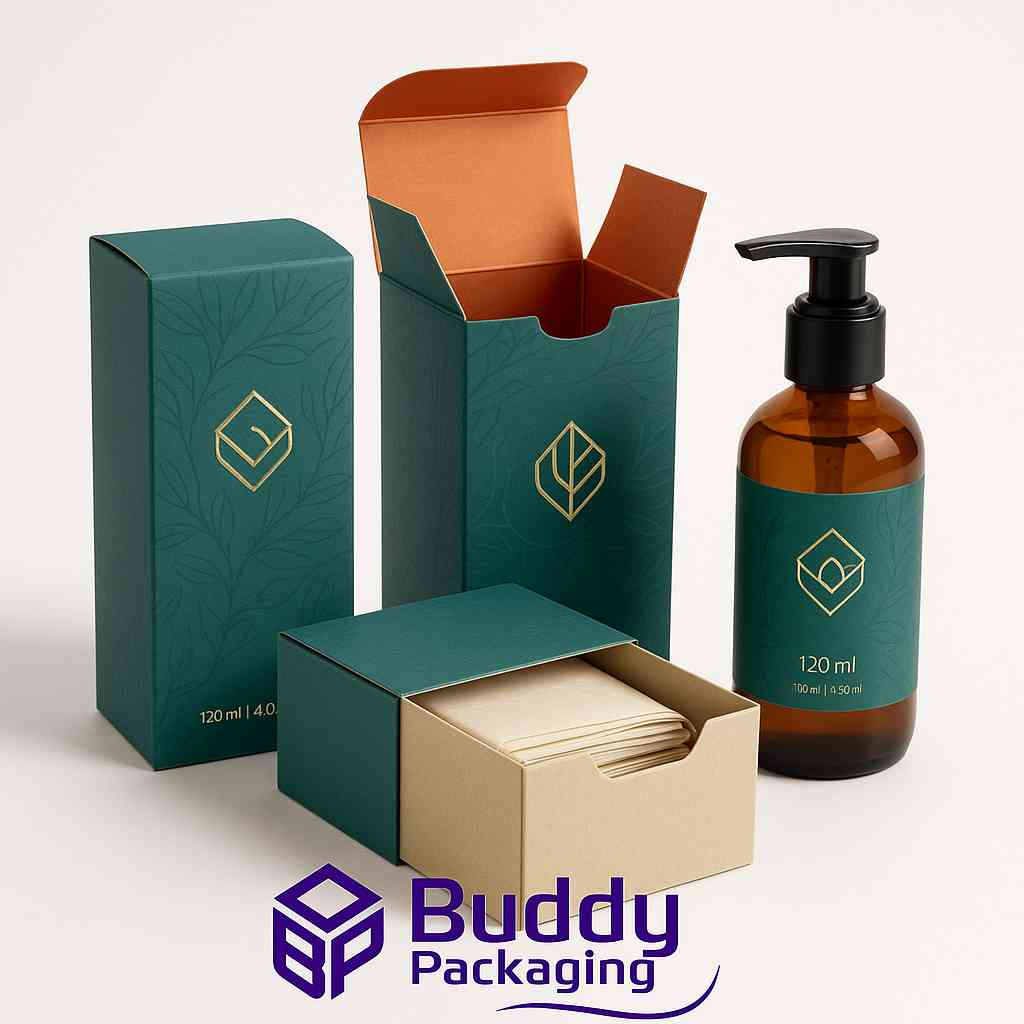
120ml Bottle Boxes
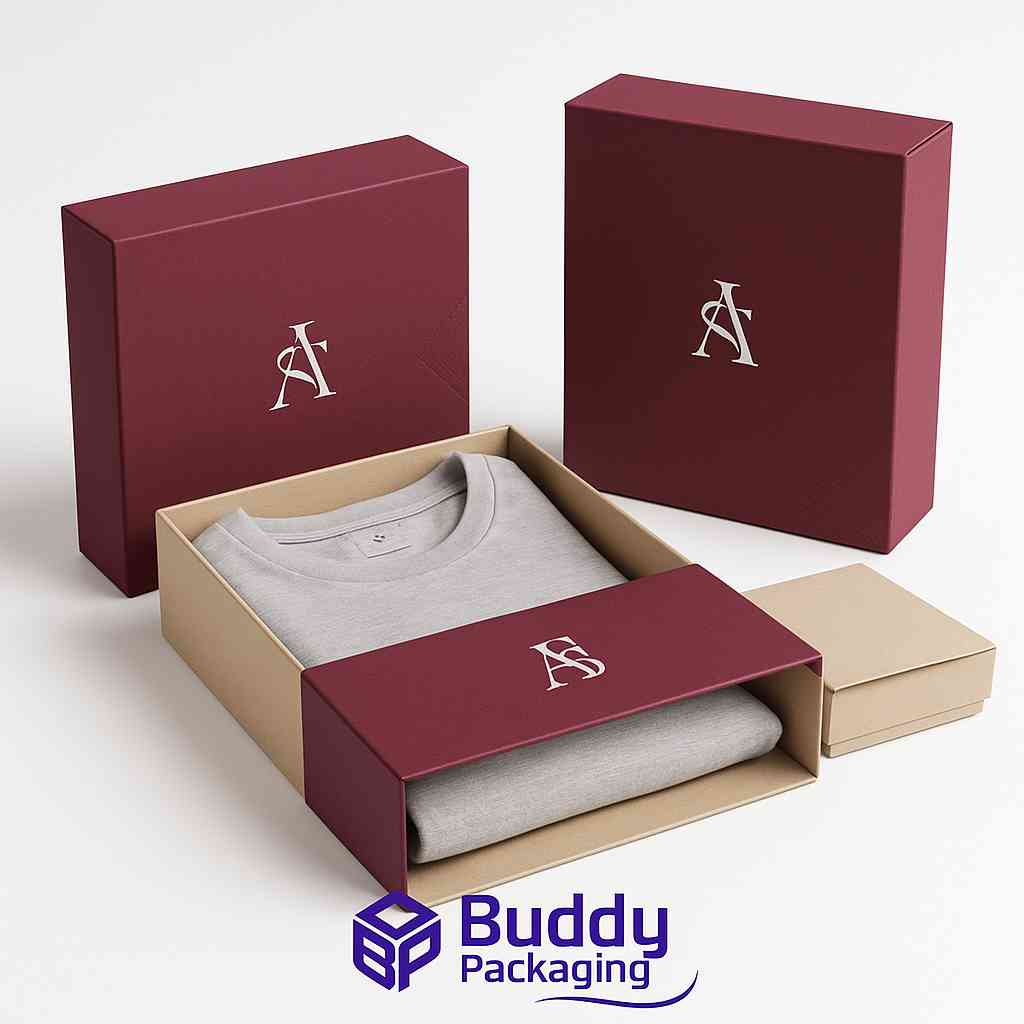
Apparel Sleeve Boxes
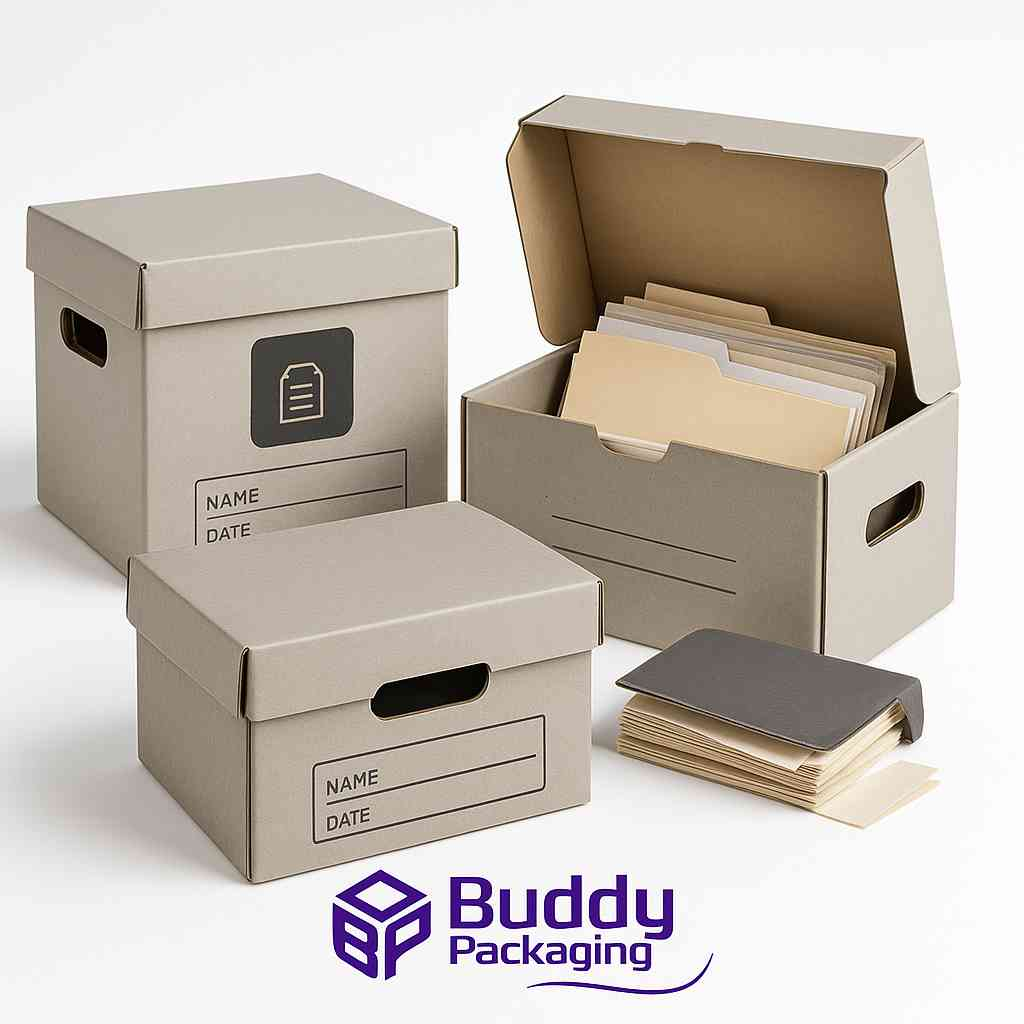
Archive Boxes

wafa
Packaging & Print SpecialistTechnical packaging specialist at Buddy Packaging UK, sharing insights on corrugated board packaging, custom dielines, and print production.
View all packaging articles by wafa →