Types Of Box Packaging Design
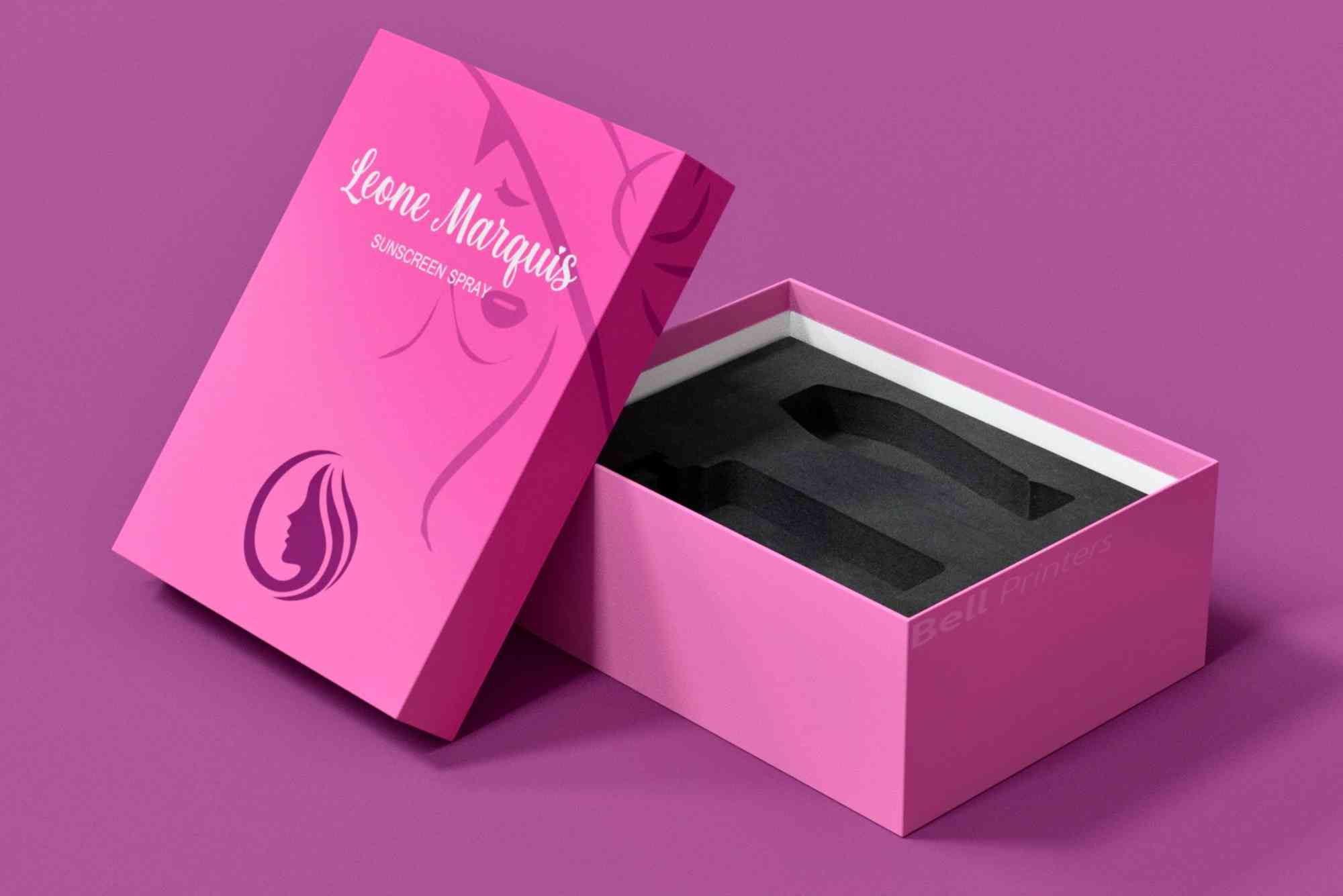
Types Of Box Packaging Design
Packaging plays a vital role in how customers perceive a product. In today’s competitive market, businesses need more than a quality product to stand out. The right packaging can influence buying decisions, strengthen brand identity, and improve customer experience. Understanding the different types of box packaging design can help businesses choose solutions that protect products while creating a memorable impression.
The world of packaging has evolved significantly over the years. Modern consumers expect attractive, functional, and sustainable packaging. As a result, brands invest heavily in innovative box designs that enhance product presentation and improve usability. Whether you are launching a new product or refreshing an existing brand, understanding the various types of box packaging design is essential.
Understanding the Importance of Box Packaging Design
Box packaging is much more than a protective container. It serves as a marketing tool, a brand ambassador, and often the first physical interaction a customer has with a product. Effective packaging communicates quality, professionalism, and trustworthiness.
The choice of packaging can directly affect customer satisfaction. A well-designed box protects products during shipping, improves shelf appeal, and creates a positive unboxing experience. Consequently, businesses across industries invest in creative packaging strategies to attract and retain customers.
When selecting packaging, companies should consider product size, weight, transportation requirements, branding objectives, and customer expectations. Different types of box packaging design address these needs in unique ways.
Folding Carton Packaging Design
Folding cartons are among the most widely used packaging solutions in retail industries. These lightweight boxes are typically manufactured from paperboard and can be folded flat for efficient storage and transportation.

Many industries rely on folding cartons because they offer flexibility in design and printing. Businesses can customise colours, graphics, finishes, and structural elements to reflect their brand identity. As a result, folding cartons remain a preferred choice for cosmetics, pharmaceuticals, food products, and consumer goods.
One of the key advantages of folding cartons is their affordability. They provide an excellent balance between cost-effectiveness and visual appeal, making them suitable for businesses of all sizes.
Rigid Box Packaging Design
Rigid boxes are often associated with luxury products and premium branding. Unlike folding cartons, rigid boxes maintain their shape because they are made from thick paperboard materials.
Luxury brands frequently choose rigid packaging for electronics, jewellery, watches, and high-end cosmetics. The sturdy structure enhances product protection while conveying exclusivity and quality.
Customers often perceive products packaged in rigid boxes as more valuable. This perception can influence purchasing decisions and strengthen brand loyalty. Furthermore, rigid boxes offer extensive customisation opportunities, allowing businesses to create sophisticated packaging experiences.
Corrugated Box Packaging Design
Corrugated boxes are known for their durability and strength. They consist of multiple layers of paperboard with a fluted inner layer that provides cushioning and protection.
E-commerce businesses rely heavily on corrugated packaging because it protects products during transportation. These boxes can withstand pressure, impacts, and environmental factors that might damage products during shipping.
The popularity of corrugated packaging continues to grow as online shopping expands globally. Additionally, corrugated materials are often recyclable, supporting sustainability initiatives that appeal to environmentally conscious consumers.
Mailer Box Packaging Design
Mailer boxes have become increasingly popular due to the rise of subscription services and direct-to-consumer brands. These boxes are designed to provide both protection and presentation in a single packaging solution.
The unboxing experience has become an important marketing tool, and mailer boxes excel in this area. Their structure allows businesses to incorporate branding elements, inserts, and personalised messaging that engage customers.
Many brands choose mailer boxes because they combine functionality with visual appeal. They also eliminate the need for additional shipping containers, reducing packaging waste and shipping costs.
Sleeve Box Packaging Design
Sleeve packaging consists of an inner box covered by an outer sleeve. This design creates a sophisticated appearance and offers additional opportunities for branding.
Sleeve boxes are commonly used for premium products, gift packaging, and promotional items. The sliding mechanism adds an element of anticipation, enhancing the customer experience.
Brands seeking elegant packaging often use sleeve designs because they create a premium feel without significantly increasing production costs. The additional surface area also allows for creative graphics and product information.
Magnetic Closure Box Design
Magnetic closure boxes are recognised for their luxurious appearance and practical functionality. These boxes feature concealed magnets that securely close the package while maintaining a clean and elegant look.
Businesses often select magnetic boxes for corporate gifts, premium products, and exclusive product launches. The secure closure system provides excellent protection while contributing to a memorable unboxing experience.
Customers frequently keep magnetic boxes for storage purposes, extending brand visibility long after the initial purchase. This added value makes them an attractive packaging option for premium brands.
Customisation Trends in Modern Packaging
Modern consumers appreciate personalised experiences, and packaging plays a crucial role in meeting these expectations. Businesses increasingly invest in tailored packaging solutions that reflect their unique brand identity.
The demand for Custom Boxes continues to rise as companies seek distinctive ways to differentiate themselves from competitors. Customised packaging allows brands to incorporate specific colours, finishes, materials, and structural features that align with their marketing objectives.
Advancements in digital printing technology have made customisation more accessible and cost-effective. Even small businesses can now create high-quality packaging designs that rival larger competitors.
Sustainability and Packaging Design
Environmental responsibility has become a major consideration in packaging development. Consumers increasingly favour brands that demonstrate a commitment to sustainability.
Many types of box packaging design now incorporate recyclable, biodegradable, and renewable materials. Businesses are reducing unnecessary packaging components while maintaining product protection and aesthetic appeal.
Sustainable packaging can also improve brand reputation. Customers often associate environmentally friendly packaging with responsible business practices, which can positively influence purchasing decisions.
As sustainability continues to shape consumer behaviour, packaging designers focus on creating solutions that minimise environmental impact without compromising functionality or appearance.
Finding Creative Packaging Solutions
Successful packaging design requires creativity, strategic thinking, and a thorough understanding of customer preferences. Businesses often explore various sources of box design inspiration when developing new packaging concepts.
Inspiration can come from industry trends, customer feedback, competitor analysis, and emerging technologies. The most effective designs combine visual appeal with practical functionality to create packaging that resonates with target audiences.
Creative packaging can transform ordinary products into memorable brand experiences. Therefore, businesses should continuously evaluate and refine their packaging strategies to remain competitive in changing markets.
The Role of Packaging in Brand Recognition
Packaging serves as a powerful branding tool. Consistent design elements such as colours, typography, logos, and imagery help customers recognise products instantly.
Strong packaging design creates a cohesive brand identity that extends across product lines and marketing channels. This consistency builds trust and strengthens customer relationships over time.
Businesses that invest in thoughtful packaging often experience improved customer retention and increased brand awareness. The visual impact of well-designed packaging can influence purchasing decisions both online and in physical retail environments.
Many companies work closely with packaging specialists to ensure their designs align with broader branding objectives and customer expectations.
Choosing the Right Packaging Partner
Selecting the right packaging provider is an important step in achieving successful packaging outcomes. A reliable partner can offer valuable guidance on materials, structural design, printing techniques, and sustainability options.
Businesses should evaluate potential suppliers based on experience, quality standards, production capabilities, and customer service. Effective collaboration helps ensure packaging solutions meet both functional and branding requirements.
Many brands also consider factors such as production lead times, scalability, and innovation when choosing a packaging partner. Working with an experienced provider can simplify the development process and improve overall results.
Companies searching for packaging expertise often explore options such as Buddy Packaging Location to identify suitable providers that align with their business needs.
Conclusion
Understanding the different types of box packaging design is essential for businesses seeking to improve product presentation, customer experience, and brand recognition. From folding cartons and corrugated boxes to luxury rigid packaging and magnetic closure designs, each packaging style offers unique advantages.
As consumer expectations continue to evolve, packaging must balance functionality, aesthetics, and sustainability. Businesses that invest in high-quality packaging can strengthen their market position and create lasting impressions on customers.
If you are planning to enhance your packaging strategy, now is the perfect time to explore innovative box designs that reflect your brand identity and support your business goals. Choosing the right packaging solution can elevate your products, improve customer satisfaction, and contribute to long-term success.
buddypackaging.co.uk offers innovative and eco-friendly packaging solutions for businesses of all sizes. From custom boxes to sustainable materials, they help brands stand out while caring for the environment. Their expert team ensures high-quality, reliable, and stylish packaging that meets every need.
FAQs
What are the most common types of box packaging design?
The most common types include folding cartons, rigid boxes, corrugated boxes, mailer boxes, sleeve boxes, and magnetic closure boxes. Each serves different packaging and branding purposes.
Which box packaging design is best for luxury products?
Rigid boxes and magnetic closure boxes are widely considered the best options for luxury products because they offer premium presentation and excellent protection.
Why is packaging design important for branding?
Packaging design helps create brand recognition, improves customer perception, and influences purchasing decisions. It often serves as the first impression customers have of a product.
Are corrugated boxes environmentally friendly?
Yes, many corrugated boxes are recyclable and manufactured using renewable materials, making them a sustainable packaging option.
How can businesses choose the right box packaging design?
Businesses should consider product requirements, target audience preferences, shipping needs, branding goals, and sustainability objectives when selecting packaging designs.
Related Reading: Window Box Packaging Design
Related Reading: Masala Box Packaging Design
Related Reading: Packaging Cake Box Design
Shop the boxes from this guide
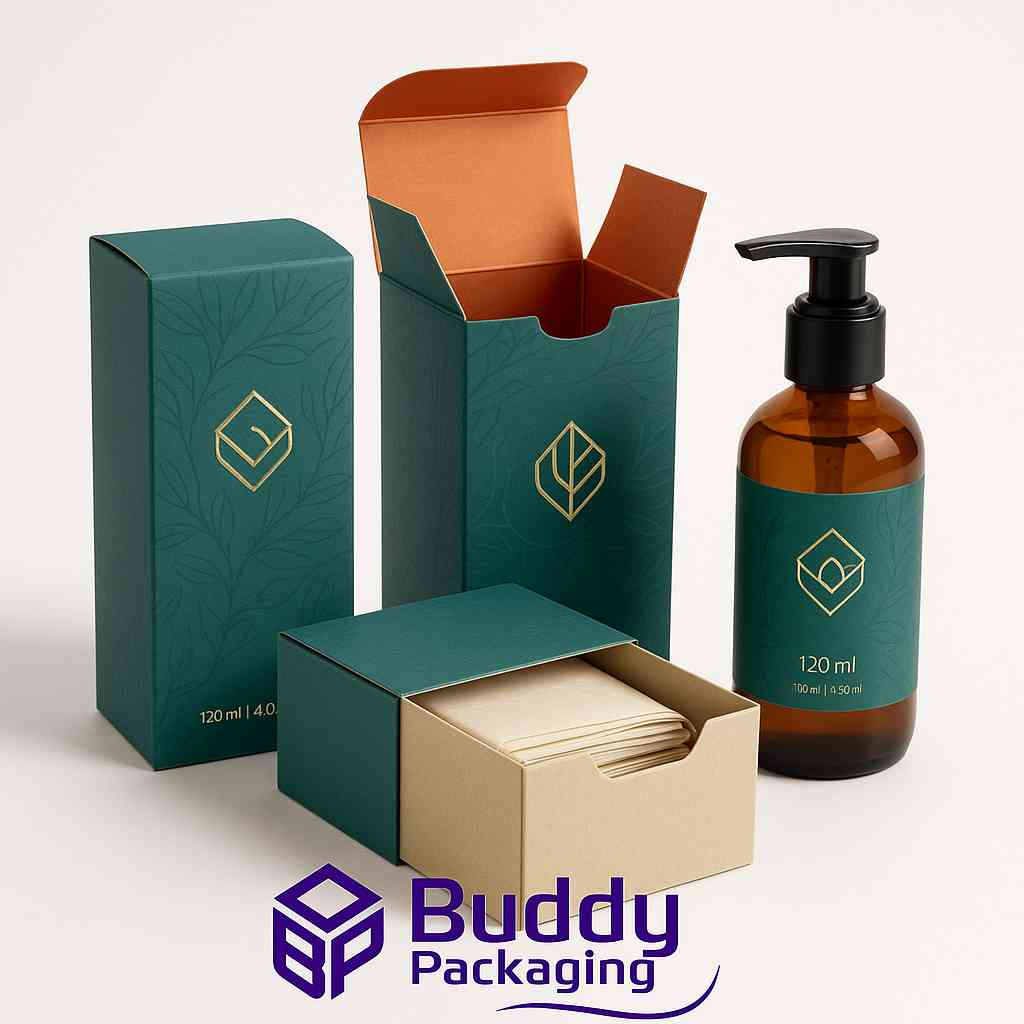
120ml Bottle Boxes
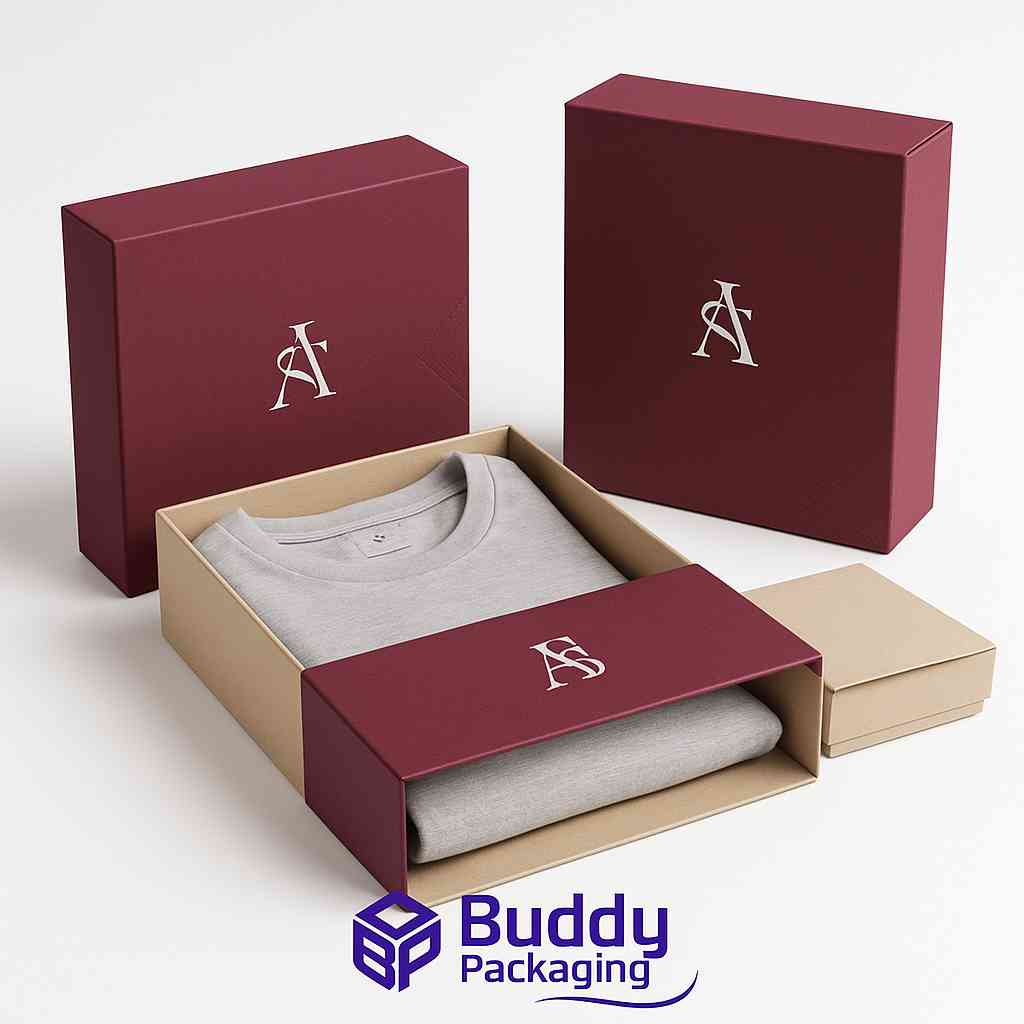
Apparel Sleeve Boxes
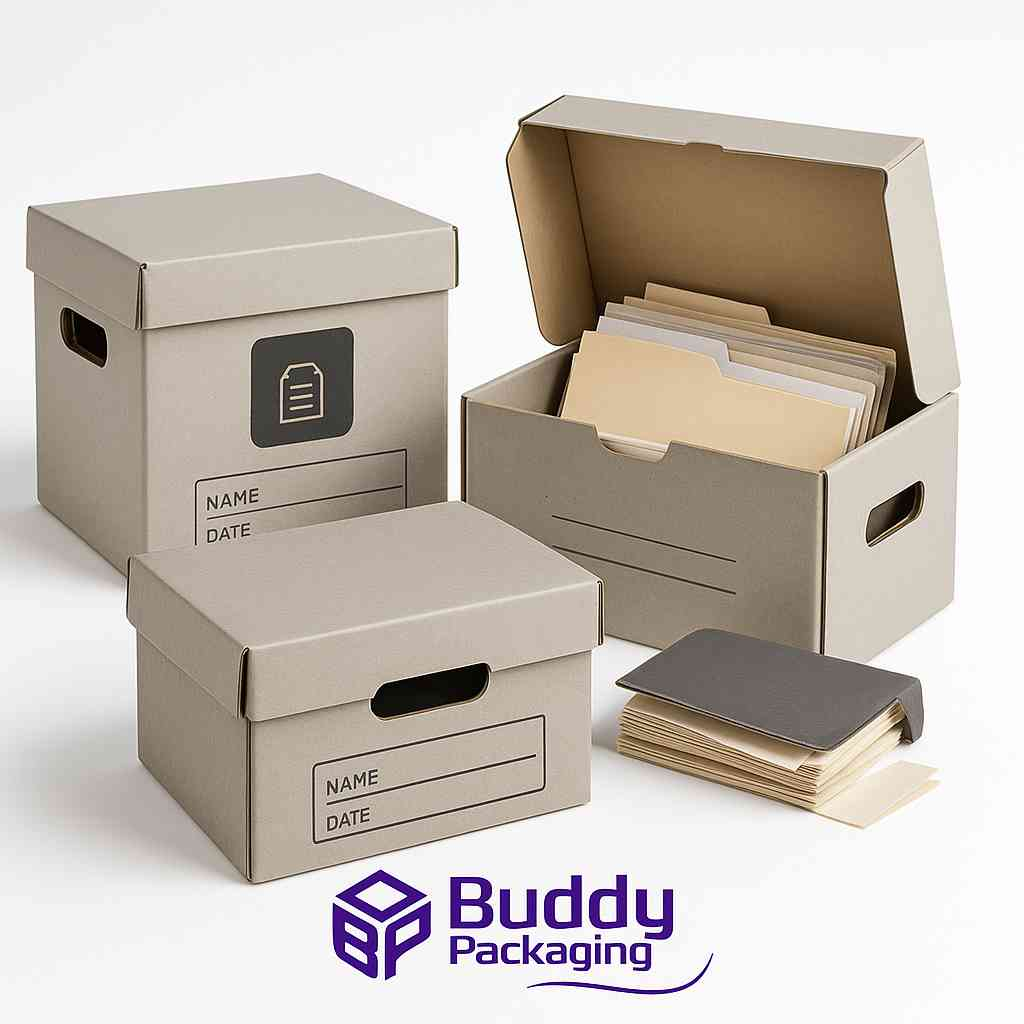
Archive Boxes

buddypackaginguk
Packaging & Print SpecialistTechnical packaging specialist at Buddy Packaging UK, sharing insights on corrugated board packaging, custom dielines, and print production.
View all packaging articles by buddypackaginguk →