Soap Packaging Trends That Make Customers Buy Fast
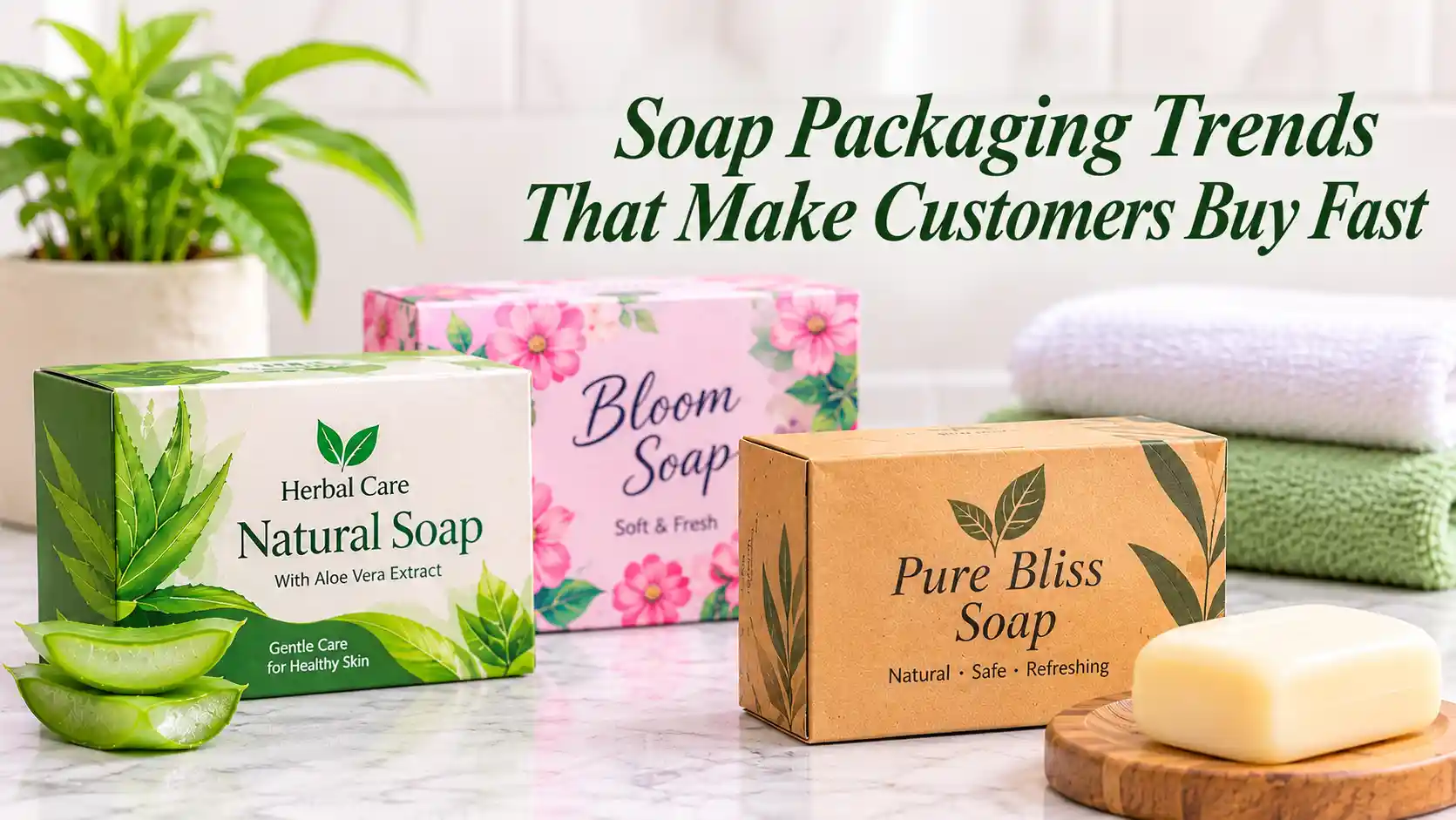
Soap is a product people use regularly, but choosing one brand over another often involves more than fragrance, ingredients, or price. Packaging is one of the first things customers notice when they come across a new soap. Its colors, shape, material, and printed information can influence how people understand the product and whether they consider it suitable for their needs. Well-designed Custom Soap Boxes can make a simple bar of soap look distinctive while helping customers identify its purpose and features.
As the personal care market continues to grow, soap packaging has become an important part of product presentation. Handmade soaps, herbal varieties, moisturizing bars, and everyday bathing products all have different audiences and packaging requirements. Understanding current design trends helps businesses create packaging that looks appropriate, communicates useful information, and gives customers a clear idea of what they are buying.
Minimal Packaging Designs That Keep Things Simple
Minimal packaging has become a popular choice among soap brands because it focuses on clarity rather than excessive decoration. Instead of filling the entire box with different graphics, patterns, and promotional messages, this approach uses simple colors, readable typography, and carefully arranged information. It allows customers to notice the product name and important details without feeling overwhelmed by the design.
This style works particularly well for handmade soaps, herbal products, and brands that prefer a clean visual identity. A simple layout does not mean the packaging has to look plain or uninteresting. Small illustrations, balanced spacing, and carefully selected fonts can create an attractive appearance while keeping the overall design organized.
Some common elements of minimal soap packaging include:
- Simple typography with easy-to-read fonts.
- Two or three coordinated colors.
- Small illustrations related to the product.
- Clear placement of the soap name and ingredients.
- Enough empty space to keep the design balanced.
Natural Colors That Reflect the Product’s Character
Color plays an important role in how customers understand a product. Before reading the ingredients, people often form an impression based on the colors used on its packaging. Soap brands frequently choose shades that relate to their ingredients, fragrance, or overall product identity. Green, beige, brown, and soft neutral colors are common choices for products associated with natural materials. For example, a soap containing aloe vera may use green shades, while coffee or oatmeal varieties can be presented with earthy brown and beige tones. Floral soaps may feature softer pink or purple colors, depending on their fragrance and design. These choices help customers distinguish between different varieties while maintaining a connection between the packaging and the product itself.
However, using attractive colors is not enough on its own. The selected shades should match the actual product and remain consistent across different packaging elements. When colors are chosen carefully, they can make a soap collection easier to recognize and give each variety its own appearance without making the overall design confusing.
Eco-Friendly Materials and Reduced Packaging Waste
Environmental concerns have encouraged many businesses to reconsider the materials they use for product packaging. Soap brands are also exploring paper-based alternatives that can reduce unnecessary plastic components. Since soap is generally a solid product, it can often be packaged using cardboard, kraft paper, paper sleeves, and other suitable materials, depending on its protection and storage requirements. Recyclable packaging is particularly relevant for customers who pay attention to material choices and waste reduction. However, selecting an environmentally responsible material requires more than choosing a brown-colored box. Businesses should understand whether the material is recyclable, whether it contains additional coatings, and how it should be disposed of after use.
Some packaging options worth considering include:
- Recyclable cardboard for regular soap boxes.
- Kraft paper for a natural-looking presentation.
- Paper sleeves for simple product wrapping.
- Reduced plastic components where suitable.
- Packaging structures that avoid unnecessary material use.
Environmental claims should also be accurate. Terms such as recyclable, biodegradable, and compostable do not mean the same thing. Clear and truthful information helps customers understand the actual characteristics of the packaging rather than relying on general environmental statements.
Creative Box Shapes That Improve Product Presentation
The shape and structure of a soap box can influence how a product looks when displayed in a shop or stored at home. Traditional rectangular boxes remain widely used because they are easy to stack, store, and handle. However, different box styles can create a distinct appearance for handmade collections, gift soaps, and specialty products. The choice of structure should depend on the soap’s dimensions, weight, and protection requirements. A box that looks interesting but does not hold the product properly may create problems during transportation or handling. For this reason, structural design should always balance appearance with practical use.
Common soap packaging structures include:
- Tuck-end boxes: These provide an enclosed structure and are suitable for many standard soap bars.
- Sleeve boxes: A sleeve covers the product while allowing part of its surface or inner packaging to remain visible.
- Window boxes: These include a transparent opening through which customers can see the soap.
- Kraft boxes: These offer a simple appearance and are often used for handmade products.
- Custom-shaped boxes: These can be designed around specific product dimensions or presentation requirements.
Clear Labels That Help Customers Understand the Product
Attractive packaging may encourage someone to examine a soap, but clear product information helps them understand what they are considering. Customers often look for details about ingredients, fragrance, weight, manufacturer information, and directions for use. If this information is difficult to find or printed in very small letters, the packaging may become less useful. Soap labels should be organized so that the most important details are easy to identify. The product name should be noticeable, while supporting information should be arranged in a readable order. Brands should also avoid filling every available space with unnecessary text because crowded labels can make even useful information difficult to understand.
Important details commonly included on soap packaging are:
- Product name and soap variety.
- Complete ingredient information.
- Net weight of the product.
- Manufacturer or business details.
- Usage instructions where necessary.
- Relevant warnings and storage guidance.
Typography is equally important. Decorative fonts may look attractive in a logo or product name, but essential information should use clear lettering. Proper spacing, readable font sizes, and organized sections make packaging more informative and easier to understand.
Window Packaging That Shows the Soap Inside
Some soap products have distinctive colors, shapes, or handmade textures that customers may want to see before purchasing. Window packaging provides an opportunity to display part of the product without completely opening the box. It can be particularly useful for decorative soaps, gift collections, and products where appearance is an important part of their presentation. The placement and size of the window should be considered carefully. A very small opening may not show enough of the product, while an unnecessarily large window can reduce the strength of the box. The material used for the transparent section should also be suitable for the product’s storage and protection requirements.
Before selecting this packaging style, businesses should consider:
- Whether customers can clearly see the soap.
- Whether the box remains strong around the opening.
- Whether the exposed area allows dust to reach the product.
- Whether the window complements the overall design.
- Whether the transparent material is appropriate for the intended packaging use.
A properly planned window can provide useful product visibility while maintaining an organized appearance.
Distinct Designs for Different Soap Varieties
Soap businesses often produce several varieties with different ingredients, fragrances, and purposes. Using an identical design for every product may make it difficult for customers to distinguish between them. A consistent packaging system can solve this issue by maintaining the same basic brand elements while giving each variety its own visual details. For example, a lavender soap can feature soft purple shades, while a lemon-based variety may use yellow accents. Charcoal soap can have a darker appearance, whereas aloe vera products may use green elements. These visual differences help customers recognize individual varieties without making the product range look unrelated.
A consistent design system may include:
- The same logo placement across all products.
- Similar typography and layout.
- Different colors for individual varieties.
- Small illustrations related to ingredients.
- Consistent placement of product information.
This approach is useful when a brand expands its collection because new varieties can follow the same design structure. Customers can recognize the overall brand while identifying the specific soap they want.
Textured Finishes That Add Detail to Soap Boxes
The surface finish of packaging can influence how a product feels when someone picks it up. While printed graphics and colors create a visual impression, finishing techniques add another layer to the overall presentation. Matte, glossy, embossed, and foil details are some options used to create different packaging effects. Matte finishes provide a soft, less reflective appearance, whereas glossy coatings create a smoother and brighter surface. Embossing and debossing can add raised or recessed details to selected parts of the design, such as a logo or decorative pattern. Foil accents may also be used for limited design elements when a more noticeable finish is required.
Different finishing options include:
- Matte coating: Creates a smooth surface with less reflection.
- Gloss coating: Produces a shiny and polished appearance.
- Embossing: Raises selected design elements above the surface.
- Debossing: Creates recessed details within the material.
- Foil accents: Adds a metallic effect to selected areas.
The main consideration is balance. Using too many finishing effects can make a soap box look crowded and distract from its important information. A few carefully selected details are often enough to create a clear and consistent appearance.
Consistent Branding Across the Entire Product Range
A soap brand may offer several products, but customers should still be able to recognize that they belong to the same business. Consistent branding makes this possible by keeping important design elements familiar across different varieties. These elements may include the logo, typography, color style, illustration approach, and placement of product information. Packaging consistency is useful in both physical stores and online shopping environments. When customers see different products from the same collection, familiar design details make it easier to connect them. At the same time, individual products can have their own colors or illustrations to communicate differences in fragrance and ingredients.
Businesses can maintain consistency through:
- A recognizable logo and brand name.
- A fixed typography style.
- Similar layouts across different soap varieties.
- Coordinated colors and graphic elements.
- Clear and consistent product descriptions.
A consistent visual identity does not require every box to look exactly the same. Instead, the goal is to create a recognizable design system that allows individual products to maintain their own character.
Practical Packaging That Protects the Soap
Packaging should not focus entirely on appearance because its main purpose is also to keep the product protected. Soap bars can be affected by moisture, dust, handling, and unsuitable storage conditions. The right packaging structure and material help reduce these problems while keeping the product in a suitable condition before it reaches the customer. A practical design should consider the soap’s size, shape, weight, and storage requirements. Boxes that are too large may allow unnecessary movement, while very tight packaging can make the product difficult to remove. The material should also be strong enough for normal handling and transportation without adding unnecessary layers.
Before finalizing a packaging structure, businesses should check:
- Whether the soap fits securely inside the box.
- Whether the material is suitable for the product.
- Whether the package can withstand regular handling.
- Whether customers can open it without difficulty.
- Whether the packaging provides adequate protection during storage.
A thoughtful balance between protection, convenience, and appearance makes packaging more useful in everyday situations.
How Packaging Trends Influence Customer Buying Decisions
Packaging can influence how customers evaluate a soap before they have an opportunity to use it. A clear design helps them understand the product, while suitable colors and readable information make it easier to compare different varieties. However, customer decisions are not based on appearance alone. Ingredients, product quality, price, personal preferences, and brand familiarity also play important roles. Businesses should therefore select packaging trends according to their actual products and target audience instead of following every new design idea. A handmade soap collection may benefit from simple materials and natural colors, while a range of decorative soaps may require more detailed artwork or window packaging.
The following factors can help guide packaging decisions:
- Understand the audience: Consider the preferences and expectations of the people who are likely to purchase the soap.
- Match the product: Choose colors, materials, and graphics that reflect the actual soap variety.
- Keep information clear: Make ingredients, product names, and other important details easy to read.
- Consider practical use: Select a structure that provides suitable protection and convenient handling.
- Maintain consistency: Use recognizable design elements across the product collection.
Conclusion
Soap packaging is more than a covering for a product. It communicates information, creates a visual identity, and helps customers understand the differences between various soap products. Minimal layouts, natural colors, paper-based materials, creative structures, and clear labeling are some of the trends shaping packaging choices in the personal care market. However, not every trend is suitable for every soap brand. The most useful approach is to select design elements according to the product’s ingredients, audience, and practical requirements. When appearance, information, and functionality work together, packaging becomes a meaningful part of the overall product experience. Businesses exploring different packaging ideas can also find useful industry insights at We Print Boxes particularly when considering how box design and material choices influence product presentation.
Frequently Asked Questions
1. Why is packaging important for soap products?
Packaging protects soap from dust, handling, and other external factors. It also provides important product information and helps customers recognize different varieties. A well-organized design makes the product easier to understand and distinguish from similar options.
2. Which materials are commonly used for soap packaging?
Cardboard, kraft paper, paper sleeves, and other suitable paper-based materials are commonly used. The final choice depends on the soap’s dimensions, storage conditions, protection requirements, and intended presentation.
3. What colors are suitable for natural soap packaging?
Green, beige, brown, white, and other earthy shades are frequently used for natural-looking soap packaging. The most suitable combination depends on the ingredients, fragrance, and overall identity of the product.
4. How can small soap businesses create distinctive packaging?
Small businesses can focus on readable typography, coordinated colors, simple illustrations, and consistent branding. They can also use suitable box structures and finishing details to make different soap varieties easier to recognize.
5. Is minimal packaging a good choice for handmade soaps?
Yes. Minimal packaging can complement handmade soaps by keeping the design clean and allowing customers to focus on the product name, ingredients, and other useful information. It can also help create a consistent appearance across different varieties.
6. What information should be printed on a soap box?
A soap box may include the product name, ingredients, net weight, manufacturer information, and relevant usage or safety instructions. The exact information should follow the applicable labeling requirements for the product and market.
7. What are the benefits of window packaging for soap products?
Window packaging allows customers to see part of the soap without opening the box. It can be useful for products with distinctive colors, shapes, or handmade textures. The opening should be designed without compromising the strength and protection of the package.
8. How often should a soap brand change its packaging design?
There is no fixed schedule for changing soap packaging. A redesign may be considered when the product range changes, existing packaging becomes outdated, customer preferences shift, or the business needs to improve product information, material selection, or functionality.
Shop the boxes from this guide
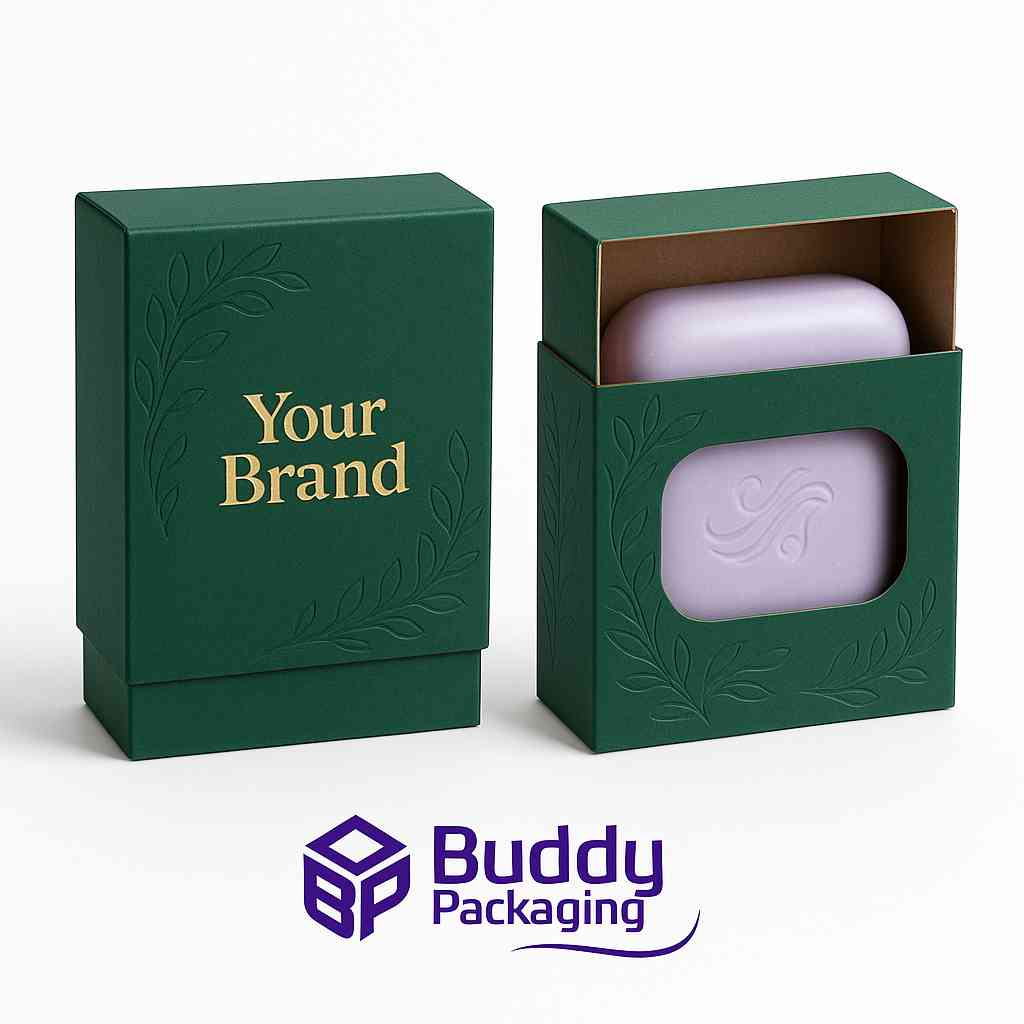
Sleeve Soap Boxes
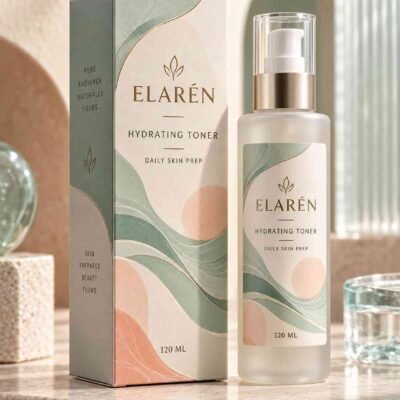
120ml Bottle Boxes
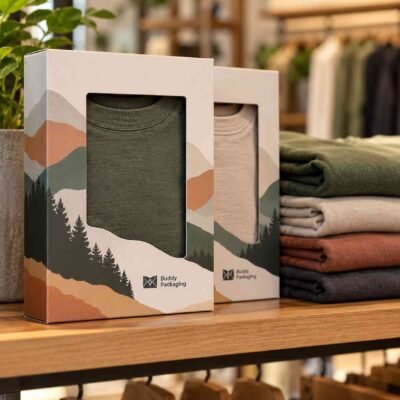
Apparel Sleeve Boxes

buddypackaginguk
Packaging & Print SpecialistTechnical packaging specialist at Buddy Packaging UK, sharing insights on corrugated board packaging, custom dielines, and print production.
View all packaging articles by buddypackaginguk →