Small Printing Shop Design Ideas
Introduction
Designing a print shop is more than placing machines and shelves in a room. The layout, colours, and workflow all influence how efficiently the business runs and how customers perceive your brand. Well-planned small printing shop design ideas can transform even a limited space into a productive and attractive workspace.
A printing shop often handles multiple services such as flyers, posters, labels, and promotional materials. Because of this, the shop must balance operational efficiency with customer comfort. When a shop looks organised and professional, customers trust the quality of work produced there.
Many successful print businesses focus heavily on branding and workspace optimisation. A thoughtfully designed shop improves employee productivity while also increasing walk-in customer conversions. With the right approach, even a small print shop can compete with larger commercial printers.
This guide explores practical small printing shop design ideas that combine aesthetics, workflow efficiency, and customer experience. By the end, you will understand how to design a print shop that works smarter, not bigger.
Understanding the Importance of Print Shop Design
A well-designed print shop supports both the technical and customer service sides of the business. Printing equipment requires space, ventilation, and organised access to materials. At the same time, customers should feel welcomed when they enter the shop.
When people walk into a printing shop, the environment immediately communicates professionalism. A cluttered workspace can make customers doubt the quality of the final product. However, a clean and structured design suggests reliability and expertise.

Another factor is workflow efficiency. Staff often move between printers, cutting machines, computers, and packaging areas. Without a thoughtful layout, time is wasted walking between stations. Smart small printing shop design ideas ensure each task flows naturally from one step to another.
In addition, print shops often deal with creative services such as branding and packaging. For example, businesses frequently request products related to Custom Packaging, which can be explored through this helpful resource:
Integrating such services into the shop layout ensures that customers can discuss design, view samples, and place orders without confusion.
Smart Layout Planning for Small Printing Shops
The first step in applying effective small printing shop design ideas is creating a layout that supports daily operations. In smaller spaces, every square metre matters. A good layout reduces clutter while maintaining smooth workflow.
A typical printing shop includes areas for customer interaction, printing operations, finishing processes, and storage. These areas must connect logically so work moves efficiently from start to finish.
For instance, the customer consultation area should be located near the entrance. This allows visitors to discuss orders quickly without walking through operational zones. Behind this space, the design workstation can handle artwork preparation before sending files to printers.
The printing equipment should be arranged in sequence. Large printers, digital machines, and cutting tools should sit close together. This reduces unnecessary movement for staff members during busy periods.
Storage areas should also be carefully planned. Paper stock, ink cartridges, and packaging materials require accessible shelving. Vertical storage solutions work particularly well in smaller shops because they maximise wall space while keeping floors clear.
When these elements are arranged thoughtfully, the entire shop becomes more efficient and comfortable for both employees and customers.
Creating an Inviting Customer Area
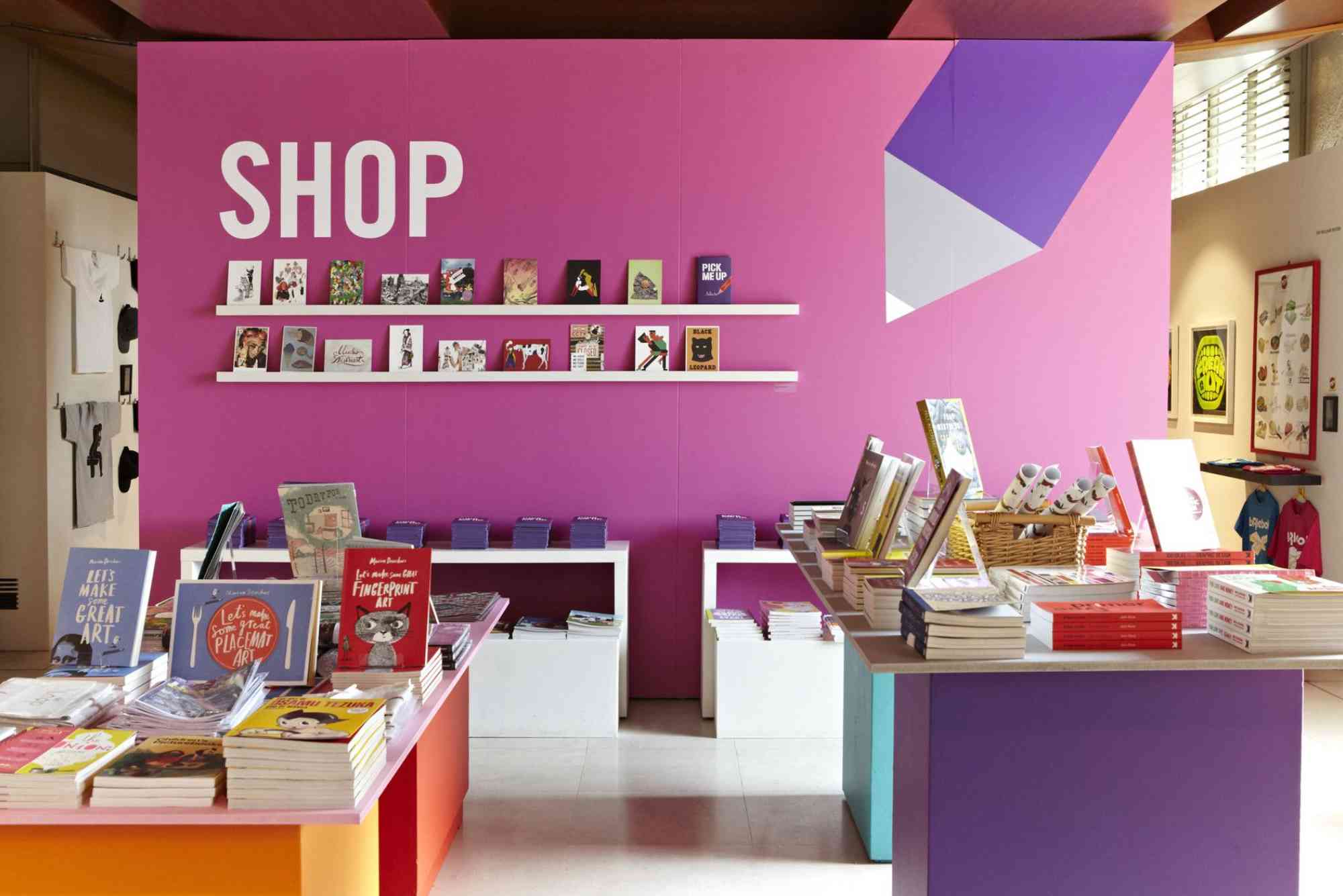
One of the most overlooked small printing shop design ideas is the customer reception area. Many print shops focus solely on equipment and forget the importance of presentation.
Customers often visit printing shops to discuss branding projects or marketing materials. The reception area should therefore reflect creativity and professionalism. Comfortable seating, clear displays, and organised counters help build trust immediately.
Using printed samples as décor is an excellent strategy. Display posters, brochures, and business cards produced by your shop. These items not only decorate the space but also demonstrate the quality of your work.
Lighting also plays an important role. Natural light makes colours appear more accurate and creates a welcoming atmosphere. When natural light is limited, soft LED lighting works well for highlighting printed samples.
Additionally, customers often look for design inspiration while visiting a print shop. Many businesses rely on resources that share packaging design tips and creative branding insights. One useful platform is:
Providing inspiration within your shop environment helps clients make quicker decisions about their projects.
Efficient Equipment Placement and Workflow
Printing machines are the heart of any print shop. However, poor placement can slow down production and create unnecessary stress for employees. Smart small printing shop design ideas focus heavily on machine positioning and workflow.
Digital printers generate heat and require proper ventilation. They should be positioned in a well-ventilated section of the shop to maintain equipment performance and safety. Adequate space around machines also allows technicians to handle maintenance tasks easily.
Cutting and finishing equipment should sit close to printing machines. This ensures that freshly printed materials move quickly into the finishing stage. Laminating machines, binding equipment, and trimming stations should follow a logical production sequence.
Another essential factor is cable management and electrical safety. Printing machines consume significant power. Proper wiring channels and protected outlets reduce hazards and keep the workspace tidy.
Noise management also improves the work environment. Placing loud machines slightly away from the customer area keeps conversations comfortable while still maintaining operational efficiency.
When equipment placement aligns with workflow, productivity increases and employees experience less fatigue during long working hours.
Maximising Storage in Limited Space
Storage is often the biggest challenge when implementing small printing shop design ideas. Paper rolls, ink supplies, packaging materials, and printed orders quickly consume available space.
Vertical shelving systems provide an effective solution. By using wall-mounted racks, shops can store large quantities of paper without sacrificing floor space. Clearly labelled sections also help staff locate materials quickly.
Another strategy is modular storage units. These adjustable systems allow shop owners to reorganise shelves as the business grows. Flexible storage ensures the shop can adapt to new services and equipment.
Finished orders should also have a dedicated holding area. Customers often collect printed items at different times throughout the day. A structured storage system prevents orders from mixing up or getting damaged.
Well-organised storage areas contribute significantly to operational efficiency. They also create a cleaner visual environment, which reinforces professionalism for visiting customers.
Branding Your Printing Shop Through Design
Branding is not limited to printed products. The physical environment of the shop should also reflect the business identity. Effective small printing shop design ideas often incorporate strong visual branding elements.
Colours schemes can communicate professionalism and creativity. Neutral tones combined with bold accent colours work particularly well in printing environments. These colours highlight printed samples while keeping the space visually balanced.
Wall graphics are another powerful branding tool. A feature wall displaying the company logo or a collage of past projects instantly communicates expertise. Customers entering the shop immediately understand the type of work you specialise in.
Signage should also be clear and professionally printed. Directional signs help customers navigate the shop easily while reinforcing the brand image.
If customers need to locate the business physically, clear directions also help build trust and accessibility. For example, many clients rely on the Buddy Packaging Location for navigation when visiting print-related service providers:
A well-branded shop environment strengthens credibility and creates a memorable customer experience.
Lighting and Colours Choices for Print Accuracy
Lighting affects both productivity and print quality evaluation. Among the most practical small printing shop design ideas is selecting lighting that supports colours accuracy.
Printing businesses often deal with precise colours matching. Poor lighting conditions can distort colours and lead to incorrect quality checks. Bright neutral lighting allows staff to examine prints accurately before delivery.
Daylight-balanced LED lights are commonly used in professional printing environments. These lights simulate natural daylight and improve colours perception.
Wall colours should also support colours accuracy. Neutral shades such as white, grey, or light beige prevent colours reflection that may interfere with print evaluation.
The combination of balanced lighting and neutral surfaces ensures that printed products appear consistent in different environments. This is especially important for branding materials and marketing prints.
Technology Integration in Modern Print Shops
Modern printing businesses rely heavily on digital technology. Smart small printing shop design ideas incorporate technology in ways that improve efficiency and customer service.
Computer workstations should be positioned close to the printing area. Designers often need to monitor print results and make quick adjustments to artwork files. A short distance between workstations and printers saves valuable time.
Digital displays can also enhance customer interaction. Screens showing previous projects, design portfolios, or promotional offers make the shop feel more modern and engaging.
Online order management systems also reduce manual paperwork. Customers can place orders online while staff track production stages digitally. This technology improves workflow transparency and reduces human error.
By combining efficient layout planning with modern technology, small print shops can deliver professional services comparable to larger printing companies.
A successful print shop requires more than quality equipment. Thoughtful planning, efficient workflow, and strong branding all contribute to business success. Implementing effective small printing shop design ideas can significantly improve productivity and customer satisfaction.
From organised layouts and smart storage to creative customer areas and modern technology, every element of the shop plays an important role. Even a small space can become a powerful business environment when designed strategically.
If you are planning to open or upgrade a printing shop, focus on creating a workspace that balances functionality with visual appeal. The right design will support your team, impress customers, and ultimately increase sales.
Frequently Asked Questions (FAQs)
What is the best layout for a small printing shop?
The best layout separates customer areas from production zones while maintaining a logical workflow. Equipment should be arranged according to the printing process sequence.
How much space is needed for a small print shop?
A small print shop can operate efficiently in 300 to 800 square feet. Smart storage and vertical shelving help maximise limited space.
How can I make my print shop look more professional?
Use clean layouts, organised shelves, branded wall graphics, and proper lighting. Displaying printed samples also builds customer confidence.
What equipment is essential for a small printing shop?
Essential equipment usually includes digital printers, cutting machines, laminators, computers with design software, and organised storage for paper and supplies.
How do I attract more customers to my print shop?
Create an inviting shop design, showcase your best printed work, maintain strong branding, and provide high-quality customer service.
Shop the boxes from this guide

120ml Bottle Boxes
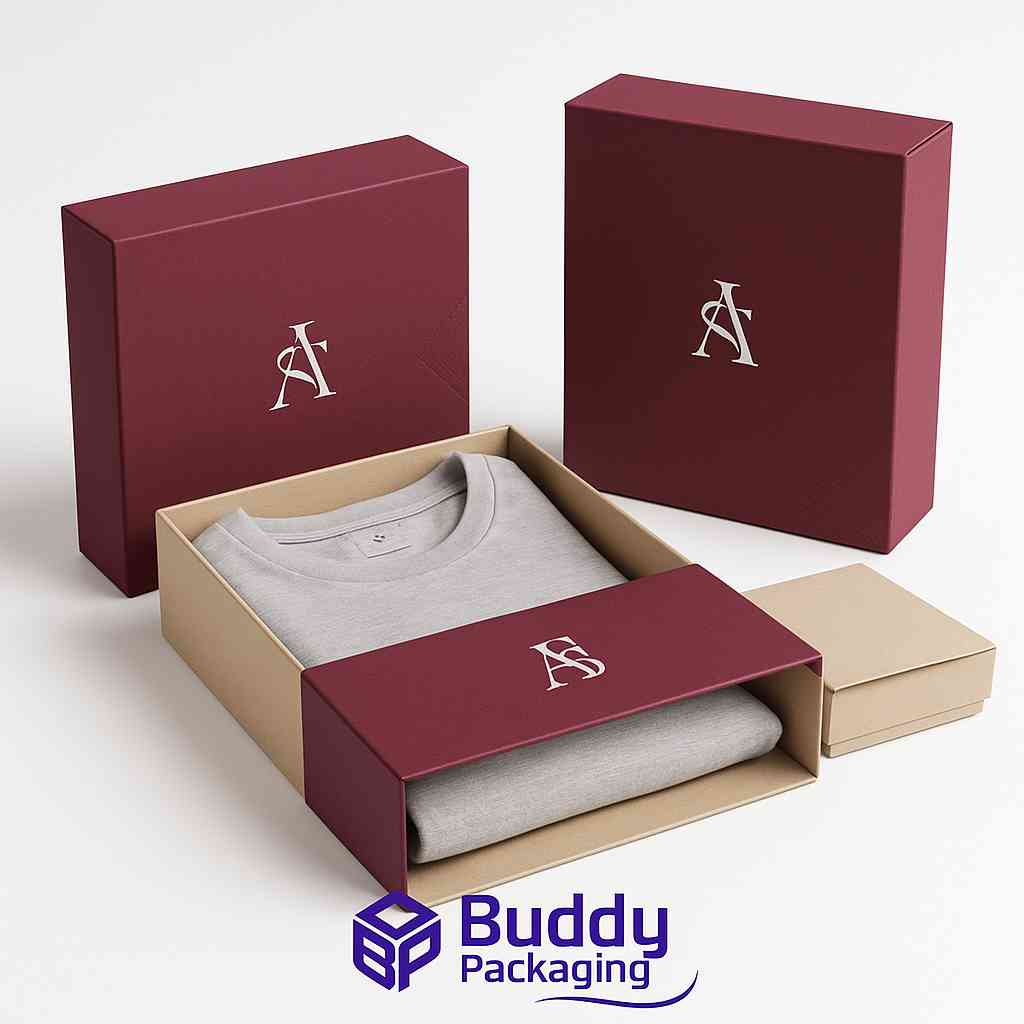
Apparel Sleeve Boxes
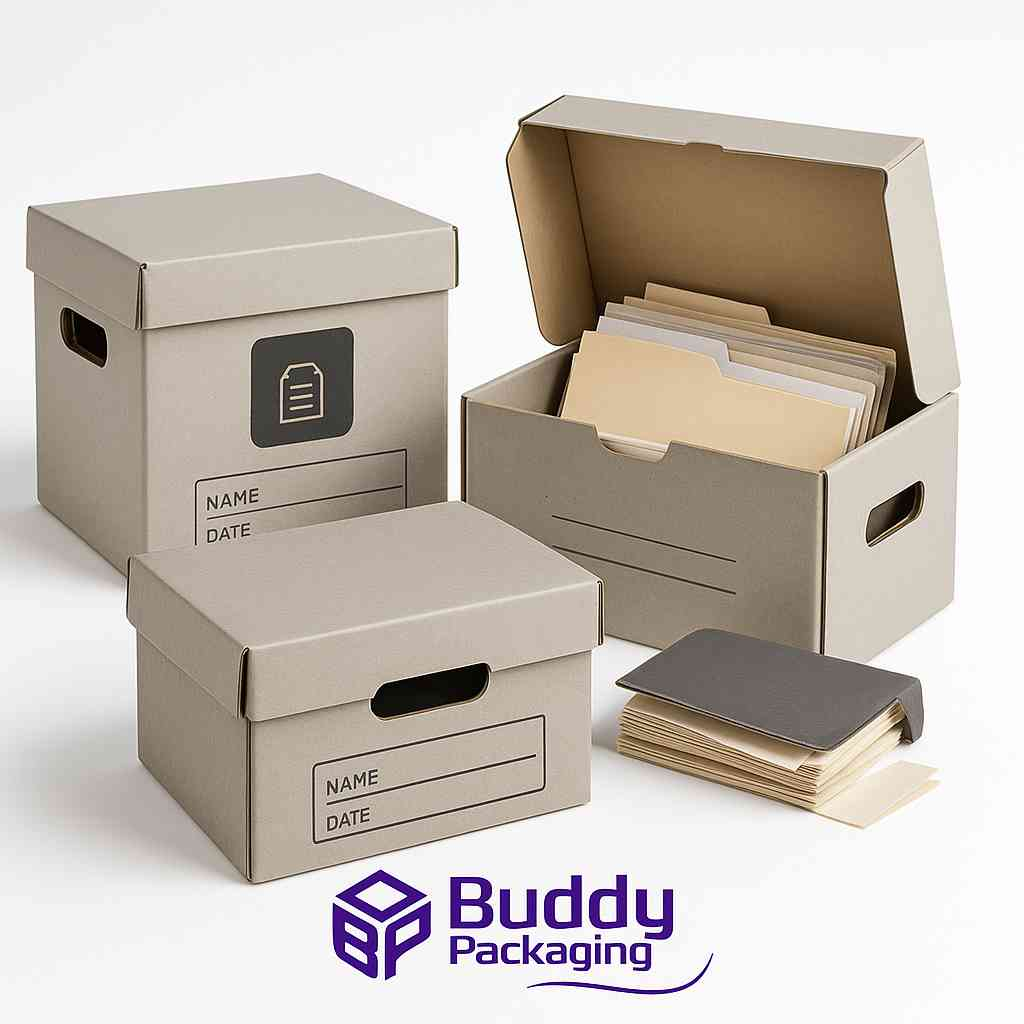
Archive Boxes

buddypackaginguk
Packaging & Print SpecialistTechnical packaging specialist at Buddy Packaging UK, sharing insights on corrugated board packaging, custom dielines, and print production.
View all packaging articles by buddypackaginguk →