Packaging Design For Bottles
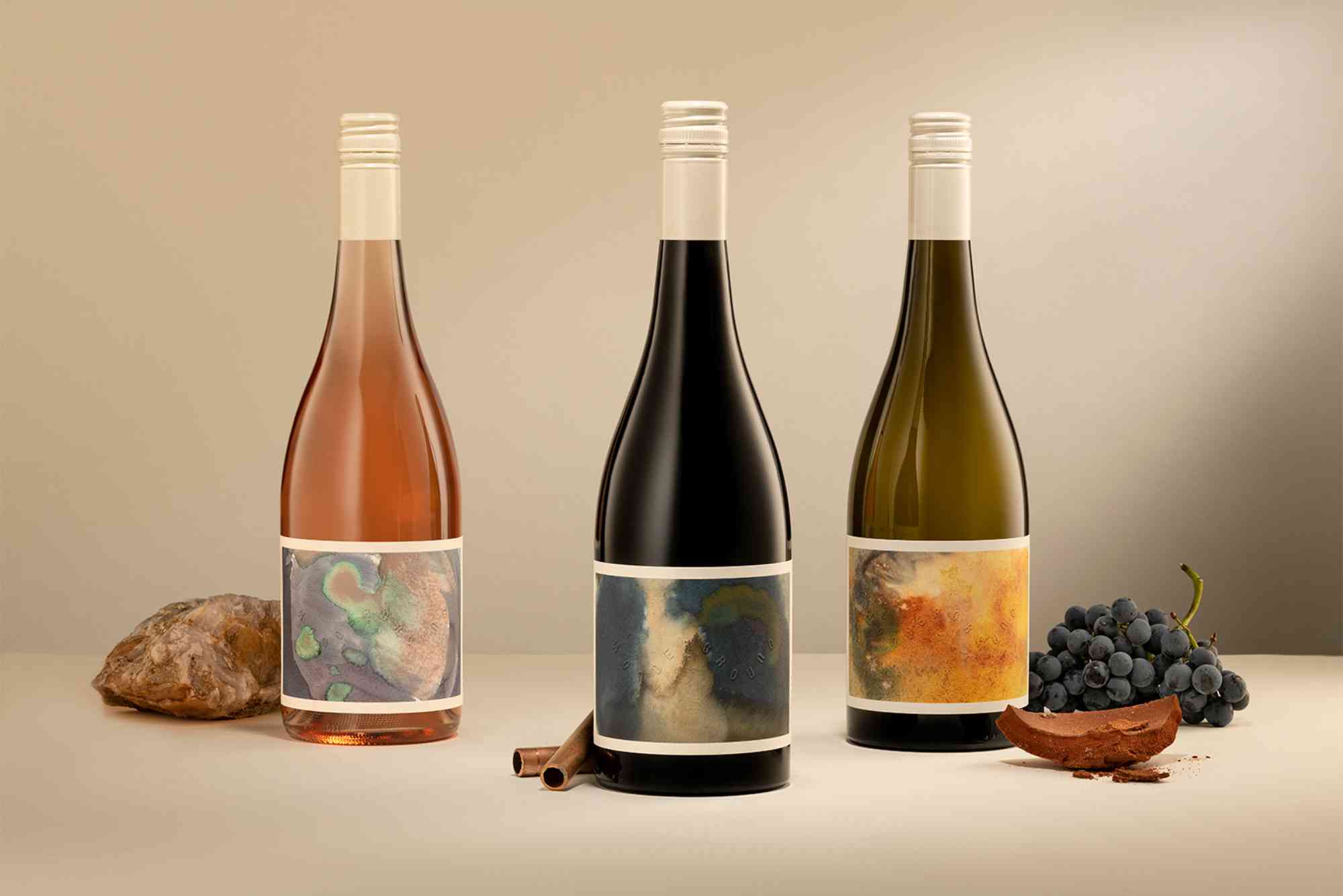
Packaging Design for Bottles: A Complete Expert Guide for Modern Brands
Packaging design for bottles is more than a visual concept. Today, it is a strategic blend of branding, usability, sustainability, and customer psychology. Whether you produce beverages, cosmetics, pharmaceuticals, or luxury goods, the way your bottle is packaged directly influences customer perception and buying behaviour. In this guide, you will learn how great packaging elevates a product, supports brand identity, and builds trust in a crowded market. With a focus on real industry insights, this article explores the elements, trends, materials, and best practices behind high-performing bottle packaging.
Understanding the Role of Effective Bottle Packaging
Before designing, it is essential to understand that packaging is the first physical interaction between your customer and your product. Good packaging design for bottles protects the item, communicates quality, and supports your brand message. Because modern shoppers increasingly judge products by their packaging, investing in the right design strategy helps you stand out and improve shelf appeal. Bottle packaging also plays a vital role in transport, storage, and user experience, ensuring convenience and durability at every stage of the product journey.
Key Elements in Packaging Design for Bottles
When building a strong design concept, your choices must align with the product category. The needs of beverage bottles differ from skincare or home fragrance bottles. However, certain elements are universal across all sectors. Structure, material, graphics, and ergonomics must function together to create a unified customer experience. Shape and size matter too, since they impact how the bottle fits into outer packaging, shipping boxes, and retail displays. For brands that require tailored solutions, the use of Custom Bottle Boxes provides full creative control and enhances branding opportunities. They also support premium unboxing experiences, which is now a major selling point for online buyers. You can explore custom solutions through the provider at for expert craftsmanship and design flexibility.
Materials and Sustainability in Bottle Packaging
Today’s consumers are vocal about sustainability. Eco-friendly materials are no longer optional; they have become a major factor in purchasing decisions. Choosing recyclable, biodegradable, or reduced-plastic options directly improves brand perception. Paper-based bottle boxes remain popular because they are lightweight, durable, and eco-friendly. Cardboard with premium coatings gives brands the opportunity to maintain aesthetics while honouring sustainability goals. Many companies also opt for glass-like PET bottles combined with paper-based secondary packaging to reduce the environmental impact. When selecting materials, always consider compliance with industry standards, especially for cosmetics and food-grade products. Also evaluate your supply chain to minimise waste during production and transportation.
The Importance of Ergonomics and Functionality
Customers expect packaging that is easy to open, handle, and store. Bottle caps, pump mechanisms, spray nozzles, and droppers must be designed with user convenience in mind. Meanwhile, outer packaging such as folding cartons and custom presentation boxes must enhance rather than complicate the experience. Many brands now use structural engineering to make bottle packaging safer and more functional during shipping. This reduces breakage, cuts replacement costs, and improves brand reliability. Tamper-evident seals, child-safe closures, and resealable packaging are further examples of functionality-driven features that enhance safety and usability.
Visual Design and Branding in Bottle Packaging
Visual storytelling is essential. A well-designed bottle package instantly communicates your brand identity. Colour psychology, typography, imagery, texture, and finishing techniques all help set the tone. Luxury brands often use embossing, foil stamping, and matte finishes to create an upscale feel. Meanwhile, wellness and organic brands prefer earthy colours, kraft textures, and minimalistic layouts. To stay updated with innovative print technology, designers often refer to print & finishing insights from publications like PrintWeek, which offers industry updates and expert reviews at . These insights help brands choose the right printing techniques to elevate their presentation and ensure premium results.

Modern Design Trends Shaping Bottle Packaging
Minimalistic packaging continues to dominate, especially for skincare and premium beverages. Consumers appreciate clean lines, uncluttered layouts, and honest messaging. Another strong trend is personalised packaging, which helps brands connect emotionally with customers. Unique textures and tactile elements make packaging more interactive and memorable. Vibrant colour gradients and illustrative patterns are widely used in lifestyle and beauty categories. Eco-conscious aesthetics also remain popular, with brands embracing natural tones, uncoated surfaces, and visible fibre textures. Clear labelling, transparent windows, and “what you see is what you get” messaging reflect the growing demand for authenticity.
How Packaging Design for Bottles Influences Consumer Behaviour
The first impression at the shelf strongly influences purchasing decisions. A visually appealing design increases perceived value, while poor packaging reduces trust even if the product is high quality. Shape, colour, and finish play key roles in attention capture. Once the customer picks up the bottle, the tactile experience influences emotional response. The feel of the material, weight, grip, and opening mechanism all contribute to product satisfaction and retention. Studies show that customers are more likely to repurchase when packaging feels premium. The design must also communicate product benefits, safety information, and instructions clearly. Transparency builds trust, especially in industries like skincare and supplements.
Designing Bottle Packaging for E-Commerce Success
Online shopping has transformed packaging requirements. E-commerce bottle packaging must be stronger, safer, and more protective than retail-only packaging. Double-layered boxes, inserts, and shock-resistant structures help reduce breakage during transit. Easy-to-open packaging is essential, but it must also include tamper-proof features for safety. Branded unboxing moments now support social media marketing. Customers often share videos and photos of aesthetically pleasing packaging, providing free brand exposure. Custom bottle boxes with personalised messages, premium finishes, or seasonal designs significantly improve these experiences.
Choosing the Right Printing and Finishing Techniques
High-quality printing enhances both visibility and professionalism. Offset printing is ideal for detailed graphics and large quantities, while digital printing works best for short runs and personalised batches. Finishing options such as matte lamination, UV gloss, foil stamping, and embossing help reinforce brand personality. When choosing your finishing touches, consider both cost-efficiency and your target market. Customer expectations differ in luxury, mass-market, and eco-conscious categories. Trends and innovations evolve quickly, so reviewing current print & finishing insights remains helpful for designers and marketers aiming to stay competitive.
Cost Considerations in Bottle Packaging Design
The cost of bottle packaging varies depending on the complexity of the design, materials, printing techniques, and quantity ordered. Brands must balance beauty with affordability. Choosing the right manufacturer or packaging partner significantly affects cost efficiency. Bulk orders reduce cost per unit, but flexibility is important for small and growing businesses. Many packaging companies offer customisable templates that reduce design and production expenses while still providing a high-end appearance. Investing in durable, functional packaging can also reduce long-term expenses by minimising product damage and returns.
Common Mistakes to Avoid in Bottle Packaging Design
One of the most common mistakes is focusing too much on aesthetics while overlooking practicality. Overly complex structures may look attractive but often frustrate users. Another mistake is ignoring sustainability. Modern customers expect brands to act responsibly, and wasteful packaging harms both the environment and your reputation. Poor-quality printing or inconsistent branding also weakens trust. Finally, unclear labelling causes confusion, especially for products that require instructions or safety warnings.
How to Test and Evaluate Your Bottle Packaging
Before launching a final design, conduct both technical and consumer-based testing. Drop tests, compression tests, and temperature tests ensure durability. Prototyping and user trials reveal how real customers interact with the packaging. Ask participants to open, use, store, and repackage the product to identify friction points. Customer feedback often reveals issues that designers overlook. Digital mock-ups and 3D renders help visualise designs early in the process. Continuous testing eliminates errors and strengthens user satisfaction.
FAQs
What makes a good bottle packaging design?
A good design blends protection, usability, branding, and strong visual appeal. It must be functional, durable, and aligned with your brand identity.
How do you choose materials for bottle packaging?
Select materials based on product type, safety requirements, sustainability goals, and cost. Recyclable and eco-friendly materials are the most popular choices today.
Why is packaging important for bottled products?
Packaging protects the product, improves user experience, supports branding, and influences purchasing decisions. It also ensures safety during transport and storage.
How can bottle packaging improve brand recognition?
Through consistent colour use, typography, logo placement, and visual storytelling. Premium finishing techniques also help strengthen brand recall.
What are current trends in bottle packaging design?
Minimalistic layouts, eco-friendly materials, personalised designs, premium textures, and bold colour gradients dominate today’s market.
Thoughtful and strategic packaging design for bottles helps brands stand out, communicate quality, and build strong customer loyalty. By focusing on usability, aesthetics, sustainability, and print innovation, you can create packaging that enhances both the product and the overall brand experience. Whether you manufacture beverages, cosmetics, or wellness products, the right design directly improves sales and customer satisfaction. If you are ready to upgrade your packaging and deliver a premium unboxing experience, explore custom solutions or consult industry experts to craft a design that truly represents your brand.
Shop the boxes from this guide
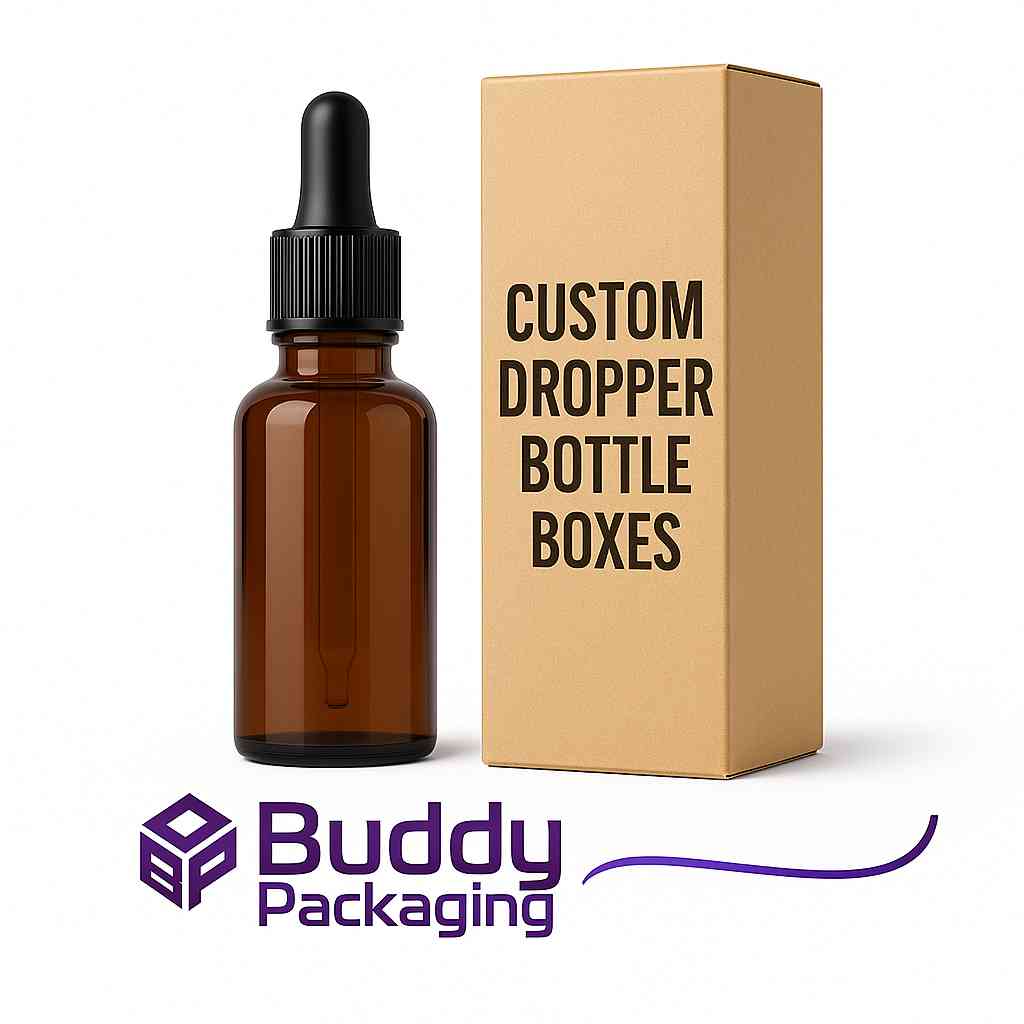
Dropper Bottle Boxes
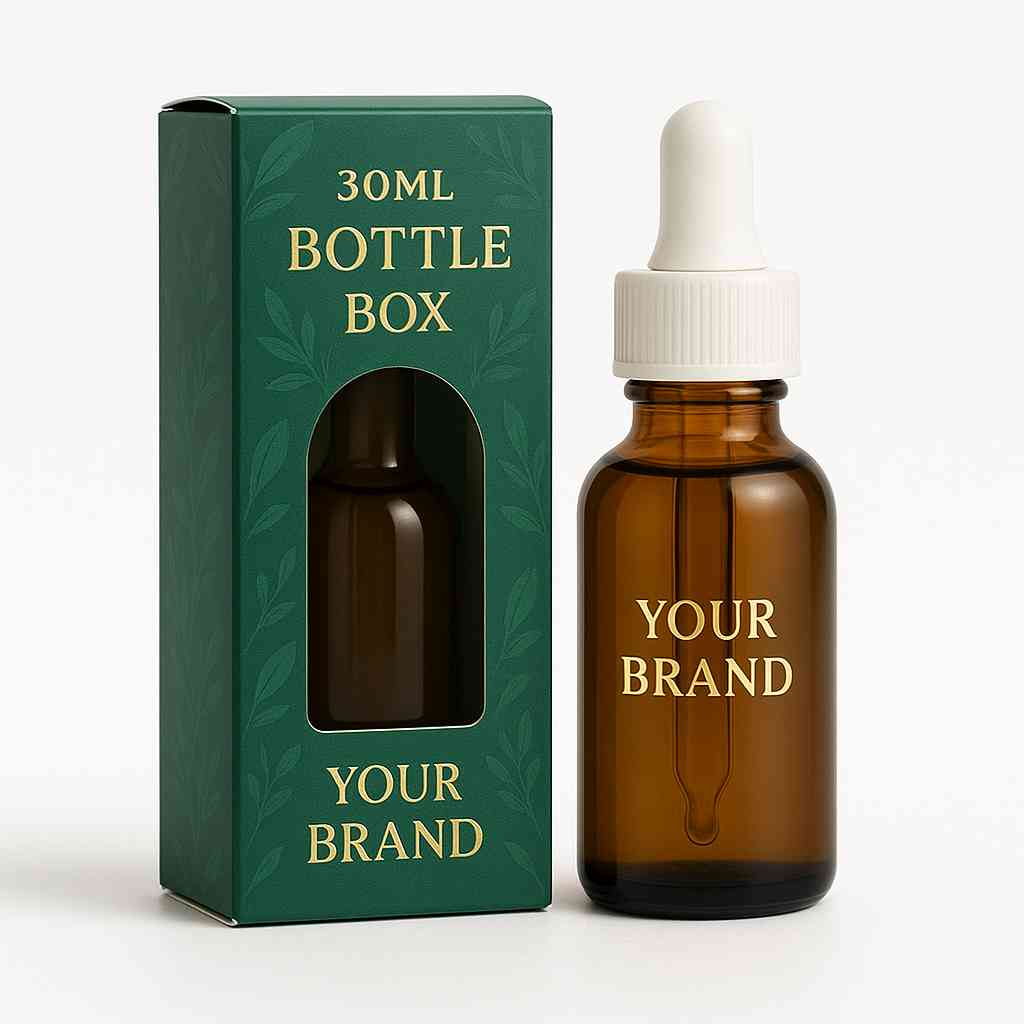
Custom 30ml Bottle Boxes
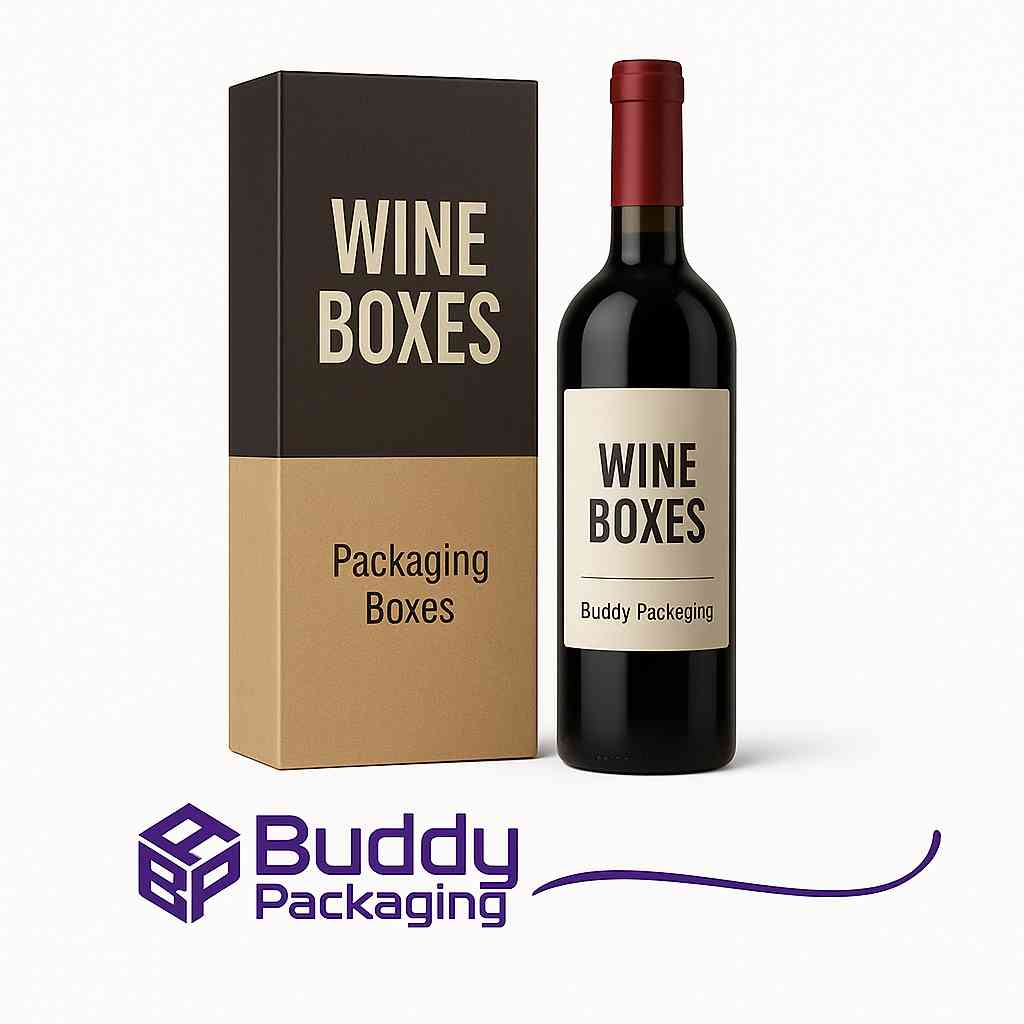
Wine Boxes

buddypackaginguk
Packaging & Print SpecialistTechnical packaging specialist at Buddy Packaging UK, sharing insights on corrugated board packaging, custom dielines, and print production.
View all packaging articles by buddypackaginguk →