House Printing Design
Introduction
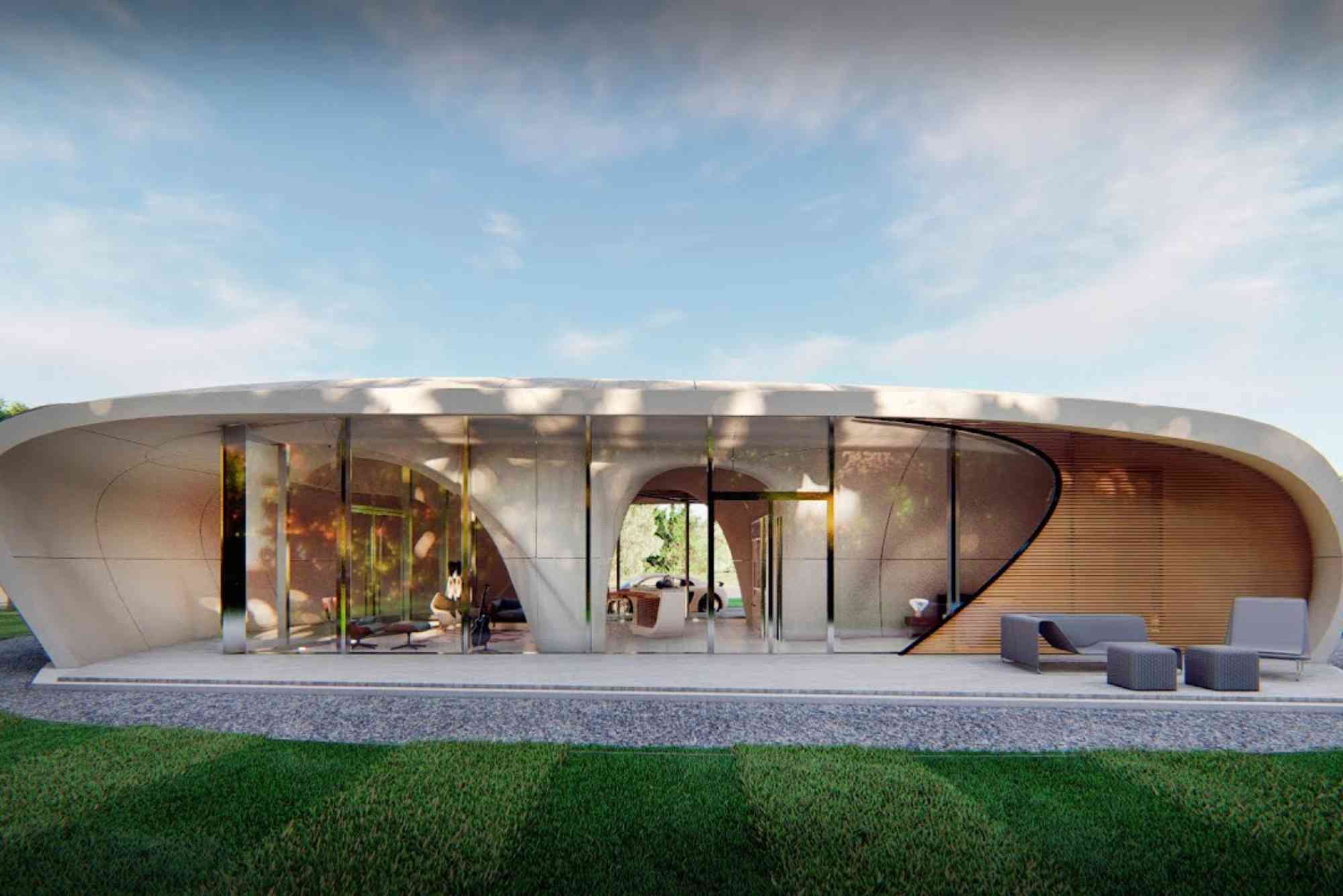
House Printing Design has become an essential element in modern architecture and interior aesthetics. Homeowners today want more than just strong walls and a sturdy roof. They want their homes to express personality, creativity, and style. As a result, House Printing Design now blends art, technology, and architecture to create visually appealing spaces.
In recent years, digital printing technologies and innovative design approaches have transformed how homes are decorated and finished. From textured exterior prints to customized interior wall graphics, House Printing Design allows homeowners to achieve unique visual identities. It enhances both residential value and aesthetic charm.
Moreover, this approach is not limited to decoration alone. Designers use House Printing Design techniques to improve branding for property developers, personalise living spaces, and even enhance sustainability in building materials. This article explores everything you need to know about House Printing Design, including its benefits, techniques, and modern trends.
Understanding House Printing Design
House Printing Design refers to the creative application of printed patterns, graphics, textures, and visual elements on residential surfaces. These designs can appear on walls, glass panels, flooring, tiles, exterior facades, and decorative panels.
Traditionally, decorative finishes relied heavily on paint and wallpaper. However, House Printing Design introduces a broader range of possibilities. Digital printing technologies allow intricate patterns, realistic textures, and customized artwork to be printed directly onto building materials.
Because of this flexibility, architects and interior designers now incorporate printed designs early in the planning phase. Instead of adding decoration at the end, House Printing Design becomes an integrated part of the home’s structure and identity.

This method also helps homeowners achieve highly personalised results. Families can incorporate cultural patterns, artistic murals, or modern geometric textures that reflect their lifestyle and taste.
The Evolution of House Printing Design
From Traditional Wall Decor to Modern Printing
In the past, decorative walls depended mainly on paint techniques such as sponging or stencilling. Although attractive, these methods were limited in complexity. Designers struggled to create highly detailed or customized visuals.
With the advancement of printing technology, House Printing Design expanded dramatically. Digital printers can now reproduce high-resolution graphics on large surfaces. This means designers can apply complex textures, 3D patterns, or even photographic images on walls and exterior panels.
Furthermore, modern printing solutions work with various materials. These include ceramic tiles, glass, aluminium panels, wood laminates, and even concrete surfaces. This versatility makes House Printing Design an important tool for both interior and exterior architecture.
Benefits of House Printing Design
Enhanced Visual Appeal
One of the most noticeable advantages of House Printing Design is its ability to transform ordinary spaces into visually striking environments. Printed textures and patterns create depth and personality. They turn blank walls into artistic statements.
Unlike traditional paint, printed designs allow for intricate details and vibrant colours that remain consistent across large surfaces. As a result, homeowners can achieve a polished and professional finish throughout the property.
Personalisation and Creative Freedom
Another benefit of House Printing Design is its unlimited customisation potential. Homeowners can integrate family themes, cultural patterns, or abstract artwork into their spaces.
Interior designers often collaborate with clients to create personalised designs that reflect lifestyle preferences. Whether it is a modern minimalist pattern or a traditional floral motif, printed designs allow homes to feel truly unique.
In addition, homeowners who invest in decorative projects such as Custom Packaging for business branding often apply similar design principles to their home interiors. This creates a cohesive aesthetic across personal and professional environments.
Durability and Maintenance
Modern printing materials are designed to last. UV-resistant inks and protective coatings ensure that printed surfaces resist fading, scratches, and moisture damage.
This durability makes House Printing Design suitable for both interior rooms and outdoor facades. Compared with wallpaper or simple paint, printed surfaces often require less maintenance over time.
Popular Types of House Printing Design
Exterior Facade Printing
Exterior House Printing Design has become increasingly popular among architects. Printed panels or textured surfaces create dynamic building facades that stand out within neighbourhoods.
These designs may include geometric patterns, natural stone textures, or contemporary abstract visuals. They enhance curb appeal and increase property value.
Developers also use exterior printing to give housing communities a consistent visual identity. By repeating certain patterns or colours, they create cohesive architectural styles across entire neighbourhoods.
Interior Wall Graphics
Interior walls are one of the most common surfaces for House Printing Design. Digital wall printing machines can print large-scale murals directly onto plaster or drywall.
Homeowners often choose scenic landscapes, artistic illustrations, or textured patterns for living rooms and bedrooms. These designs add character without requiring large amounts of furniture or decoration.
Because printed murals are customized, they can match the colours palette and architectural theme of the entire house.
Glass and Window Printing
Glass printing adds both beauty and privacy to modern homes. Designers use special inks and techniques to print patterns onto glass panels.
These designs may appear on windows, shower enclosures, partitions, or balcony railings. Frosted patterns, floral motifs, and geometric textures are particularly popular.
Glass printing enhances natural light while still maintaining visual privacy within the home.
The Role of Technology in House Printing Design
Technology plays a major role in the development of House Printing Design. Digital printers, UV printing machines, and advanced graphic software allow designers to create extremely detailed artwork.
Designers begin by creating digital concepts using specialised software. These digital files are then transferred to high-precision printers that apply the design directly to surfaces.
As a result, the final output remains consistent with the original concept. Colours, textures, and dimensions stay accurate throughout the printing process.
Professionals often follow expert packaging design tips and graphic design principles when creating house prints. These guidelines help maintain balance, harmony, and visual impact within architectural spaces.
Choosing the Right House Printing Design for Your Home
Selecting the right House Printing Design requires careful planning. Homeowners should consider their architectural style, interior colours palette, and overall atmosphere.
A modern minimalist home may benefit from subtle geometric patterns or textured neutral prints. In contrast, a traditional house might look better with floral patterns or classic decorative motifs.
Lighting conditions also influence design choices. Bright rooms can support bold prints, while darker areas benefit from lighter textures that reflect available light.
Working with professional designers ensures that the final design complements the home’s architecture. Experienced specialists can recommend materials and printing methods suited to each room or exterior surface.
Those interested in design consultations or professional services can explore resources such as Buddy Packaging Location for expert guidance and industry insights.
Future Trends in House Printing Design
The future of House Printing Design continues to evolve with technology and sustainability. Architects are increasingly integrating eco-friendly inks and recyclable materials into printed surfaces.
Three-dimensional printing effects are also gaining popularity. These designs create visual depth and texture that mimic natural materials like stone, wood, or marble.
Another emerging trend involves smart surfaces. Some experimental printing technologies incorporate light-reflective or heat-resistant properties into printed materials. These innovations improve energy efficiency and indoor comfort.
Furthermore, personalised home design will continue to grow. As printing technology becomes more affordable, homeowners will have greater control over their interior aesthetics.
The Rise of House Printing Design in Modern Homes
House Printing Design has transformed the way modern homes look and feel. It combines artistic creativity with advanced technology to produce stunning visual results. Whether applied to walls, glass panels, or exterior facades, printed designs allow homeowners to create personalised and sophisticated spaces.
Beyond aesthetics, House Printing Design also offers durability, flexibility, and innovative architectural possibilities. As technology continues to improve, the range of design options will expand even further.
If you are planning to upgrade your home or design a new property, exploring House Printing Design could be one of the most impactful decisions you make. Work with experienced designers and printing professionals to bring your vision to life and transform your living environment.
Frequently Asked Questions (FAQ)
What is House Printing Design?
House Printing Design refers to the use of digital printing technologies to apply patterns, textures, or artwork to surfaces within or outside a home.
Is House Printing Design durable?
Yes. Modern printing technologies use UV-resistant inks and protective coatings that ensure long-lasting colours and durability.
Can House Printing Design be customized?
Absolutely. One of the biggest advantages is customisation. Homeowners can choose personalised artwork, patterns, or textures for their living spaces.
Where can House Printing Design be applied?
House Printing Design can be applied to walls, ceilings, glass panels, tiles, furniture surfaces, and even exterior building facades.
Is digital wall printing expensive?
Costs vary depending on design complexity and surface area. However, many homeowners consider it a worthwhile investment due to its durability and unique aesthetic impact.
Shop the boxes from this guide

120ml Bottle Boxes
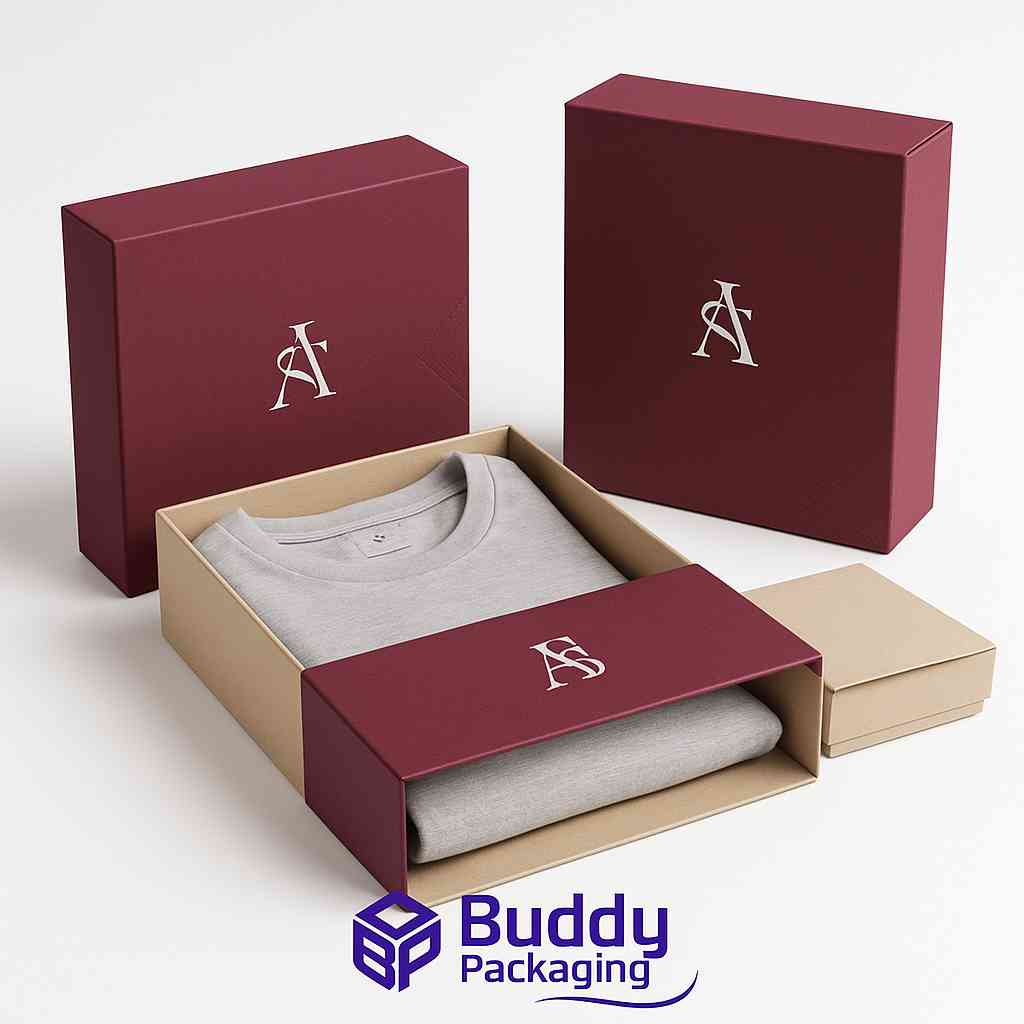
Apparel Sleeve Boxes
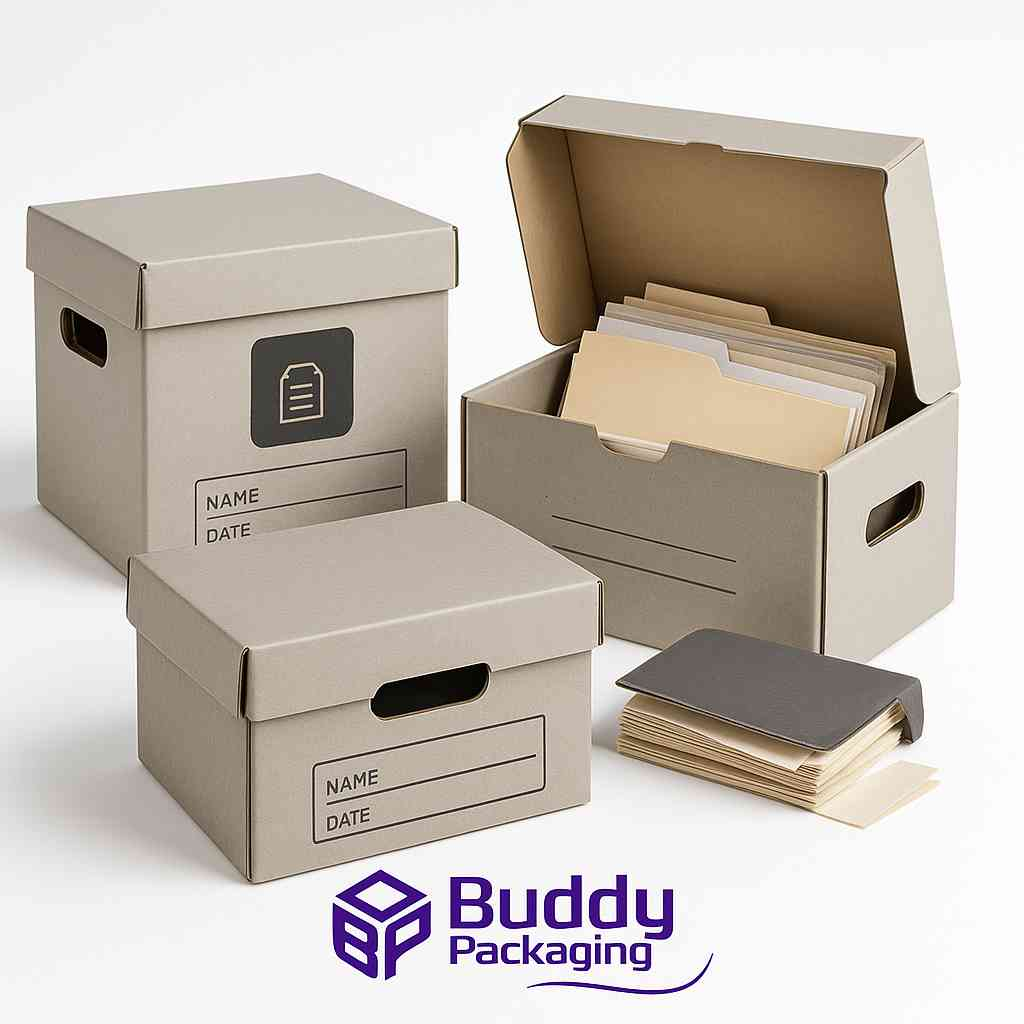
Archive Boxes

buddypackaginguk
Packaging & Print SpecialistTechnical packaging specialist at Buddy Packaging UK, sharing insights on corrugated board packaging, custom dielines, and print production.
View all packaging articles by buddypackaginguk →