Card Printing Design
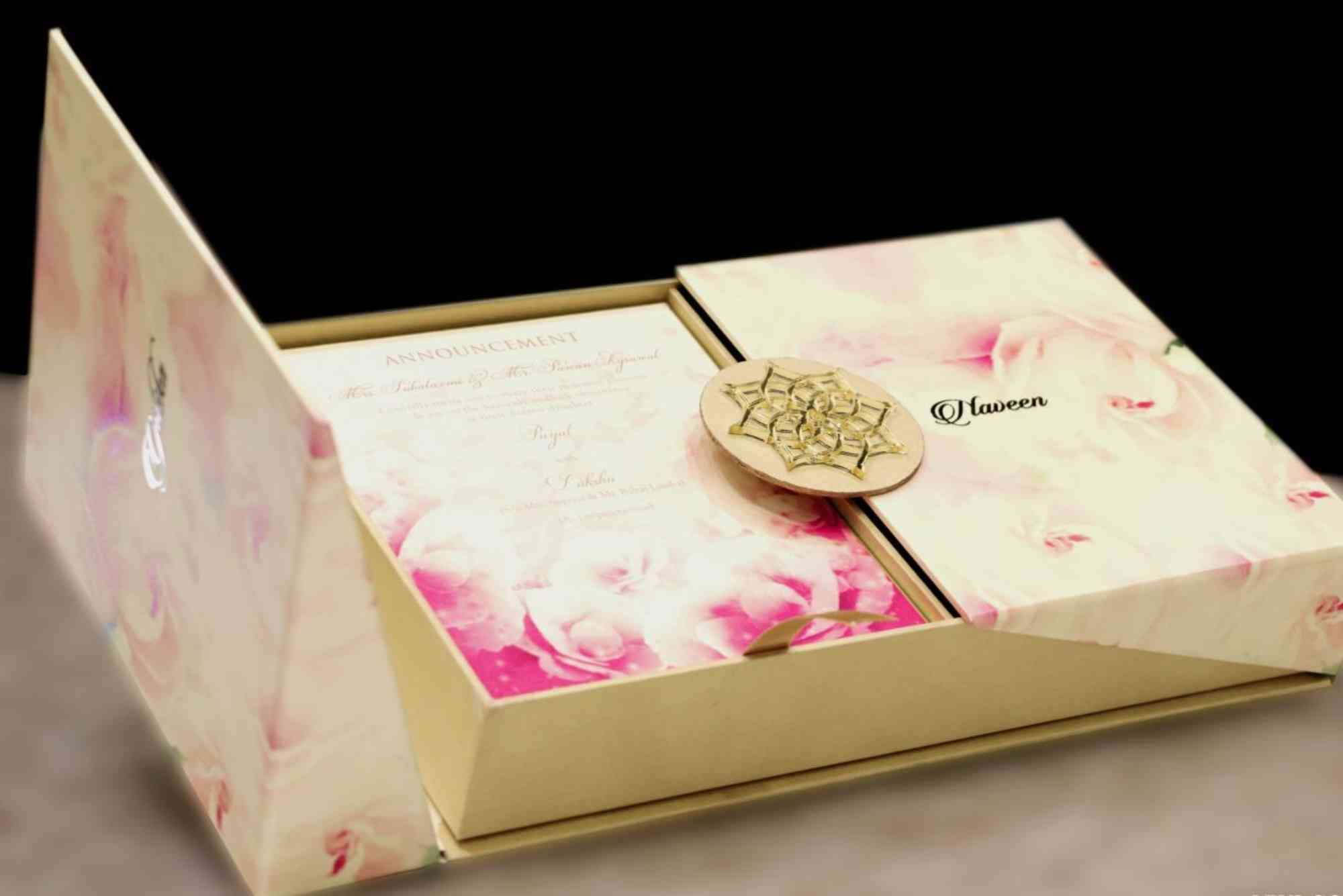
Card Printing Design: The Complete Guide to Professional and Eye-Catching Cards
A well-planned card printing design is more than just an attractive layout. It represents your brand, communicates your message, and creates a memorable first impression. Whether you need business cards, invitation cards, greeting cards, loyalty cards, or promotional cards, the right design combines creativity with functionality.
A professional card printing design helps businesses stand out in competitive markets. Every colour, font, image, and finishing detail contributes to the overall impact. When designed carefully, printed cards become valuable marketing tools that strengthen customer relationships and improve brand recognition.
This guide explores everything you need to know about creating an effective card printing design, from planning and layout to printing finishes and common mistakes.
Why Card Printing Design Matters
The quality of a card printing design reflects the professionalism of a business or organisation. A thoughtfully designed card instantly builds trust and credibility. While digital communication continues to grow, printed cards remain an essential marketing asset because they provide a physical connection that people remember.
An effective design also improves readability. Important information becomes easier to find, making the card practical as well as attractive. Businesses that invest in quality printing often enjoy stronger brand awareness and better customer engagement.
A successful card printing design balances visual appeal with clear communication. Instead of overwhelming the reader with unnecessary graphics, it highlights the most important information in a clean and organised way.

Understanding the Purpose Before Designing
Every card printing design begins with a clear objective. Different cards serve different purposes, so the design should match the intended audience and message.
Business cards focus on professional identity. Greeting cards create emotional connections. Promotional cards encourage sales or special offers. Invitation cards communicate important event details in an elegant format.
Understanding the purpose allows designers to choose suitable colours, typography, images, and finishing techniques that reinforce the overall message.
Essential Elements of Card Printing Design
A successful card printing design combines several design principles that work together to produce an attractive final product.
Typography
Typography plays a major role in readability. Professional fonts improve the appearance of the card while maintaining clarity. Decorative fonts may look attractive, but they should never reduce readability.
Font sizes should create a clear visual hierarchy. Headlines should stand out, while supporting information remains easy to read.
Colour Selection
Colours influence emotions and brand perception. Bright colours attract attention, while softer shades create a sophisticated appearance.
Consistent brand colours help customers recognise your business instantly. High contrast between text and background also improves readability.
Images and Graphics
High-resolution images enhance the overall quality of a card printing design. Blurry or pixelated graphics reduce professionalism and may damage the brand image.
Graphics should support the message instead of distracting from it. White space remains equally important because it keeps the design balanced and uncluttered.
Layout and Balance
An organised layout guides the reader naturally through the content. Proper spacing prevents the card from appearing overcrowded.
Every element should have a purpose. A balanced design creates harmony and allows the most important information to stand out clearly.
Choosing the Right Card Size
The dimensions of a card affect both its appearance and usability. Standard business card sizes remain popular because they fit easily into wallets and card holders.
However, custom sizes can help businesses create a memorable impression. Square cards, folded cards, and oversized promotional cards all provide unique branding opportunities.
The chosen size should complement the overall card printing design rather than simply looking different.
Paper Quality and Printing Materials
The material used significantly influences the final result. Thick cardstock creates a premium feel, while textured paper adds elegance and sophistication.
Paper finish also affects appearance. Matte finishes reduce glare and create a refined look. Gloss finishes make colours appear more vibrant, while soft-touch finishes provide a luxurious texture.
Choosing quality materials ensures the card printing design remains durable and visually impressive.
Popular Printing Finishes
Modern printing technology offers numerous finishing options that enhance the appearance of printed cards.
Spot UV coating highlights selected areas with a glossy effect. Foil stamping adds metallic accents that create luxury. Embossing produces raised textures, while debossing creates recessed impressions.
Rounded corners offer a contemporary appearance, and laminated finishes improve durability for frequently handled cards.
These finishing techniques elevate a standard card printing design into a memorable marketing tool.
Brand Consistency Across Every Card
Brand consistency is essential for professional marketing. Every card printing design should reflect the company’s visual identity.
Using the same logo, typography, colours, and design style across all printed materials builds recognition and trust.
Businesses that maintain consistent branding appear more reliable and established in the eyes of customers.
Many companies also align printed materials with their Custom Packaging to create a unified customer experience. This consistency strengthens brand identity across every customer touchpoint.
Inspiration for Creative Designs
Creative ideas often come from observing successful designs across different industries. However, inspiration should never become imitation.
Looking at examples of packaging design inspiration can also help designers discover effective colour combinations, layouts, and branding concepts that work well across printed materials.
The goal is always to create something original while following proven design principles.
Common Card Printing Design Mistakes
Many attractive concepts lose their effectiveness because of simple design mistakes.
Overcrowded layouts reduce readability. Low-resolution images create poor print quality. Too many fonts make the design appear inconsistent, while weak colour contrast makes text difficult to read.
Ignoring bleed areas can result in important content being trimmed during production.
Professional designers always review every detail before approving the final artwork for printing.
Preparing Files for Professional Printing
Before sending artwork to print, every card printing design should undergo a thorough quality check.
Print-ready files typically use CMYK colour mode instead of RGB. Images should maintain high resolution to ensure sharp printing.
Bleed margins and safe zones help prevent unwanted trimming issues. Designers should also convert fonts into outlines when necessary to avoid compatibility problems.
Proper preparation reduces production delays and ensures the finished cards match the original design.
How Professional Design Improves Marketing
An effective card printing design continues working long after it has been handed to a customer.
Professionally designed cards encourage people to keep them rather than discard them. This increases the likelihood of future contact and referrals.
Printed cards also complement digital marketing by providing a physical reminder of your business. Together, online and offline branding create a stronger overall marketing strategy.
Businesses that invest in quality design often see improved customer confidence and stronger brand recognition.
Many printing companies also include their Buddy Packaging Location details on printed materials, helping customers quickly identify nearby branches or service centres when they require additional products.
Future Trends in Card Printing Design
The printing industry continues to evolve with new technologies and creative techniques.
Minimalist layouts remain highly popular because they focus attention on essential information. Sustainable printing materials continue gaining importance as businesses adopt environmentally responsible practices.
Variable data printing allows personalised cards for individual customers, improving engagement and response rates.
Interactive elements such as QR codes connect printed materials with digital experiences, creating a seamless customer journey.
Despite technological advances, the core principles of an effective card printing design remain unchanged. Clear communication, strong branding, and excellent print quality continue to define successful printed cards.
Conclusion
A professional card printing design combines creativity, strategy, and quality printing to produce lasting impressions. Every design decision, from typography and colours to paper selection and finishing techniques, contributes to the overall effectiveness of the final product.
Whether creating business cards, promotional cards, invitations, or loyalty cards, investing in thoughtful design helps strengthen your brand and improve customer engagement. High-quality printed cards remain one of the most effective offline marketing tools available today.
If you want your brand to stand out, focus on creating a card printing design that reflects professionalism, communicates clearly, and leaves a memorable impression on every recipient.
buddypackaging.co.uk offers innovative and eco-friendly packaging solutions for businesses of all sizes. From custom boxes to sustainable materials, they help brands stand out while caring for the environment. Their expert team ensures high-quality, reliable, and stylish packaging that meets every need.
Frequently Asked Questions
What makes a good card printing design?
A good card printing design combines readable typography, balanced layouts, quality images, suitable colours, and premium printing materials. It should clearly communicate the intended message while reflecting the brand identity.
Which paper is best for card printing design?
Heavy cardstock is generally the preferred option because it offers better durability and a premium feel. Matte, gloss, and soft-touch finishes each provide different visual and tactile effects depending on the project’s goals.
What resolution should images have for card printing design?
Images should usually be at least 300 DPI to ensure sharp, professional print quality. Lower resolutions may appear blurry after printing.
How important are bleed margins in card printing design?
Bleed margins prevent unwanted white edges after trimming. They ensure colours and background images extend beyond the final cut size for a clean finish.
Should I choose matte or glossy finishes?
The choice depends on your brand style. Matte finishes create a sophisticated appearance with less glare, while glossy finishes enhance colour vibrancy and make images stand out more effectively.
Can card printing design improve brand recognition?
Yes. Consistent colours, typography, logos, and layouts help customers recognise and remember your business. A professional card printing design strengthens credibility and supports long-term marketing success.
Related Reading: 3D Printing Design Books
Related Reading: Banner Printing Design
Related Reading: Home Printing Design
Related Reading: 3D Printing Design Books — full guide
Related Reading: Home Printing Design — full guide
Shop the boxes from this guide

120ml Bottle Boxes
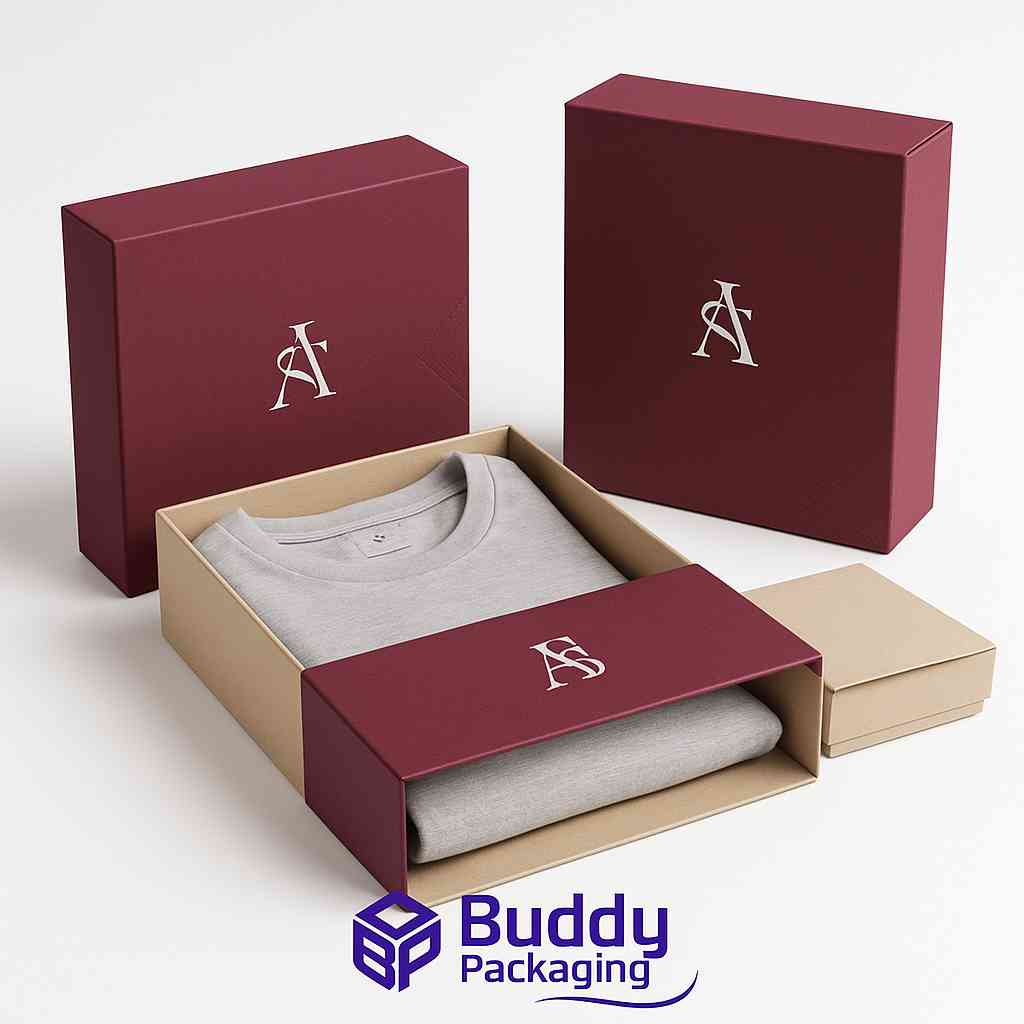
Apparel Sleeve Boxes
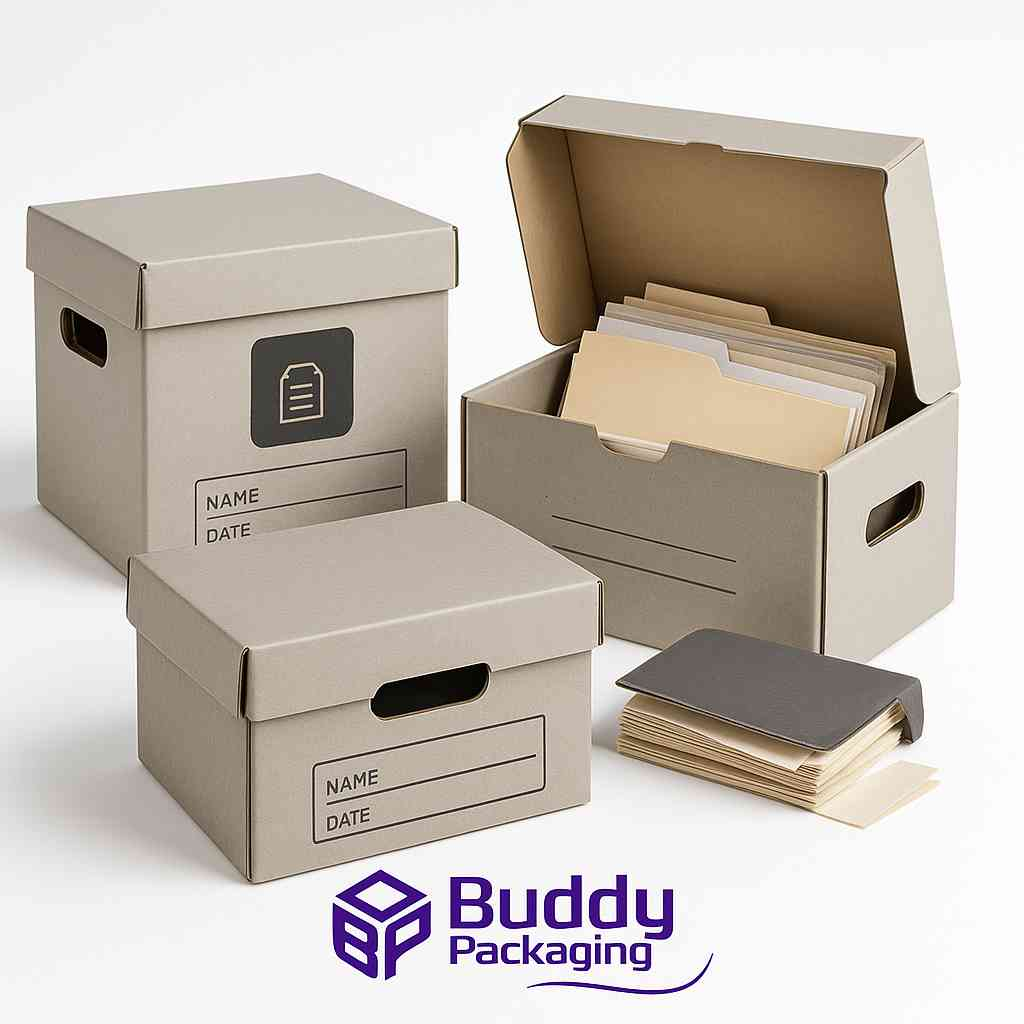
Archive Boxes

buddypackaginguk
Packaging & Print SpecialistTechnical packaging specialist at Buddy Packaging UK, sharing insights on corrugated board packaging, custom dielines, and print production.
View all packaging articles by buddypackaginguk →