Introduction
Stencil printing design is one of the oldest and most versatile printing methods still used today. It combines creativity with precision, allowing artists, businesses, and hobbyists to create eye-catching designs on paper, fabric, walls, wood, and many other surfaces. Whether you are creating decorative artwork or branding products, stencil printing offers a simple yet effective solution.
The popularity of stencil printing design has increased significantly in recent years. This is because it is affordable, easy to learn, and capable of producing professional results. From fashion and home décor to commercial branding and Custom Packaging, stencil techniques are now used across many industries.
Unlike digital printing methods, stencil printing creates a handmade appearance that many people find attractive. The technique allows for endless creativity while maintaining consistency in repeated designs. As a result, businesses and artists continue to rely on stencil printing design for unique and memorable visual effects.
What Is Stencil Printing Design?
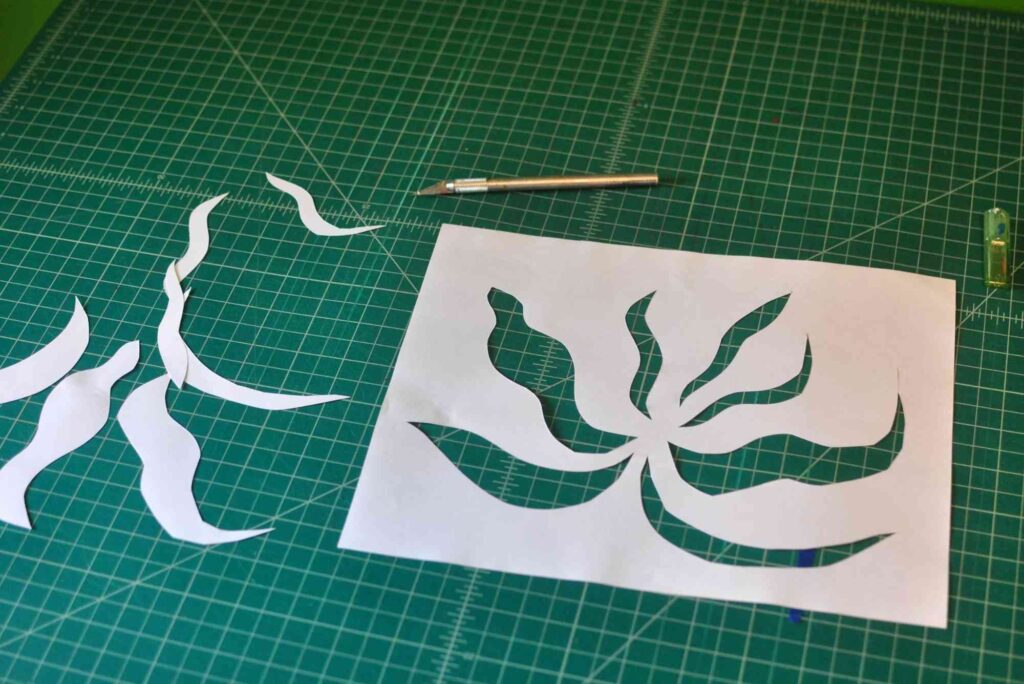
Stencil printing design is a printing process that uses a thin sheet with cut-out patterns or images. Ink or paint passes through the open sections and transfers the design onto a surface underneath.
The stencil acts as a template. Areas that remain covered prevent ink from passing through, while open spaces create the desired image. This simple process allows the same design to be reproduced multiple times with excellent accuracy.
Today, stencil printing design is used for artistic projects, textile decoration, wall art, packaging, branding, and promotional materials. Its flexibility makes it suitable for both small personal projects and large commercial production.
The History of Stencil Printing Design
Stencil printing has a rich history dating back thousands of years. Ancient civilisations used early stencil methods to decorate caves, fabrics, and pottery. Over time, the technique evolved into a sophisticated art form.
In Asia, stencil printing became an important part of textile decoration. Japanese artisans developed intricate paper stencils for fabric printing, while European craftsmen adopted stencil techniques for furniture and interior decoration.
Modern stencil printing design combines traditional craftsmanship with advanced materials and tools. This blend of old and new techniques has helped the method remain relevant in today’s creative industries.
How Stencil Printing Design Works
The stencil printing process begins with creating a design. The artwork is then cut into a stencil sheet using knives, laser cutters, or digital machines.
Once the stencil is prepared, it is placed firmly on the chosen surface. Paint or ink is applied using brushes, rollers, sponges, or spray equipment. The colour passes through the open areas while blocked sections remain untouched.
After removing the stencil carefully, the printed image appears clearly on the surface. The stencil can then be cleaned and reused for future projects.
This straightforward process is one of the reasons stencil printing design remains popular among beginners and professionals alike.
Materials Used in Stencil Printing Design
Selecting the right materials is essential for achieving high-quality results. Different projects require different stencil materials depending on the level of detail and durability required.
Plastic stencils are popular because they are flexible and reusable. They resist moisture and maintain their shape over time.
Paper stencils are inexpensive and ideal for temporary projects. However, they may wear out quickly after repeated use.
Metal stencils offer exceptional durability and precision. They are often used in industrial applications where consistent results are required.
The type of paint or ink also affects the final appearance. Acrylic paints are commonly used because they dry quickly and produce vibrant colours. Fabric inks are preferred for textile printing, while spray paints are often used for wall art and street designs.
Advantages of Stencil Printing Design
Stencil printing design offers several benefits that make it attractive for creative and commercial use.
The process is cost effective because one stencil can be reused many times. This reduces production costs while maintaining design consistency.
Another major advantage is versatility. Stencil printing can be applied to numerous materials including fabric, paper, wood, glass, metal, and concrete.
The technique is also beginner friendly. Even people with limited artistic experience can create impressive designs after practising basic skills.
In addition, stencil printing design allows for precise repetition. Businesses often use it for logos and branding because each print maintains a consistent appearance.
Popular Applications of Stencil Printing Design
Stencil printing design is widely used in various industries due to its flexibility and creative potential.
Fashion designers use stencils to print patterns on t-shirts, bags, and jackets. Handmade clothing featuring stencil artwork has become increasingly popular among consumers who appreciate unique designs.
Interior designers apply stencil techniques to walls, furniture, and decorative accessories. This approach creates personalised spaces with artistic appeal.
Businesses use stencil printing design for branding purposes. Product boxes, promotional materials, and packaging often feature stencil-inspired artwork. Many companies also follow modern packaging design tips to combine attractive visuals with practical functionality.
Artists rely on stencil printing for posters, illustrations, and mixed-media projects. The technique enables them to experiment with textures and layered colours while maintaining sharp edges.
Comparison of Stencil Printing Design Methods
| Method | Best For | Cost | Reusability | Detail Level |
|---|---|---|---|---|
| Paper Stencil | Small projects | Low | Limited | Medium |
| Plastic Stencil | Crafts and textiles | Medium | High | High |
| Metal Stencil | Industrial work | High | Very High | Very High |
| Adhesive Stencil | Wall decoration | Medium | Moderate | High |
This comparison highlights how stencil printing design can adapt to different creative requirements and budgets.
Tips for Creating Better Stencil Printing Design
Creating an effective stencil begins with choosing a clear and balanced design. Avoid extremely thin sections because they may tear or fail to transfer properly.
Always secure the stencil before applying paint. Movement during printing can cause blurred edges and uneven results.
Use thin layers of paint instead of heavy coats. Excess paint may bleed beneath the stencil and reduce image quality.
Cleaning reusable stencils after each use also improves durability. Proper maintenance helps preserve intricate details and ensures consistent performance over time.
Experimenting with colours and textures can further enhance stencil printing design. Layering multiple stencils creates depth and produces more sophisticated artwork.
Future Trends in Stencil Printing Design
Stencil printing design continues to evolve with advances in technology and changing consumer preferences.
Laser cutting machines now allow artists to create extremely detailed stencils with remarkable precision. These tools reduce production time while increasing design complexity.
Eco-friendly materials are also gaining popularity. Many creators prefer sustainable stencil sheets and water-based paints to minimise environmental impact.
Customisation is another growing trend. Consumers increasingly seek personalised products featuring unique stencil artwork. Businesses that embrace this trend can strengthen customer engagement and brand recognition.
Creative studios around the world continue to experiment with innovative stencil techniques. If you are searching for inspiration or exploring professional services, visiting Buddy Packaging Location may provide valuable ideas for packaging and design solutions.
Why Businesses Choose Stencil Printing Design
Businesses appreciate stencil printing because it combines creativity with affordability. Small companies can produce attractive branded materials without investing in expensive printing equipment.
Stencil printing design also supports limited production runs. Companies can test new packaging concepts, promotional campaigns, or decorative elements before committing to large-scale manufacturing.
The handmade aesthetic appeals to customers seeking authenticity. This is particularly important for artisan brands, eco-friendly products, and boutique businesses that want to stand out in competitive markets.
As a result, stencil printing remains an effective branding tool across many industries.
Conclusion
Stencil printing design is a timeless printing technique that blends creativity, simplicity, and versatility. It allows artists and businesses to create distinctive designs on a wide range of materials while keeping production costs manageable.
From fashion and home décor to branding and packaging, stencil printing design continues to inspire innovation. Modern tools have expanded its possibilities, yet the core principles remain simple and accessible.
If you want to explore a creative printing method that offers both artistic freedom and practical benefits, stencil printing design is an excellent choice. Start experimenting today and discover how this classic technique can transform your ideas into impressive visual creations.
buddypackaging.co.uk offers innovative and eco-friendly packaging solutions for businesses of all sizes. From custom boxes to sustainable materials, they help brands stand out while caring for the environment. Their expert team ensures high-quality, reliable, and stylish packaging that meets every need.
FAQ
What is stencil printing design used for?
Stencil printing design is used for fabric printing, wall decoration, packaging, posters, furniture decoration, and branding materials. It is suitable for both artistic and commercial applications.
Is stencil printing design easy for beginners?
Yes, stencil printing design is considered beginner friendly. The process is simple to learn and requires only basic tools and materials to create attractive results.
Which material is best for stencil printing?
Plastic stencils are often the best choice because they are durable, flexible, and reusable. However, paper and metal stencils are also suitable depending on the project requirements.
Can stencil printing design be used on fabric?
Yes, stencil printing design works exceptionally well on fabric. Special textile inks allow the printed design to remain vibrant and durable after washing.
How long do reusable stencils last?
The lifespan of reusable stencils depends on the material and maintenance. High-quality plastic and metal stencils can last for hundreds of uses when cleaned and stored properly.
Related Reading: Banner Printing Design
Related Reading: Home Printing Design
Related Reading: Film Roll & Printing Cylinder Lifting: The Advantages of Air Mandrel Manipulator Systems
Related Reading: 3D Printing Design Books
Related Reading: Home Printing Design — full guide
Related Reading: Banner Printing Design — full guide
Related Reading: 3d printing design ideas — full guide
Related Reading: Digital Printing Logo Design — full guide