3D Printing Logo Design
Introduction
In today’s competitive branding landscape, businesses are constantly searching for ways to stand out. One of the most innovative approaches gaining traction is 3D printing logo design. Unlike traditional flat logos, 3D logos bring depth, texture, and a tangible feel that instantly captures attention. Whether used for signage, product packaging, or promotional materials, this modern technique is redefining how brands express identity.
This article explores everything you need to know about 3D printing logo design—from concept development to execution—while offering practical insights to help you create a visually compelling and memorable brand presence.
What Is 3D Printing Logo Design?
3D printing logo design refers to the process of creating a three-dimensional version of a brand’s logo using additive manufacturing technology. Instead of being confined to screens or paper, the logo becomes a physical object with measurable depth and structure.
How It Works
- A digital logo is converted into a 3D model using specialized software
- The design is prepared for printing by adjusting dimensions and layers
- A 3D printer builds the logo layer by layer using materials like plastic, resin, or metal
Why It Matters
- Adds realism and depth to branding
- Creates a premium, modern aesthetic
- Enhances brand recall through tactile interaction
Benefits of 3D Printing Logo Design
Enhanced Visual Appeal
A 3D logo naturally stands out compared to flat graphics. Its depth and shadows create a more engaging visual experience.
Improved Brand Recognition
Customers are more likely to remember a brand with a distinctive physical presence. A 3D printing logo design can make your brand instantly recognizable.
Versatile Applications
From storefront signage to product packaging, 3D logos can be used across multiple platforms.

Customisation Opportunities
You can experiment with textures, materials, and finishes to align with your brand identity.
Key Elements of an Effective 3D Printing Logo Design
Simplicity and Clarity
Complex logos may lose detail when printed in 3D. A clean and simple design ensures better results.
Scalability
Your logo should look great at different sizes, whether it’s a small product label or a large signboard.
Material Compatibility
Choose materials that complement your brand—metal for luxury, plastic for affordability, or wood for eco-friendly appeal.
Depth and Dimension
Proper layering and depth enhance the 3D effect without making the design bulky or impractical.
Design Process for 3D Printing Logos
Concept Development
Start by understanding your brand identity, target audience, and industry trends.
Digital Modeling
Use tools like CAD software to convert your 2D logo into a 3D model.
Prototype Creation
Test your design with a sample print to identify any issues.
Final Production
Once refined, proceed with full-scale printing using high-quality materials.
Popular Tools for 3D Printing Logo Design
CAD Software
Programs like AutoCAD and Fusion 360 help create precise 3D models.
Graphic Design Tools
Adobe Illustrator or similar tools are used to prepare the initial logo design.
Slicing Software
This software converts the 3D model into instructions for the printer.
Applications of 3D Printing Logo Design
Business Signage
3D logos are widely used for storefronts and office interiors, giving a professional and modern look.
Product Packaging
Brands are incorporating 3D elements into packaging to create a premium unboxing experience. For example, integrating your logo into packaging solutions like Custom Packaging can elevate brand perception and customer satisfaction.
Corporate Gifts
Customised 3D logos on promotional items make memorable corporate gifts.
Trade Shows and Events
A 3D printing logo design can make your booth stand out in crowded exhibitions.
Best Practices for Creating a 3D Printing Logo Design
Focus on Readability
Ensure that text and symbols remain clear even after adding depth.
Choose the Right Material
Different materials produce different finishes, so select one that aligns with your brand image.
Optimize for Printing
Avoid overly thin lines or intricate details that may not print well.
Test Before Finalizing
Always create prototypes to ensure quality and accuracy.
Common Mistakes to Avoid
Overcomplicating the Design
Too many details can make the logo look cluttered and difficult to print.
Ignoring Material Limitations
Not all designs work with every material, so plan accordingly.
Skipping Prototyping
Failing to test your design can lead to costly errors.
Neglecting Brand Consistency
Your 3D logo should align with your overall brand identity.
Future Trends in 3D Printing Logo Design
Sustainable Materials
Eco-friendly printing materials are becoming increasingly popular.
Interactive Logos
Some brands are experimenting with logos that incorporate lighting or motion.
Mass Customisation
Advancements in technology are making it easier to produce customised 3D logos at scale.
For ongoing updates and industry developments, platforms offering print & finishing insights provide valuable information about emerging trends and techniques.
Why Businesses Are Investing in 3D Printing Logo Design
Modern consumers value innovation and uniqueness. A 3D printing logo design not only enhances visual appeal but also communicates a brand’s commitment to creativity and quality.
Businesses that adopt this approach often see:
- Increased customer engagement
- Stronger brand identity
- Higher perceived value
Additionally, having a physical presence—such as a branded location—can further strengthen credibility. You can explore an example through Buddy Packaging Location to understand how physical branding integrates with design.
3D printing logo design is more than just a trend—it’s a powerful branding tool that combines technology and creativity. By adding depth and dimension to your logo, you can create a memorable and impactful brand identity that resonates with modern audiences.
Whether you’re a startup looking to stand out or an established business aiming to refresh your image, investing in 3D printing logo design can give you a competitive edge.
FAQs
What is 3D printing logo design used for?
It is used for branding applications such as signage, packaging, promotional items, and corporate gifts.
Is 3D printing logo design expensive?
Costs vary depending on size, material, and complexity, but it can be affordable for both small and large businesses.
What materials are used in 3D logo printing?
Common materials include plastic, resin, metal, and wood, each offering different finishes and durability.
Can any logo be converted into 3D?
Most logos can be adapted, but simpler designs work best for achieving clean and effective results.
How long does it take to create a 3D printed logo?
The timeline depends on design complexity and printing method, typically ranging from a few hours to several days.
Do I need special software for 3D printing logo design?
Yes, CAD and slicing software are essential for creating and preparing 3D models for printing.
Shop the boxes from this guide
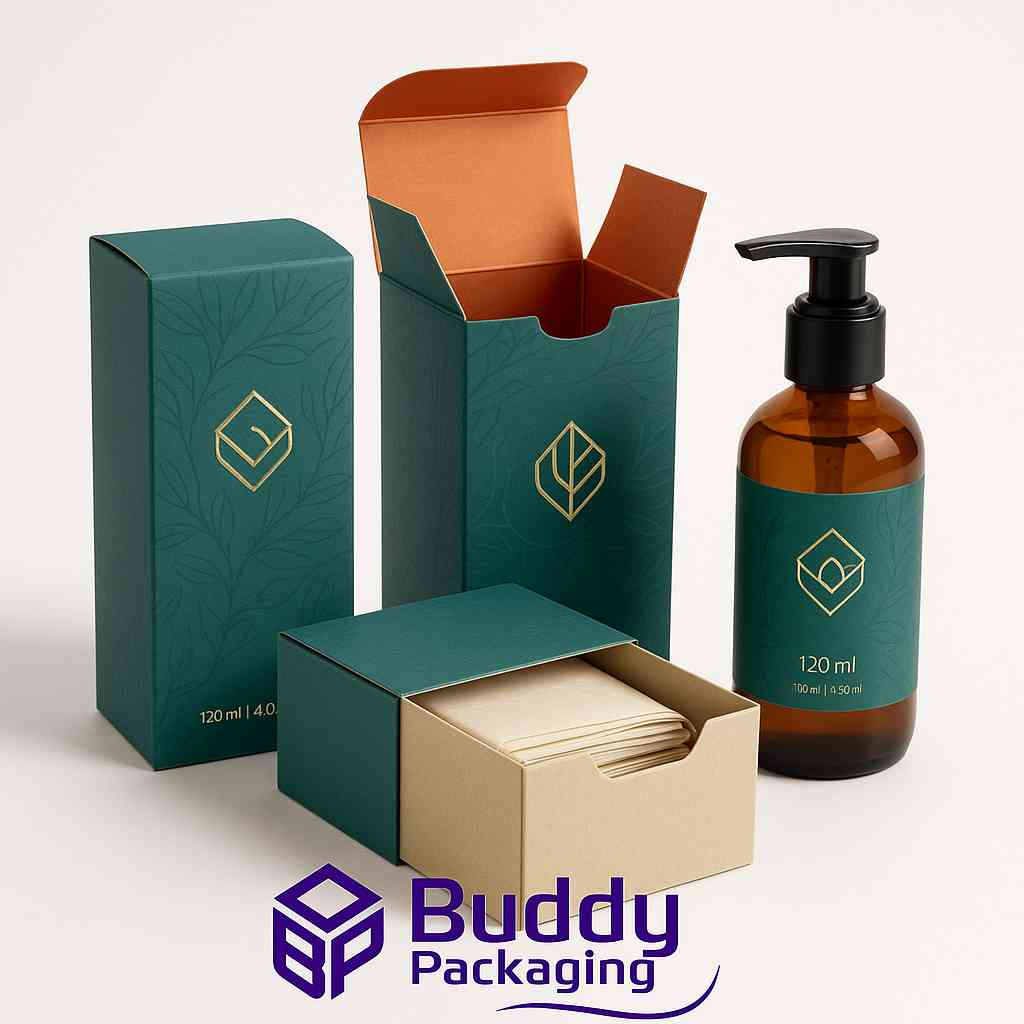
120ml Bottle Boxes
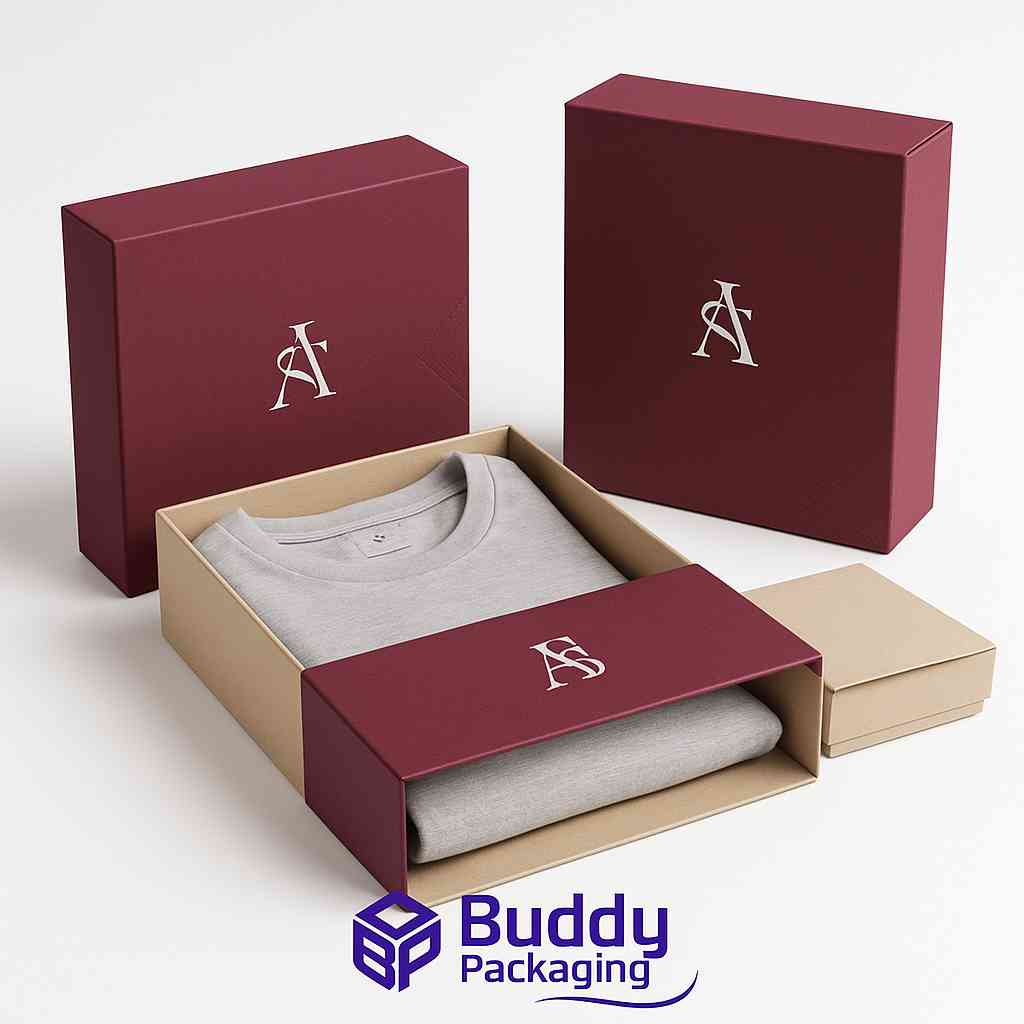
Apparel Sleeve Boxes
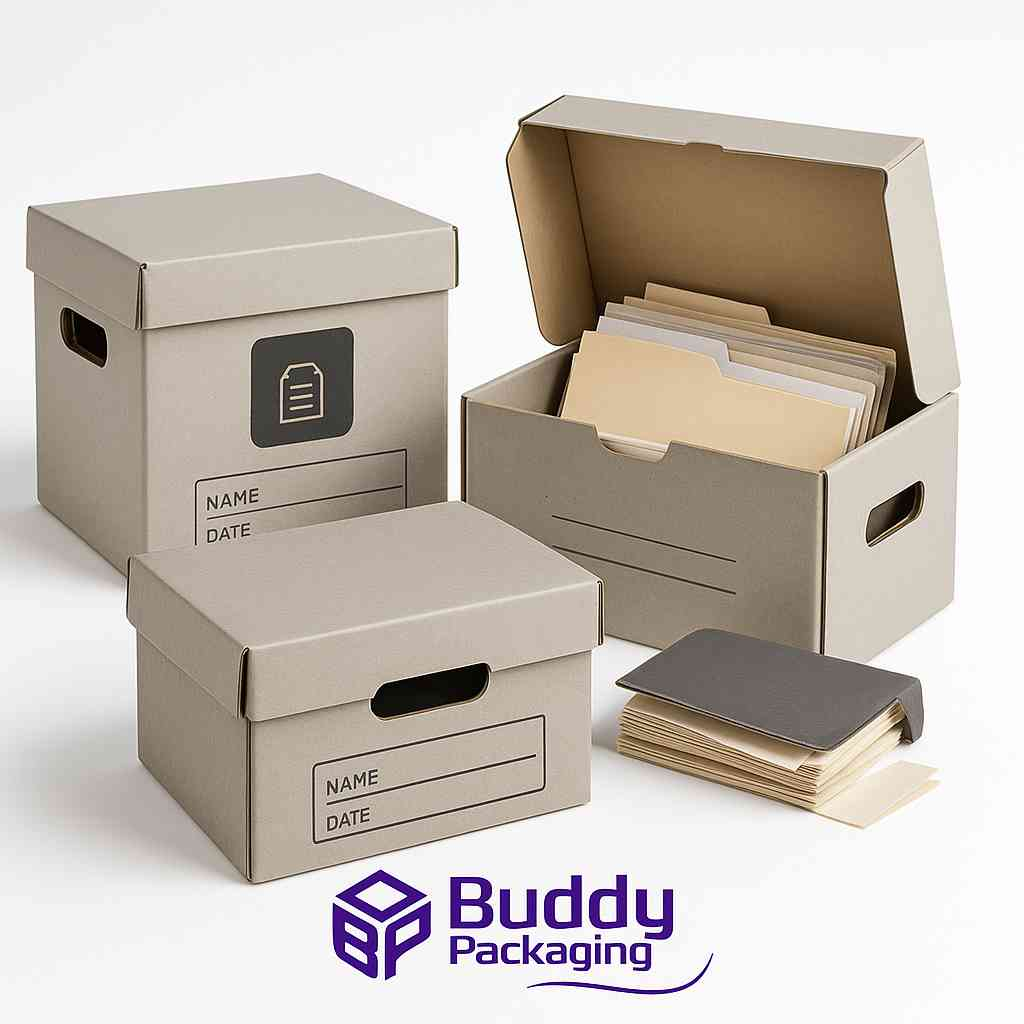
Archive Boxes

buddypackaginguk
Packaging & Print SpecialistTechnical packaging specialist at Buddy Packaging UK, sharing insights on corrugated board packaging, custom dielines, and print production.
View all packaging articles by buddypackaginguk →