Single 6th Order Bandpass Box Design
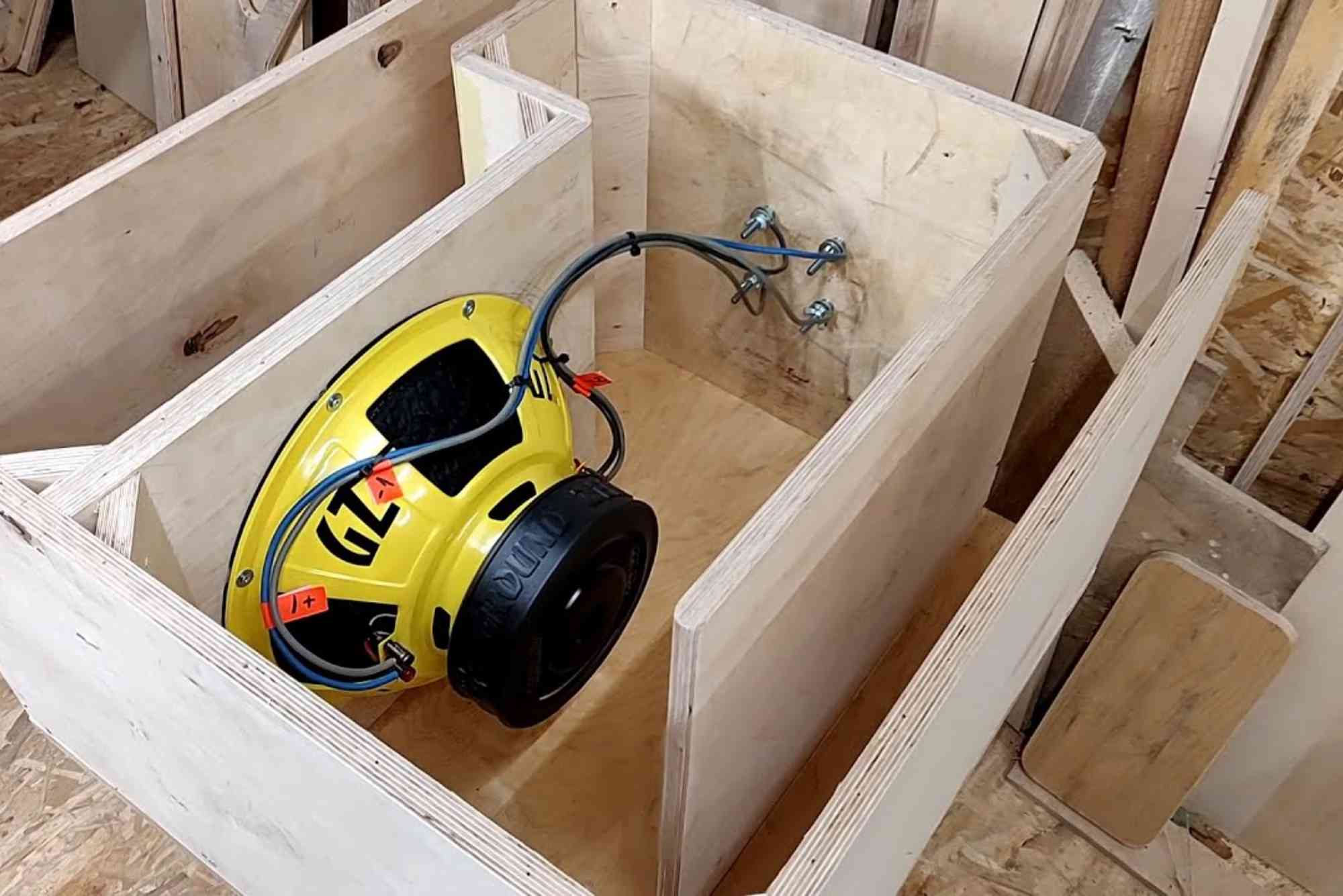
Single 6th Order Bandpass Box Design
A single 6th order bandpass box design is one of the most powerful subwoofer enclosure styles for deep and aggressive bass. Many car audio enthusiasts prefer this enclosure because it produces high output while keeping distortion under control. When designed correctly, it can deliver impressive low-frequency performance that standard sealed or ported boxes cannot match.
Although the design process may appear technical, understanding the basics makes it easier to create a balanced enclosure. A properly tuned single 6th order bandpass box design improves efficiency, enhances bass response, and protects the subwoofer from unnecessary stress.
For anyone interested in advanced bass systems, learning the structure and tuning of this enclosure is essential. Many professional audio builders also combine strong enclosure engineering with creative Custom Boxes concepts to improve both performance and appearance.
Understanding a Single 6th Order Bandpass Box Design
A single 6th order bandpass box design uses two separate chambers. One chamber is sealed, while the other is ported. The subwoofer sits between both chambers. Sound travels through the ported section before reaching the listener.
This enclosure differs from traditional designs because both chambers influence sound output. As a result, the enclosure can produce louder bass across a wider frequency range.
The main advantage of this system is efficiency. The design amplifies selected frequencies naturally. Therefore, it allows the subwoofer to play louder with less amplifier power.

Another reason why audio enthusiasts choose this enclosure is its ability to create clean bass. Since the subwoofer remains enclosed inside the cabinet, unwanted distortion becomes less noticeable.
How a 6th Order Bandpass Enclosure Works
The sealed chamber controls cone movement. This improves subwoofer accuracy and helps reduce mechanical stress. Meanwhile, the ported chamber boosts bass frequencies and increases output efficiency.
The tuning frequency determines how the enclosure performs. Lower tuning provides deeper bass, while higher tuning creates louder output around specific frequencies.
Because both chambers affect performance, accurate calculations are extremely important. Small mistakes in volume or port size can negatively impact sound quality.
A carefully designed single 6th order bandpass box design delivers smooth bass response and excellent low-frequency extension. This is why advanced audio systems often rely on this enclosure style.
Benefits of a Single 6th Order Bandpass Box Design
One major advantage is increased efficiency. The enclosure naturally amplifies bass frequencies, allowing the system to produce stronger sound pressure levels.
Another benefit is better cone protection. Since the woofer remains inside the enclosure, accidental physical damage becomes less likely.
This design also allows better control over frequency response. Builders can tune the enclosure to target specific bass ranges depending on music preferences.
For example, some users prefer lower frequencies for deep hip-hop bass. Others may tune for punchier bass suitable for electronic music.
Additionally, many installers appreciate the visual flexibility of these enclosures. Creative windows, acrylic panels, and lighting features work well with modern box design tips used in custom audio installations.
Choosing the Right Subwoofer
The subwoofer plays a major role in enclosure performance. Not every woofer performs well in a bandpass system.
Drivers with strong motor structures and proper suspension systems usually work best. Low-frequency handling is especially important because the enclosure focuses heavily on bass reproduction.
Subwoofer parameters such as Fs, Vas, and Qts help determine enclosure compatibility. These specifications guide the tuning process and influence chamber sizes.
A powerful woofer combined with an accurate single 6th order bandpass box design can produce extremely impressive bass levels without sacrificing clarity.
Importance of Box Volume Calculations
Accurate chamber volume calculations are essential. Incorrect dimensions can create poor airflow, reduced efficiency, and muddy bass response.
The sealed chamber usually remains smaller than the ported chamber. However, exact measurements depend on subwoofer specifications and desired tuning frequency.
Internal displacement must also be considered. The woofer itself occupies space inside the enclosure. Ports and bracing reduce internal volume as well.
Builders often use modelling software to calculate ideal dimensions. This process improves precision and reduces the risk of tuning problems.
Even experienced builders spend significant time adjusting chamber volumes before final construction.
Port Design and Airflow Management
Port design strongly influences sound quality. Poor airflow can create turbulence and unwanted port noise.
A larger port area allows smoother airflow. However, increasing port size may require longer port lengths to maintain proper tuning.
Rounded port edges help minimise air resistance. Many professional builders use aero ports or flared designs for cleaner sound performance.
The tuning frequency should match the listening goals of the system. Lower tuning creates deeper bass extension, while higher tuning improves output around mid-bass frequencies.
A balanced single 6th order bandpass box design carefully controls airflow while maintaining proper acoustic loading.
Materials Used for Enclosure Construction
Medium-density fibreboard remains the most popular material for subwoofer enclosures. MDF provides strong structural integrity and minimises unwanted vibrations.
Thicker wood panels improve durability and reduce resonance. Many builders use double-layer front baffles for extra strength.
Internal bracing is also important. Large panels can flex under heavy bass pressure. Bracing prevents movement and improves sound accuracy.
Proper sealing is equally critical. Air leaks reduce enclosure efficiency and negatively affect tuning.
High-quality construction techniques improve the long-term reliability of the enclosure.
Common Design Mistakes
Many beginners make tuning errors. Incorrect port length is one of the most common problems.
Another issue involves chamber imbalance. If one chamber becomes too large or too small, bass performance suffers significantly.
Weak construction also creates problems. Thin wood panels may vibrate excessively during high output.
Some builders ignore airflow limitations. Small ports often create loud chuffing noises at higher volumes.
Careful planning helps avoid these issues. A successful single 6th order bandpass box design depends on precision and patience.
Tuning for Different Music Styles
Different music genres require different tuning approaches.
Lower tuning frequencies work well for hip-hop and slow bass-heavy tracks. These settings create deep rumbling bass notes.
Higher tuning frequencies suit rock and electronic music better. They produce punchier and more aggressive bass output.
Some builders prefer balanced tuning for daily listening. This approach creates a smoother frequency response across multiple music styles.
Understanding personal listening preferences helps achieve better final results.
Vehicle Space Considerations
A 6th order enclosure usually requires more space than sealed boxes. Therefore, vehicle dimensions should be measured carefully before construction begins.
Large SUVs and hatchbacks typically provide more flexibility for enclosure placement. Smaller vehicles may require compact custom designs.
Orientation also affects performance. Rear-facing ports often create stronger low-frequency reinforcement inside vehicles.
Proper positioning improves bass distribution and overall sound quality.
Sound Quality vs Output
Some people believe bandpass systems sacrifice sound quality for loudness. However, a properly tuned enclosure can deliver both.
The key lies in balancing chamber size, tuning frequency, and port design. Overly aggressive tuning may create narrow frequency peaks.
Balanced tuning produces smoother bass response while maintaining strong output levels.
This balance is what separates professional designs from poorly performing enclosures.
Why Professional Design Matters
A professionally planned enclosure often performs far better than random online templates.
Every subwoofer behaves differently. Therefore, enclosure dimensions should match the specific driver being used.
Experienced builders understand airflow behaviour, acoustic loading, and tuning relationships. Their knowledge helps avoid performance issues.
Investing time into research and accurate calculations usually produces better results than rushing the project.
Conclusion
A single 6th order bandpass box design offers powerful bass performance, impressive efficiency, and outstanding low-frequency output when built correctly. Although the design process requires careful planning, the final results can transform an ordinary sound system into a high-performance audio setup.
Success depends on accurate tuning, proper chamber calculations, strong construction materials, and suitable airflow management. Every detail influences the final sound quality.
Whether you are building a competition system or improving daily listening performance, this enclosure style provides exceptional bass potential. By following proper design principles and applying proven construction methods, you can create a reliable and powerful subwoofer enclosure that performs at its best.
If you are planning your own enclosure project, start by researching your subwoofer specifications carefully and apply professional enclosure techniques for the best possible results.
buddypackaging.co.uk offers innovative and eco-friendly packaging solutions for businesses of all sizes. From custom boxes to sustainable materials, they help brands stand out while caring for the environment. Their expert team ensures high-quality, reliable, and stylish packaging that meets every need.
FAQS
What is a single 6th order bandpass box design?
A single 6th order bandpass box design is a subwoofer enclosure with one sealed chamber and one ported chamber. It improves bass efficiency and increases sound output.
Is a 6th order bandpass box louder than a ported box?
Yes, in many cases it produces louder bass. The enclosure amplifies selected frequencies more efficiently than standard ported designs.
Are 6th order bandpass boxes good for daily use?
Yes, they can work very well for daily listening when tuned correctly. Balanced tuning helps maintain sound quality and smooth bass response.
What size subwoofer works best in a 6th order box?
The ideal size depends on vehicle space and listening goals. However, 10-inch, 12-inch, and 15-inch subwoofers are commonly used.
Does a 6th order enclosure require more power?
Not always. Since the enclosure improves efficiency, it can often produce stronger bass using less amplifier power.
Can beginners build a single 6th order bandpass box design?
Yes, but careful planning is necessary. Buddy Packaging Location Accurate calculations and proper construction techniques are essential for good performance.
Related Reading: Single Speaker Box Design For Bass
Related Reading: Perfume Box Design Ideas
Shop the boxes from this guide

120ml Bottle Boxes

Apparel Sleeve Boxes

Archive Boxes

buddypackaginguk
Packaging & Print SpecialistTechnical packaging specialist at Buddy Packaging UK, sharing insights on corrugated board packaging, custom dielines, and print production.
View all packaging articles by buddypackaginguk →