Blog Packaging Design: A Complete Guide to Creating Better Product Packaging
Packaging is often the first physical interaction customers have with a brand. Before they use a product, they see its box, pouch, bottle or wrapper. This makes blog packaging design an important subject for businesses that want to build recognition and trust.
Good packaging does more than protect a product. It communicates personality, quality and value within seconds. It can also make a product easier to recognise in a busy retail environment.
For growing brands, packaging provides an opportunity to turn an ordinary product into a memorable experience. A thoughtful design can support marketing, encourage repeat purchases and strengthen brand identity.
This guide explores the fundamentals of blog packaging design, from visual identity and materials to functionality, sustainability and customer experience.
What Is Blog Packaging Design?
Blog packaging design refers to the planning and creation of packaging concepts that communicate a product’s identity and purpose. It combines graphic design, structural decisions, branding and practical requirements.
The process considers how packaging looks, feels, opens, protects and communicates. Every element should work together rather than compete for attention.
A successful package should answer important questions quickly. What is the product? Who is it for? What makes it different? Why should the customer trust it?
Packaging also needs to work in real conditions. A beautiful concept is not successful if it is difficult to manufacture, expensive to ship or unsuitable for the product.
Why Is Packaging Design Important?
Packaging design can influence how customers perceive a product before they experience it. Strong visual presentation can create a sense of quality and professionalism.
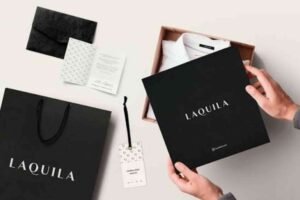
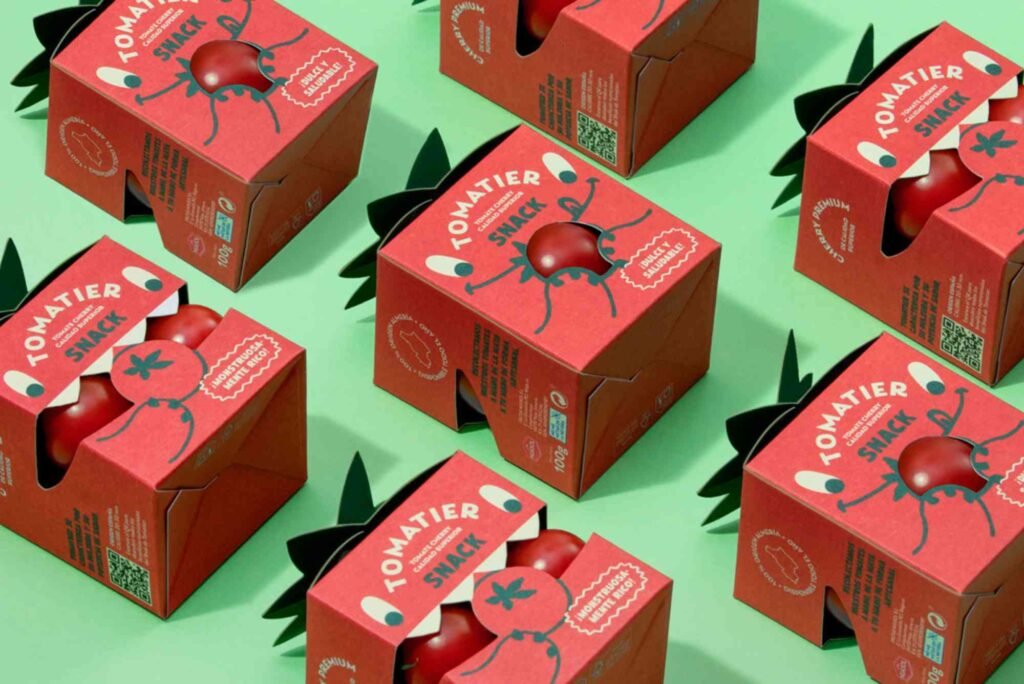
For example, premium typography and restrained colours may suggest luxury. Bright colours and playful illustrations can create a younger and more energetic personality.
The best blog packaging design balances appearance with purpose. It should attract attention without making essential information difficult to understand.
Packaging can also reinforce brand consistency. When colours, fonts, logos and visual elements remain consistent, customers can recognise products more easily.
This consistency becomes particularly valuable when a business has several products. A unified packaging system can make the entire range feel connected.
How Does Blog Packaging Design Build Brand Identity?
Brand identity is more than a logo. It includes the visual and emotional characteristics that make a company recognisable.
Packaging gives brands a physical space to express those characteristics. Typography, colour, photography, illustrations and materials all contribute to the overall impression.
A modern technology brand may use clean layouts and subtle graphics. Meanwhile, an organic food brand may prefer natural colours and tactile materials.
The important point is consistency. Packaging should feel like an extension of the brand rather than a separate marketing project.
Businesses can also use Custom Packaging as a way to create distinctive experiences. Custom dimensions, printed surfaces and thoughtful finishing can make products feel more intentional.
What Makes Effective Packaging Design?
Effective packaging combines visual appeal, usability and clear communication. These elements should support one another throughout the design.
Research into packaging briefs commonly highlights competition, engagement, communication and memorability as important considerations.
The first consideration is visibility. Customers should be able to identify the product without unnecessary effort.
The second is communication. Important information should have a clear visual hierarchy.
The third is usability. Customers should understand how to open, carry, store or use the package.
Finally, the design should be memorable. A distinctive shape, colour combination or graphic style can help customers remember the brand.
How Colour Influences Packaging Design
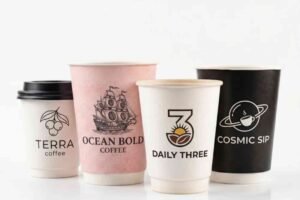
Colour is one of the quickest ways to communicate a brand message. Customers often form an initial impression from colour before reading the packaging copy.
However, colour choices should reflect the product and target audience. There is no universal colour that guarantees success.
A children’s product may benefit from energetic colours. A luxury product might require a more restrained palette. Food packaging may use colours that complement the product category.
Contrast is equally important. Text needs sufficient contrast against its background for comfortable reading.
The goal is not to use as many colours as possible. Instead, create a deliberate colour system that supports recognition and readability.
Typography and Readability in Packaging
Typography plays a major role in blog packaging design because packaging has limited space. Customers should understand the main message quickly.
A strong typographic hierarchy separates the product name, description, benefits and supporting information.
Fonts should also suit the brand personality. Elegant serif fonts can create a traditional impression. Clean sans-serif fonts often feel modern and straightforward.
Avoid using too many typefaces. A limited font system usually creates a cleaner and more professional result.
Readability should always come before decoration. If customers struggle to read important information, the design has failed part of its purpose.
Choosing the Right Packaging Material
Material selection affects appearance, durability, cost and environmental impact. Therefore, it should be considered early in the design process.
Cardboard, corrugated board, paper, glass, metal and flexible films all offer different advantages.
The right material depends on the product. A fragile item may require stronger protection. A lightweight product may benefit from a simpler structure.
Material choice should also consider printing requirements and production limitations. Technical specifications can help manufacturers reproduce the design accurately and consistently.
A designer should therefore work with suppliers before finalising the artwork. This reduces the risk of expensive production changes later.
Sustainability in Modern Packaging Design
Sustainability has become an important consideration for many brands and consumers. However, sustainable packaging should be approached practically.
Reducing unnecessary material can sometimes be more effective than simply selecting a new material. Smaller packaging can reduce material usage, storage requirements and transportation volume.
Designers should also consider how easily packaging can be separated and recycled. Mixed materials can make recycling more complicated.
The best blog packaging design approach considers the complete packaging lifecycle. That includes production, transportation, use and disposal.
Sustainability should also be communicated honestly. Avoid making environmental claims that cannot be supported.
Packaging Design and Customer Experience
Packaging continues to influence the customer after purchase. Opening a product can become part of the overall brand experience.
A carefully designed opening sequence can create anticipation. Clear instructions can reduce frustration. Appropriate protection can demonstrate that the brand values the product.
However, an impressive unboxing experience should not create unnecessary waste. Every additional component should have a clear purpose.
Customer experience should therefore guide design decisions. Ask how the package feels in the customer’s hands, not only how it looks in a presentation.
A Practical Packaging Design Comparison
The following table shows how different design priorities can affect packaging decisions.
| Design Priority | Main Objective | Suitable Approach | Customer Benefit |
|---|---|---|---|
| Brand recognition | Improve visibility | Consistent colours and typography | Easier product recognition |
| Product protection | Prevent damage | Appropriate structure and material | Greater confidence |
| Premium positioning | Increase perceived value | Refined finishes and materials | Stronger quality perception |
| Sustainability | Reduce environmental impact | Material reduction and recyclable choices | More responsible experience |
| Usability | Make packaging easier to handle | Simple opening and clear instructions | Less customer frustration |
| Shelf impact | Stand out from competitors | Strong hierarchy and distinctive visuals | Faster product identification |
Common Packaging Design Mistakes
Even attractive packaging can fail when practical details are ignored. One common mistake is prioritising decoration over communication.
Customers should not need to search for the product name or essential information.
Another mistake is choosing packaging that is larger than necessary. Excess space can increase material usage and transportation costs.
Poor typography is another frequent issue. Decorative fonts may look attractive but become difficult to read at smaller sizes.
Brands should also avoid copying competitors too closely. Inspiration is useful, but distinctive identity creates stronger long-term recognition.
Finally, never skip physical testing. A digital mock-up cannot reveal every structural or production problem.
How to Improve Your Packaging Design Process
A successful design process begins with research. Understand the product, target audience, competitors and sales environment before developing visuals.
Create a clear creative direction. Decide what the packaging should communicate and what customers should notice first.
Then explore structural and visual concepts together. The artwork needs to work with the physical package.
Request prototypes before approving large production quantities. Physical samples reveal issues with proportions, colours, materials and usability.
It is also useful to collect feedback from people who are unfamiliar with the project. Fresh eyes can identify confusing information that internal teams may overlook.
For businesses looking for professional guidance, Buddy Packaging Location can also be considered when exploring packaging-related resources and solutions.
What Are the Best Packaging Design Tips?
The most useful packaging design tips focus on clarity, consistency and functionality.
Start with the customer rather than the decoration. Understand what they need to know and how they will interact with the package.
Keep the visual hierarchy simple. Make the product name and key message immediately visible.
Choose materials according to real product requirements. Consider protection, shipping, storage and disposal.
Always test the physical package. A design that looks excellent on screen may behave differently after printing and assembly.
Finally, make the design recognisable. Distinctive packaging can become a valuable brand asset over time.
How Packaging Design Supports Online Shopping
Packaging matters even when customers purchase products online. Product photography often shows packaging before the customer places an order.
Strong packaging can therefore contribute to the visual presentation of an online product listing.
It can also influence social media content. Customers may photograph interesting packaging during unboxing and share those experiences.
However, online shoppers cannot physically examine the package before buying. Product information must therefore remain clear in images and descriptions.
This makes visual clarity particularly important for e-commerce brands.
How Much Does Packaging Design Cost?
The cost of packaging design varies considerably. Simple labels generally require less design work than complex boxes or multi-part structures.
Costs can depend on the number of products, design complexity, materials, printing requirements and production quantities.
A brand should consider the entire project rather than focusing only on the design fee.
A cheaper design can become expensive if it causes printing errors, material waste or production problems.
For that reason, investing in accurate specifications and testing can provide better long-term value.
Frequently Asked Questions About Blog Packaging Design
What are the key steps in packaging design?
The process usually starts with research and strategy. It then moves into visual development, structural planning, prototyping and production preparation.
These stages help ensure that creative decisions remain practical. Packaging professionals also recommend considering materials, dielines, finishes and production specifications early.
What are the four main principles of effective packaging design?
The four commonly discussed principles are competition, engagement, communication and memorability. These principles help packaging attract attention while delivering a clear message.
How do I choose the right material for packaging?
Consider the product, budget, protection requirements and sustainability objectives. The material should also support the required printing and manufacturing process.
A material that looks attractive may not be suitable if it cannot protect the product effectively.
What is a dieline in packaging design?
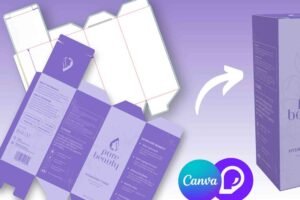
A dieline is a flat technical layout used to manufacture packaging. It indicates areas such as cuts, folds, scores, glue sections and panels.
Designers use the dieline to position artwork accurately. This helps ensure that printed elements align correctly after production.
Does packaging design affect customer buying decisions?
Yes, packaging can influence first impressions and perceived product value. Strong packaging helps customers understand what the product is and how it differs.
However, packaging works best when it supports a genuinely good product. Design alone cannot replace quality.
Conclusion: Make Your Packaging Work Harder
Effective blog packaging design brings branding, functionality and customer experience together. It protects the product while communicating its value.
The strongest packaging is not necessarily the most complicated. Instead, it is purposeful, recognisable and easy to understand.
Start by defining your audience and brand personality. Then choose appropriate materials, establish a clear visual hierarchy and test the finished structure.
Most importantly, design for the real customer experience. When packaging looks good, works well and communicates clearly, it can become one of your brand’s strongest marketing assets.
If you are ready to improve your packaging, review your current design today. Identify one area that could be clearer, more useful or more distinctive, and begin your next packaging project with that improvement in mind.
Related Reading: 7 packaging design trends